
Delphi. From the journey to Greece — History & Facts
Can beauty exist without sorrow? In Delphi, Jan Ciągliński captures a haunting elegance that suggests loss intertwined with splendor. Look to the lower right, where ancient ruins emerge from a lush, vibrant landscape, bathed in a golden hue that suggests a fleeting moment. The meticulously rendered stone structures evoke a sense of time suspended, drawing the eye towards the ethereal mountains in the background that rise with a muted grace. Each brushstroke, layered with warm oranges and soft greens, conveys a harmony that contrasts with the echoes of history embedded within the landscape. Delving deeper, one can sense a melancholic narrative wrapped in the scene.
The juxtaposition of the vibrant foliage against the weathered ruins symbolizes a past that still resonates amidst nature’s enduring beauty. This tension between decay and vibrancy prompts contemplation of vanished civilizations and the inexorable passage of time, hinting at the quiet suffering that accompanies remembrance and nostalgia. Such contrasts compel the viewer to reflect on the bittersweet nature of existence and the memories that linger in the shadows of grandeur. Ciągliński painted Delphi in 1905, while he was immersed in the artistic currents of the early 20th century in Europe.
Living in Paris, he was influenced by the Symbolist movement, which emphasized emotion and the subconscious, paralleling his own experiences with loss and longing. This period in art was marked by a departure from realism, capturing the essence of feelings rather than mere appearances, and Delphi stands as a testament to that transformative moment in his life and work.
More Artworks by Jan Ciągliński
Browse all →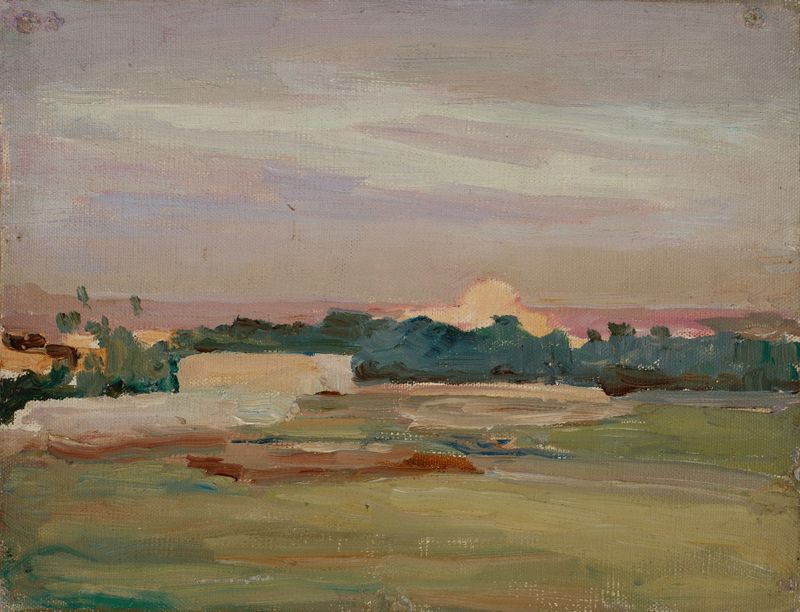
The Sirocco
Jan Ciągliński
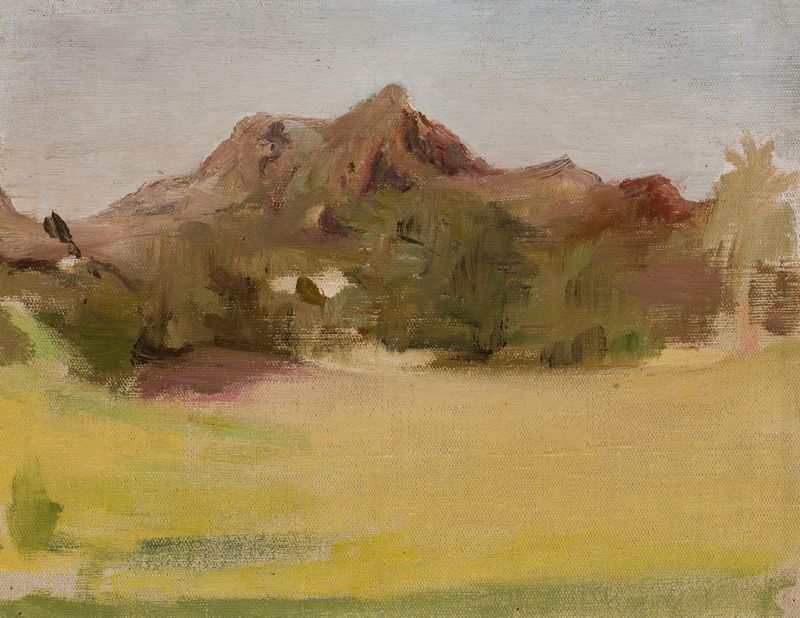
Mountain landscape. From the journey to India
Jan Ciągliński
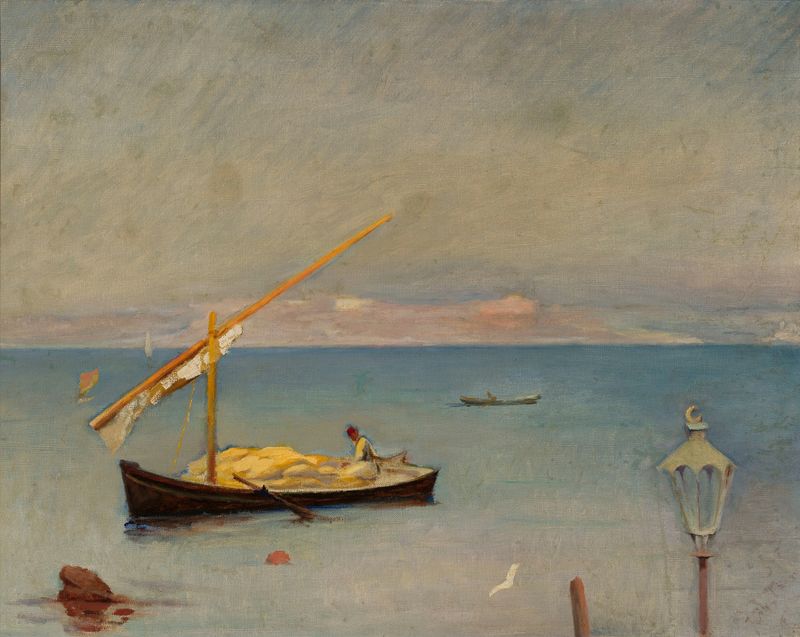
At Bosporus
Jan Ciągliński
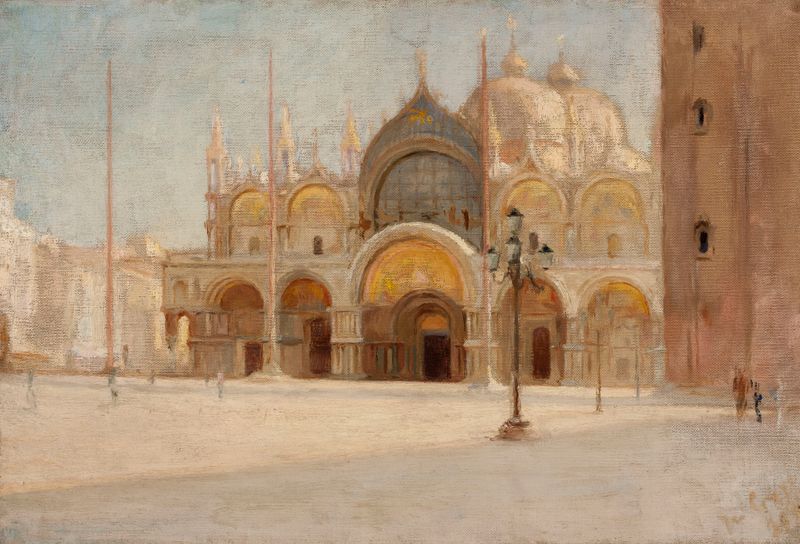
St Mark’s Square in Venice
Jan Ciągliński
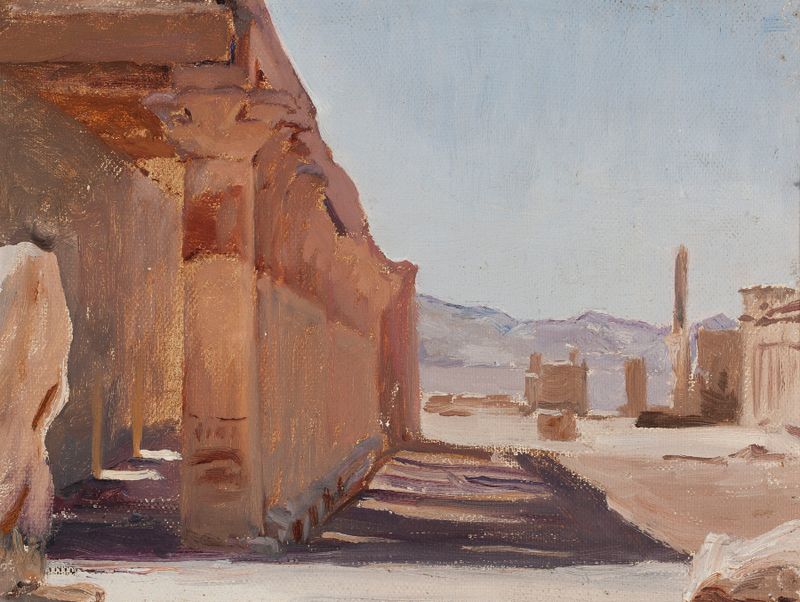
Temple. From the journey to Egypt
Jan Ciągliński
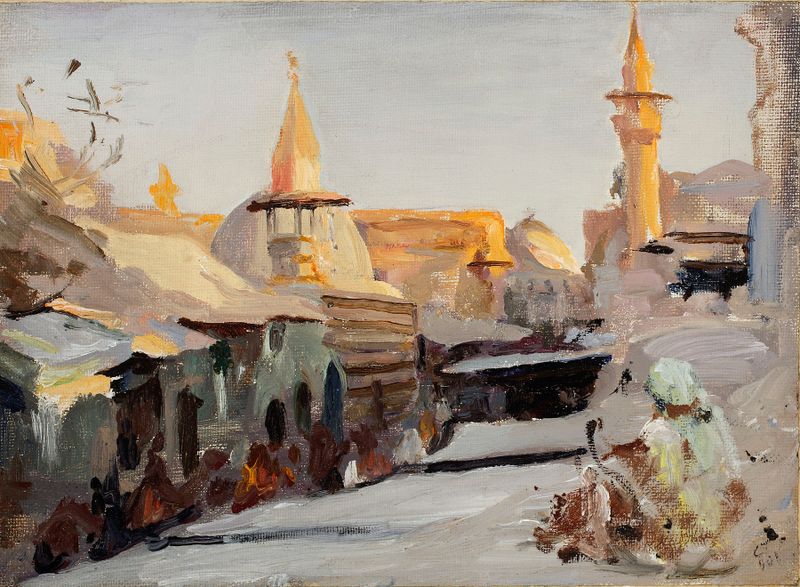
Street in Damascus. From the journey to Palestine
Jan Ciągliński
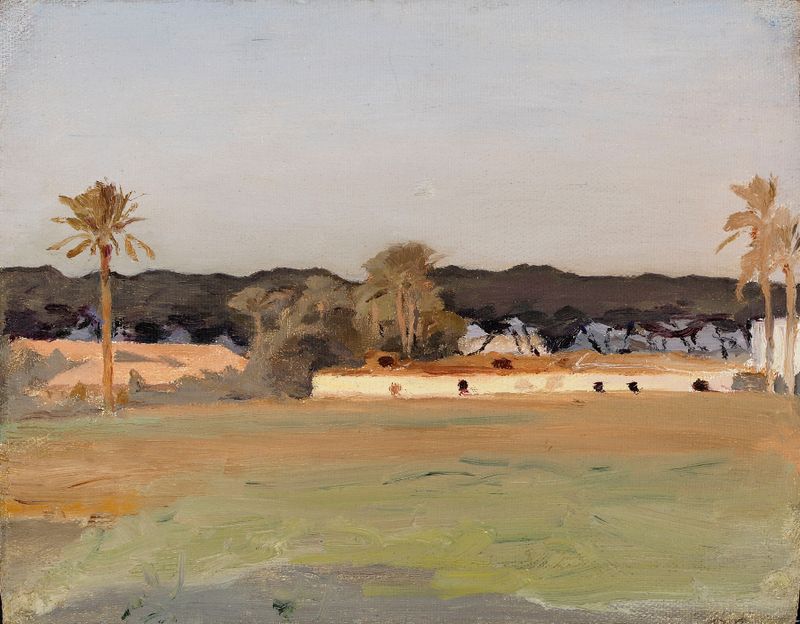
Evening. From the journey to Egypt
Jan Ciągliński
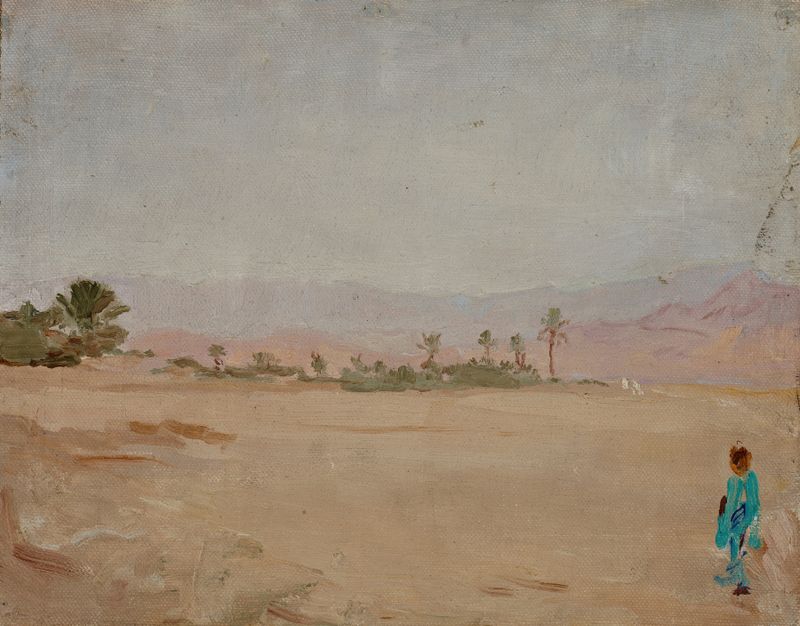
Sahara (Desert)
Jan Ciągliński
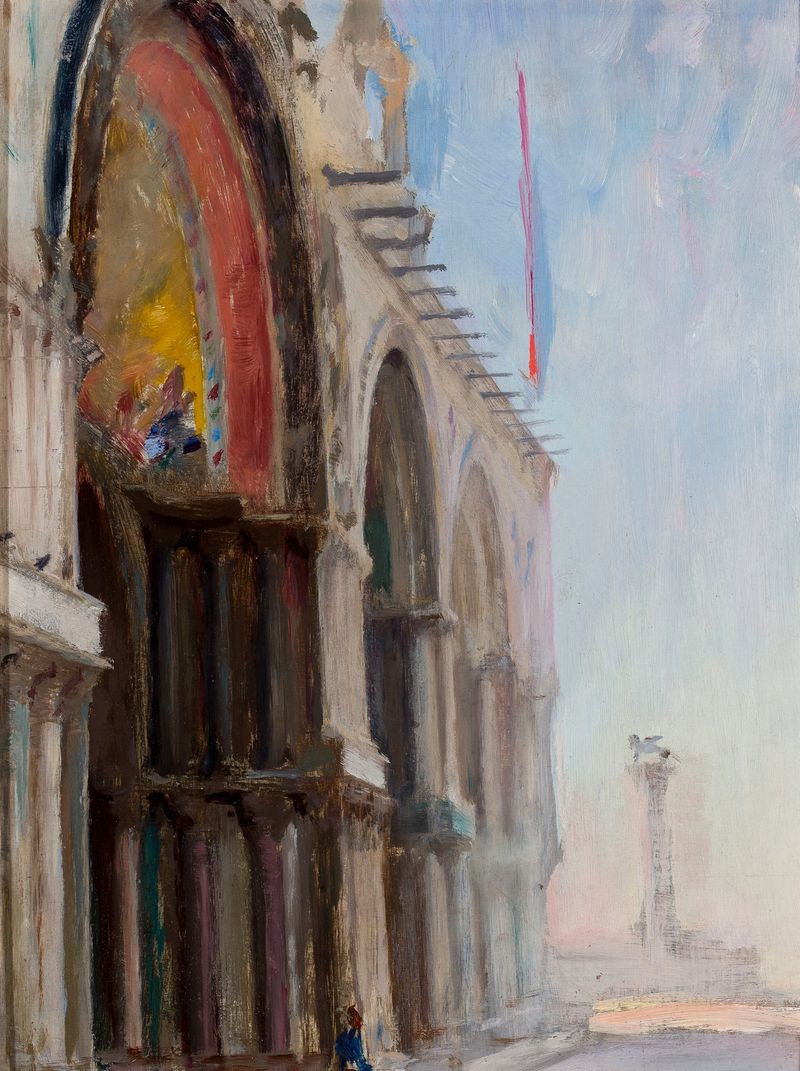
Venice – San Marco. From the journey to Italy
Jan Ciągliński
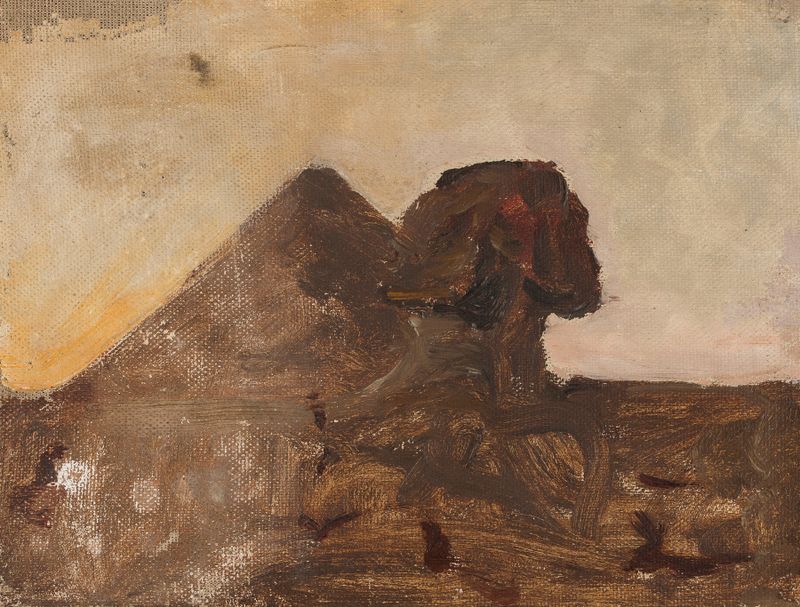
Evening in the desert – Sphinx and pyramid. From the journey to Egypt
Jan Ciągliński





