
Demolition for the Openning of the Rue des Écoles — History & Facts
Could a single brushstroke hold eternity? In Demolition for the Opening of the Rue des Écoles, Maxime Lalanne captures the fleeting moment of transformation, where destruction paves the way for renewal. It challenges our perceptions of time, urging us to reflect on the delicate balance between what we lose and what might emerge anew. Look to the foreground, where the rubble of fallen bricks lies scattered, each piece a remnant of the past. The diagonal lines of the debris lead the eye upward towards the figures laboring amidst the chaos.
Notice how the muted earth tones of the crumbled stones contrast sharply with the brighter hues of the workers’ clothing, emphasizing their vitality against the backdrop of annihilation. The soft play of light filtering through the dust creates a hazy atmosphere, inviting a sense of both melancholy and hope. Within this depiction lies a profound tension—between destruction and creation, silence and labor. The workers, caught in mid-action, become symbols of perseverance, suggesting that dismantling is not merely an end, but a precursor to something greater.
There is also a subtle interplay of emotion; the faces of the laborers convey determination, hinting at their unyielding spirit in the face of urban change, perhaps even a reflection of their own lives being reshaped. In 1862, Lalanne painted this scene during a significant period of urban renewal in Paris, a time when the city was undergoing radical transformations under Baron Haussmann. This moment in history found the artist amidst a vibrant art scene, where realism was gaining traction as a means of social commentary. The demolition signaled not just physical change, but a shift in cultural landscapes, where art would play a vital role in narrating the evolving story of a city and its people.
More Artworks by Maxime Lalanne
Browse all →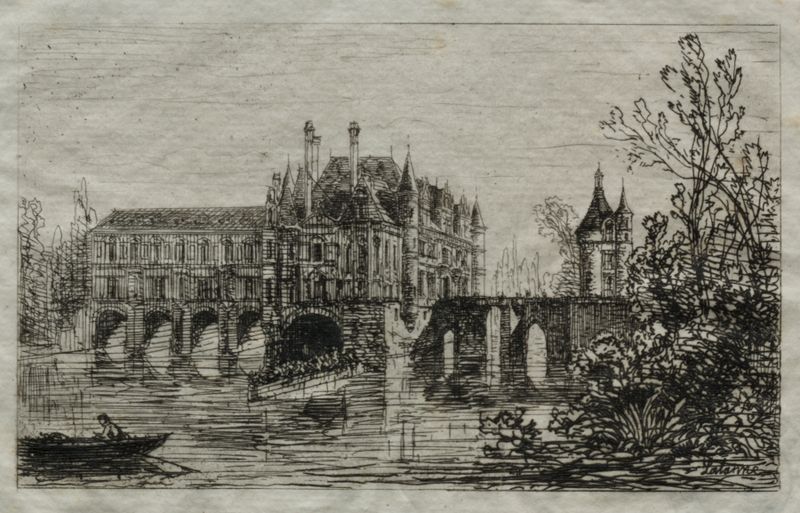
Château de Chenonceau
Maxime Lalanne
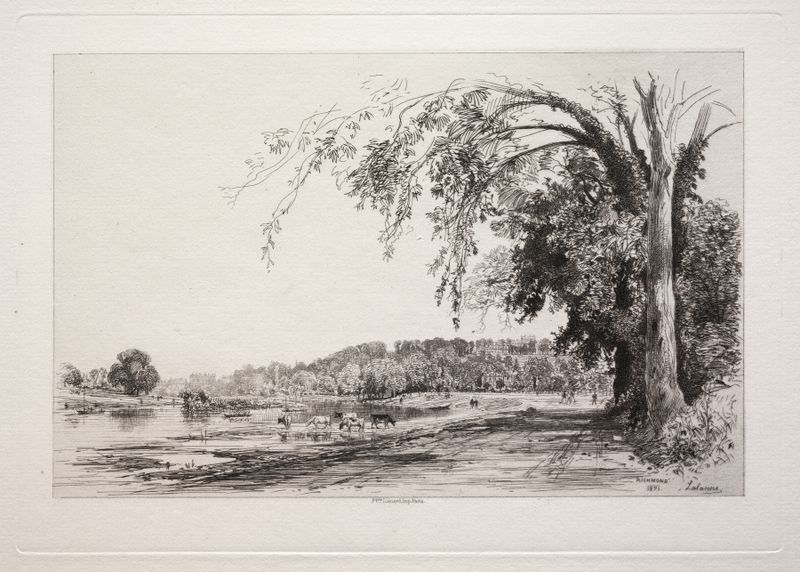
Richmond
Maxime Lalanne
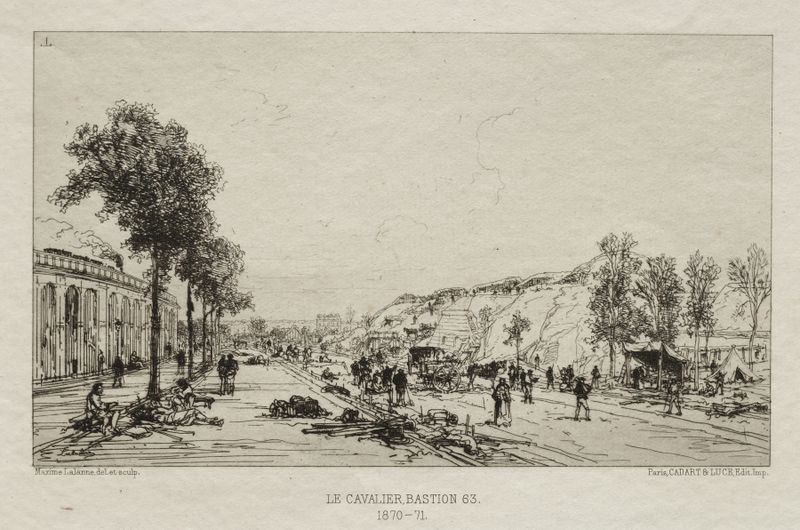
Souvenirs artistiques du Siège de Paris; Le Cavalie (Bastion 63)
Maxime Lalanne
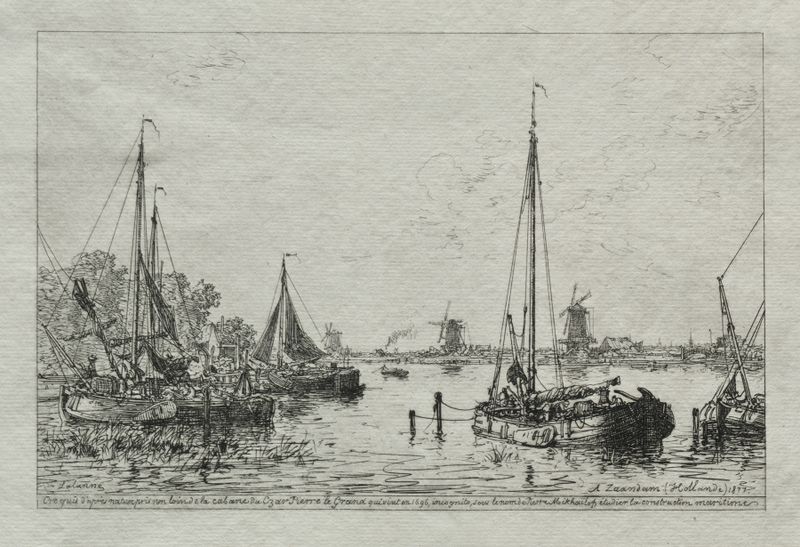
Sketch from Nature
Maxime Lalanne
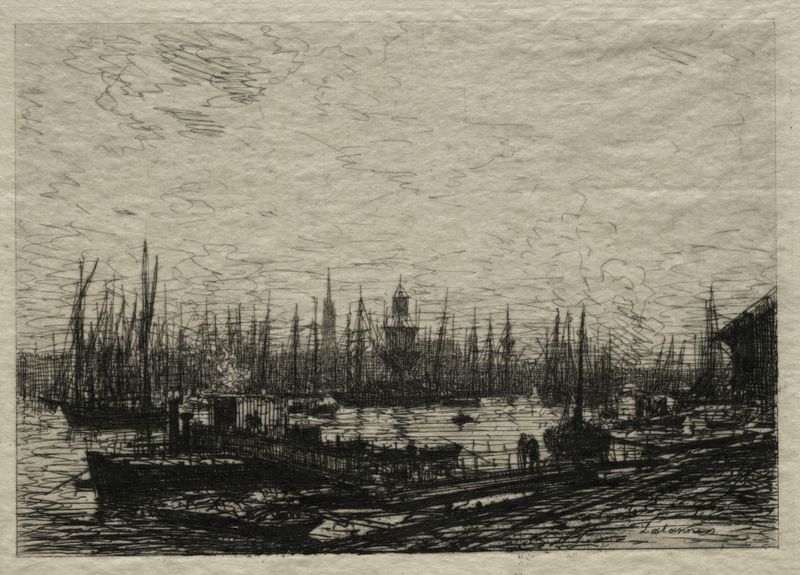
In the Bordeaux Harbor
Maxime Lalanne
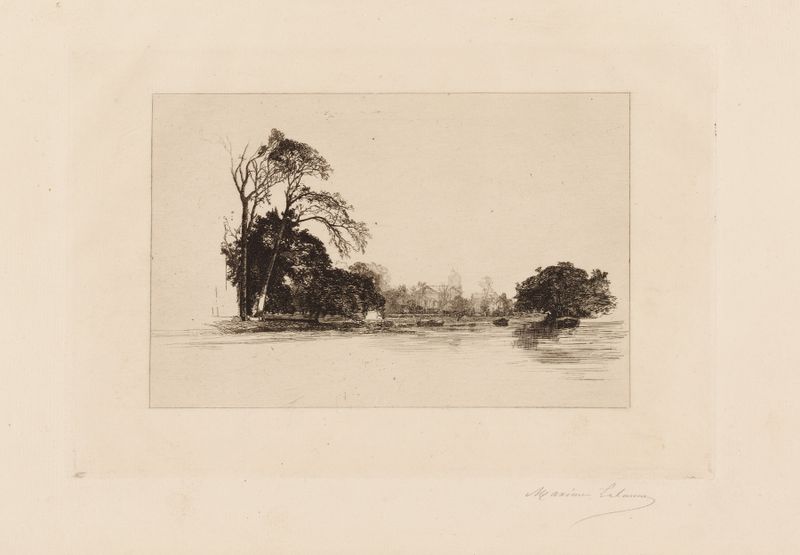
Bank of the Thames
Maxime Lalanne
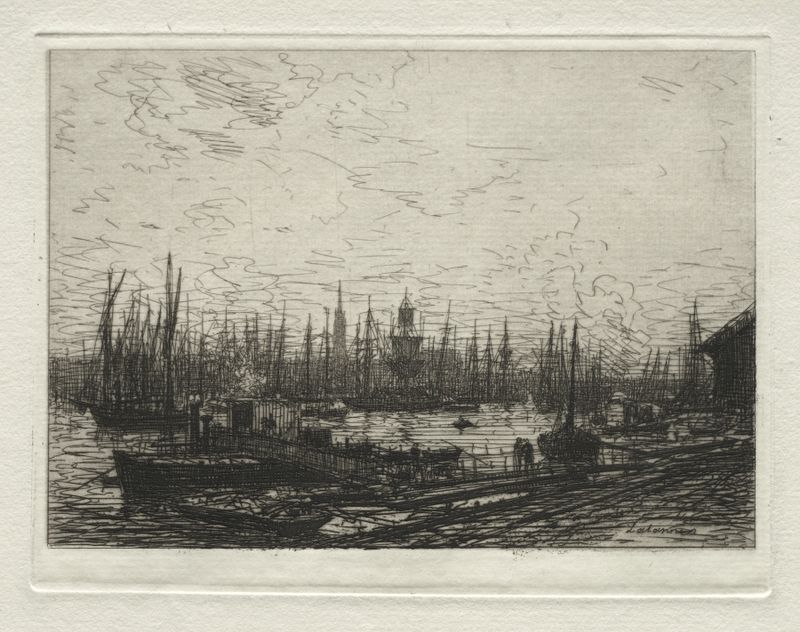
Port of Bordeaux
Maxime Lalanne
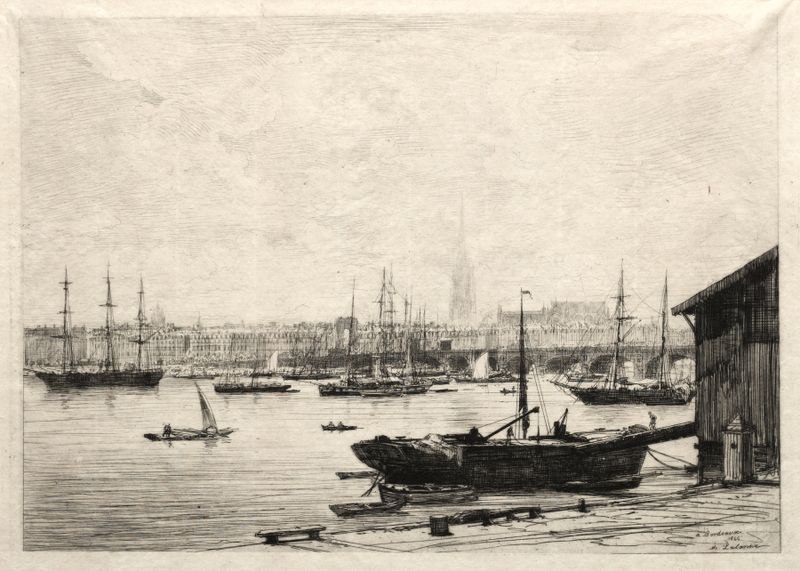
Bordeaux
Maxime Lalanne
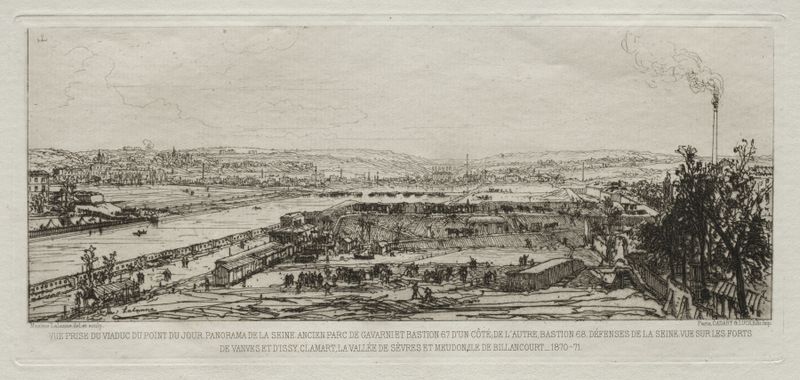
View from the Viaduct at the Pont-du-Jour, Panorama de la Seine
Maxime Lalanne
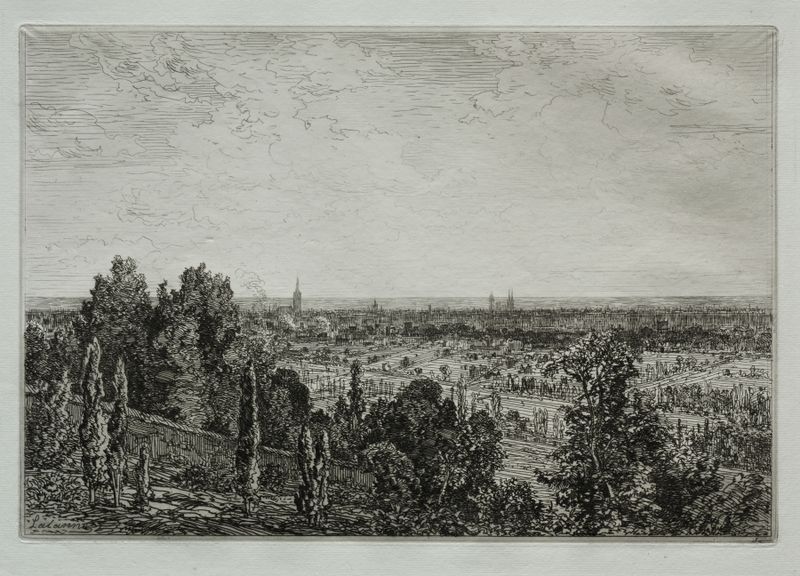
Bordeaux, View from the Coast of Cénon
Maxime Lalanne
More Architecture Art
Browse all →
The statue of Liberty
Frédéric Auguste Bartholdi

View of Houses in Delft, Known as ‘The Little Street’
Johannes Vermeer

View of Houses in Delft, Known as ‘The Little Street’
Johannes Vermeer

The Cathedral in Rouen. The portal, Grey Weather
Claude Monet

The yellow house
Vincent van Gogh

The Church in Auvers-sur-Oise, View from the Chevet
Vincent van Gogh