
Demolition of Old Houses in Paris — History & Facts
In the crumbling streets of Paris, the echoes of a fading past linger in the air, weaving a tapestry of longing through the debris. Look to the left of the canvas where shadows stretch long, revealing the skeletal remains of once-proud structures being ruthlessly dismantled. The artist employs a muted palette, with ochres and grays that speak of decay and nostalgia, pulling the viewer deeper into the melancholic narrative. Notice how the light gently filters through the dust, illuminating scattered bricks and timber, as if nature mourns the loss of these homes, each brushstroke a testament to their forgotten stories. Hidden within this scene are layers of emotional tension: the contrast between the vibrant life that once filled these spaces and the stark reality of their demolition.
The figures laboring amidst the ruins embody the relentless march of progress, yet their weary postures suggest a shared sorrow. The broken windows and collapsed walls mirror the fragility of memory, leaving the viewer to ponder what remains when the physical is stripped away. In 1862, while painting this work, the artist found himself at the crossroads of change in Paris, where traditional architecture was giving way to modernity. He was part of a burgeoning movement that sought to capture the transient beauty of urban life, reflecting a city grappling with transformation.
The effects of industrialization were palpable, as Lalanne translated the bittersweet essence of progress into his evocative imagery, marrying history with the urgency of the present.
More Artworks by Maxime Lalanne
Browse all →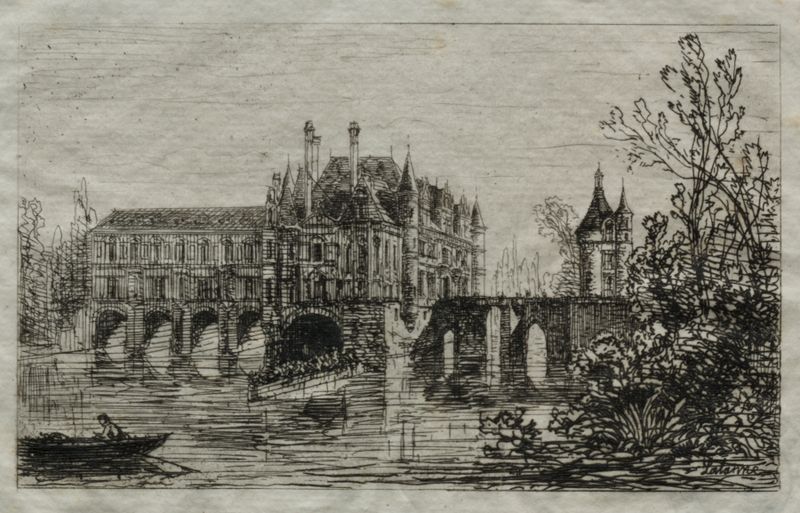
Château de Chenonceau
Maxime Lalanne
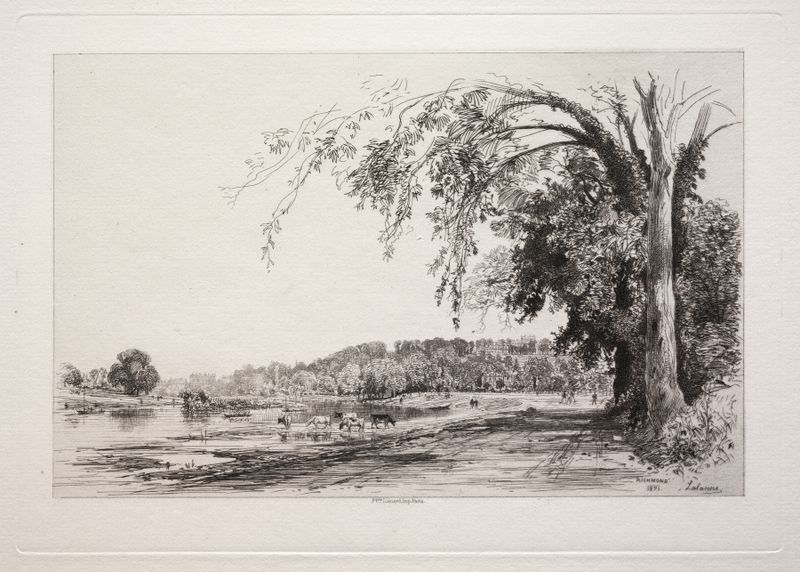
Richmond
Maxime Lalanne
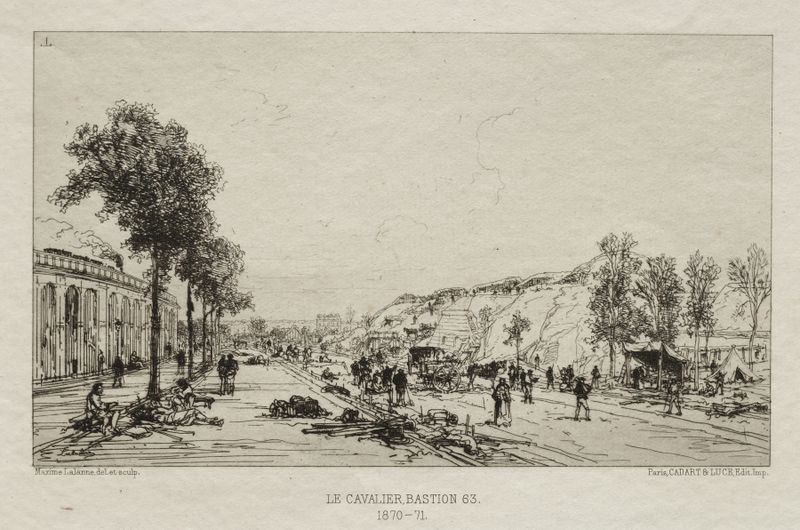
Souvenirs artistiques du Siège de Paris; Le Cavalie (Bastion 63)
Maxime Lalanne
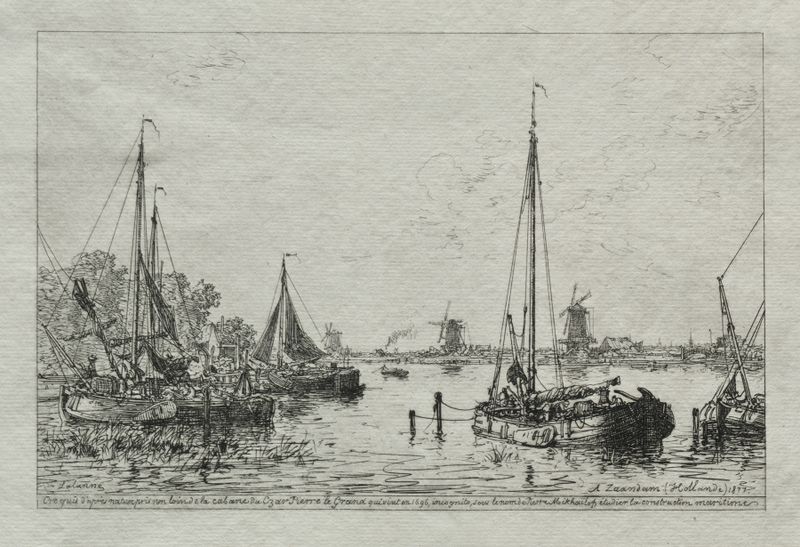
Sketch from Nature
Maxime Lalanne
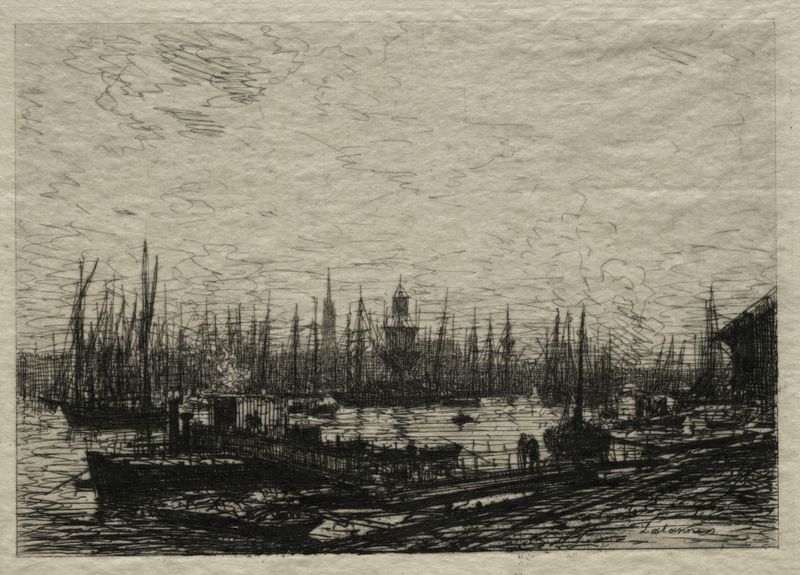
In the Bordeaux Harbor
Maxime Lalanne
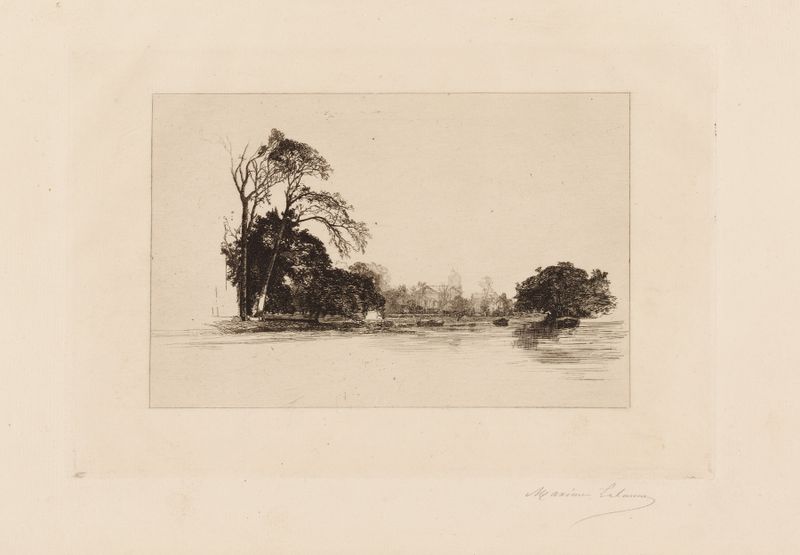
Bank of the Thames
Maxime Lalanne
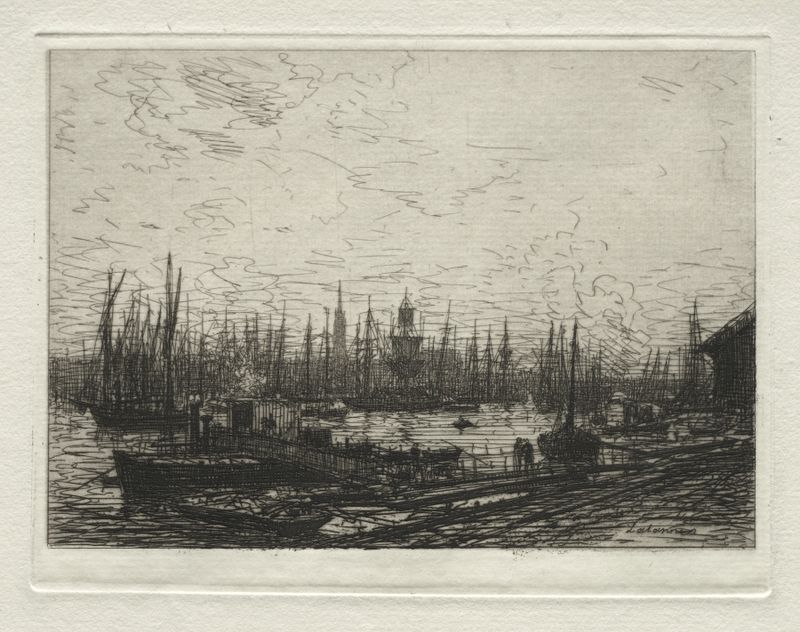
Port of Bordeaux
Maxime Lalanne
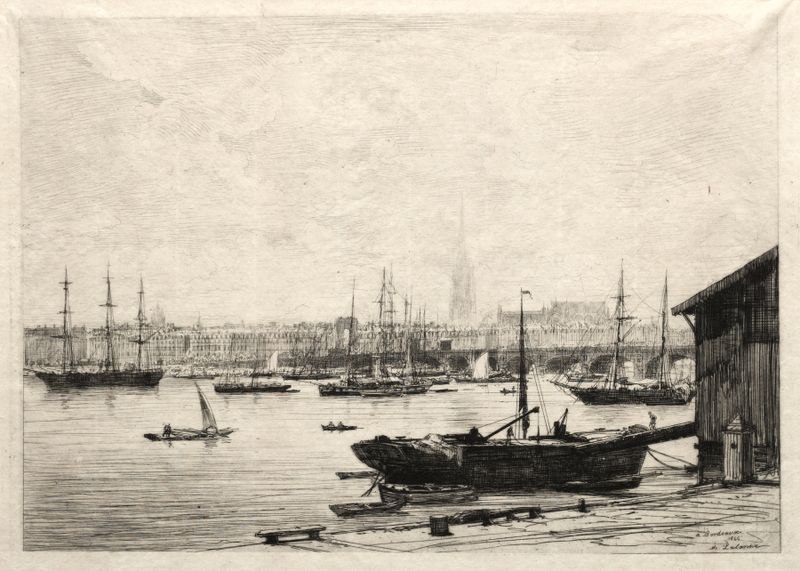
Bordeaux
Maxime Lalanne
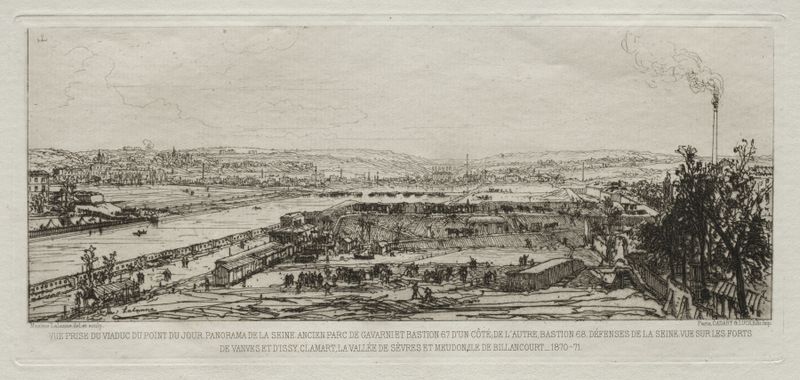
View from the Viaduct at the Pont-du-Jour, Panorama de la Seine
Maxime Lalanne
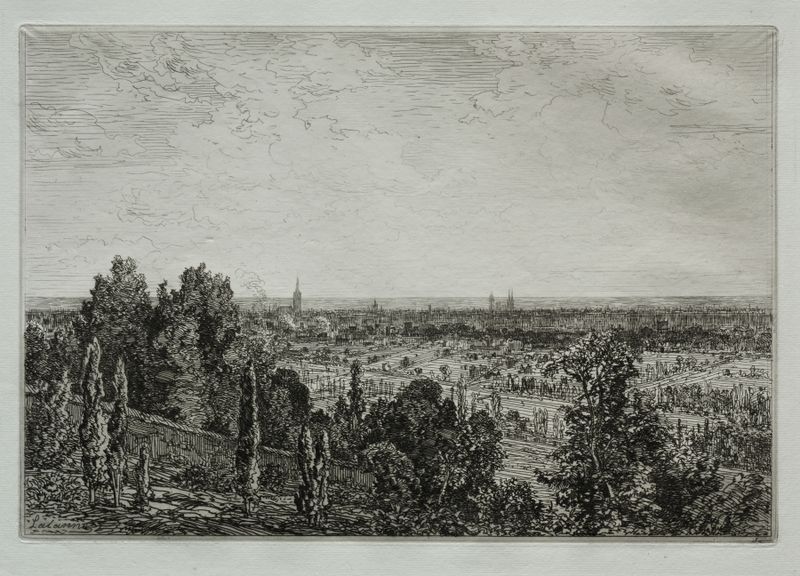
Bordeaux, View from the Coast of Cénon
Maxime Lalanne
More Architecture Art
Browse all →
The statue of Liberty
Frédéric Auguste Bartholdi

View of Houses in Delft, Known as ‘The Little Street’
Johannes Vermeer

View of Houses in Delft, Known as ‘The Little Street’
Johannes Vermeer

The Cathedral in Rouen. The portal, Grey Weather
Claude Monet

The yellow house
Vincent van Gogh

The Church in Auvers-sur-Oise, View from the Chevet
Vincent van Gogh