
Demolition of the church St. Clara and the Bernardine nunnery in Warsaw — History & Facts
In the face of destruction, how do we reconcile beauty with betrayal, and the echoes of the past with the starkness of the present? This painting captures the moment when memories are laid bare, revealing the fragility of what was once sacred. Focus first on the ghostly ruins dominating the canvas. The crumbled stones of St. Clara’s church rise defiantly against a muted sky, their shadows stretching toward the viewer.
To the left, the remnants of the Bernardine nunnery linger, painted with somber hues that communicate loss. Notice how the light falls unevenly, illuminating fragments of history while casting dark shadows on the ground—a poignant reflection of the conflict between preservation and obliteration. In the details, the emotional tension unravels. The contrasting textures between the crumbling architecture and the surrounding landscape underline a sense of betrayal, where nature's indifference collides with human sorrow.
The muted color palette evokes a melancholic atmosphere, pulling the viewer into a contemplation of time and change. Each stone seems to whisper stories of devotion now lost, while the encroaching silence hints at the void left behind. Wincenty Kasprzycki painted this piece in 1843, a period marked by radical change in Warsaw. The city was grappling with the consequences of political upheaval and urban transformation.
As churches and nunneries fell under the specter of modernization, this artwork stood as a haunting testament to a world in flux—a reflection not only of architectural loss but of cultural identity at a critical juncture.
More Artworks by Wincenty Kasprzycki
Browse all →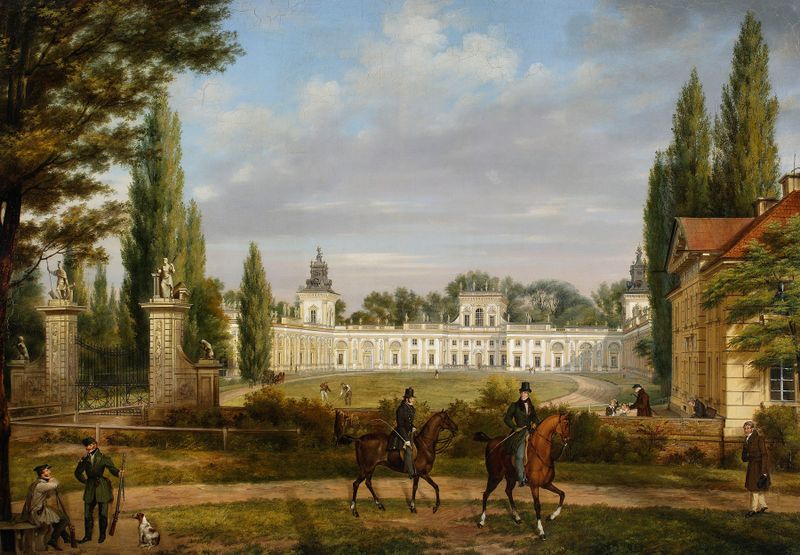
View of the Wilanów Palace from the entrance
Wincenty Kasprzycki
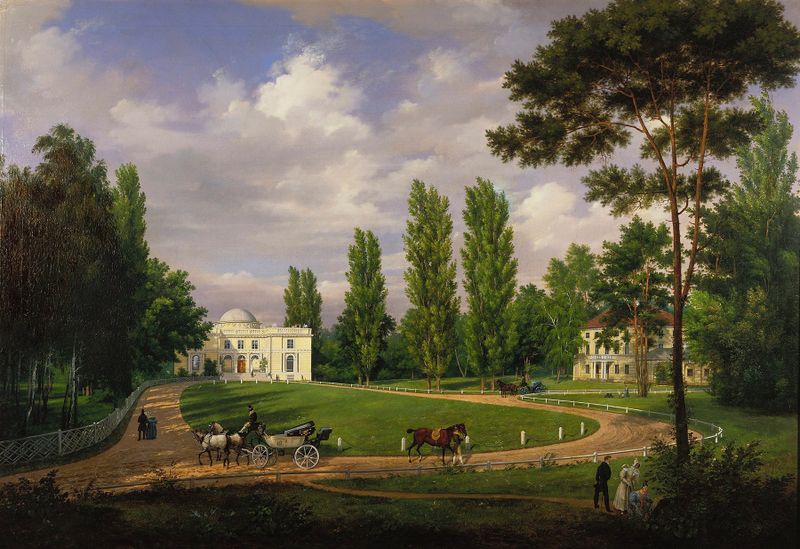
View of the Natolin Palace from the courtyard
Wincenty Kasprzycki

View of Morysinek in Wilanów
Wincenty Kasprzycki
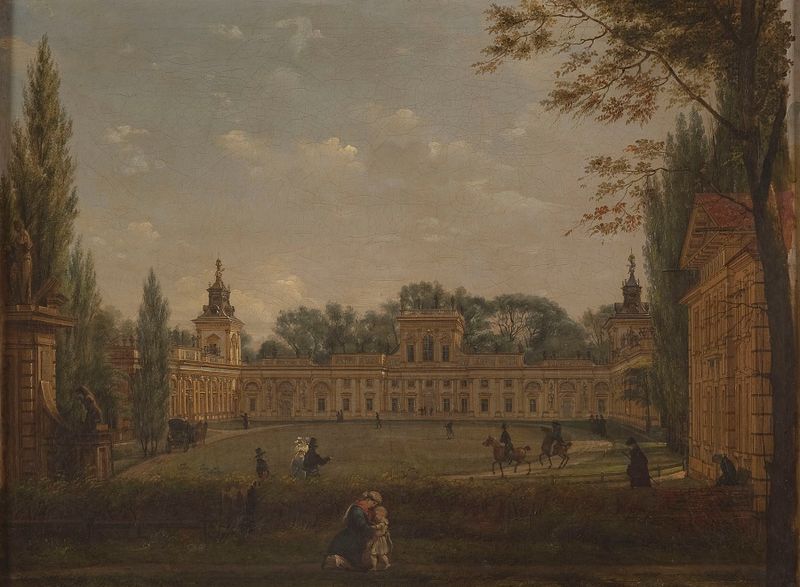
View of the Wilanów Palace from the courtyard
Wincenty Kasprzycki
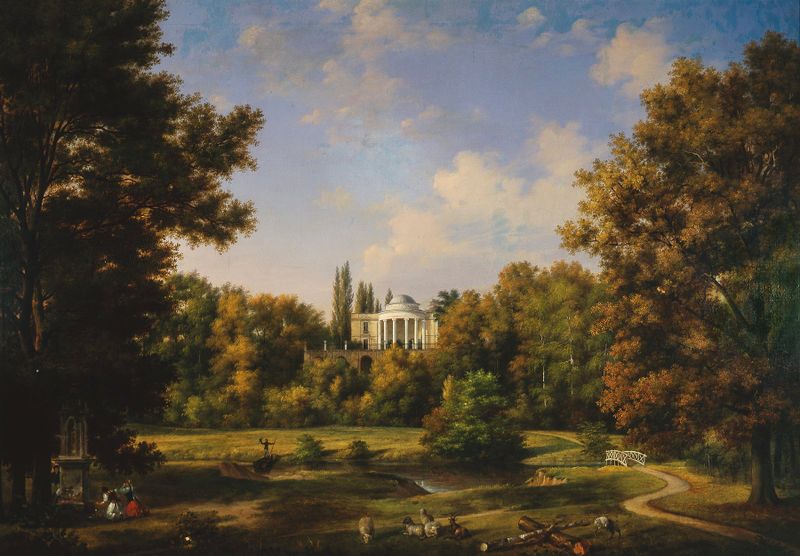
View of the Natolin Palace from the side of the park
Wincenty Kasprzycki
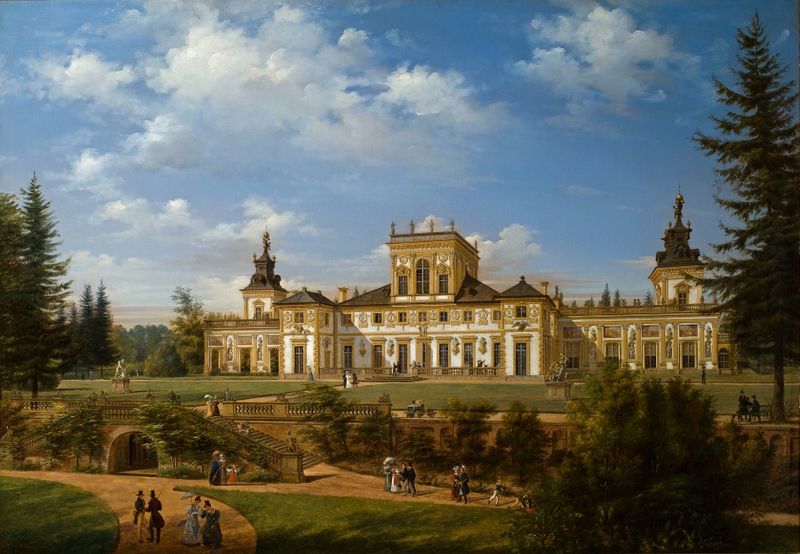
View of the Wilanów Palace from the side of the park
Wincenty Kasprzycki
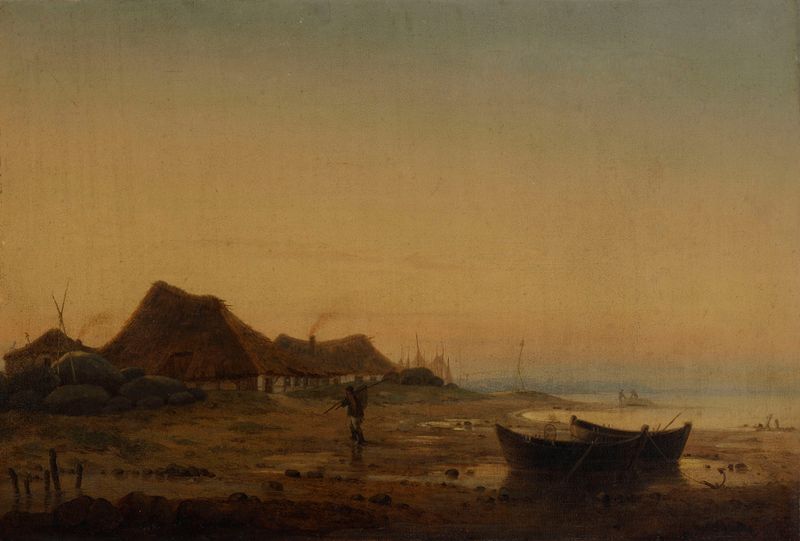
Ponadwiśle
Wincenty Kasprzycki
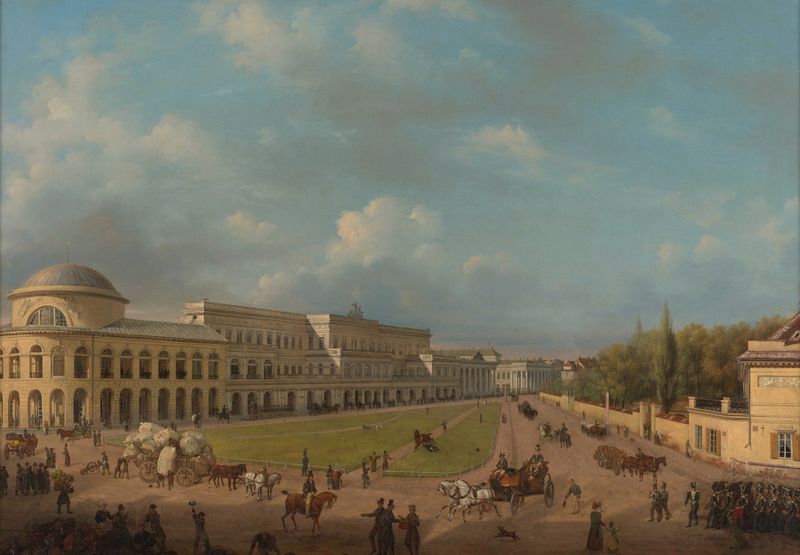
Plac Bankowy
Wincenty Kasprzycki
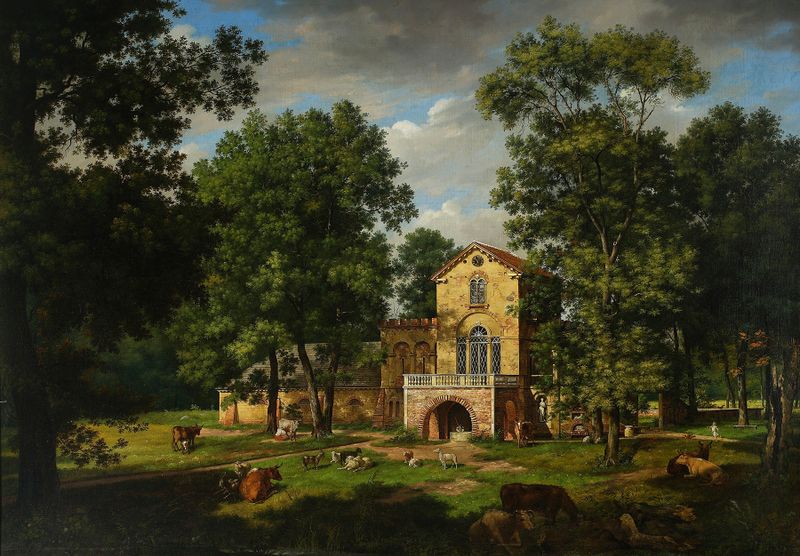
Fragment of the park in Natolin with the cowshed
Wincenty Kasprzycki
More Historical Art
Browse all →
The Night Watch Militia Company of District II under the Command of Captain Frans Banninck Cocq
Rembrandt van Rijn

Lincoln Memorial
Henry Bacon

The Third of May 1808
Francisco de Goya

Isaac and Rebecca, Known as ‘The Jewish Bride’
Rembrandt van Rijn

The Charge of the Mamelukes (1814)
Francisco de Goya

De vier ruiters van de apocalyps
Albrecht Dürer