
Der Haider See — History & Facts
In Der Haider See, light becomes a vessel for memory, illuminating the silent whispers of nature that often fade with the passing seasons. The serene landscape invites contemplation, urging viewers to pause and reflect on the fleeting moments captured within its tranquil essence. Look to the left, where soft ripples dance across the lake’s surface, mirroring the gentle curves of the distant mountains. Notice how the golden light bathes the scene, emphasizing the contrast between the vibrant colors of the foliage and the cool blues of the water.
The painter’s brushstrokes create a harmonious blend of realism and impressionism, allowing the viewer to feel the gentle breeze and hear the rustle of leaves, as if nature itself breathes through the canvas. Delve deeper into the interplay of light and shadow; the way the sunlight illuminates certain areas while leaving others cloaked in mystery highlights the transient nature of life. The reflections on the water seem to have a life of their own, inviting thoughts on perception and reality. Each element works in concert, suggesting a narrative of beauty that emphasizes both the grandeur and solitude of the landscape. Emil Barbarini created Der Haider See in the serene environment of Südtirol, specifically at Lago di San Valentino alla Muta, during the early 20th century.
At this time, he was immersed in a world that was beginning to embrace modernity, yet still held onto the traditions of natural beauty. His work reflects not only his personal artistic evolution but also the broader movement towards capturing the ephemeral qualities of light and atmosphere in the landscape genre.
More Artworks by Emil Barbarini
Browse all →
Blick auf den Dobratsch
Emil Barbarini
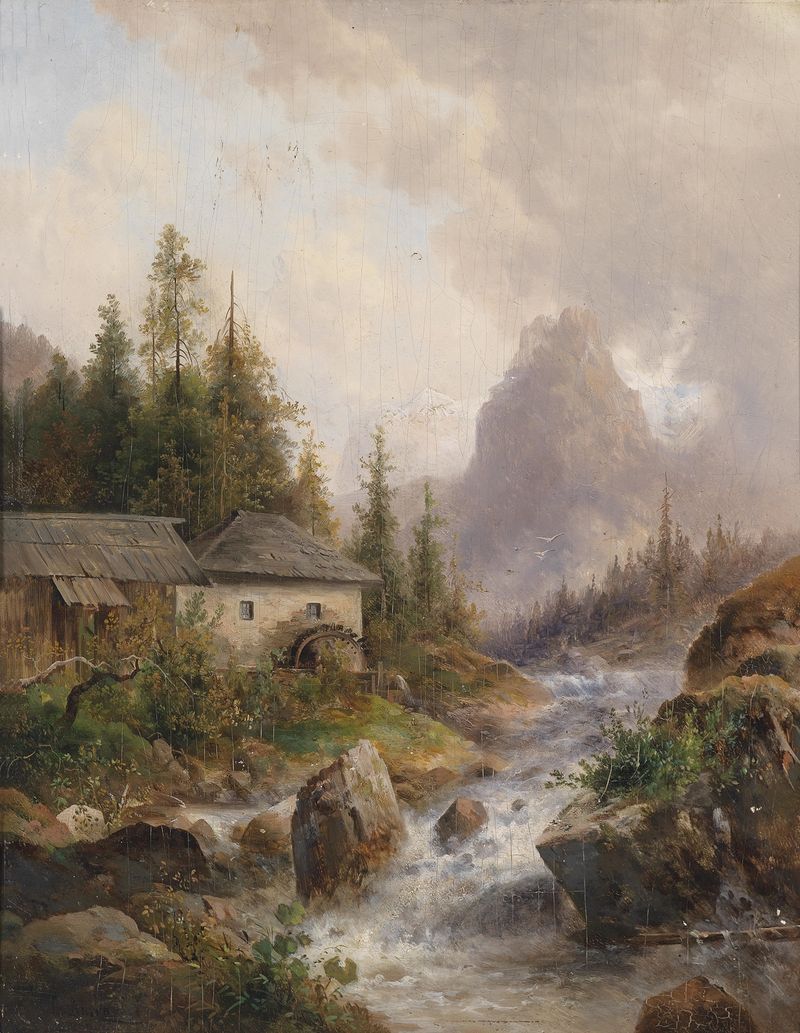
Mühle aus dem Hollthall
Emil Barbarini

Market before the Church of St. Charles, Vienna
Emil Barbarini

A flower market in Paris
Emil Barbarini
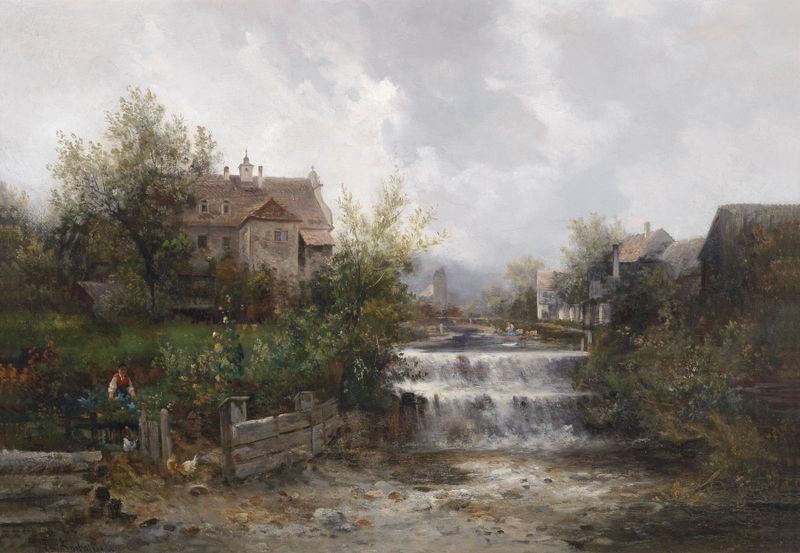
Motiv aus Zell an der Ybbs
Emil Barbarini

On the boulevard
Emil Barbarini
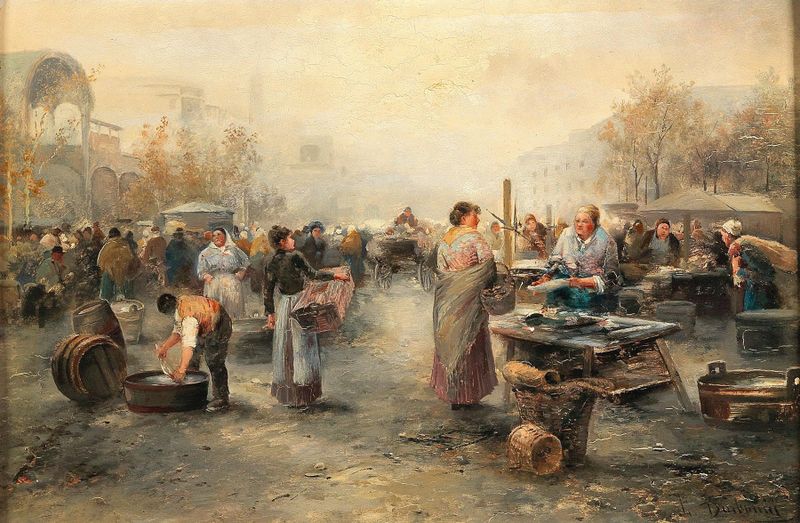
Fish Market
Emil Barbarini
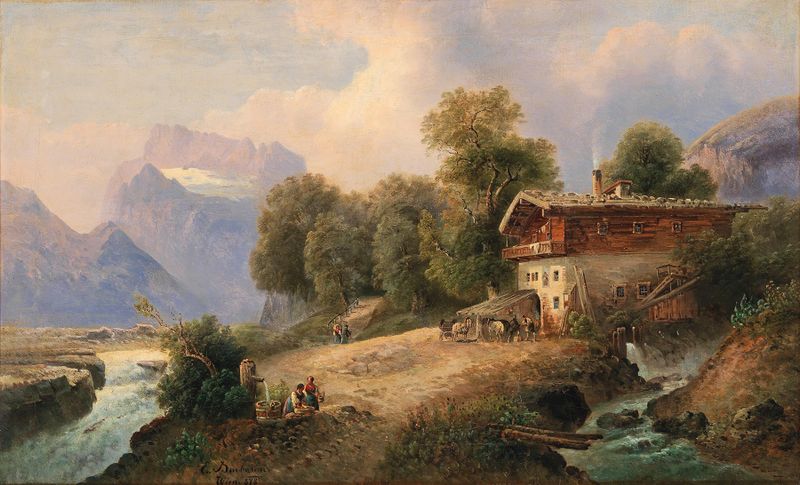
Bei Berchtesgaden
Emil Barbarini

Farmers with cattle
Emil Barbarini

Motiv von der Westerschelde
Emil Barbarini





