
On the boulevard — History & Facts
Could a single brushstroke hold eternity? Within the sweeping curves and vibrant hues of the canvas, a serene world unfolds, inviting contemplation and quiet reflection. Look to the center where soft blues blend seamlessly into gentle greens, forming a harmonious backdrop that feels almost alive. Notice how the diagonal lines of the boulevard guide your eye, creating a sense of movement that contrasts with the stillness of the trees lined along the path. The artist’s deft use of light, filtering through the leaves, casts intricate shadows that dance across the ground, imbuing the scene with a tranquil rhythm. Beneath the surface, the painting reveals deeper tensions: the interplay of light and shadow suggests a fleeting moment caught between day and dusk, amplifying the feeling of serenity tinged with impermanence.
The vibrant colors evoke a sense of life and vitality, while the empty boulevard hints at solitude, creating a delicate balance between joy and quiet longing. Each element, from the vivid foliage to the distant horizon, contributes to the sense of a peaceful escape, inviting the viewer to pause and internalize its beauty. The artist painted this piece during a time of personal exploration, navigating the influences of modernism in the early 20th century. Little is known about Barbarini’s life as he created On the boulevard, but the artwork exemplifies the transitional period in which artists sought to capture new perceptions of reality through abstraction and color.
This painting reflects not only the stillness of its subject but also the evolving landscape of artistic expression at that time.
More Artworks by Emil Barbarini
Browse all →
Blick auf den Dobratsch
Emil Barbarini
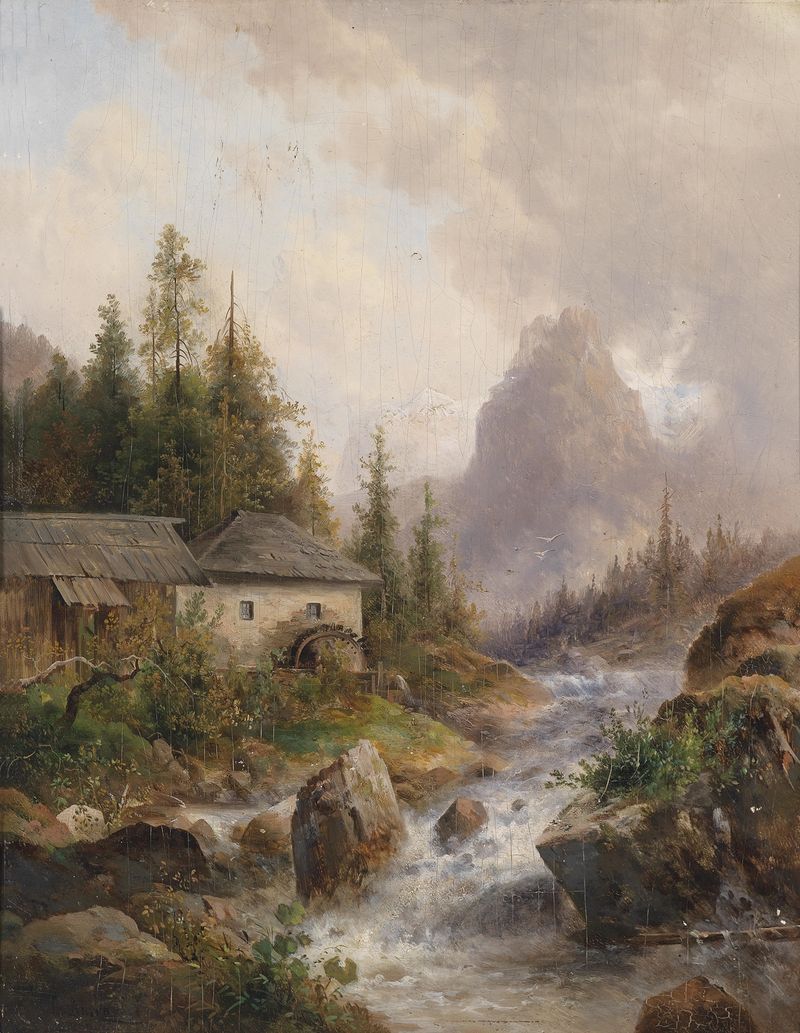
Mühle aus dem Hollthall
Emil Barbarini

Market before the Church of St. Charles, Vienna
Emil Barbarini

A flower market in Paris
Emil Barbarini

Der Haider See
Emil Barbarini
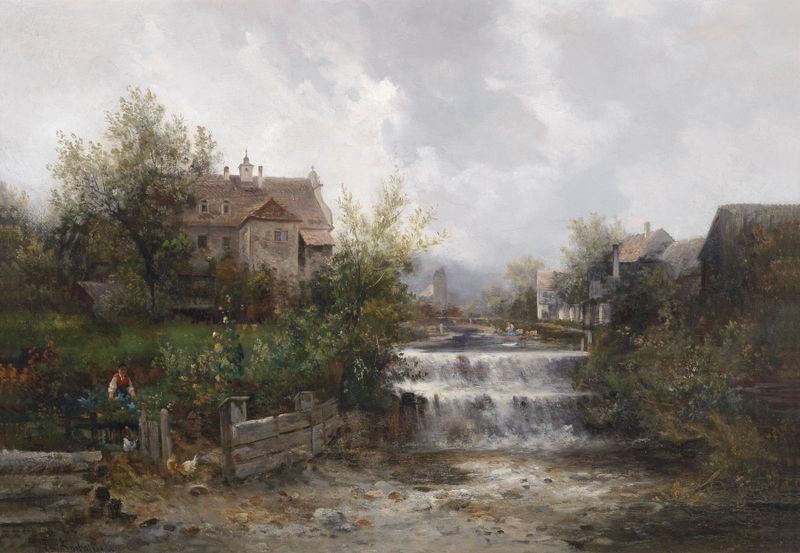
Motiv aus Zell an der Ybbs
Emil Barbarini
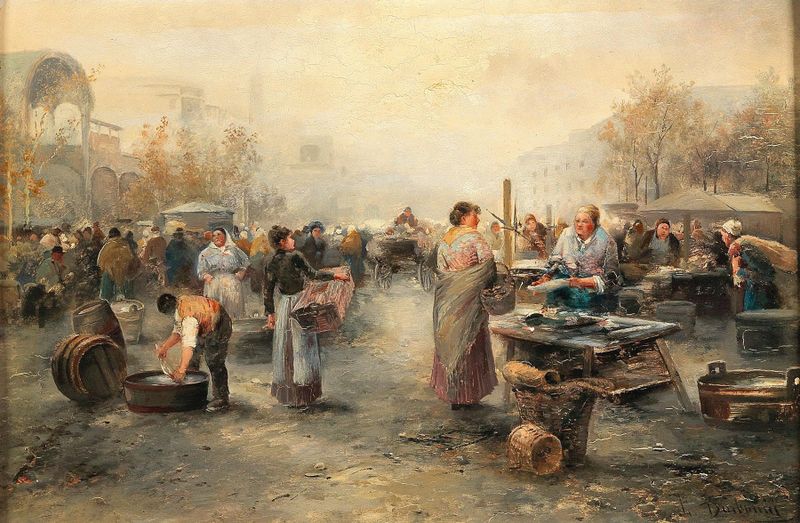
Fish Market
Emil Barbarini
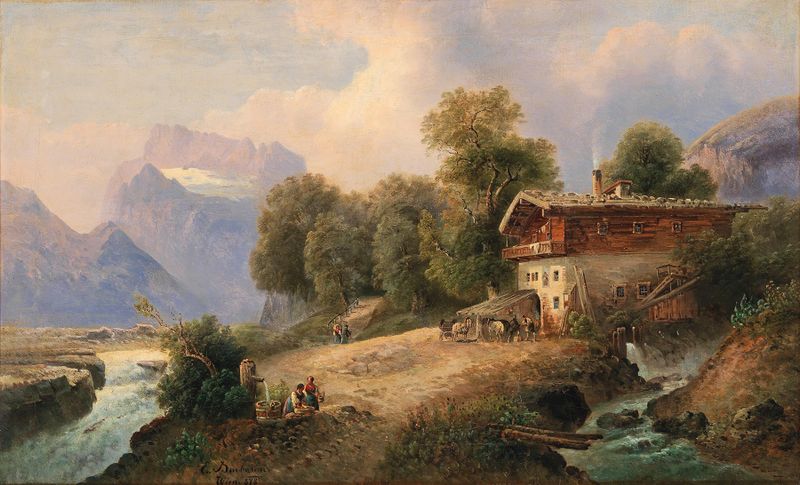
Bei Berchtesgaden
Emil Barbarini

Farmers with cattle
Emil Barbarini

Motiv von der Westerschelde
Emil Barbarini





