Fish Market — History & Facts
Where does light end, and longing begin? In the heart of chaos, emptiness and abundance collide, echoing the tumult of human desire amidst the mundane. Focus on the vibrant hues splashed across the canvas, where reds and blues dance with a frenetic energy. The lines blur and twist, creating an almost dizzying effect. Notice how the chaotic brushwork captures the essence of movement, the rush of a market alive with the chatter of vendors and customers, where each stroke feels like a heartbeat that quickens the atmosphere. Within this frenetic scene lies a delicate tension—between the abundance of fish and the emptiness of the space they inhabit.
The juxtaposition of vibrant colors against darker undertones speaks to the fleeting nature of desire and consumption. A solitary fish lies practically untouched in the midst of the bustling market, symbolizing the isolation that can exist in the crowd. This chaos doesn't just represent the market itself; it reflects the intricate dance of life and longing, where what we seek is often just out of reach. Emil Barbarini created this work during a period of artistic exploration that reflected the everyday life of his surroundings.
Active in the late 19th and early 20th centuries, he was part of the broader movement that sought to capture the vibrancy of urban life, mirroring the rapid changes happening in society. At this time, artists were increasingly drawn to the dynamics of modernity, where traditional subjects began to dissolve into the complexities of contemporary existence.
More Artworks by Emil Barbarini
Browse all →
Blick auf den Dobratsch
Emil Barbarini
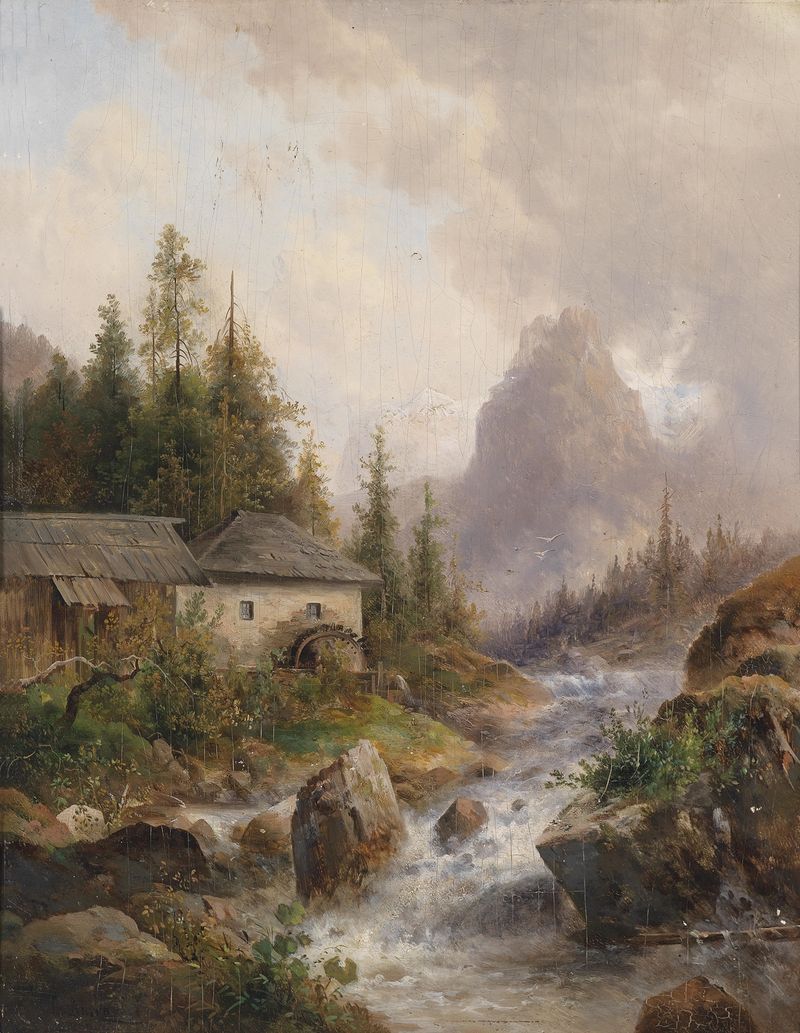
Mühle aus dem Hollthall
Emil Barbarini

Market before the Church of St. Charles, Vienna
Emil Barbarini

A flower market in Paris
Emil Barbarini

Der Haider See
Emil Barbarini
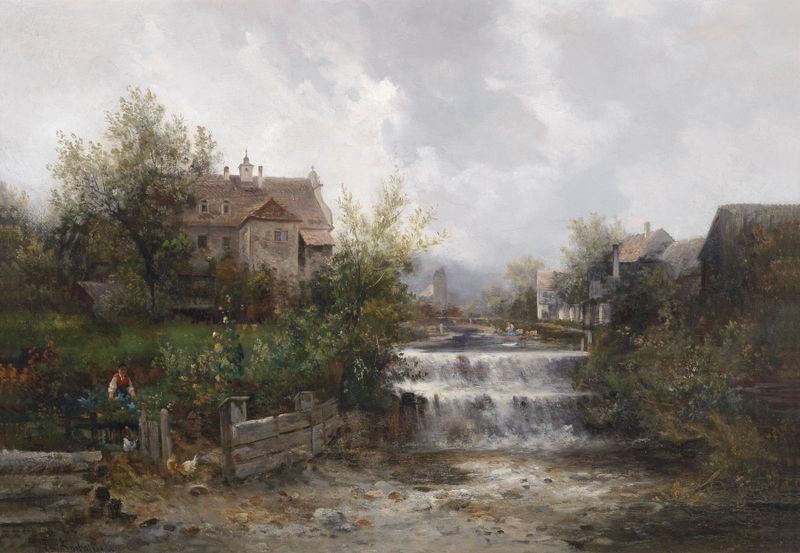
Motiv aus Zell an der Ybbs
Emil Barbarini

On the boulevard
Emil Barbarini
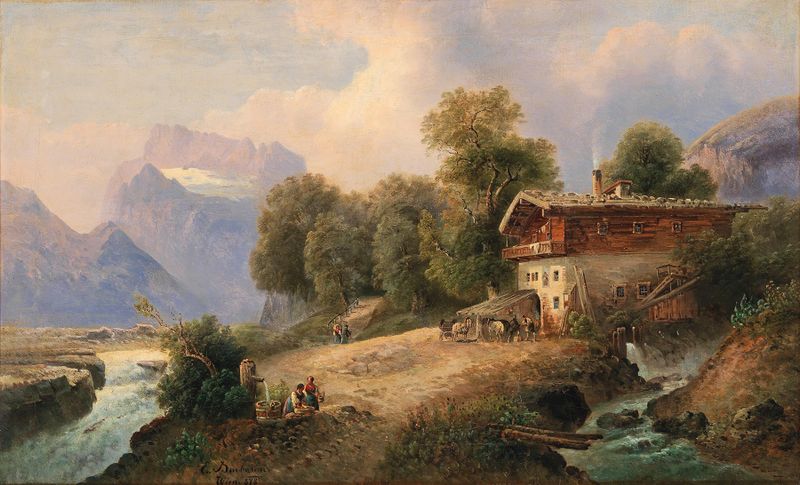
Bei Berchtesgaden
Emil Barbarini

Farmers with cattle
Emil Barbarini

Motiv von der Westerschelde
Emil Barbarini