
Der Turm — History & Facts
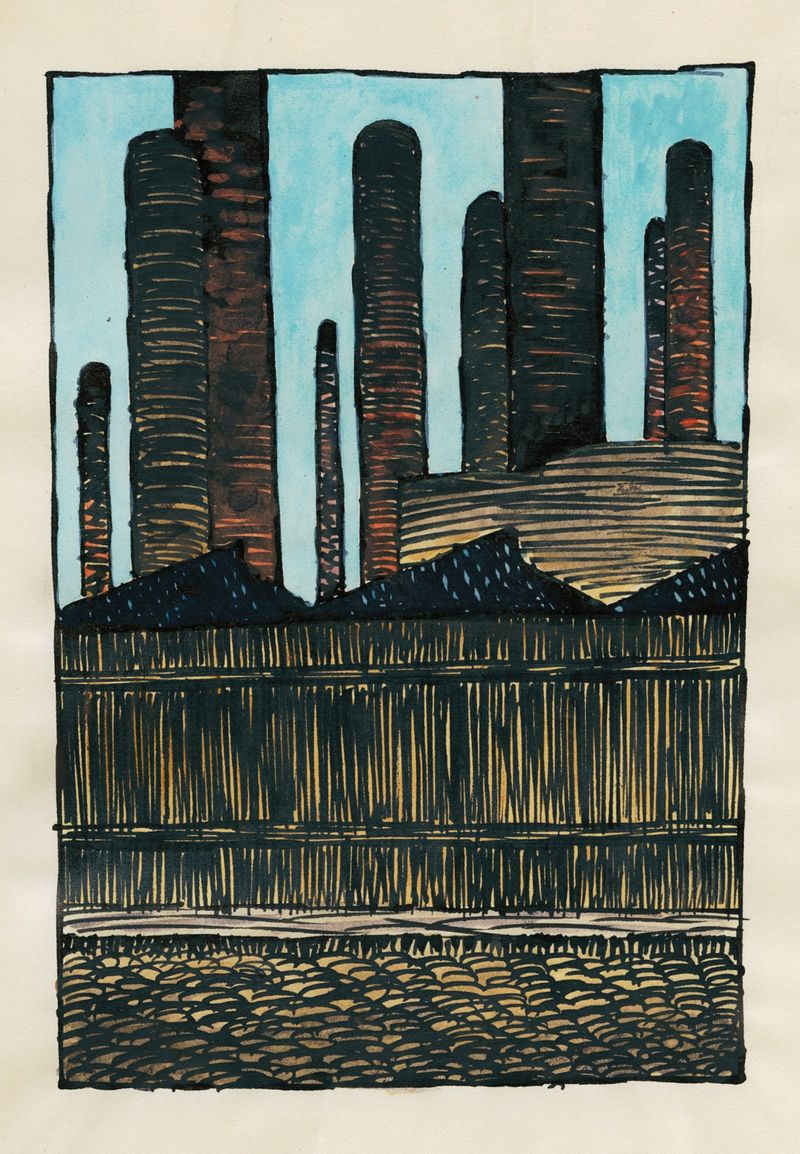
Could a single brushstroke hold eternity? In Der Turm, the interplay of shadow and form captures the very essence of time suspended, as if each stroke whispers secrets of the past. Look to the center of the canvas, where a towering structure rises against a stormy sky, intricately rendered in shades of grey and black. The tower, bold and imposing, dominates the scene, yet it is the delicate tendrils of shadow that breathe life into the composition. Notice how the brushstrokes converge and diverge, creating a rhythmic pulse that draws your gaze upward, evoking both strength and fragility.
The interplay of light and dark illustrates an interplay of hope and despair, creating a visual tension that resonates deeply. Within the shadows lies an emotional depth, hinting at the stifled memories and lost stories of those who may have witnessed the tower's ascent. The stark contrast between the illuminated sections and the enveloping darkness evokes a sense of isolation, challenging the viewer to grapple with the duality of existence—light and shadow, triumph and loss. Each detail, from the rough texture of the tower's surface to the subtle nuances of the fading light, suggests an unspoken narrative waiting to be explored. In 1939, Karl Wiener painted Der Turm during a tumultuous time in Europe, as the world was on the brink of war.
Living in Germany, he confronted the rising tide of political unrest, which profoundly influenced his artistic vision. The painting reflects a moment of introspection amidst chaos, embodying both the artistic struggle and the societal turmoil of the era.
More Artworks by Karl Wiener
Browse all →
Österreich
Karl Wiener

Vorstadt VII
Karl Wiener

Ohne Titel (Häuser mit Holzscheune)
Karl Wiener

Kopfstudie, aus; ‘Profile’, 10 Blätter, Graz XV
Karl Wiener

Steinberg
Karl Wiener
Kopfstudie, aus; ‘Profile’, 10 Blätter, Graz XIV
Karl Wiener

Ohne Titel (Bauernhaus mit Vorgarten)
Karl Wiener
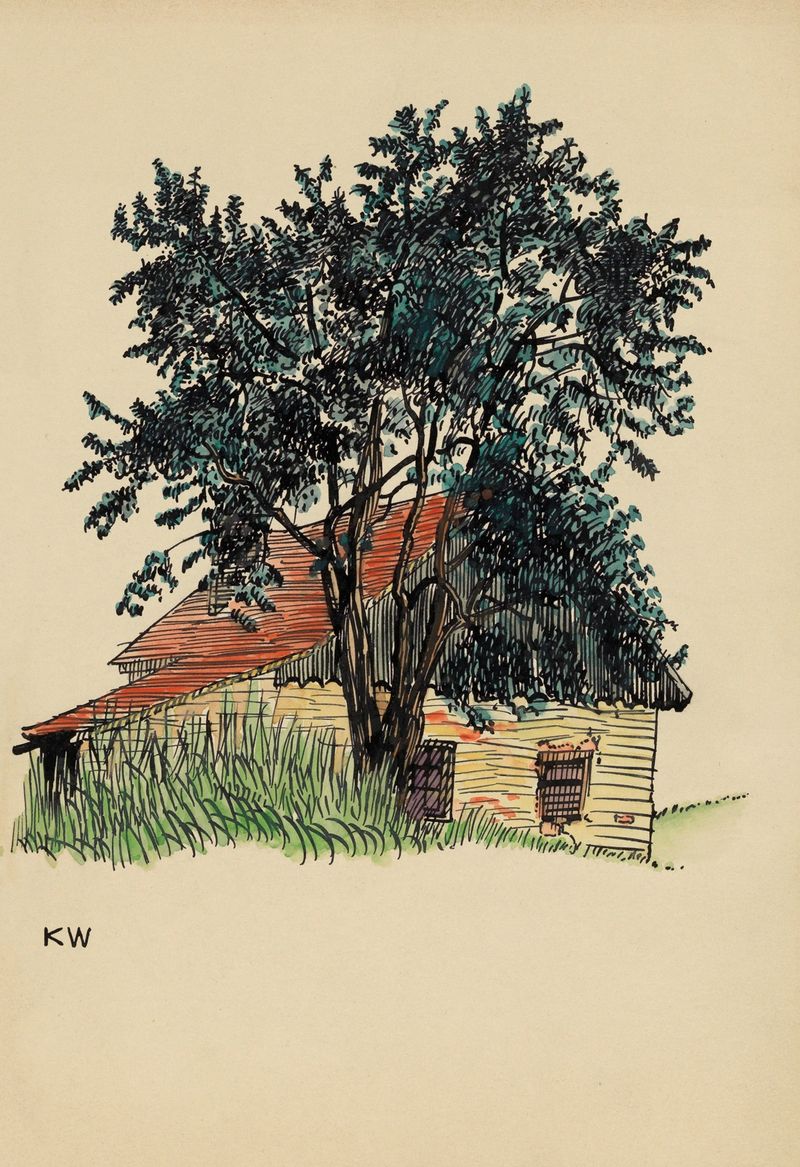
Ohne Titel (Bauernhaus)
Karl Wiener
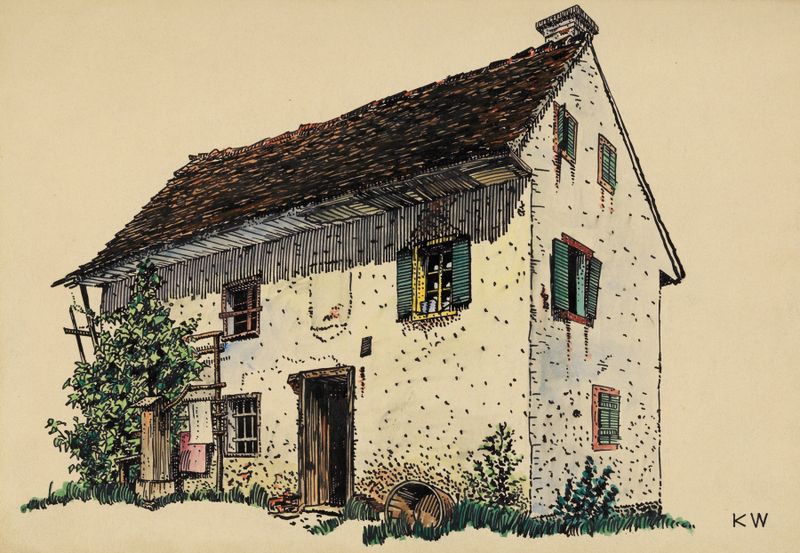
Ohne Titel (Bauernhaus)
Karl Wiener
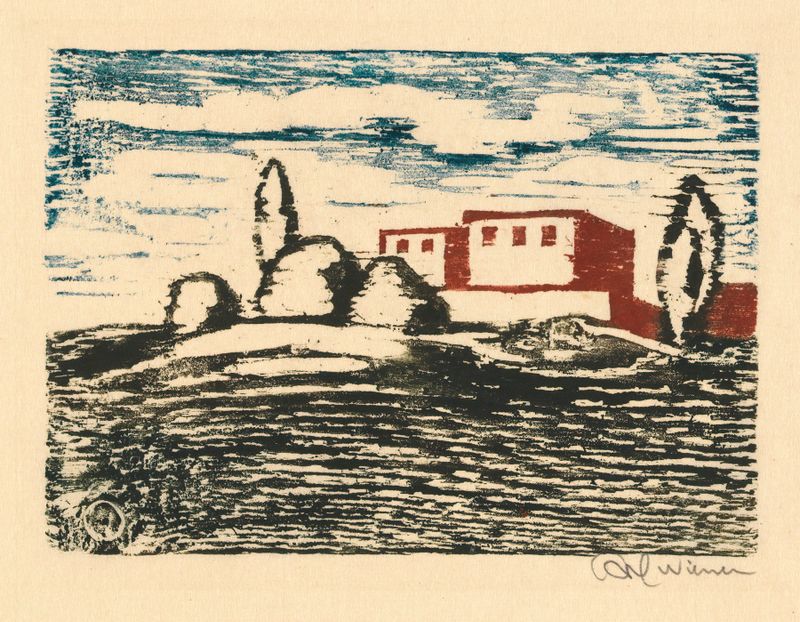
Ohne Titel (Haus in Landschaft)
Karl Wiener
More Architecture Art
Browse all →
The statue of Liberty
Frédéric Auguste Bartholdi

View of Houses in Delft, Known as ‘The Little Street’
Johannes Vermeer

View of Houses in Delft, Known as ‘The Little Street’
Johannes Vermeer

The Cathedral in Rouen. The portal, Grey Weather
Claude Monet

The yellow house
Vincent van Gogh

The Church in Auvers-sur-Oise, View from the Chevet
Vincent van Gogh