Steinberg — History & Facts
This sentiment echoes within the brushstrokes of a work that captures the raw essence of truth—unvarnished, stark, and hauntingly beautiful. Here, the viewer is beckoned into a private moment, revealing layers that unfold beyond the surface. Focus on the fragmented forms that dance across the canvas, a symphony of muted tones — whisper-soft grays, sepia, and hints of ochre. The composition guides your gaze through a labyrinth of shapes that suggest both confinement and liberation.
Notice how the painter’s deliberate use of shadow and light engages in a dialogue, creating a sense of depth that invites you to explore the unseen spaces within each figure’s essence. Yet, beneath these visual expressions lies an emotional undercurrent, a tension between isolation and connection. The figures, drawn with an almost skeletal precision, hint at a deeper truth about existence and the struggles that define it. Each stroke seems to resonate with the weight of unspoken memories, contrasting the vibrancy of life against the inevitability of fading into obscurity. Created in the early 1920s, this piece emerged during a significant period in the artist's life.
Living in a post-World War I world, Karl Wiener explored themes of disillusionment and identity, reflecting the broader context of societal upheaval. The art scene was transitioning, grappling with modernist ideas, and his work exemplified this shift, as he sought to capture the essence of human experience amidst chaos and change.
More Artworks by Karl Wiener
Browse all →
Österreich
Karl Wiener

Vorstadt VII
Karl Wiener

Der Turm
Karl Wiener

Ohne Titel (Häuser mit Holzscheune)
Karl Wiener

Kopfstudie, aus; ‘Profile’, 10 Blätter, Graz XV
Karl Wiener
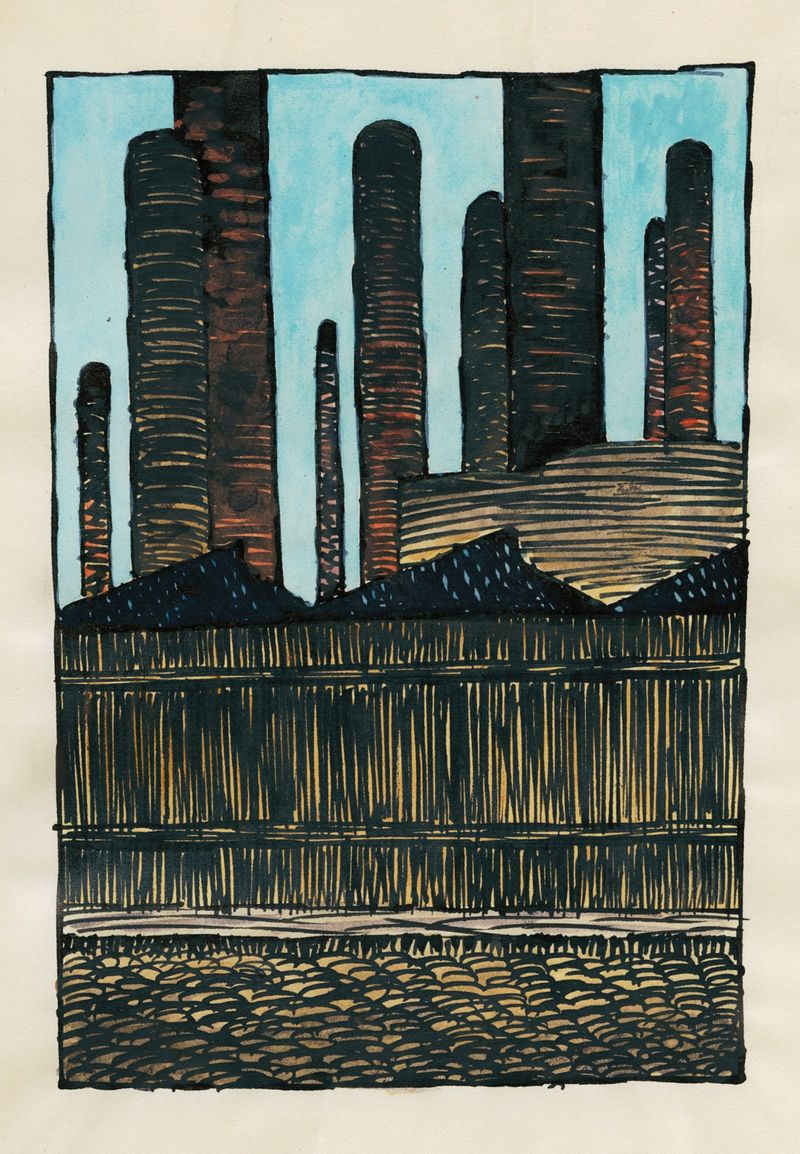
Kopfstudie, aus; ‘Profile’, 10 Blätter, Graz XIV
Karl Wiener

Ohne Titel (Bauernhaus mit Vorgarten)
Karl Wiener
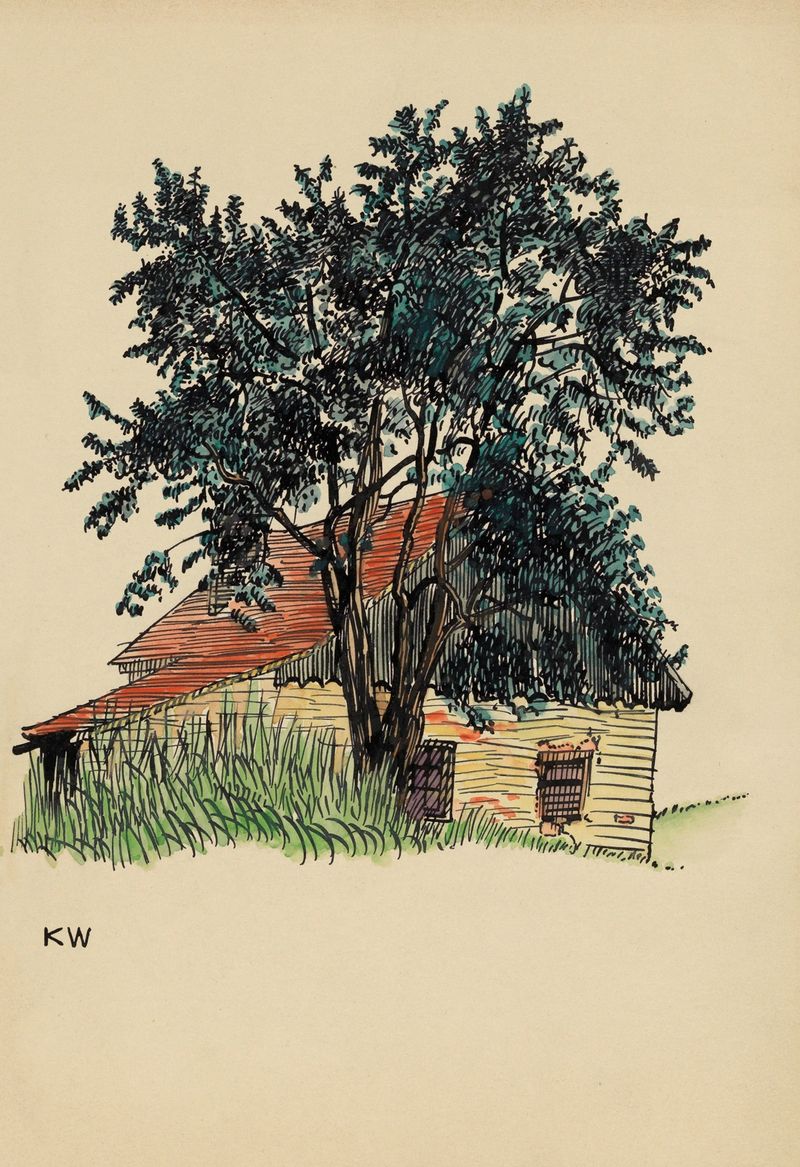
Ohne Titel (Bauernhaus)
Karl Wiener
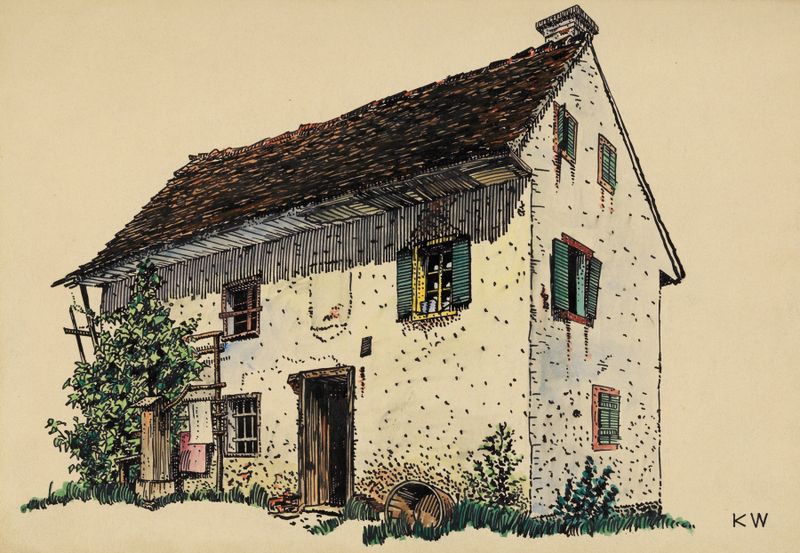
Ohne Titel (Bauernhaus)
Karl Wiener
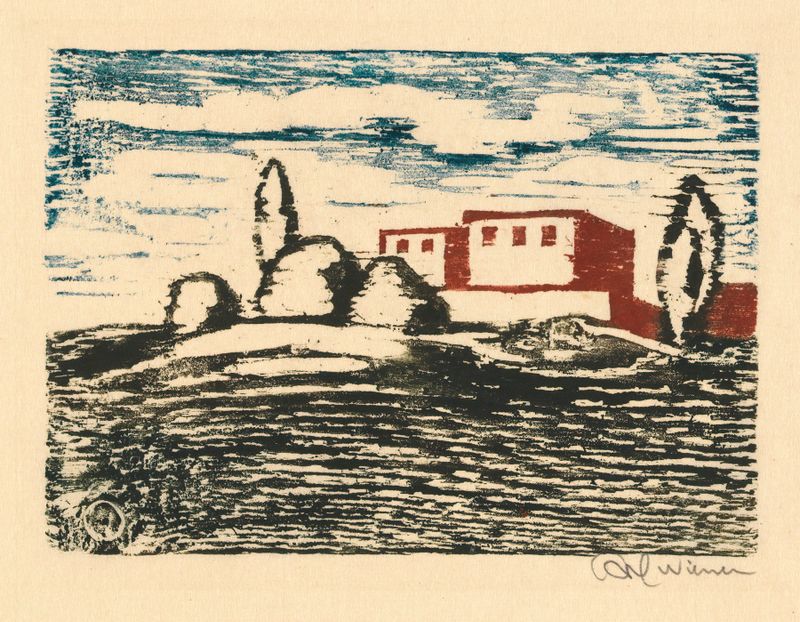
Ohne Titel (Haus in Landschaft)
Karl Wiener