Österreich — History & Facts
This echoes in the heart upon viewing the artwork, evoking a profound sense of isolation entwined with splendor. As you gaze into the piece, your eyes are drawn to the sweeping curves and sharp angles that form a landscape of duality. Notice how the gold leaf glimmers across the canvas, juxtaposed against darker hues that recede into shadow. The composition is meticulously balanced, inviting you to explore each layer, revealing a narrative woven from both light and dark.
The artist’s use of texture creates a tactile sensation, as if the pain and beauty were pressed into the very fabric of the work. Hidden within the ornate beauty lies a deep emotional tension. The rich gold signifies hope and aspiration, while the shadowy elements whisper of despair and loneliness. Look closely at the delicate brushstrokes; they seem to flutter with the weight of unspoken stories, hinting at a longing for connection amidst vast emptiness.
This interplay of vibrancy and void resonates deeply, encapsulating the complex relationship between beauty and solitude. Created around 1943, during a tumultuous period in Europe, this work reflects the turmoil of its time. Karl Wiener painted Österreich while grappling with the impact of World War II and the oppressive atmosphere surrounding artistic expression. This period marked a loss of freedom, making his exploration of loneliness all the more poignant as the world strained under the weight of conflict, leaving beauty as both a refuge and a reminder of what was lost.
More Artworks by Karl Wiener
Browse all →
Vorstadt VII
Karl Wiener

Der Turm
Karl Wiener

Ohne Titel (Häuser mit Holzscheune)
Karl Wiener

Kopfstudie, aus; ‘Profile’, 10 Blätter, Graz XV
Karl Wiener

Steinberg
Karl Wiener
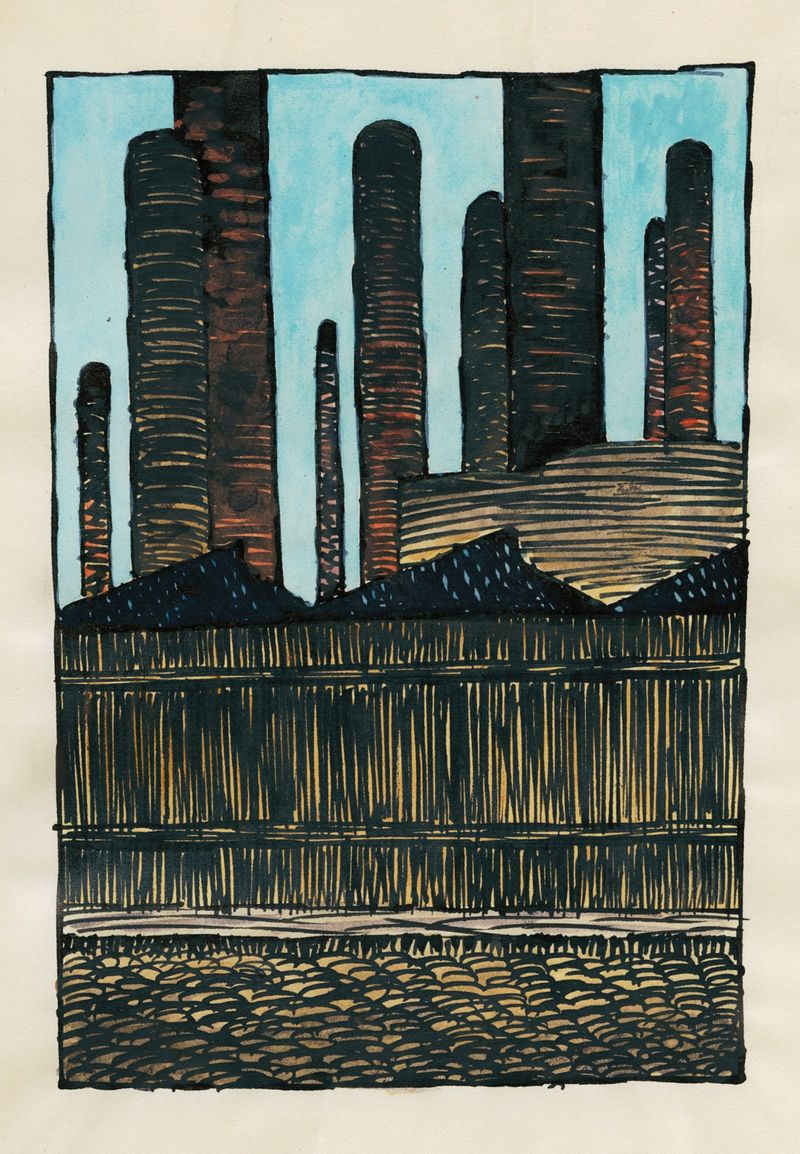
Kopfstudie, aus; ‘Profile’, 10 Blätter, Graz XIV
Karl Wiener

Ohne Titel (Bauernhaus mit Vorgarten)
Karl Wiener
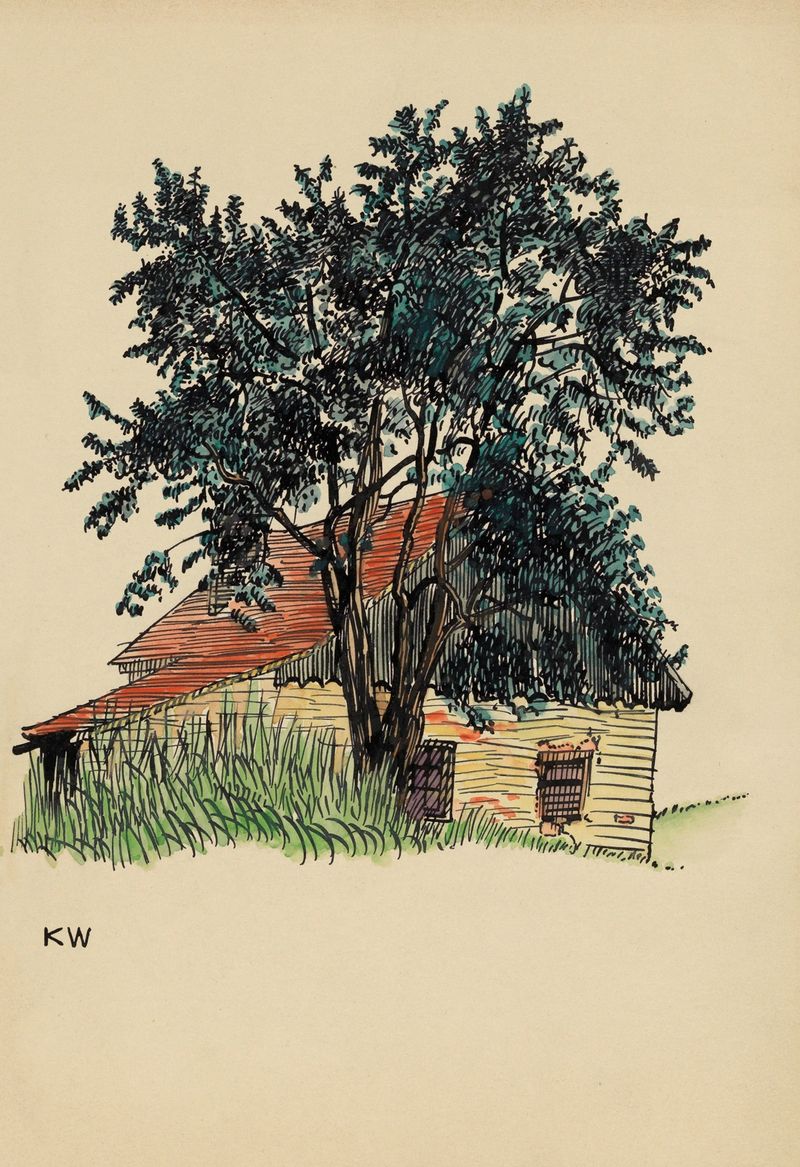
Ohne Titel (Bauernhaus)
Karl Wiener
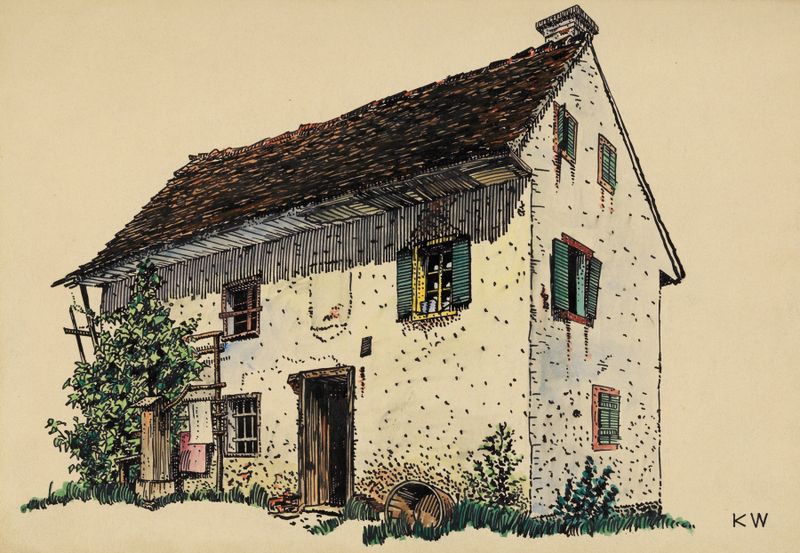
Ohne Titel (Bauernhaus)
Karl Wiener
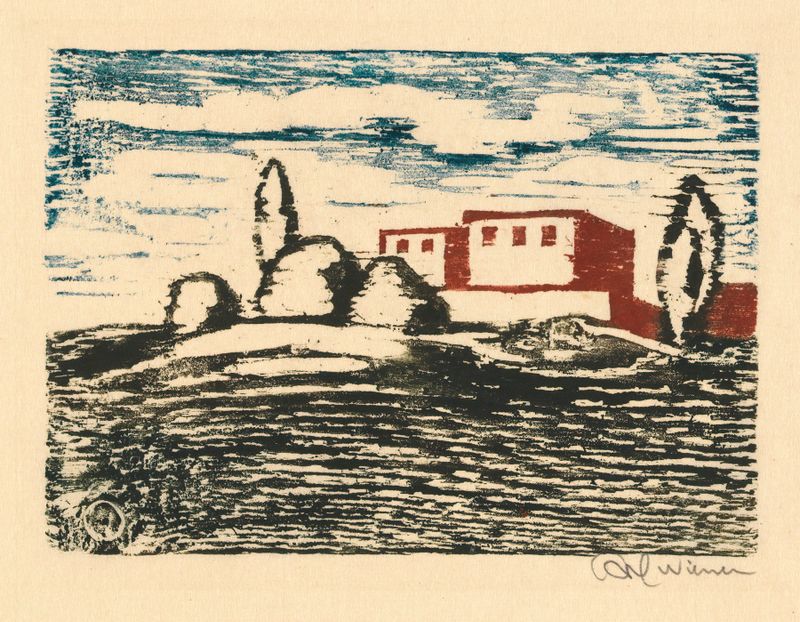
Ohne Titel (Haus in Landschaft)
Karl Wiener