Descanso em meu jardim — History & Facts
Did the painter know this moment would outlive them? In Descanso em meu jardim, the essence of tranquility is encapsulated with a reverent awe, inviting viewers to step into a world where nature and repose intertwine. Look to the center of the canvas, where a solitary figure rests on a verdant lawn, surrounded by a symphony of flowers. The masterful interplay of light and shadow breathes life into the scene, enhancing the rich hues of greens and the vibrant bursts of color from the blossoms. Notice how the soft brushwork conveys the gentle sway of petals in a breeze, while the delicate play of sunlight dapples the figure, emphasizing a moment of serene solitude. In this seemingly calm oasis, contrasts emerge—the stillness of the figure against the lively vibrancy of nature.
The flowers represent fleeting moments, each petal a whisper of transience, while the restfulness of the figure speaks to an enduring peace found amidst chaos. This juxtaposition invites contemplation on the relationship between humanity and the surrounding world, pondering how we often seek refuge in nature’s embrace, even as time relentlessly marches on. Eliseu Visconti painted Descanso em meu jardim in 1938, during a period marked by personal and artistic introspection. Living in Brazil, he was influenced by the rise of modernism and a growing appreciation for local themes in art.
This work reflects both his deep connection to the natural world and a broader cultural shift toward embracing the beauty of everyday life.
More Artworks by Eliseu Visconti

Retrato de José da Silva Brandão
Eliseu Visconti

Dorso de mulher
Eliseu Visconti
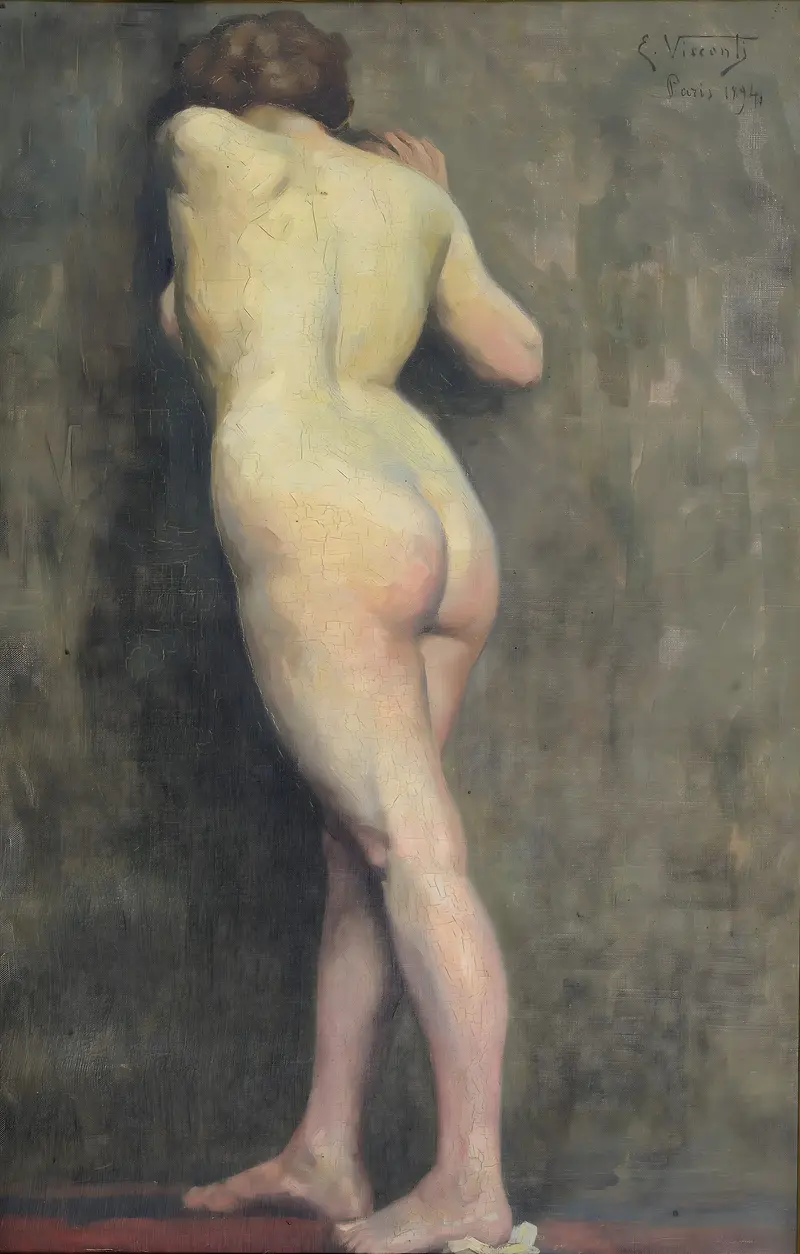
Nu feminino de costas
Eliseu Visconti
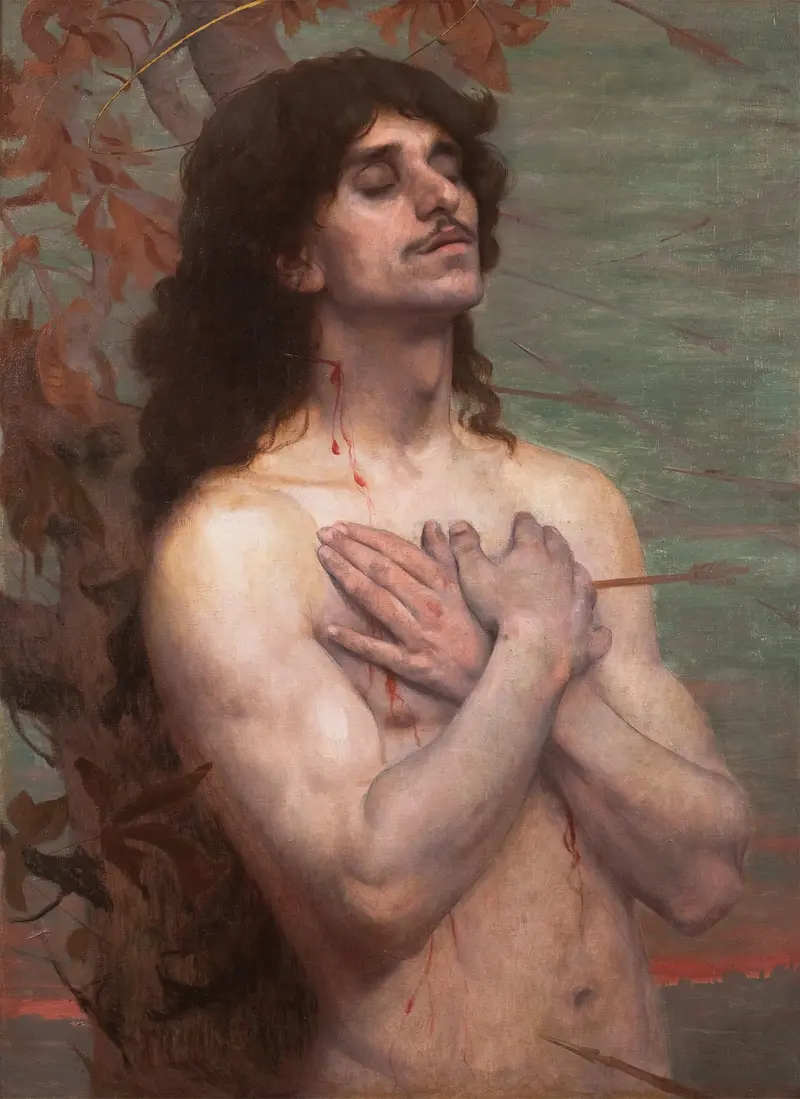
São Sebastião – Estudo para “Recompensa de São Sebastião”
Eliseu Visconti
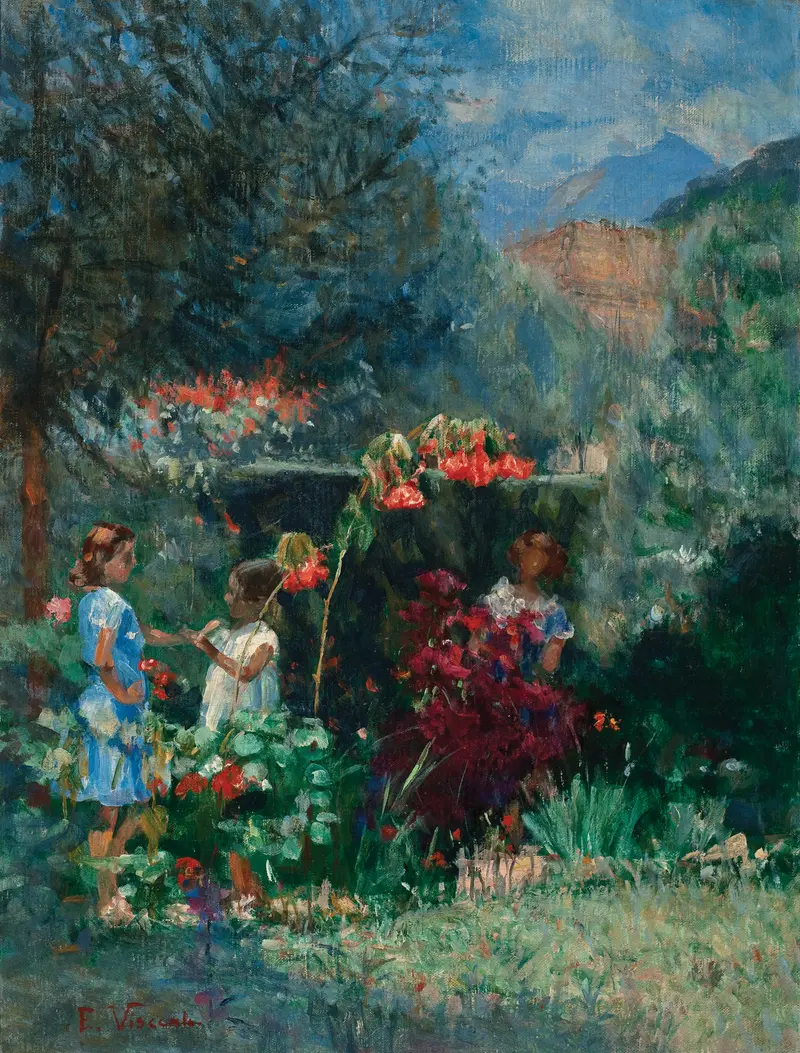
Três meninas no jardim
Eliseu Visconti
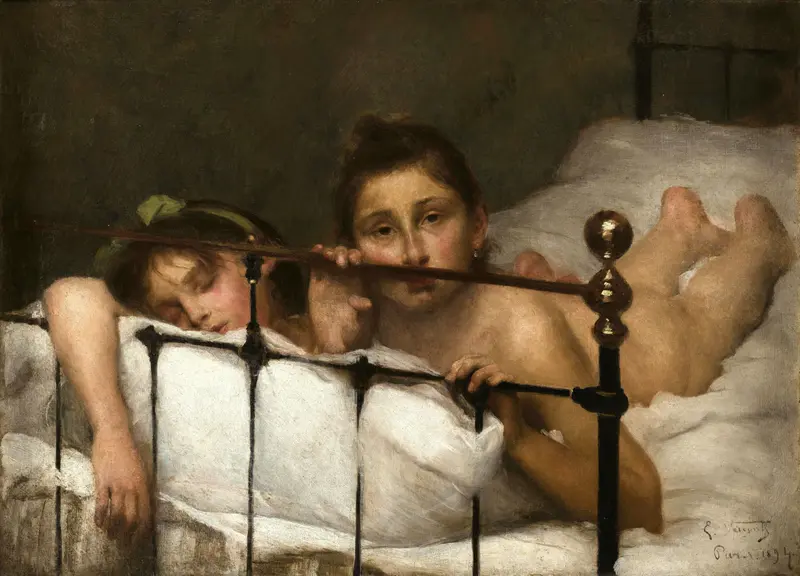
The two sisters or In summer
Eliseu Visconti
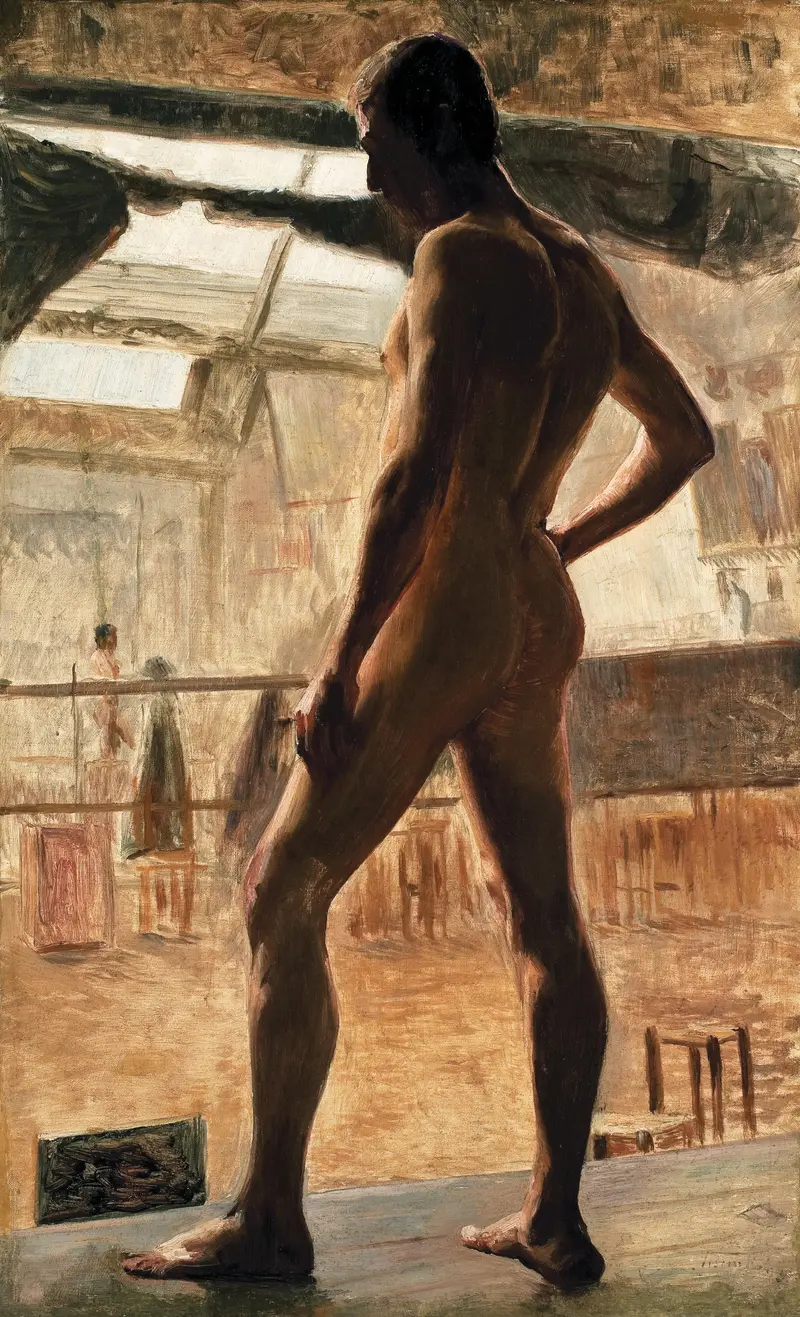
Nu masculino
Eliseu Visconti
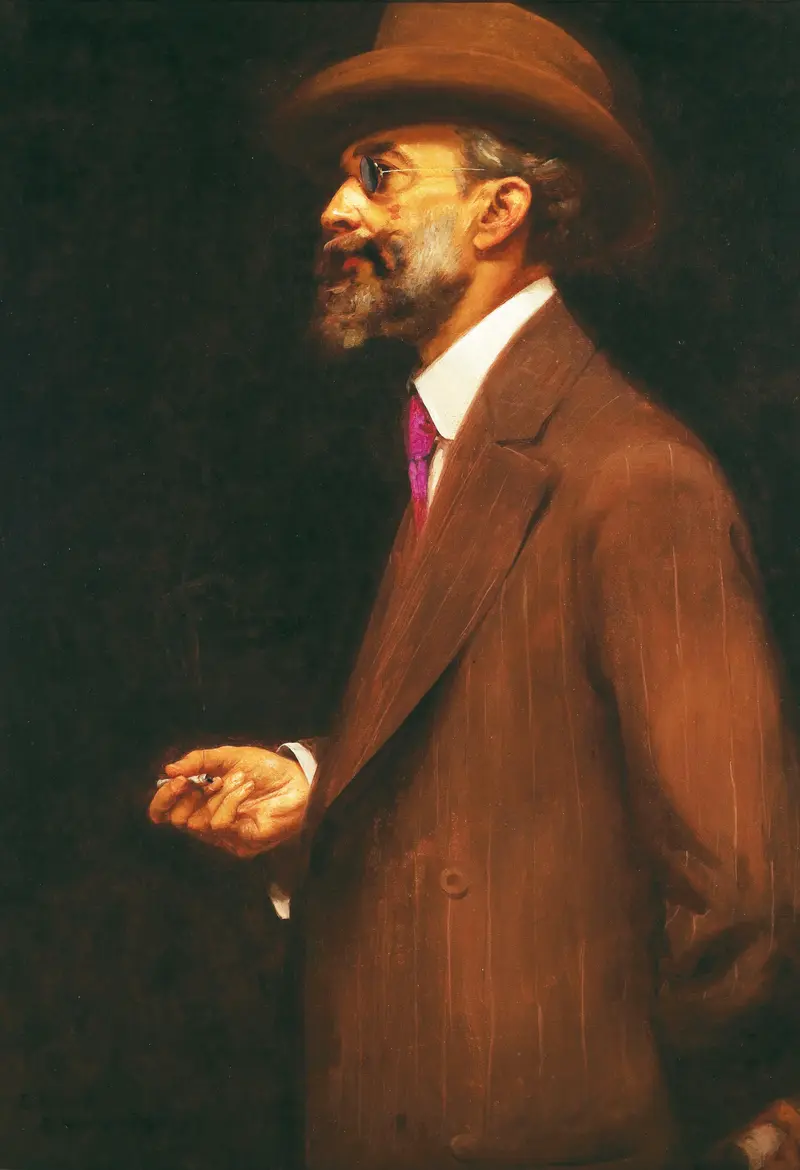
Retrato de Gonzaga Duque
Eliseu Visconti
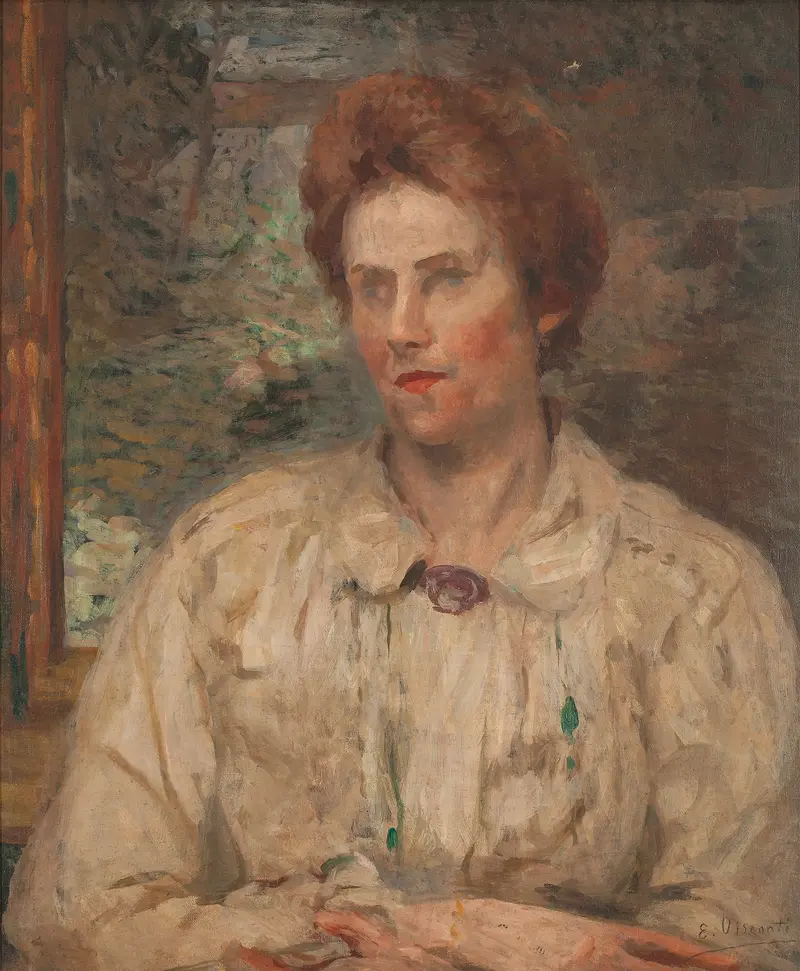
Retrato de Louise
Eliseu Visconti
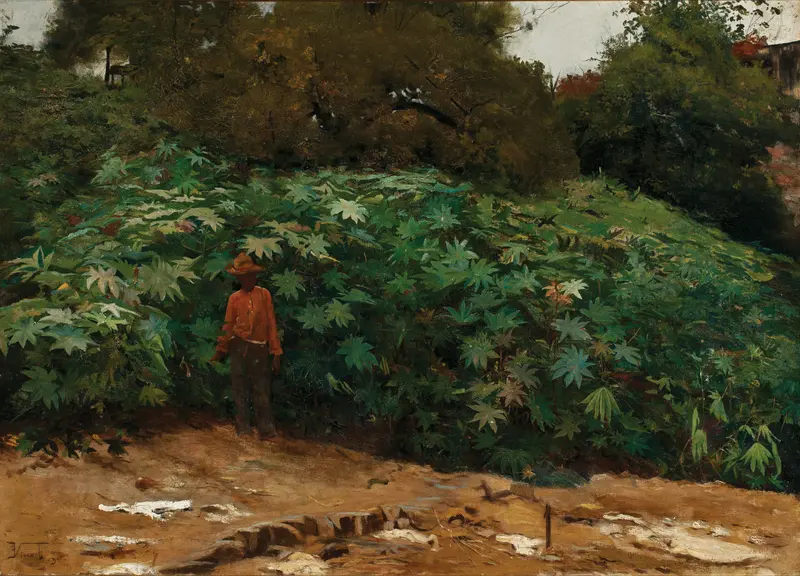
Mamoneiras – Morro de São Bento
Eliseu Visconti