
Mamoneiras – Morro de São Bento — History & Facts
In a dreamlike state, we are beckoned to explore the delicate balance of reality and imagination. Start by focusing on the vivid greens and soft blues that bleed into one another, drawing the viewer into a lush, verdant landscape. Notice how the trees, draped in shadow and light, frame the delicate flow of the river that winds like a silver ribbon through the scene. The artist’s brushwork creates a sense of gentle movement, as if the leaves are whispering secrets and the water is contemplating its own reflection. Beneath the surface of this tranquil tableau lies a tension between the vibrant life of nature and the lingering stillness of a moment frozen in time.
The scattered clouds hint at an impending rain, suggesting a brief disruption to this serene interaction, while the distant mountains loom like guardians of the intimate scene below. Here, the rich palette not only captures the essence of a Brazilian landscape but also evokes a sense of yearning and nostalgia that speaks to the human experience. Eliseu Visconti painted Mamoneiras – Morro de São Bento in 1890, during a period of significant artistic exploration in Brazil, as he sought to blend European techniques with local themes. Living in Paris and influenced by the Impressionist movement, Visconti strived to capture the beauty of his homeland with a fresh perspective, all while grappling with the transition of Brazilian art from colonial influences to a burgeoning national identity.
This work encapsulates that journey.
More Artworks by Eliseu Visconti
Browse all →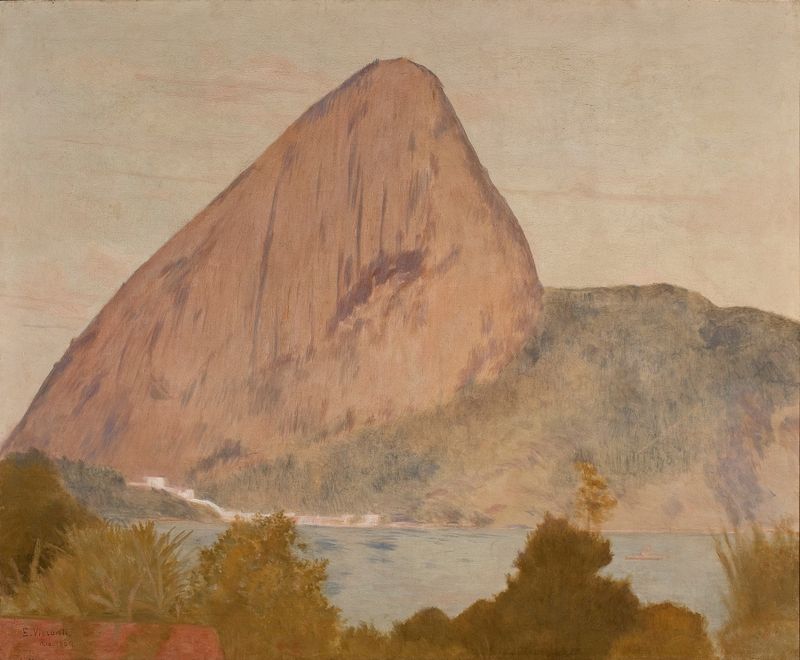
Marina com Pão de Açúcar
Eliseu Visconti

O batismo da boneca
Eliseu Visconti
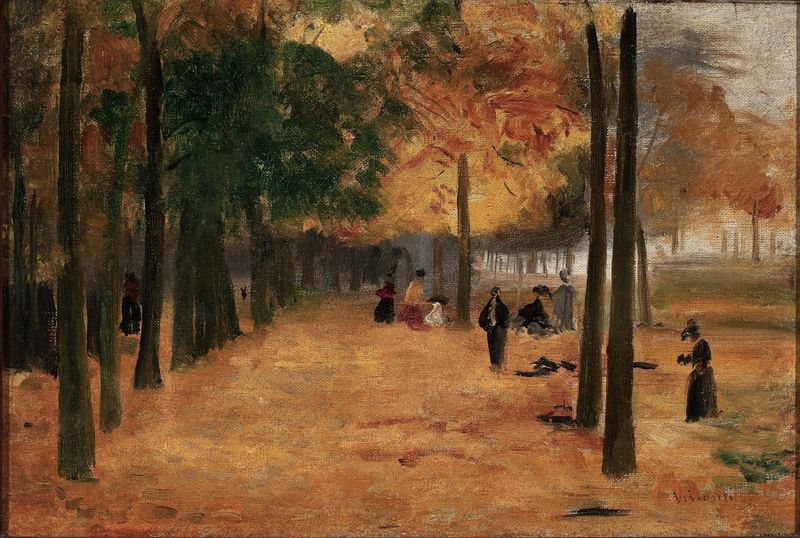
Canto de Luxemburgo (Outono)
Eliseu Visconti
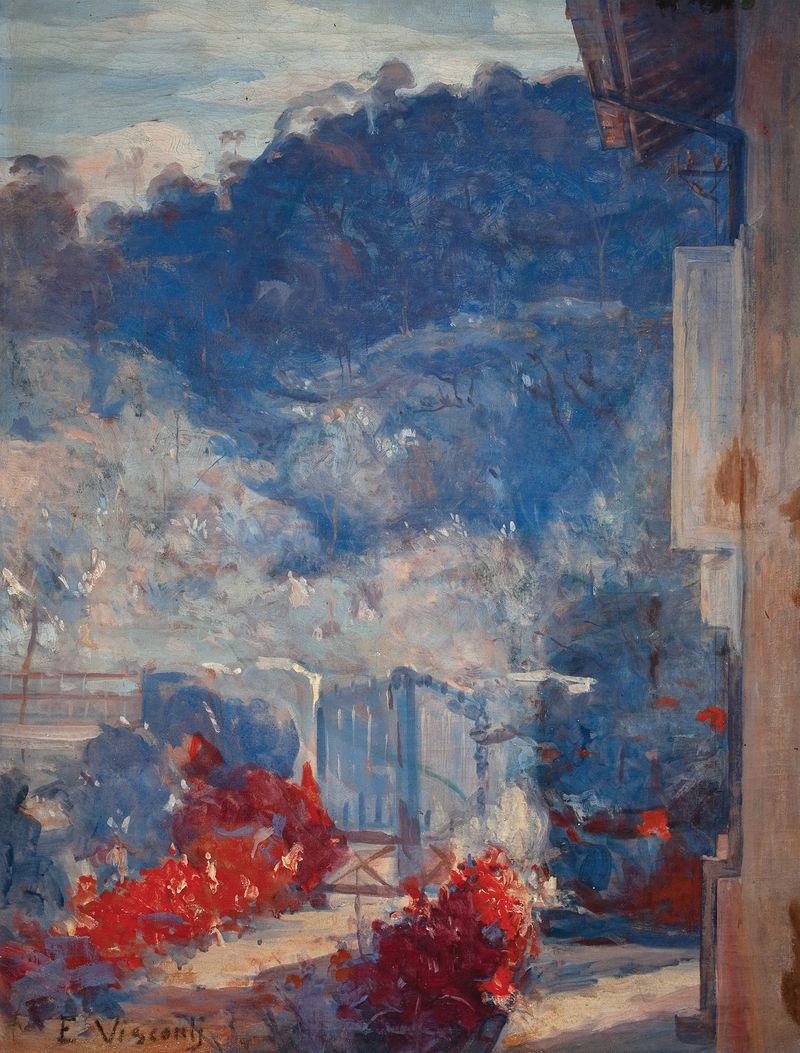
Raios de sol
Eliseu Visconti
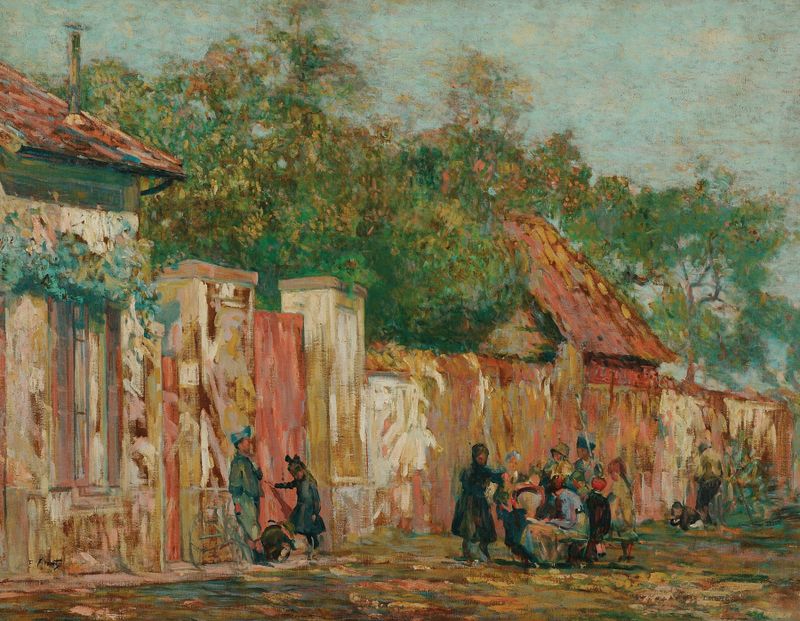
Tarde em Saint Hubert
Eliseu Visconti

Efeito matinal
Eliseu Visconti
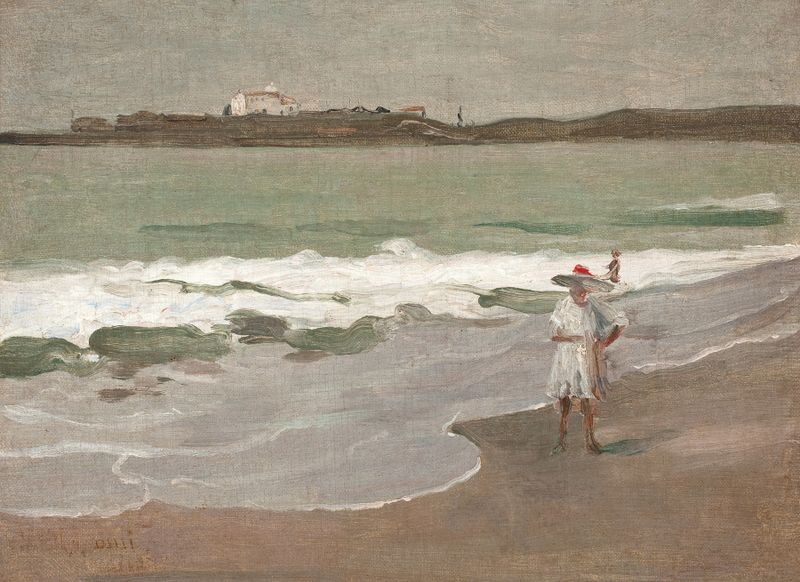
A Igrejinha (Copacabana)
Eliseu Visconti

A caminho da escola
Eliseu Visconti

Flores da rua
Eliseu Visconti
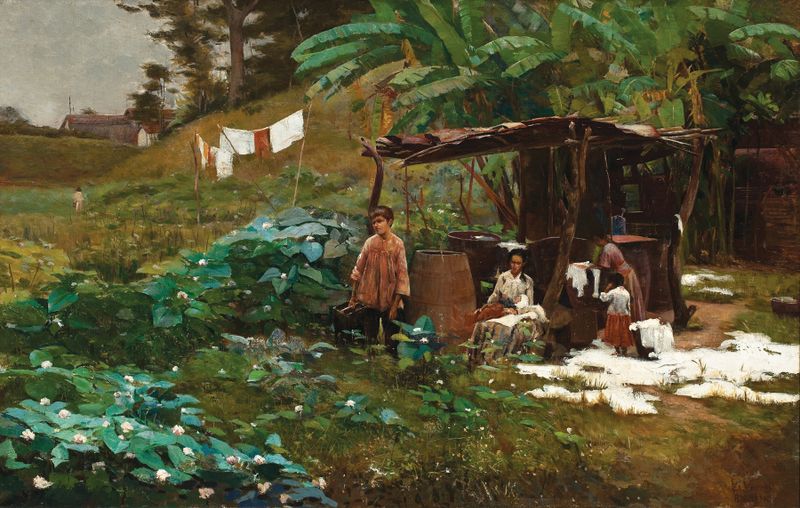
As lavadeiras
Eliseu Visconti





