
Desert near Damascus. From the journey to Palestine — History & Facts
In the vast emptiness of a desert landscape, a haunting sense of loss lingers, echoing through the undulating sandy hills and distant horizons. It is a place where memories fade like footprints in the shifting dunes, leaving behind an indelible silence. Look toward the center of the canvas, where the pale, golden sands stretch infinitely, punctuated only by a few sparse, weathered shrubs. The warm hues of ochre and muted browns blend seamlessly, creating a sense of desolation that invites contemplation.
Notice how the horizon line blurs with the sky, a delicate play between earth and air, as soft clouds drift lazily overhead. This subtle gradient of colors captures the oppressive heat, yet hints at the beauty that persists even in solitude. Within this vast expanse, a tension arises between the barrenness of the landscape and the weight of history it holds. Each stroke seems to whisper stories of travelers who once passed through, their hopes and dreams swept away by the relentless winds.
The isolation depicted invites a reflection on the transient nature of life, suggesting that even in abandonment, there is an intrinsic beauty that speaks to those who have experienced loss. In 1901, while painting this evocative scene, Ciągliński was deeply engaged with explorations of the Middle East, a journey that influenced his artistic vision. At this time, the art world was shifting towards a fascination with realism and impressionism, and the artist's work reflects a blend of both. His canvas serves not just as a representation of a landscape, but as an emotional bridge connecting his experiences with the cultural narratives of the region.
More Artworks by Jan Ciągliński
Browse all →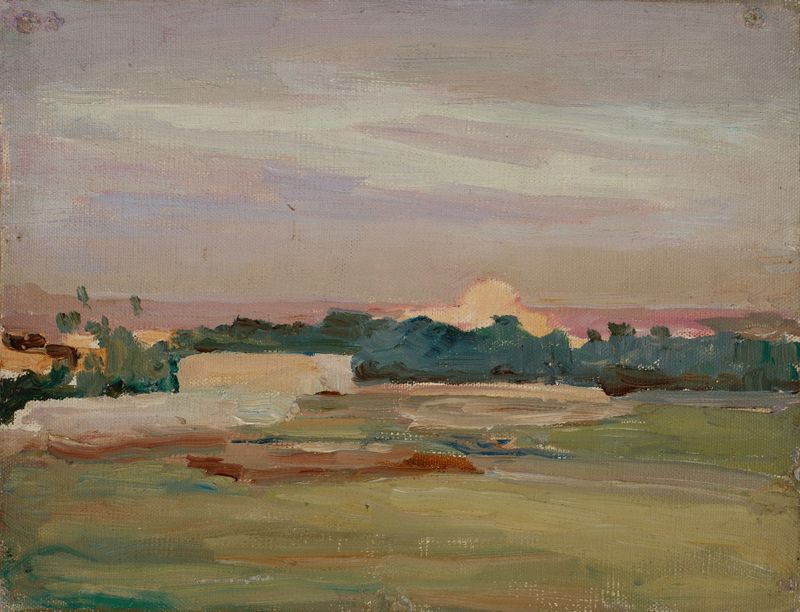
The Sirocco
Jan Ciągliński
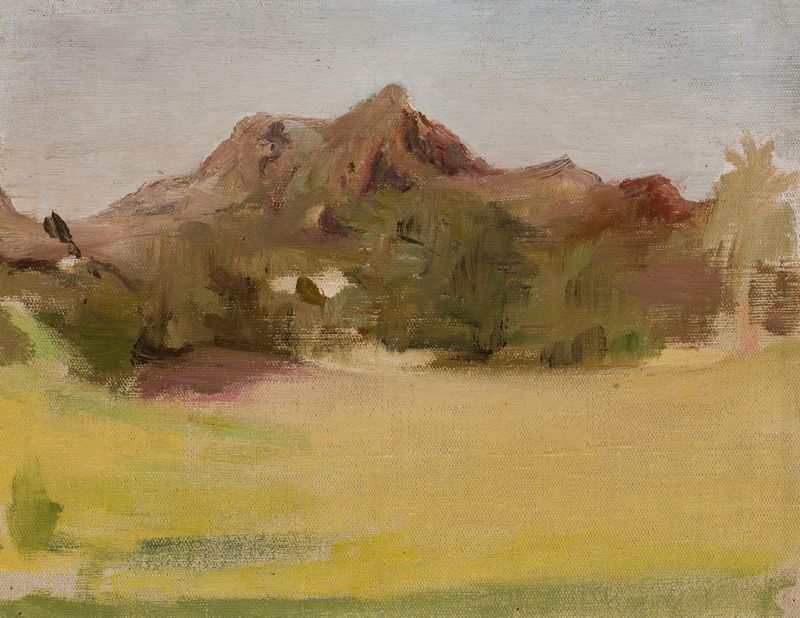
Mountain landscape. From the journey to India
Jan Ciągliński
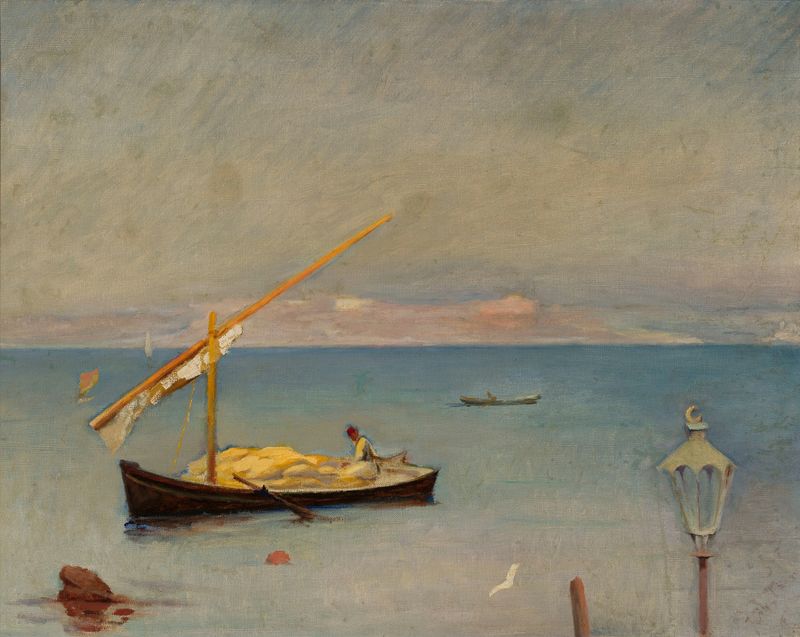
At Bosporus
Jan Ciągliński
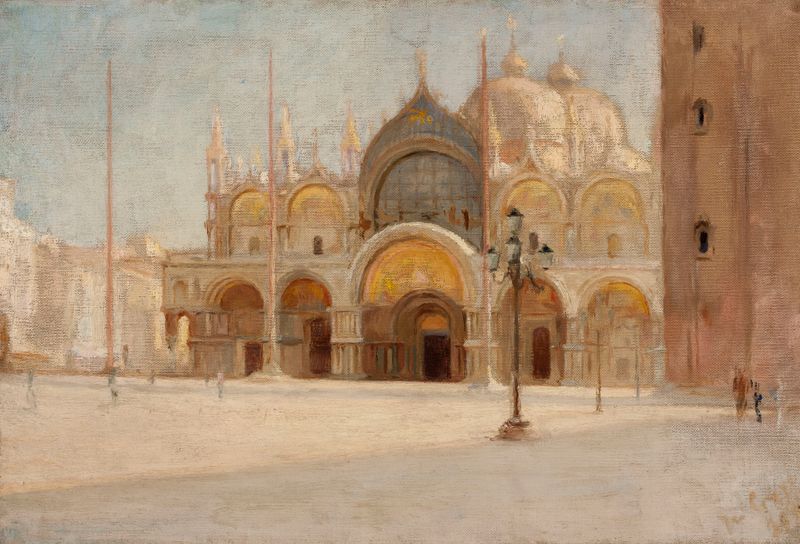
St Mark’s Square in Venice
Jan Ciągliński
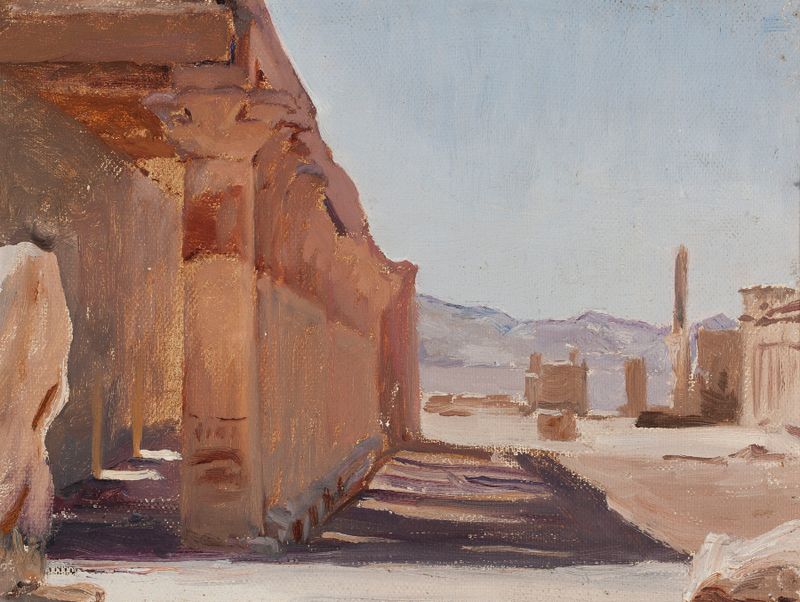
Temple. From the journey to Egypt
Jan Ciągliński
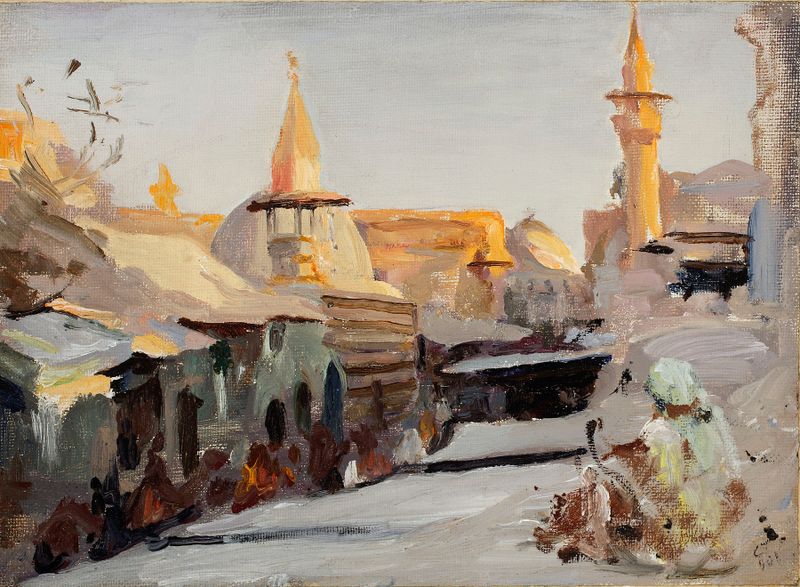
Street in Damascus. From the journey to Palestine
Jan Ciągliński
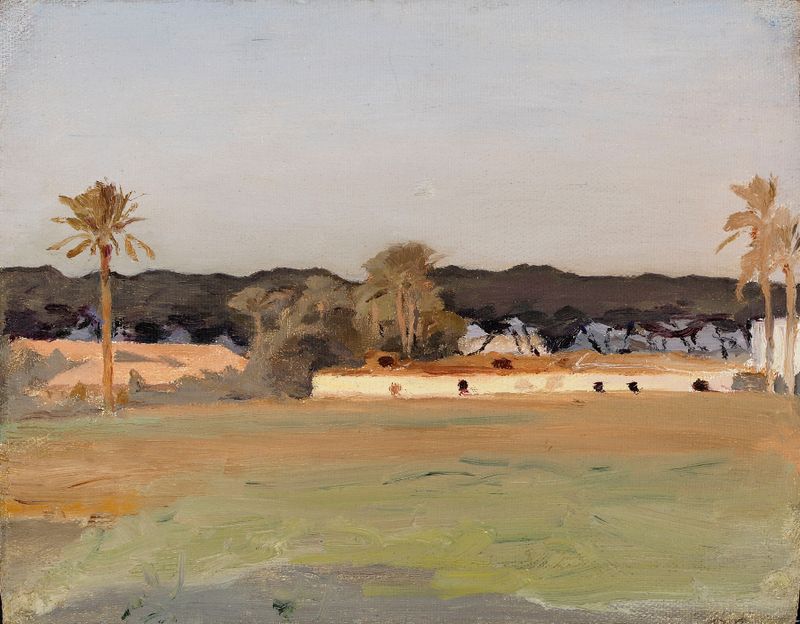
Evening. From the journey to Egypt
Jan Ciągliński
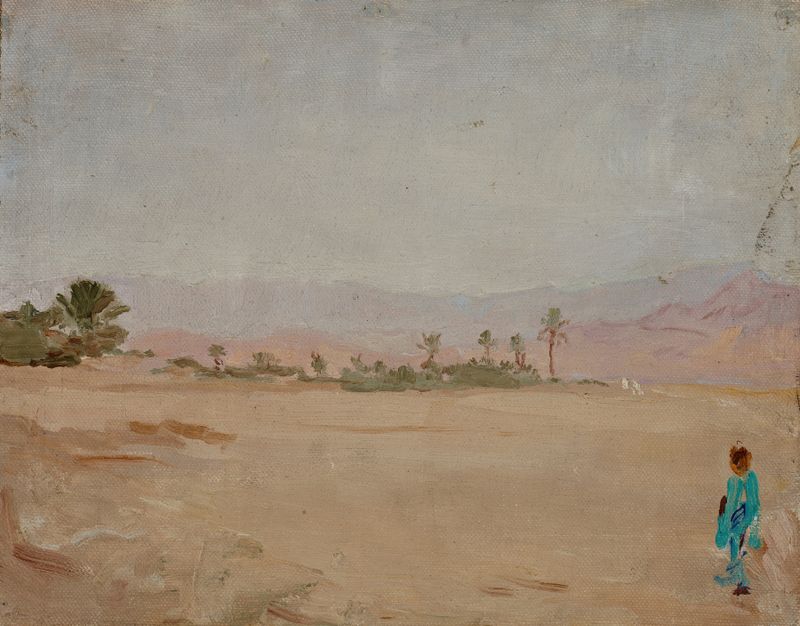
Sahara (Desert)
Jan Ciągliński
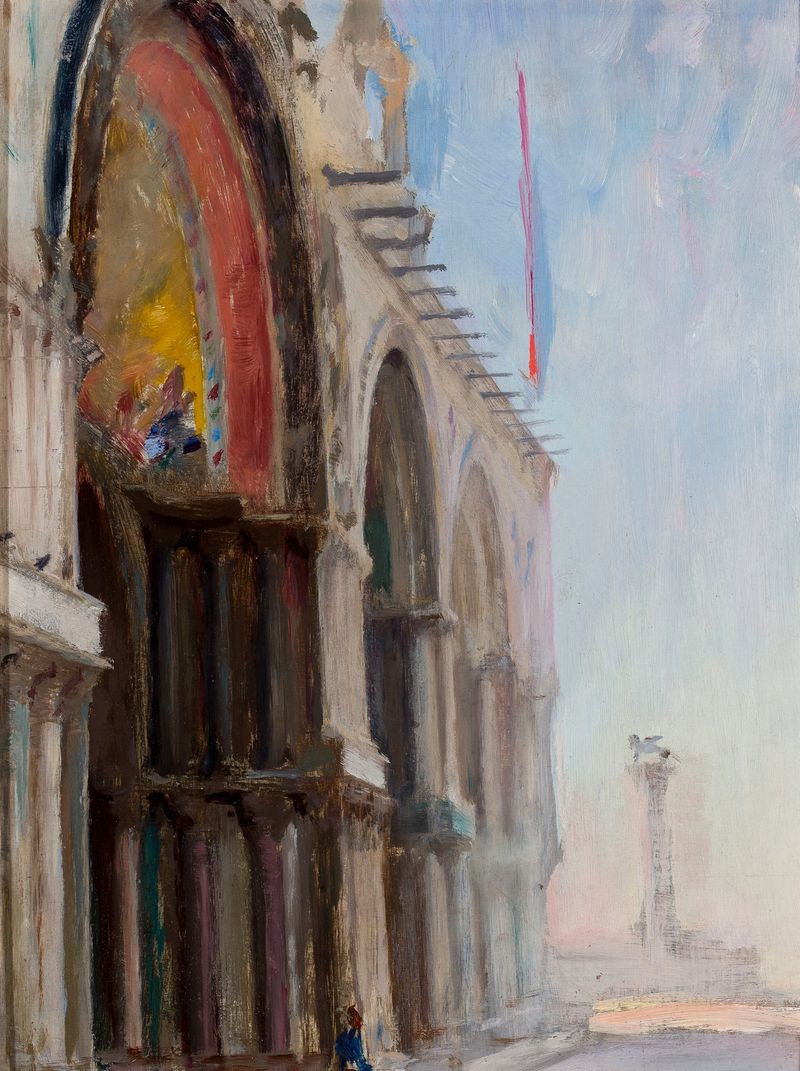
Venice – San Marco. From the journey to Italy
Jan Ciągliński
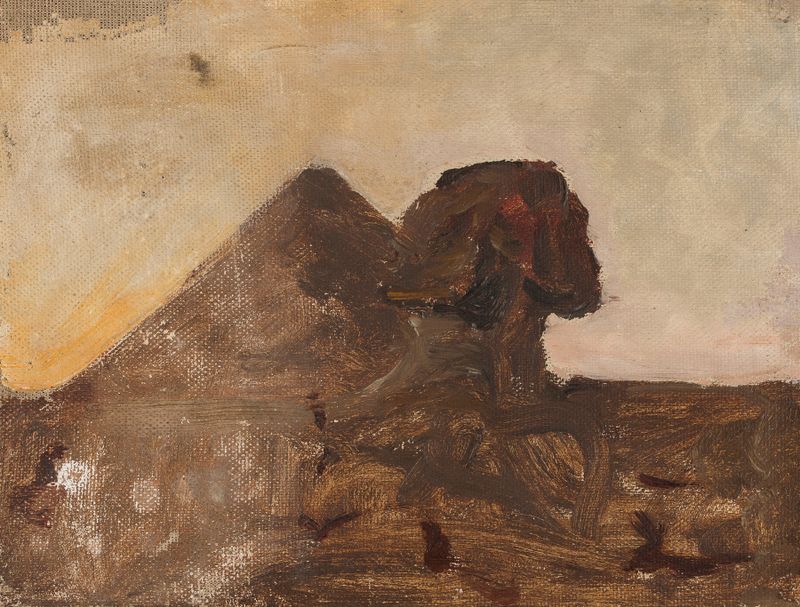
Evening in the desert – Sphinx and pyramid. From the journey to Egypt
Jan Ciągliński





