
Deserted ancient temple in Chittorgarh. From the journey to India — History & Facts
In the embrace of decay, memories linger where silence reigns supreme, each brushstroke a whisper of past glory mingled with present desolation. Look to the left, where the crumbling pillars weave a tapestry of shadows across the dusty ground. Notice how the light filters through, casting a subdued glow that highlights the intricate carvings, now softened by time and neglect. The palette of warm ochres and muted earth tones evokes a sense of nostalgia, drawing the viewer into an atmosphere thick with history.
The composition feels both expansive and intimate, as if inviting you to explore its depths while simultaneously holding back the whispers of its once-vibrant life. Amidst the ruins, tension pulses between the beauty of the architecture and the inevitable passage of time that leaves it vulnerable. The stark contrast of light and shadow serves as a reminder of life’s transience, while the delicate details of the carvings suggest stories untold, evoking a bittersweet longing for connection. Each chipped stone resonates with a melancholic echo, amplifying the sensation of having walked through a time capsule, where the past and present collide. In 1907, Jan Ciągliński traveled to India, capturing the essence of a culture steeped in history while reflecting on the fleeting nature of existence.
At this time, the artist was influenced by the romanticism of travel and exploration, seeking to immortalize moments that might otherwise fade into obscurity. His experience in Chittorgarh, with its ancient temple ruins, became a poignant tribute to the civilizations that shaped the landscape, echoing the artist’s own desire to preserve what time seeks to erase.
More Artworks by Jan Ciągliński
Browse all →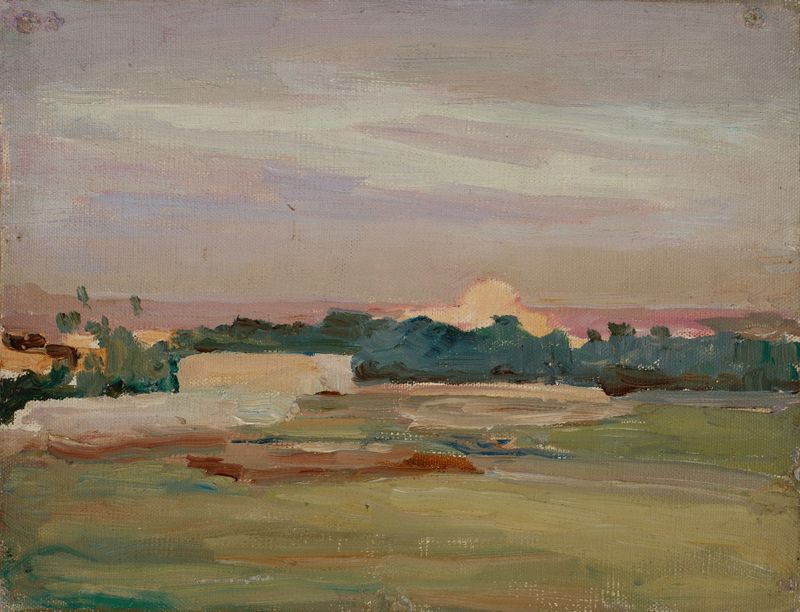
The Sirocco
Jan Ciągliński
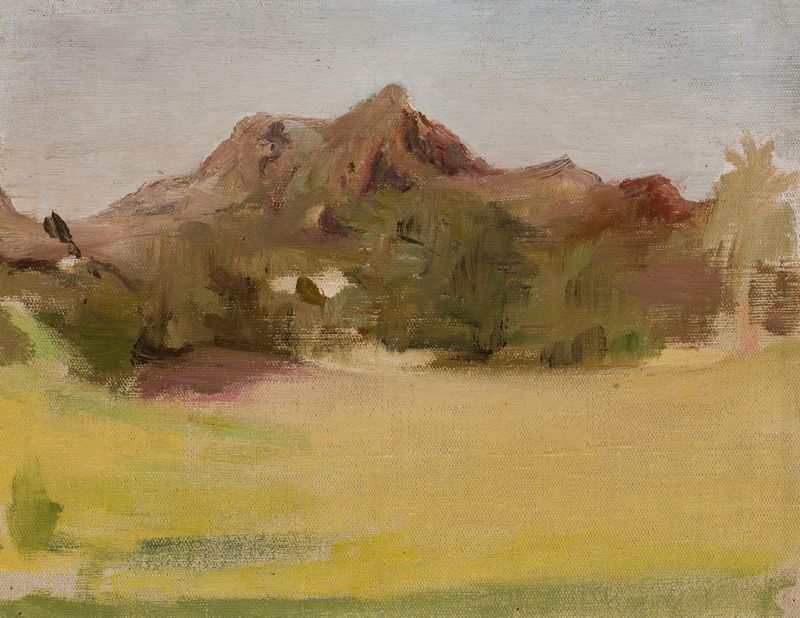
Mountain landscape. From the journey to India
Jan Ciągliński
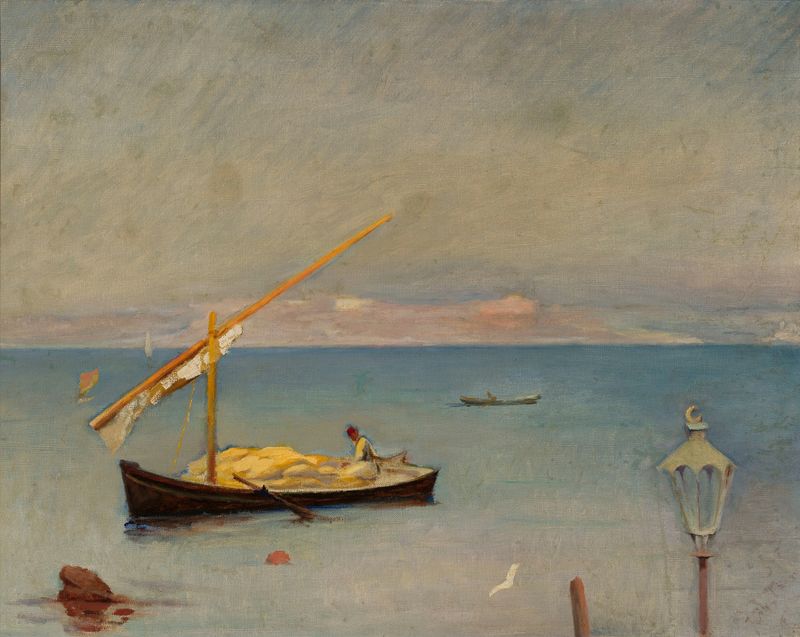
At Bosporus
Jan Ciągliński
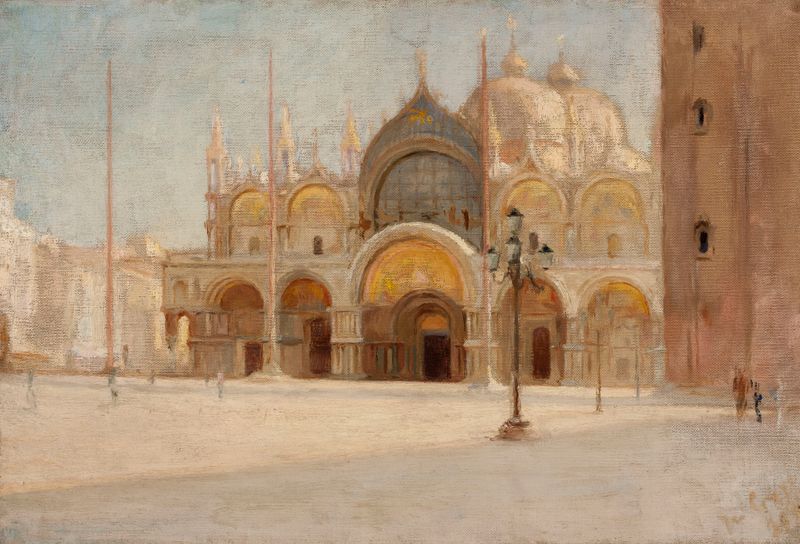
St Mark’s Square in Venice
Jan Ciągliński
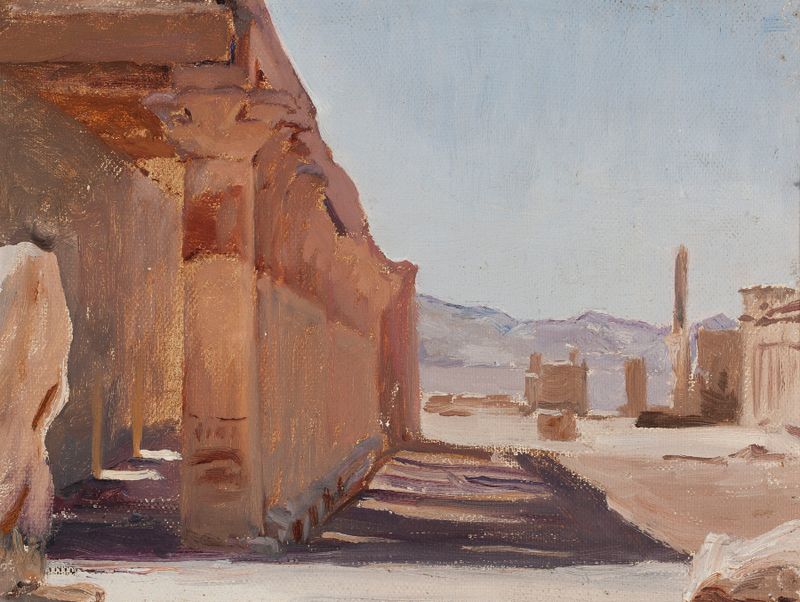
Temple. From the journey to Egypt
Jan Ciągliński
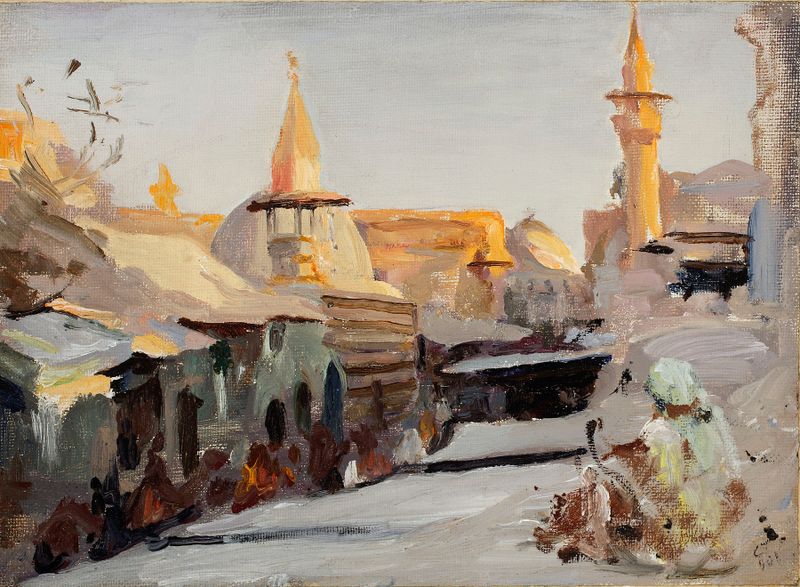
Street in Damascus. From the journey to Palestine
Jan Ciągliński
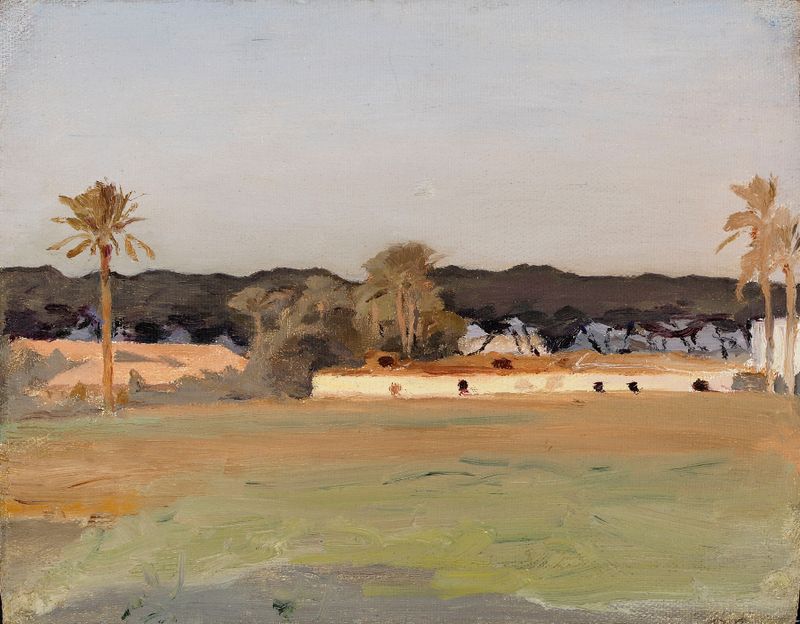
Evening. From the journey to Egypt
Jan Ciągliński
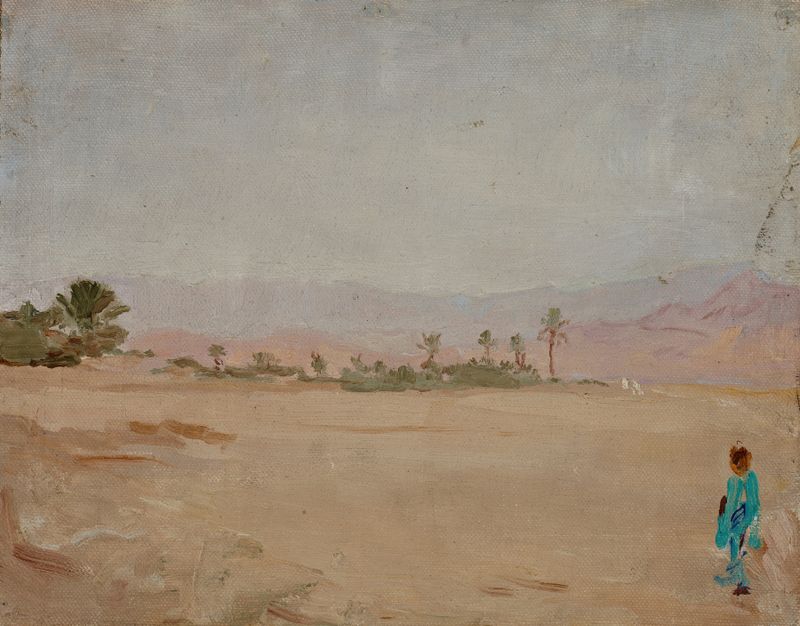
Sahara (Desert)
Jan Ciągliński
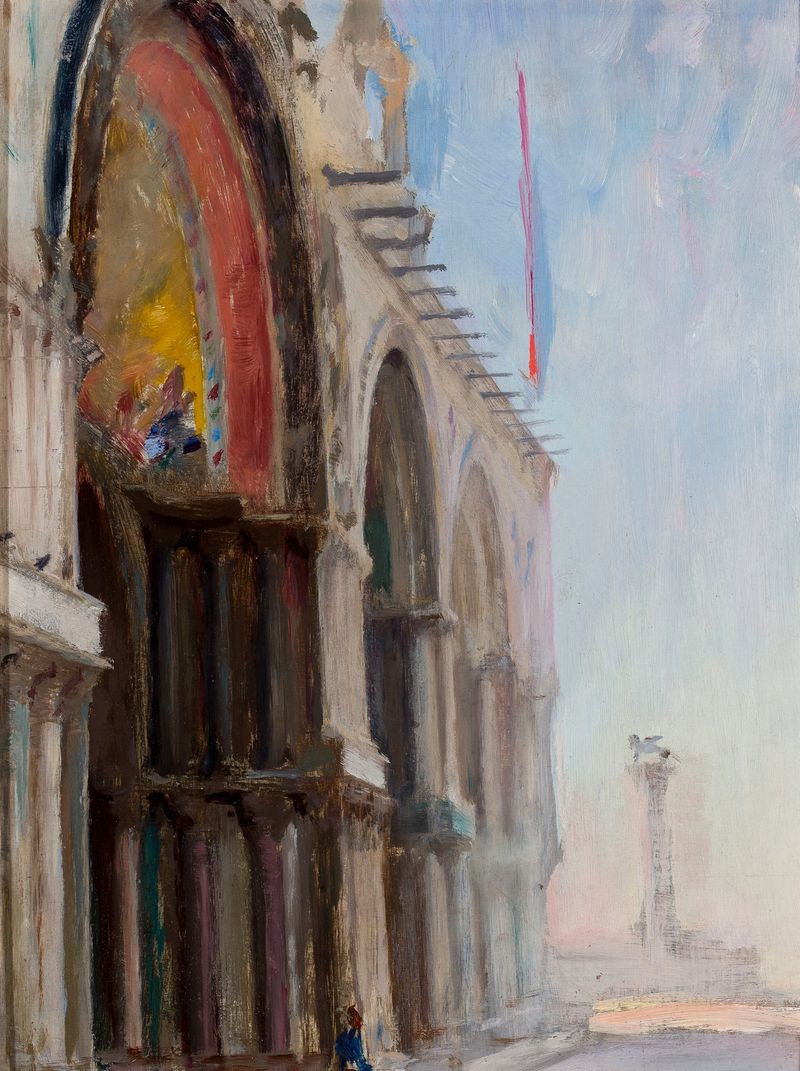
Venice – San Marco. From the journey to Italy
Jan Ciągliński
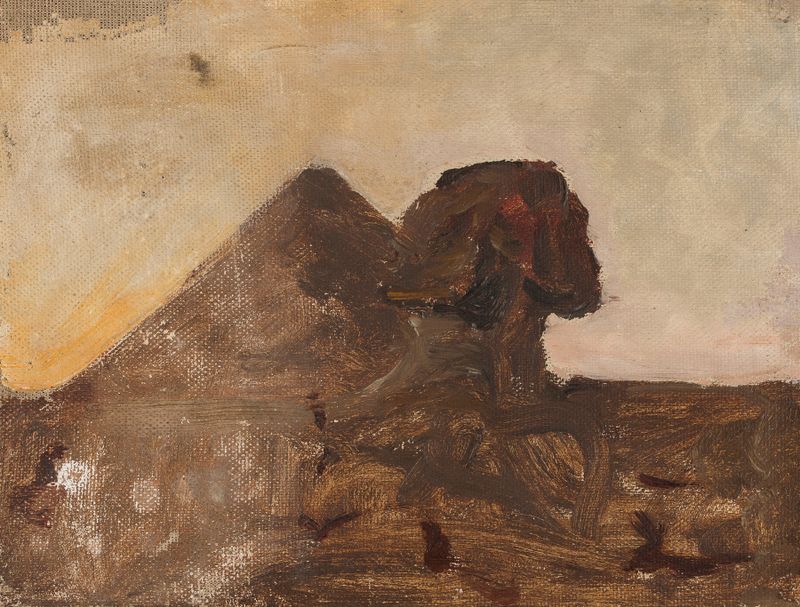
Evening in the desert – Sphinx and pyramid. From the journey to Egypt
Jan Ciągliński
More Architecture Art
Browse all →
The statue of Liberty
Frédéric Auguste Bartholdi

View of Houses in Delft, Known as ‘The Little Street’
Johannes Vermeer

View of Houses in Delft, Known as ‘The Little Street’
Johannes Vermeer

The Cathedral in Rouen. The portal, Grey Weather
Claude Monet

The yellow house
Vincent van Gogh

The Church in Auvers-sur-Oise, View from the Chevet
Vincent van Gogh