
Design for Rock-work at Virginia Water, Windsor Great Park — History & Facts
Can beauty exist without sorrow? The delicate balance between nature's grandeur and the inherent fragility of life invites contemplation in every stroke of the brush. Focus on the intricate details of the rock formations, where shadows play against the textured surfaces, revealing the artist's sophisticated understanding of light and form. Notice how the muted palette harmonizes with the serene atmosphere, guiding the eye from the rugged cliffs to the tranquil water below. Every element, from the moss creeping along the stones to the subtle ripples in the lake, conveys a sense of both stability and transience. Beneath the surface lies a dialogue between permanence and impermanence.
The carefully constructed rocks, though seemingly solid, hint at the inevitable erosion of nature’s masterpieces. The stillness of the water reflects not just the visual beauty but also the emotional undertones of stillness and solitude. It is a reminder that even within the splendor of the natural world, there exists an undercurrent of melancholy, a truth that resonates with the viewer's own experiences. In the 1780s, Thomas Sandby was deeply immersed in the English landscape movement, a time when artists sought to encapsulate the sublime beauty of nature.
Working at Windsor Great Park, he was inspired by the Romantic ideals flourishing around him, as well as the burgeoning appreciation for landscape design in gardens. This piece captures his vision during a period marked by both artistic innovation and a growing awareness of the environment's fragility.
More Artworks by Thomas Sandby
Browse all →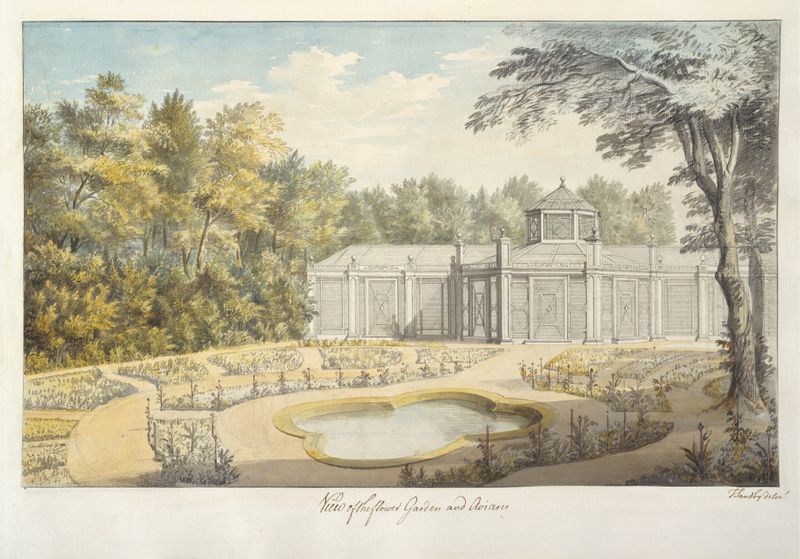
View of the Flower Garden and Aviary at Kew
Thomas Sandby
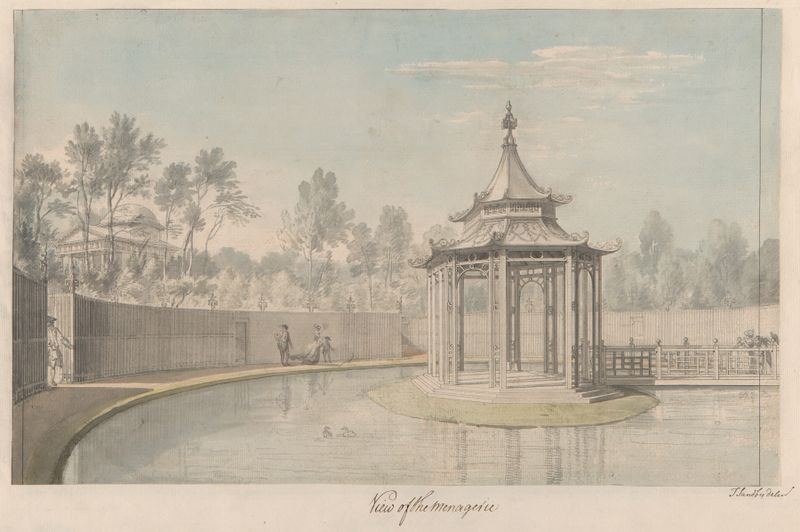
View of the Menagerie at Kew
Thomas Sandby
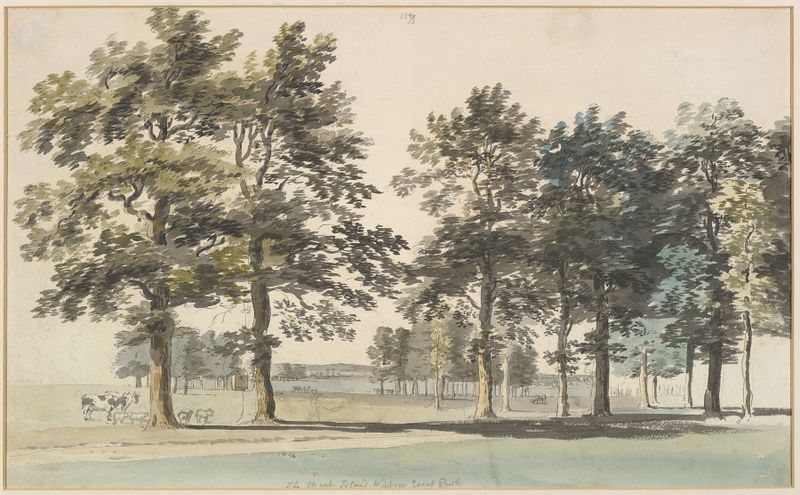
The Moat Island, Windsor Great Park
Thomas Sandby
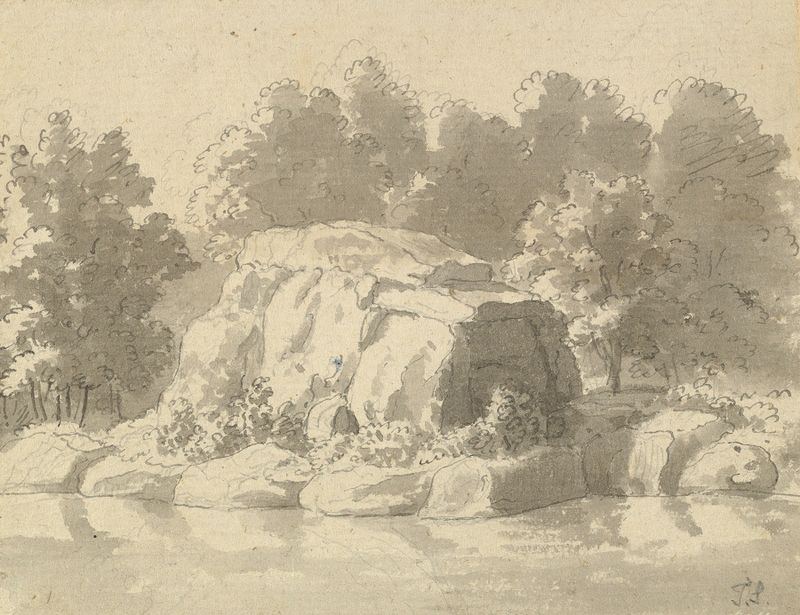
Design for Rock-work at Virginia Water, Windsor Great Park
Thomas Sandby
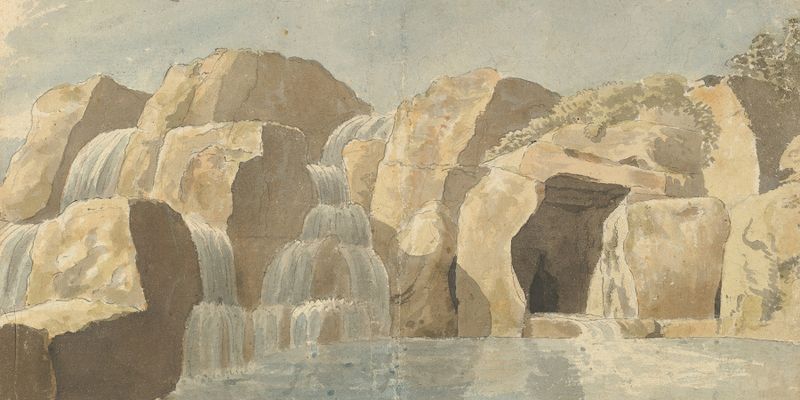
Design for Rock-work and Cascades at Virginia Water, Windsor Great Park
Thomas Sandby





