
View of the Menagerie at Kew — History & Facts
In the delicate balance of nature and artistry, awe unfolds in a moment captured by the brush. The intricate details of View of the Menagerie at Kew draw you into a world where the vivacity of life meets the stillness of observation, inviting quiet reflection on the splendor of existence. Look to the left at the intricate foliage, where luscious greens seem to breathe with life. Notice the play of soft light filtering through the trees, illuminating the animals in gentle hues that both enhance and soften their forms.
The composition draws your eyes across the canvas, guiding you from the lively scene of the menagerie to the tranquil backdrop of Kew Gardens, all created through masterful technique that blends detail with an ethereal quality. Beneath the vibrant surface lies a complex interplay of joy and contemplation. The animals—captured in motion yet tinged with a sense of stillness—evoke the paradox of captivity and freedom, while the rich colors contrast with the serene ambiance. This juxtaposition stirs a deeper dialogue about humanity's relationship with nature, nudging the viewer to ponder the silent narratives embedded in every stroke. In 1763, during his residence in London, the artist was engrossed in the burgeoning interest in botanical and zoological studies.
As a prominent figure in the establishment of aquatint, he merged art with science, reflecting a time when the natural world was increasingly subject to study and admiration. This piece stands as a testament to both his artistic innovation and the cultural zeitgeist of the 18th century.
More Artworks by Thomas Sandby
Browse all →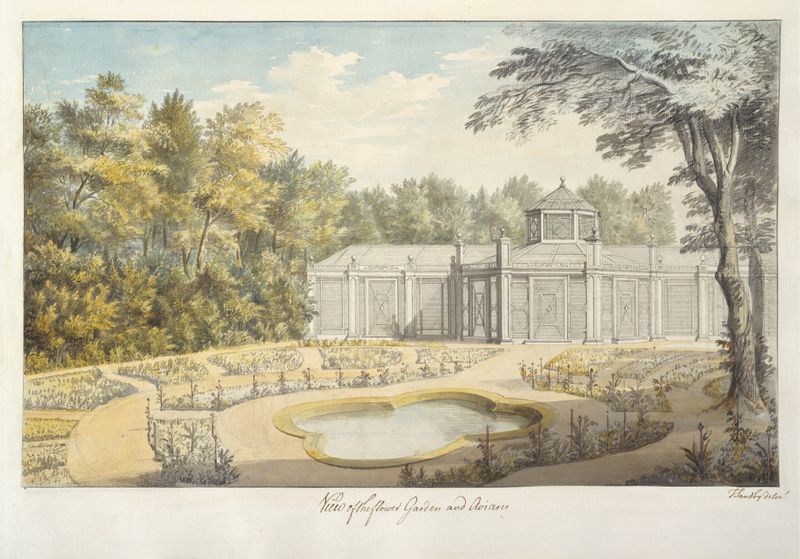
View of the Flower Garden and Aviary at Kew
Thomas Sandby
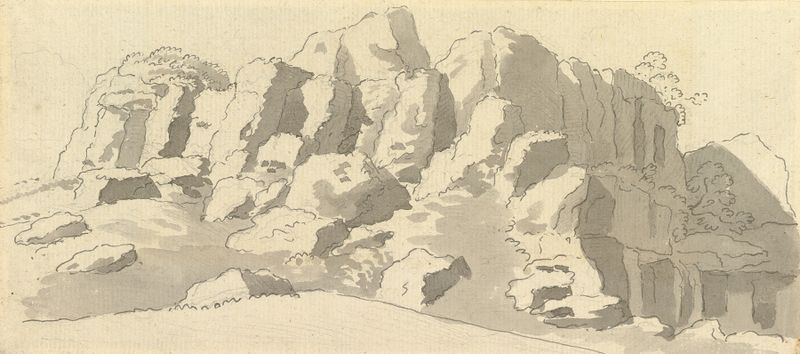
Design for Rock-work at Virginia Water, Windsor Great Park
Thomas Sandby
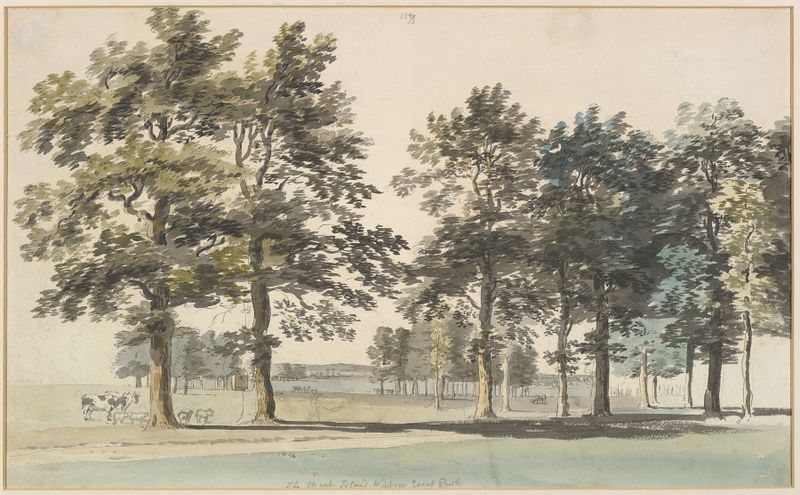
The Moat Island, Windsor Great Park
Thomas Sandby
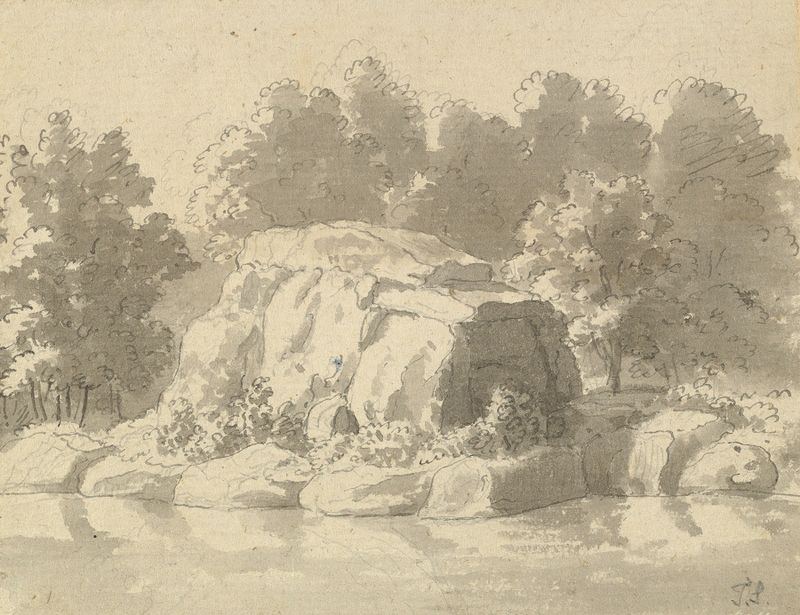
Design for Rock-work at Virginia Water, Windsor Great Park
Thomas Sandby
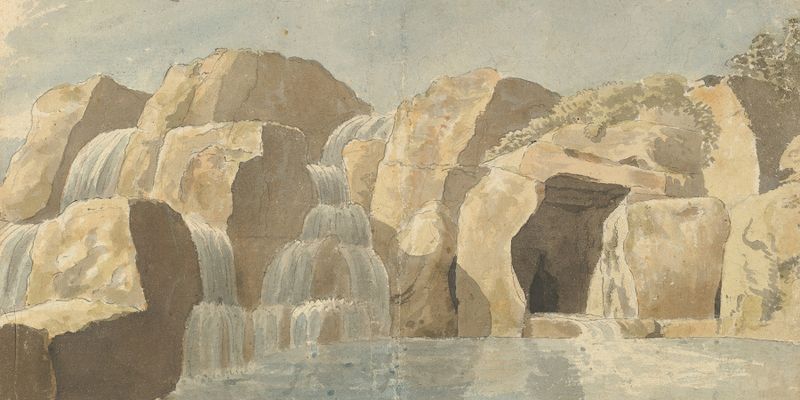
Design for Rock-work and Cascades at Virginia Water, Windsor Great Park
Thomas Sandby





