
Devil’s Bridge — History & Facts
In the stillness of Devil’s Bridge, nostalgia hangs heavy in the air, whispering secrets of a bygone era. Each stone arch and winding river invites the viewer to remember moments lost in time, where the past feels close enough to touch yet tragically out of reach. Look to the central arch of the bridge, its rugged stones balancing precariously above the gentle waters below. Notice how Towne employs soft, muted colors to evoke a sense of peace and melancholy, the browns and greens blending harmoniously with the pale blues of the sky.
The delicate brushwork captures the fleeting light, casting shadows that dance across the landscape, inviting the viewer to wander deeper into this serene yet haunting world. The contrast between the sturdy bridge and the tranquil water suggests resilience amidst the transient nature of life. The calm surface reflects not only the structure above but also the surrounding landscape, creating a poignant dialogue between permanence and ephemerality. Hidden in the background, distant mountains loom, their majesty tempered by the haze of memory, reminding us of what was and what remains. In 1810, Towne was immersed in the picturesque movement, creating works that celebrated the beauty of nature and the sublime.
This piece was painted in England, a time when artists were increasingly drawn to the romantic ideals of landscape, seeking to capture not just what they saw but what they felt. The backdrop of the emerging Industrial Revolution added layers to this nostalgia, reflecting a collective yearning for the pastoral past amidst the rapid changes of modernity.
More Artworks by Francis Towne
Browse all →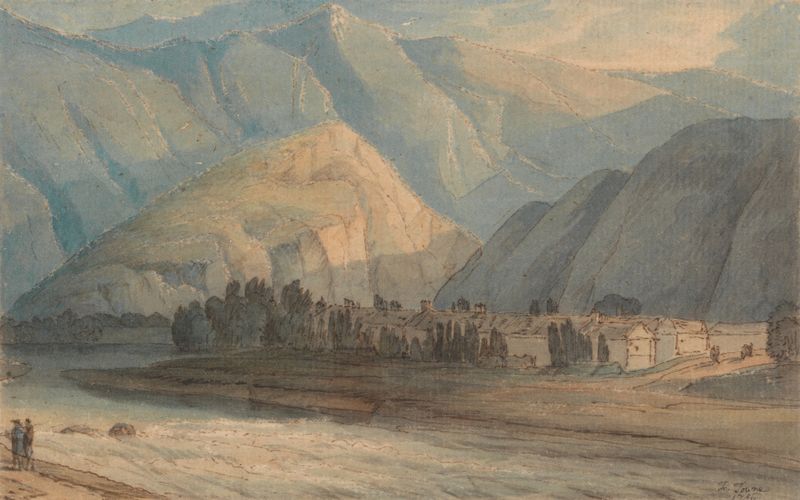
The Grange at the Head of Keswick Lake
Francis Towne

Vauxhall Stairs, from Millbank, July 5, 1797
Francis Towne

View in Borrowdale of Eagle Crag and Rosthwaite
Francis Towne

View of Lake Como with Monte Leoni
Francis Towne
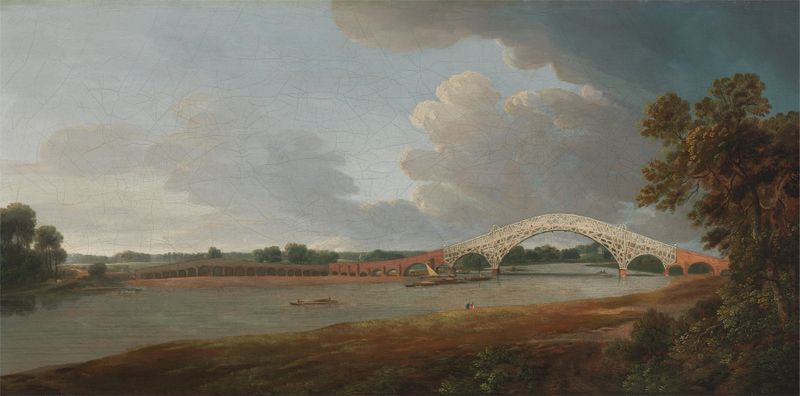
Old Walton Bridge
Francis Towne
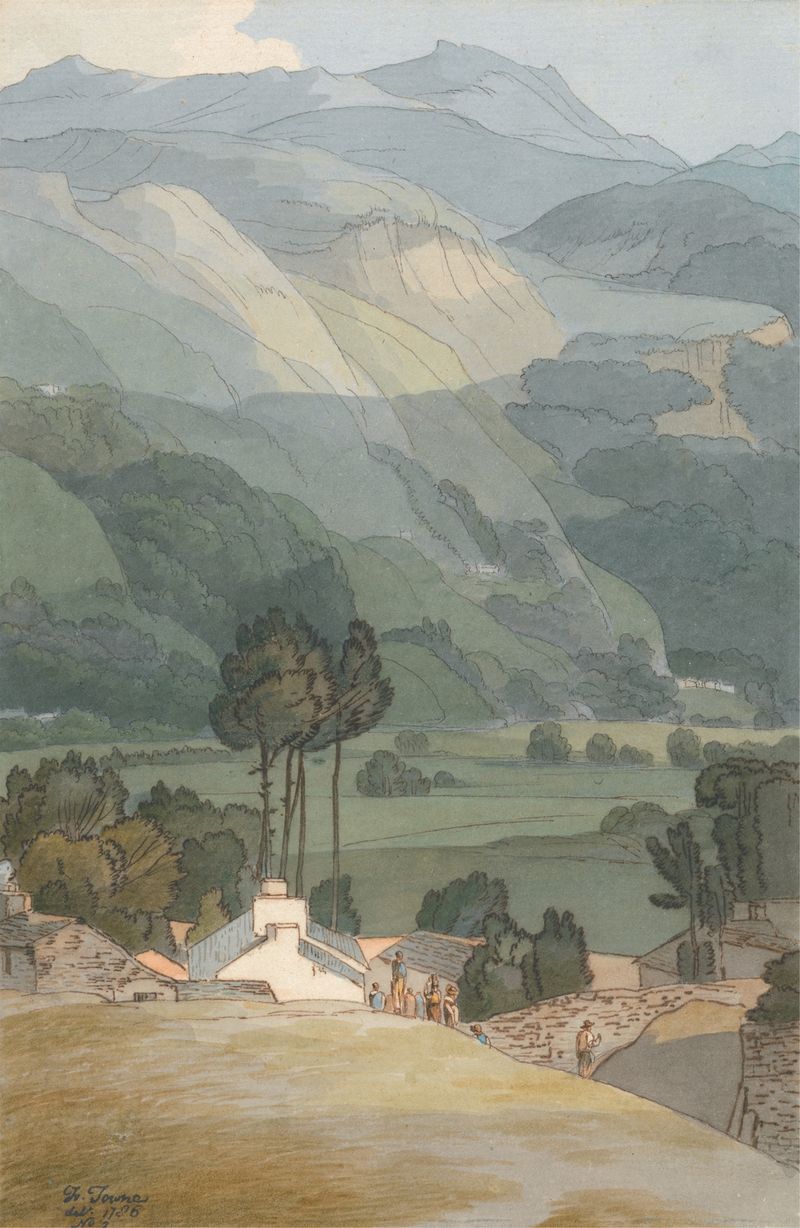
Ambleside
Francis Towne
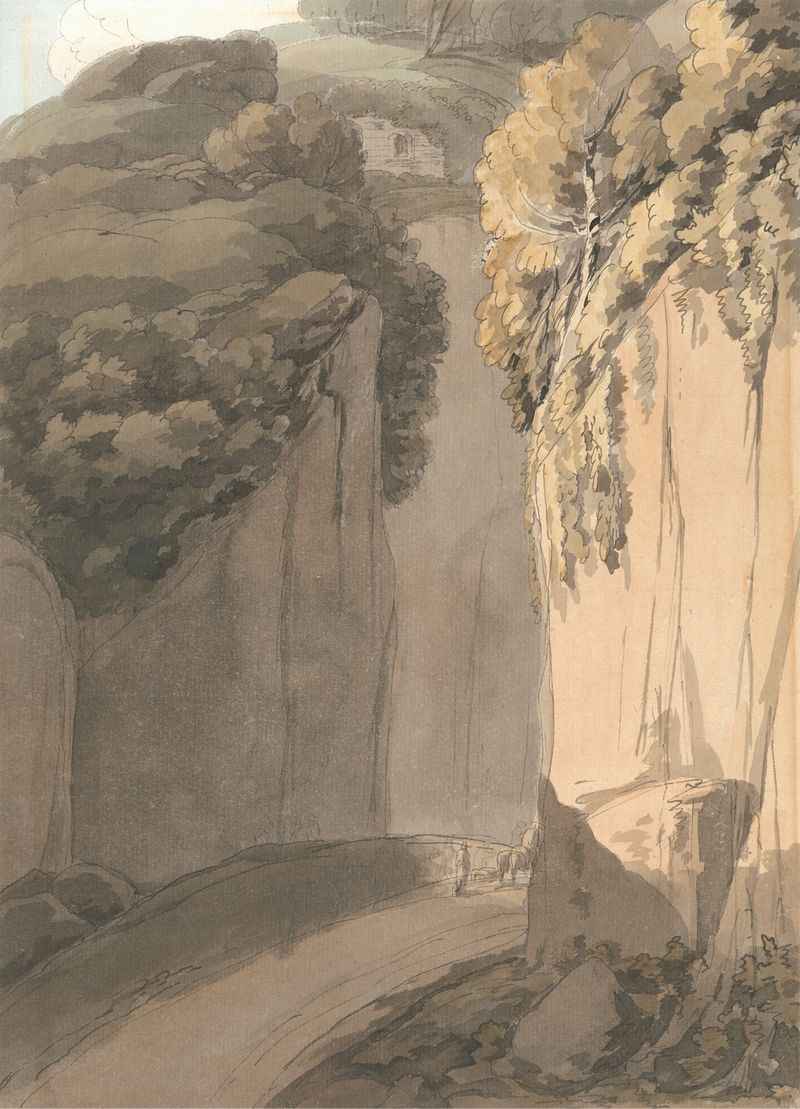
Entrance to the Grotto at Posilippo, Naples
Francis Towne

The Claudian Aquaduct, Rome
Francis Towne

A View Near the Arco Scuro, Looking Towards the Villa Medici, Rome
Francis Towne

View of the Rhydaer
Francis Towne





