
Die Akropolis im Abendlicht — History & Facts
Can beauty exist without sorrow? In Die Akropolis im Abendlicht, the ancient ruins stand timeless against the vibrant hues of dusk, awakening both nostalgia and a sense of loss. Look to the left, where the warm, golden light bathes the Parthenon, its columns glowing softly as the sun descends. Notice how the artist's brushwork captures the delicate interplay between shadow and light, imbuing the scene with a serene yet haunting quality. The rich blues and purples in the sky contrast sharply with the warm earth tones of the stone, creating a visual dialogue between the enduring nature of history and the fleeting beauty of the moment. As you explore further, examine the soft clouds that hover above, almost like whispers echoing tales of the past.
The gentle luminosity surrounding the Acropolis evokes a meditative state, inviting viewers to contemplate the weight of time and the ghosts of civilizations long gone. This tension between beauty and melancholy seems to ask whether the past can truly be cherished without acknowledging its inherent sorrow. Louis Gurlitt painted this piece in 1866 while living in Germany, a time when Romanticism was reaching its zenith and artists sought to capture nature and history's sublime qualities. The era was marked by a fascination with classical architecture and cultural heritage, as well as the emerging influence of plein air painting, which aimed to bring natural light and atmosphere into the studio.
Gurlitt's work reflects this duality of reverence for the past and the impermanence of beauty, echoing the sentiments of his contemporaries in the art world.
More Artworks by Louis Gurlitt
Browse all →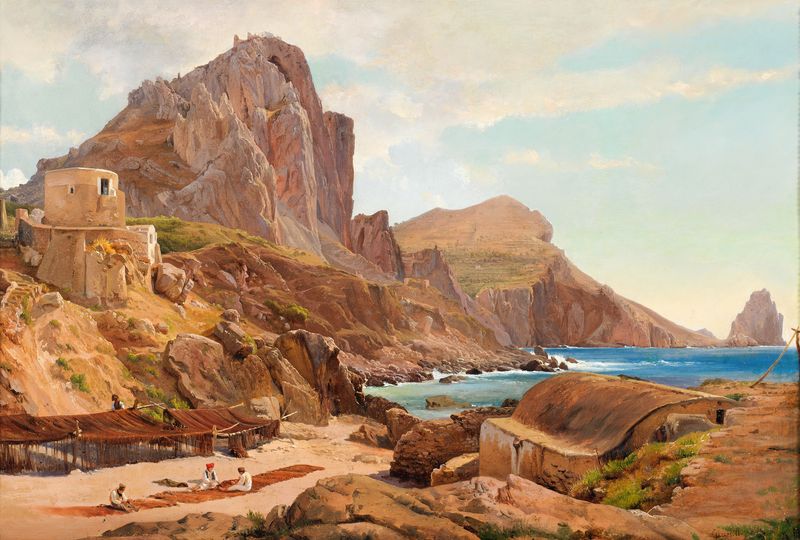
Marina Piccola, Capri
Louis Gurlitt
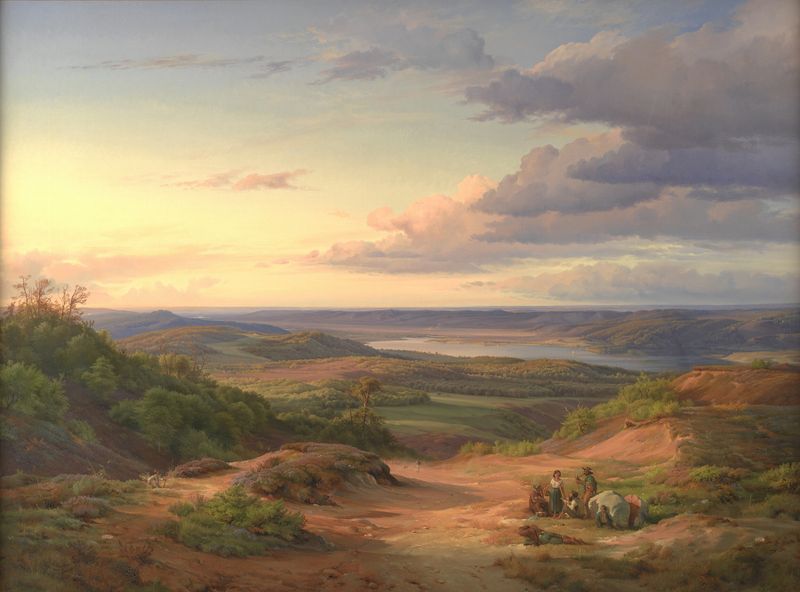
A Landscape near Himmelbjerget, Jutland. In the Foreground a Gypsy Family
Louis Gurlitt
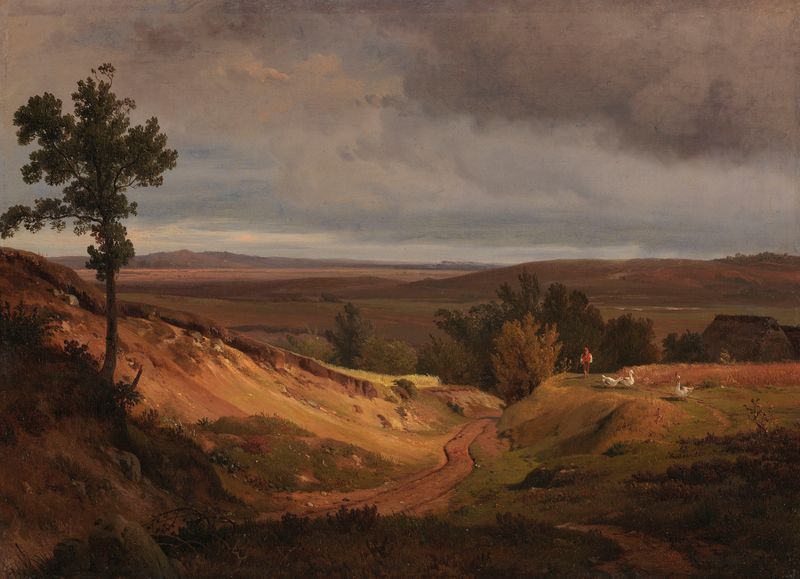
Heidelandschaft bei Silkeborg in Jütland, Dänemark
Louis Gurlitt
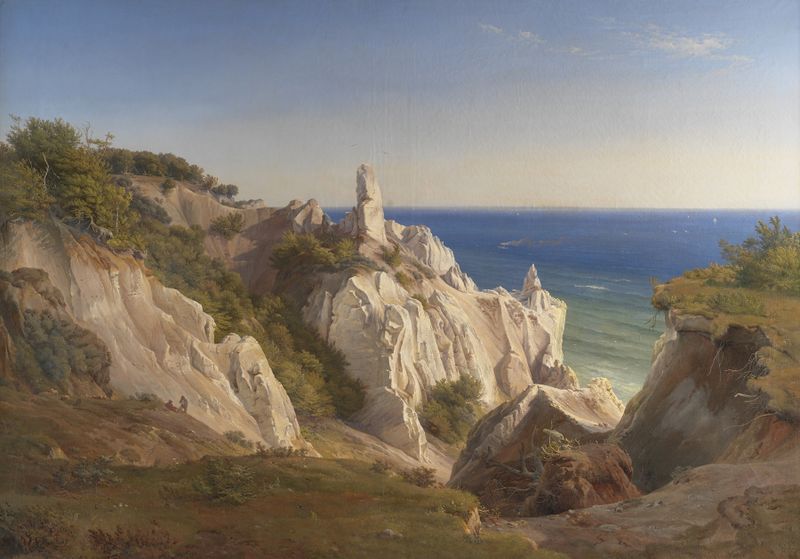
The Cliffs of the Island of Møn
Louis Gurlitt
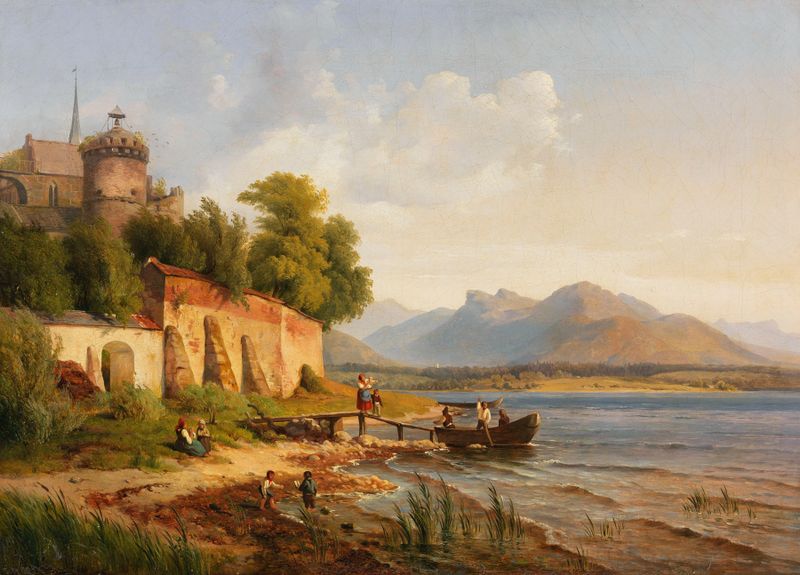
Oberitalienische Küstenlandschaft mit Figurenstaffage
Louis Gurlitt
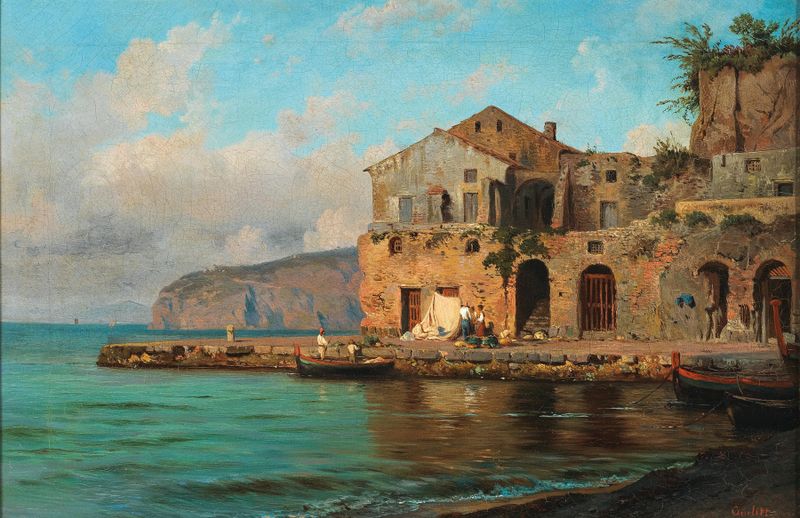
On the Coast of Sorrento
Louis Gurlitt
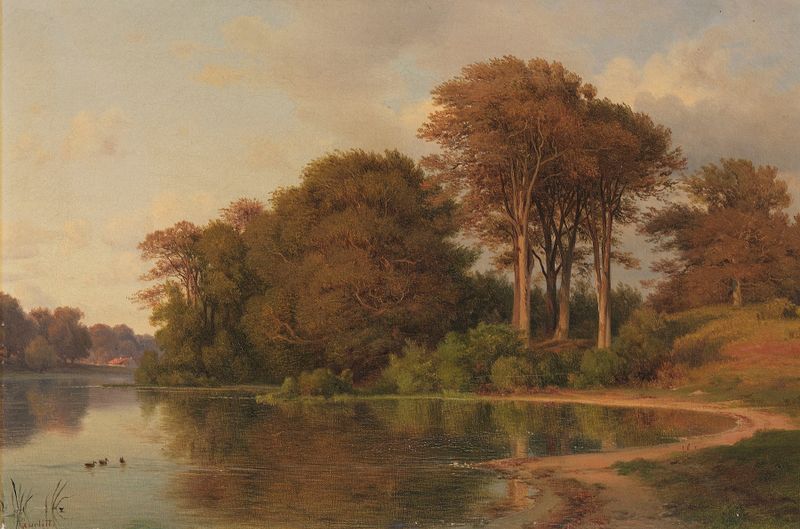
Sommerlandschaft mit Seeufer
Louis Gurlitt
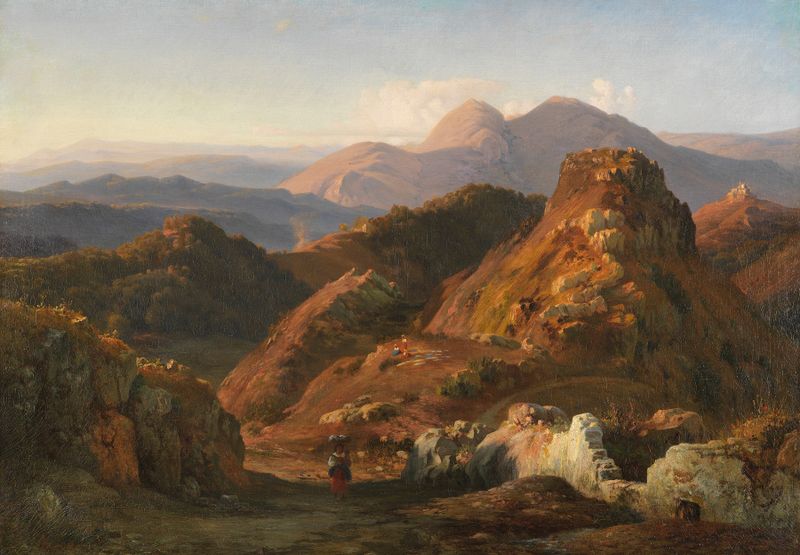
Abendstimmung in den Albaner Bergen
Louis Gurlitt
Tyrolean Landscape. Study
Louis Gurlitt

Gebirgslandschaft der Gegend von Dorf Tirol
Louis Gurlitt





