
The Cliffs of the Island of Møn — History & Facts
Did the painter know this moment would outlive them? In The Cliffs of the Island of Møn, the shadows play as vital a role as the cliffs themselves, suggesting layers of history and memory that continue to echo in time. Look closely at the left side of the canvas, where the light meets the jagged edges of the cliffs, splashing brilliant whites against deep blues and greens. The brushstrokes capture the textured surface of the rock, each stroke revealing the artist's acute observation of nature’s raw beauty. The sky transitions from a stormy gray to hints of sunlight breaking through, mirroring the tumultuous yet serene relationship between land and sea. The contrast between light and shadow reveals more than just geography; it evokes an emotional landscape filled with tension and tranquility.
One can sense the weight of history in the shadows that loom over the vibrant sea, hinting at the passage of time. The cliffs, standing tall and resolute, seem to whisper stories of those who gazed upon them before, inviting the viewer into a dialogue across generations. In 1842, Louis Gurlitt painted this masterpiece during a time when Romanticism was flourishing in Europe. He was deeply influenced by the natural world and the sublime, reflecting an era that revered nature's grandeur.
As Gurlitt navigated his career, he found himself amidst the expanding appreciation for landscape painting, a genre that would ultimately capture the imagination of countless viewers and artists.
More Artworks by Louis Gurlitt
Browse all →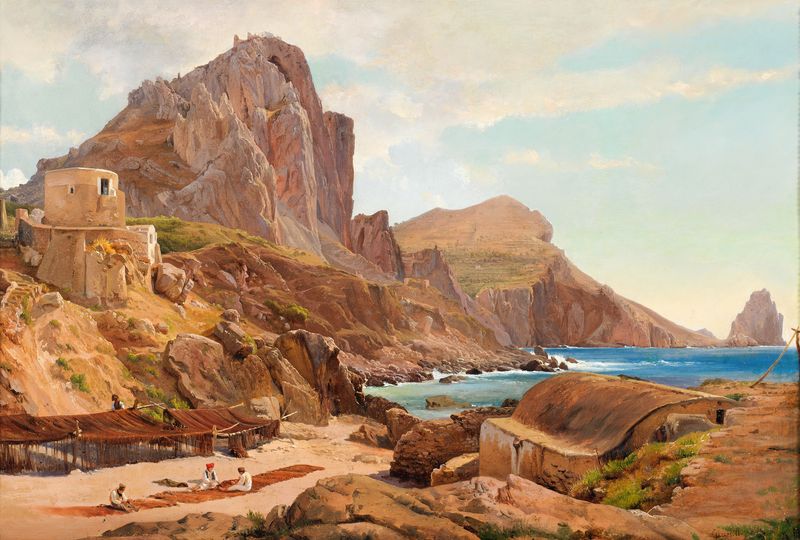
Marina Piccola, Capri
Louis Gurlitt
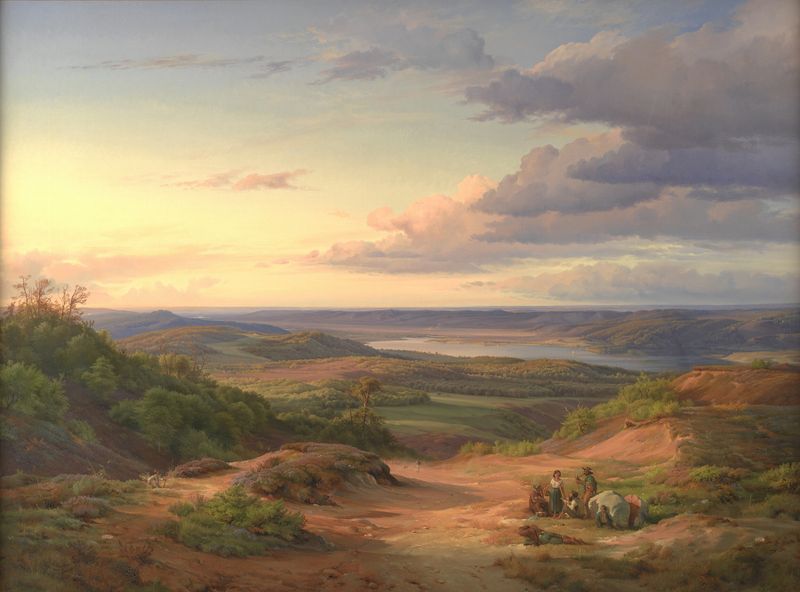
A Landscape near Himmelbjerget, Jutland. In the Foreground a Gypsy Family
Louis Gurlitt
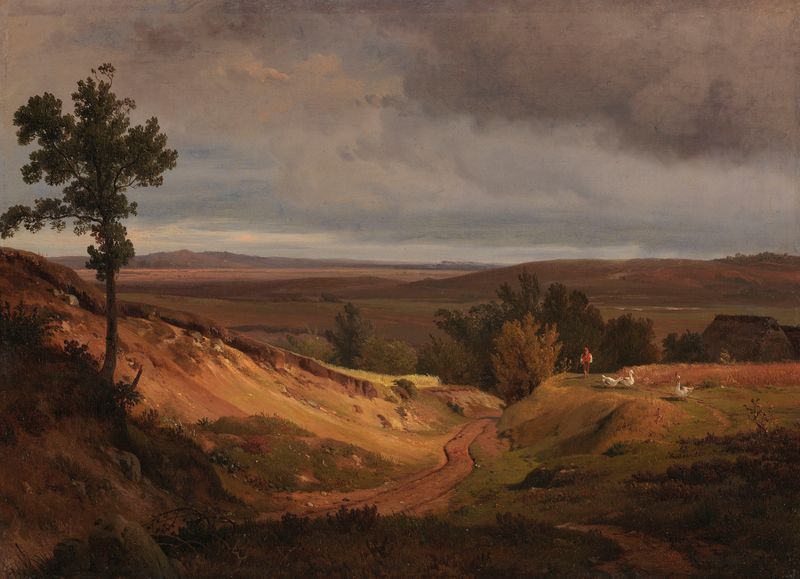
Heidelandschaft bei Silkeborg in Jütland, Dänemark
Louis Gurlitt
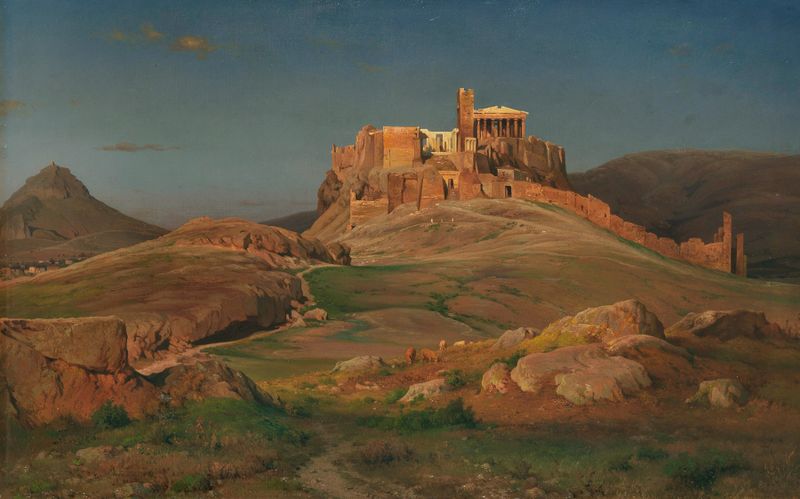
Die Akropolis im Abendlicht
Louis Gurlitt
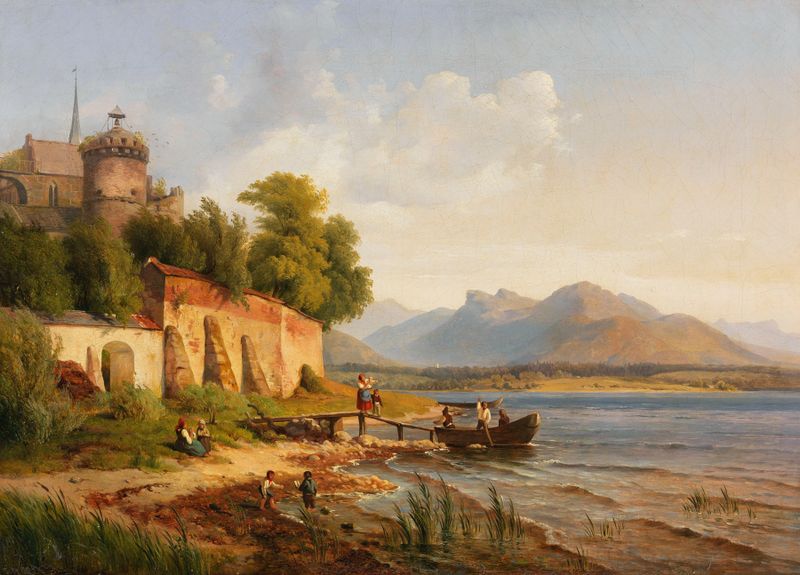
Oberitalienische Küstenlandschaft mit Figurenstaffage
Louis Gurlitt
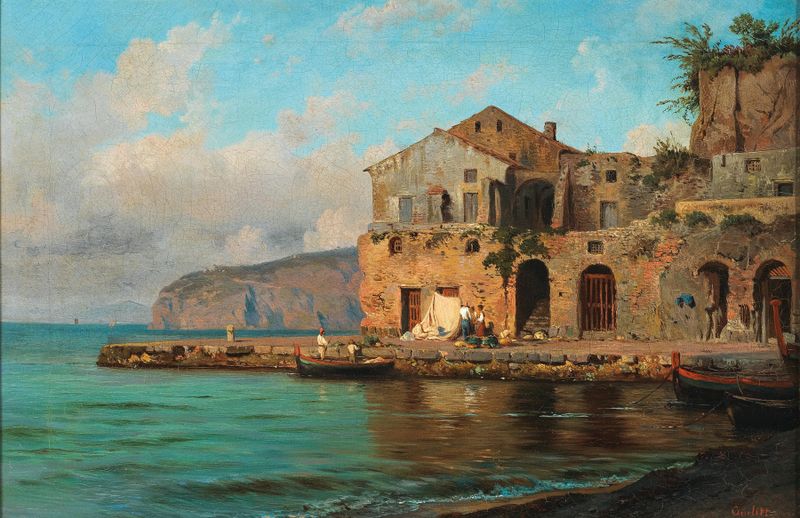
On the Coast of Sorrento
Louis Gurlitt
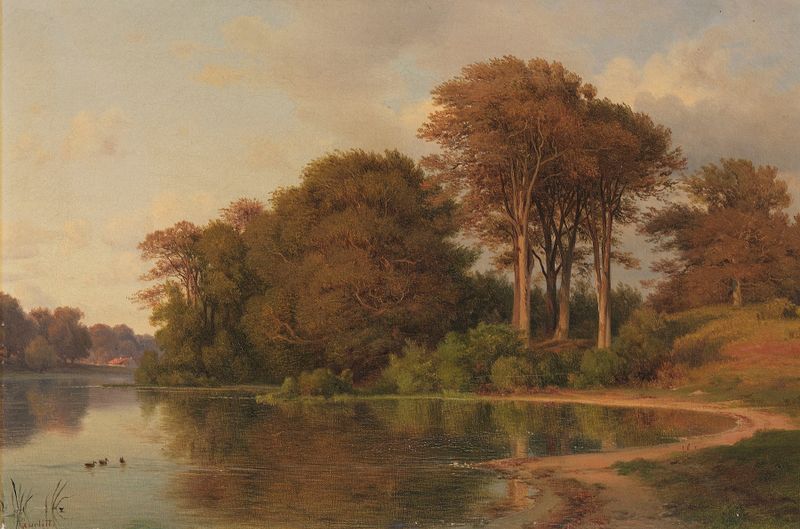
Sommerlandschaft mit Seeufer
Louis Gurlitt
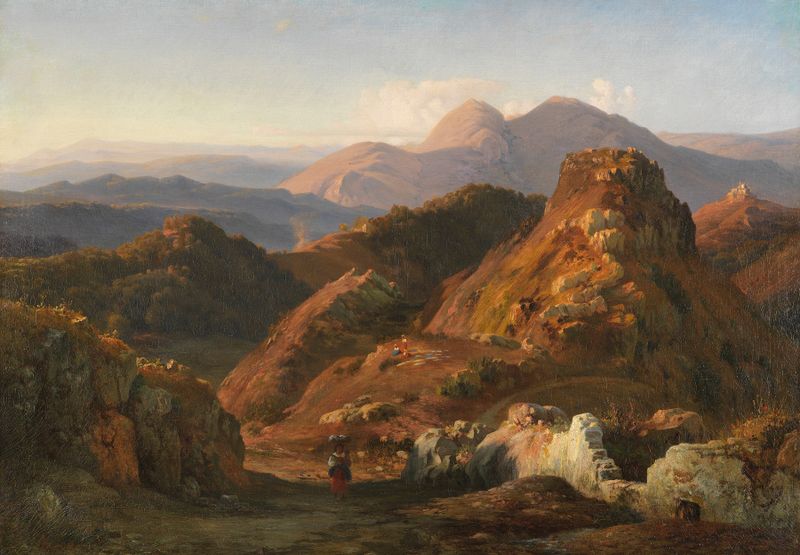
Abendstimmung in den Albaner Bergen
Louis Gurlitt
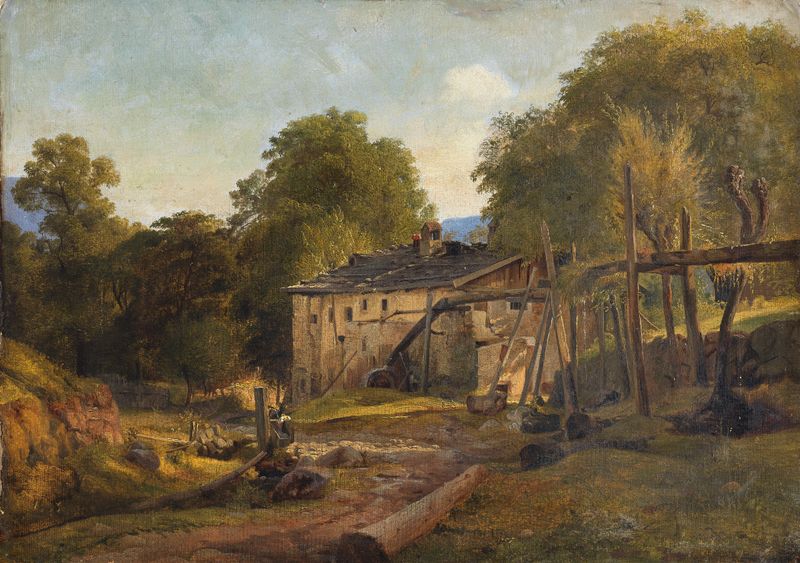
Tyrolean Landscape. Study
Louis Gurlitt

Gebirgslandschaft der Gegend von Dorf Tirol
Louis Gurlitt





