
Tyrolean Landscape. Study — History & Facts
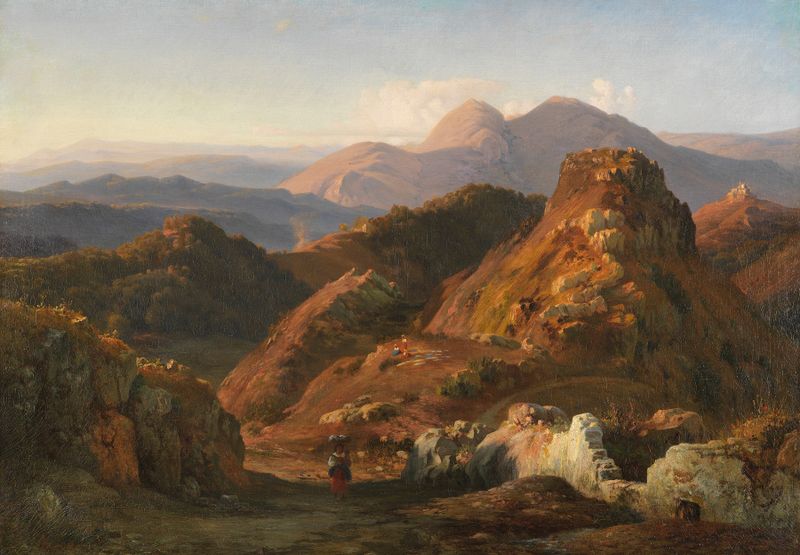
Who listens when art speaks of silence? In Tyrolean Landscape. Study, the muted tones and soft contours invite a meditative reflection, whispering tales of hope nestled in nature’s embrace. Look to the center, where gentle hills rise against a backdrop of a cool sky, fading from pale blue to soft gray. The brushstrokes ebb and flow like the very landscape they portray, creating a sense of movement within stillness.
Notice how the interplay of light and shadow caresses the peaks, highlighting the delicate balance of nature, while the dappled foreground beckons with hints of verdant life. Each stroke reveals the artist's meticulous attention to the serene atmosphere, immersing the viewer in a moment suspended in time. Yet within this tranquil vista lies a profound contrast. The quietude of the landscape suggests both isolation and solace, provoking thoughts of longing and belonging.
Small figures, barely discernible, emerge on the horizon, representing humanity's place within the vast and timeless world. This juxtaposition of scale compels a deeper introspection on our relationship with the natural realm, evoking a hopeful yearning for connection amidst solitude. In 1836, Gurlitt created this work while residing in Germany, a period marked by Romanticism's rise, where artists sought to capture the sublime in nature. This was a time of exploration and growing interest in the Alpine landscapes, as well as a personal quest for identity amid the shifting tides of social and artistic movements.
The beauty of the Tyrol region inspired many, and for Gurlitt, it was also a canvas for reflection on the delicate interplay of life, art, and the human spirit.
More Artworks by Louis Gurlitt
Browse all →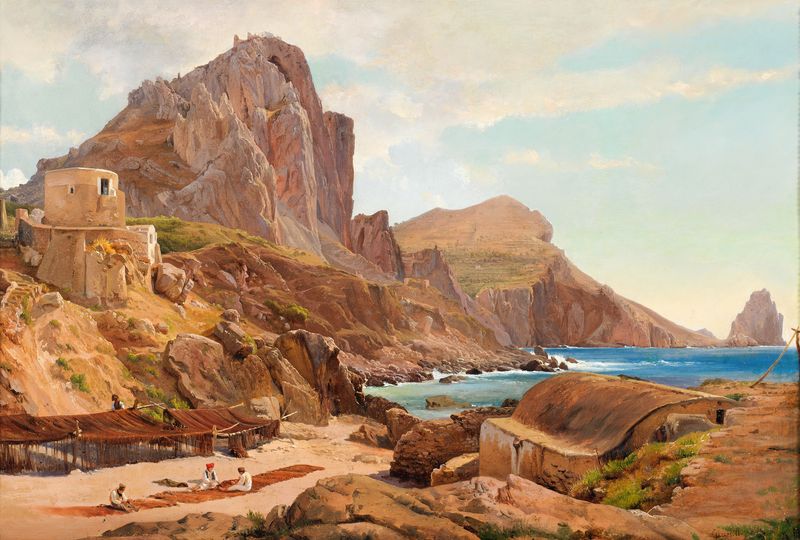
Marina Piccola, Capri
Louis Gurlitt
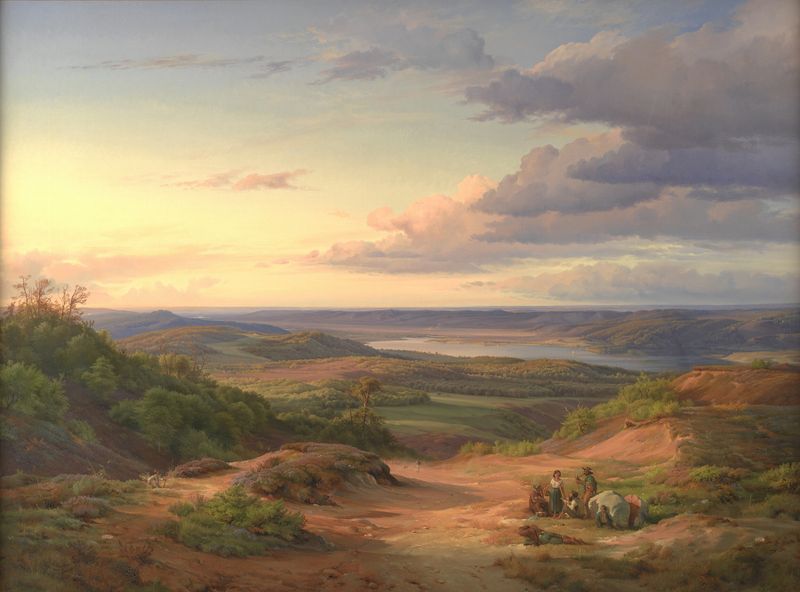
A Landscape near Himmelbjerget, Jutland. In the Foreground a Gypsy Family
Louis Gurlitt
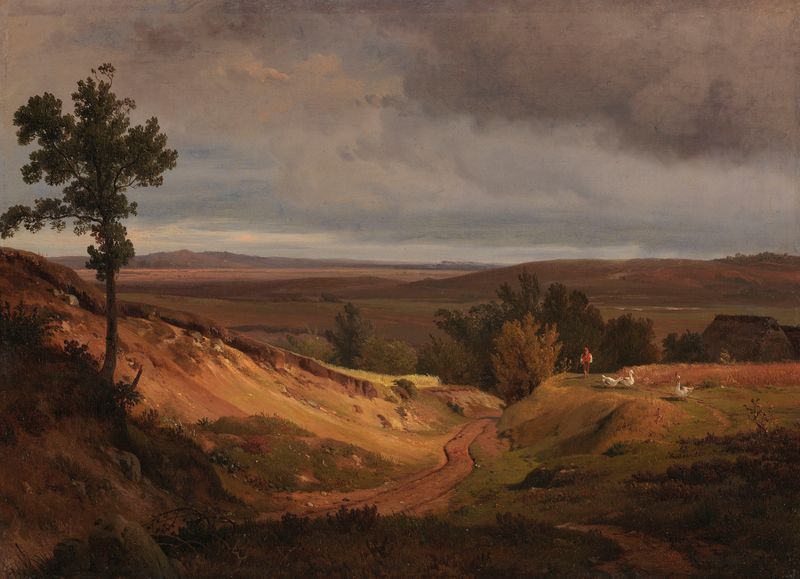
Heidelandschaft bei Silkeborg in Jütland, Dänemark
Louis Gurlitt
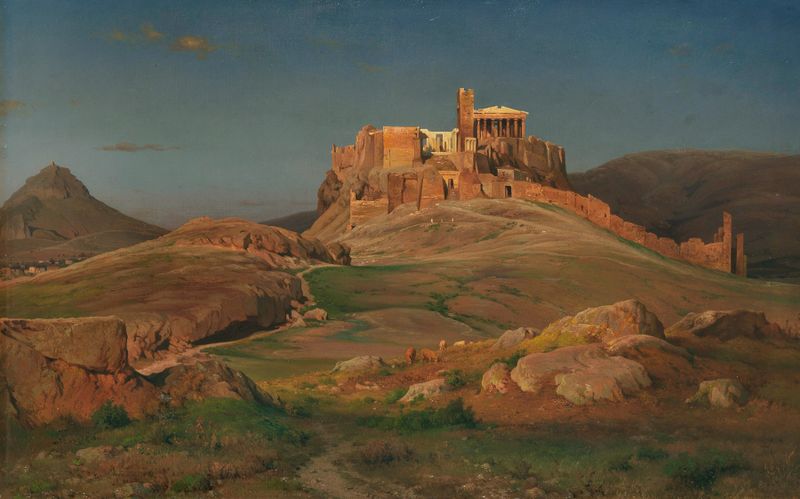
Die Akropolis im Abendlicht
Louis Gurlitt
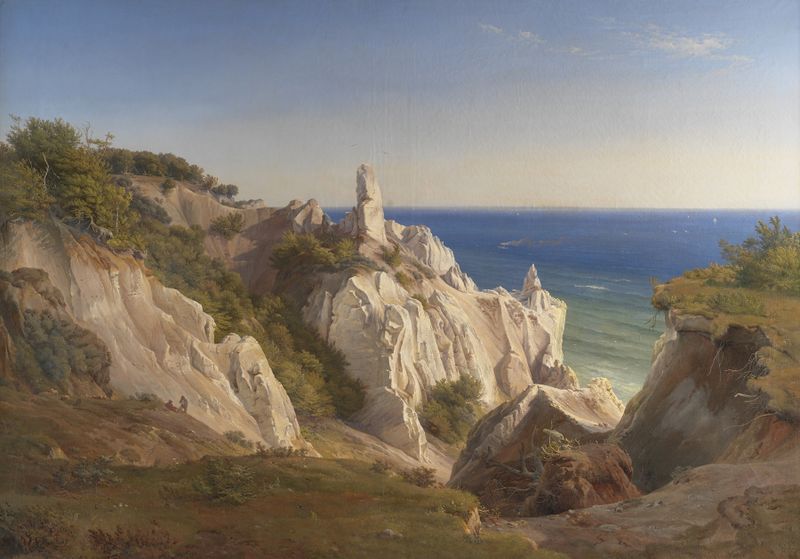
The Cliffs of the Island of Møn
Louis Gurlitt
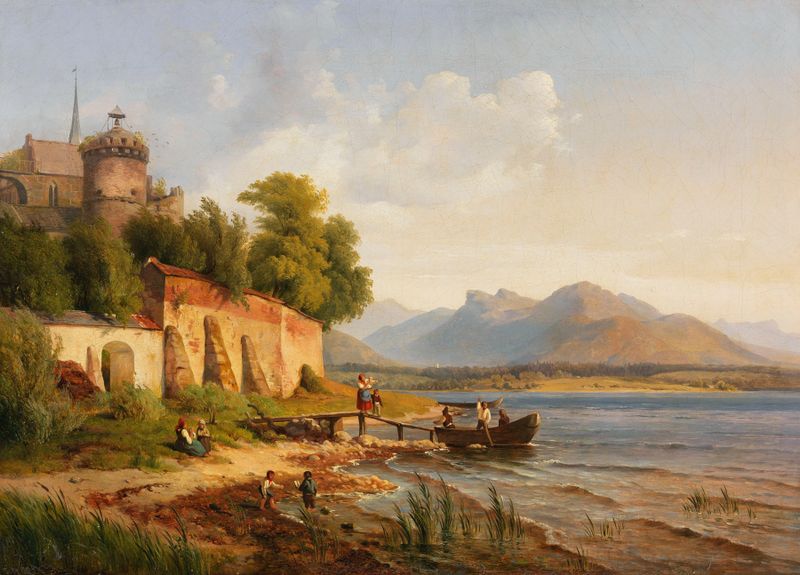
Oberitalienische Küstenlandschaft mit Figurenstaffage
Louis Gurlitt
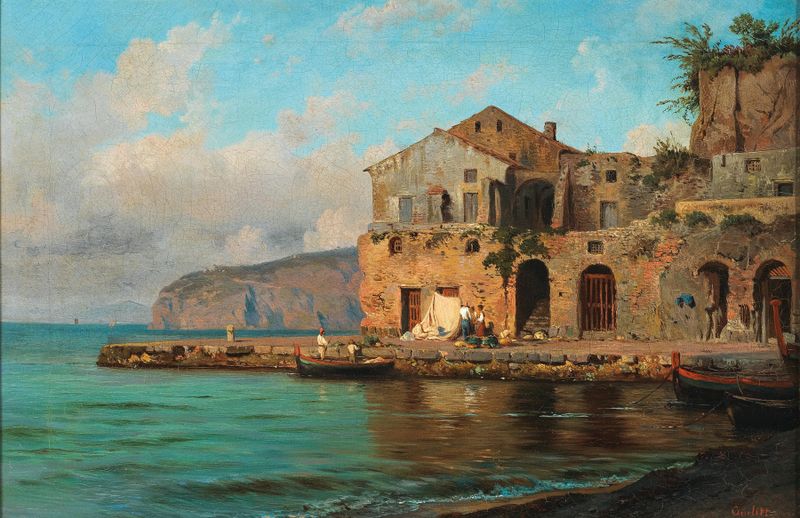
On the Coast of Sorrento
Louis Gurlitt
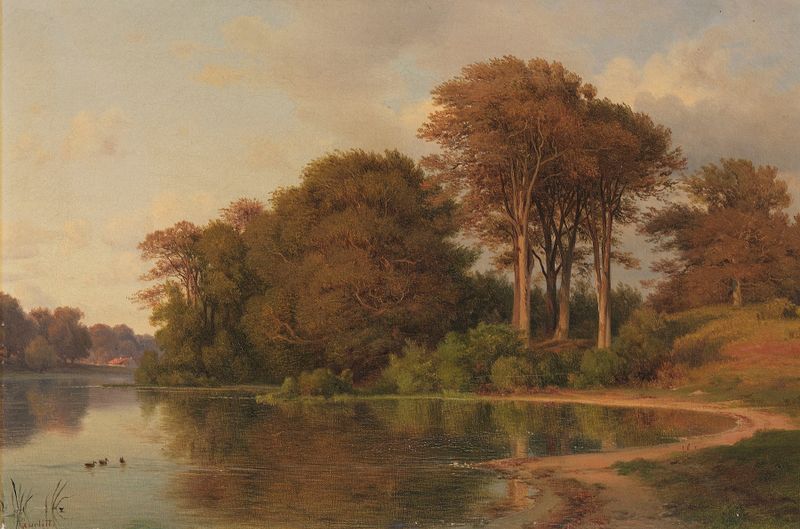
Sommerlandschaft mit Seeufer
Louis Gurlitt
Abendstimmung in den Albaner Bergen
Louis Gurlitt

Gebirgslandschaft der Gegend von Dorf Tirol
Louis Gurlitt





