
Oberitalienische Küstenlandschaft mit Figurenstaffage — History & Facts
In this stillness, the beauty of betrayal lingers, silently echoing through the ages like a whispered promise broken. Focus on the horizon; the gentle undulations of the coastline draw your eye to the meeting point of sea and sky. Notice how the palette shifts from the rich greens of the landscape to the tranquil blues of the water, each hue carefully chosen to evoke a sense of calmness, yet beneath it lies an undercurrent of tension. The figures scattered throughout the scene, though minuscule against the vast backdrop, are imbued with an emotive weight, their postures suggesting stories untold. As you explore further into the details, consider the contrast between the serene setting and the dynamic movements of the figures.
Their gestures hint at unspoken discord, perhaps a secret shared or a moment of distrust hidden in the sunlight. The interplay of light and shadow not only enhances the natural beauty of the landscape but also becomes a metaphor for the dualities of trust and treachery. Each figure, seemingly at ease, exists in a world filled with unacknowledged complexity. In 1838, Gurlitt was navigating the burgeoning Romantic movement in Germany, a period of heightened emotional expression reflected in his works.
Living in Dresden, he was deeply influenced by the dramatic landscapes of Italy, which he would capture with both precision and emotional depth. This painting emerged during a time when artists were beginning to explore not just the external world, but the inner turmoil and psychological landscapes that lay within, marking a significant pivot in the evolution of art.
More Artworks by Louis Gurlitt
Browse all →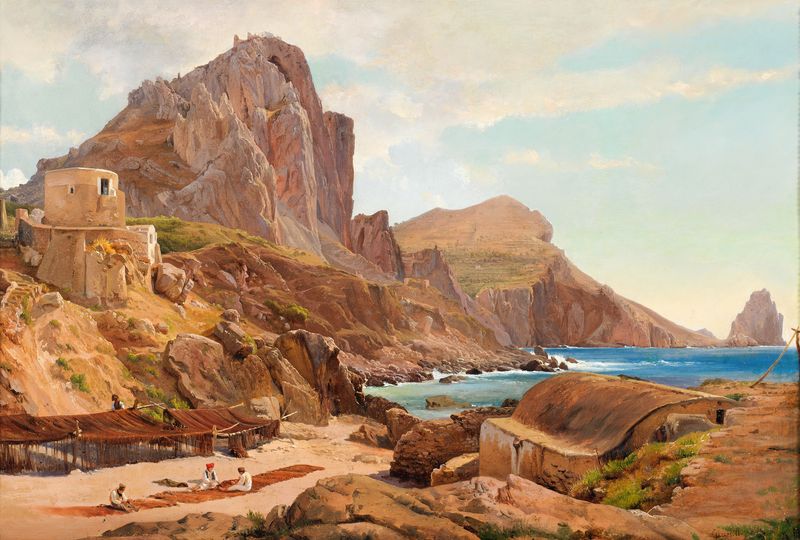
Marina Piccola, Capri
Louis Gurlitt
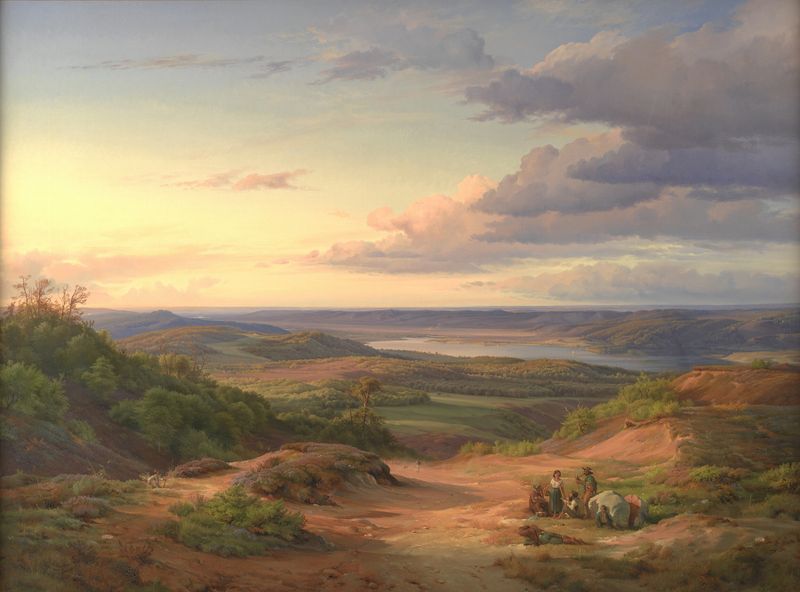
A Landscape near Himmelbjerget, Jutland. In the Foreground a Gypsy Family
Louis Gurlitt
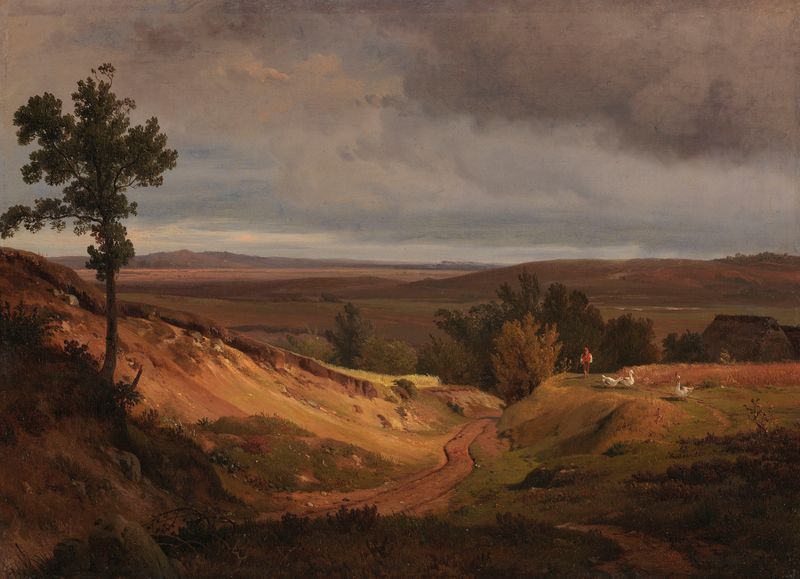
Heidelandschaft bei Silkeborg in Jütland, Dänemark
Louis Gurlitt
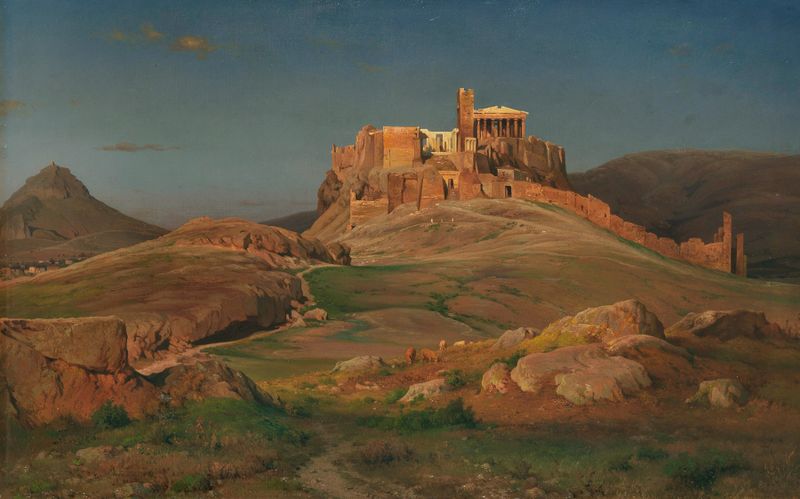
Die Akropolis im Abendlicht
Louis Gurlitt
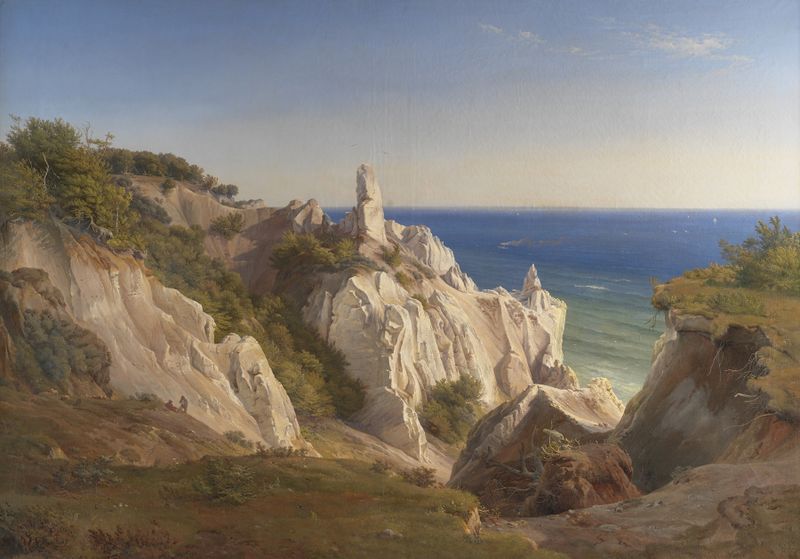
The Cliffs of the Island of Møn
Louis Gurlitt
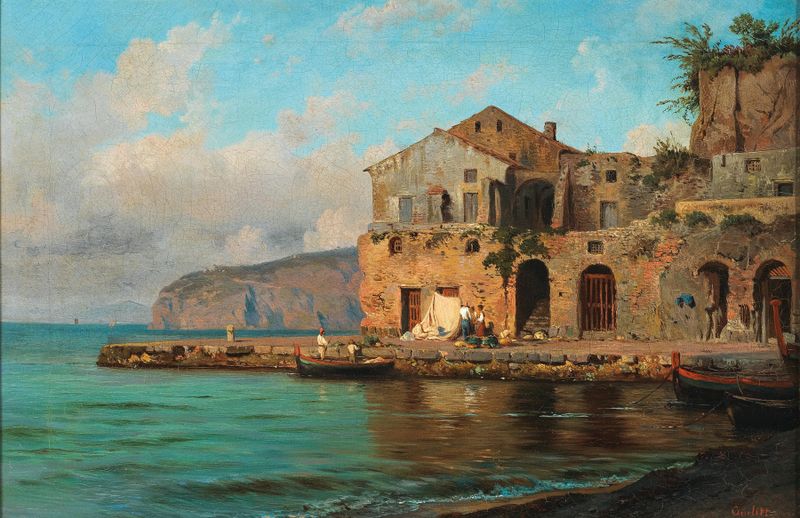
On the Coast of Sorrento
Louis Gurlitt
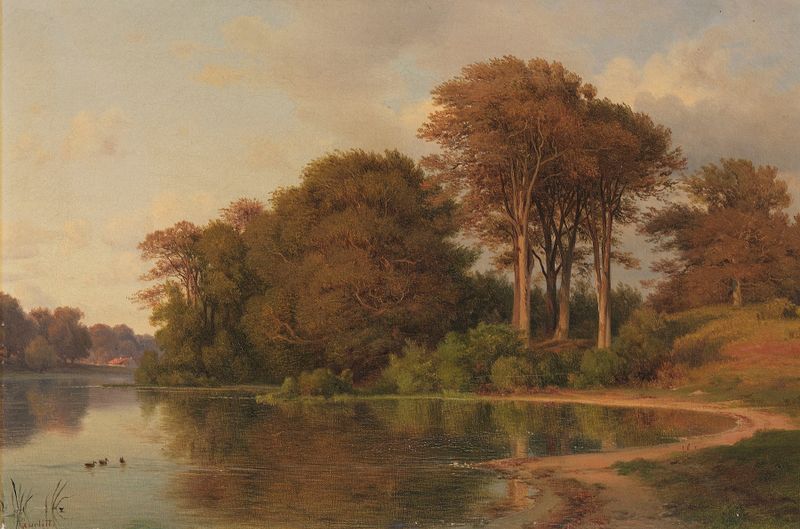
Sommerlandschaft mit Seeufer
Louis Gurlitt
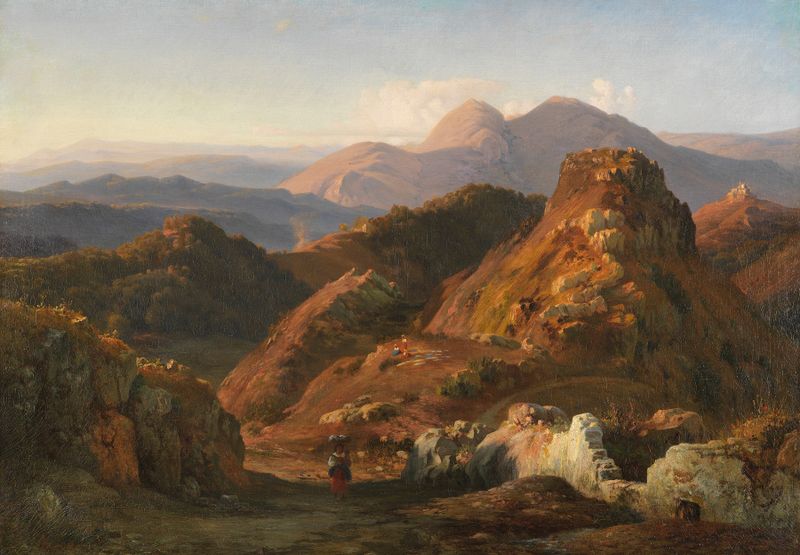
Abendstimmung in den Albaner Bergen
Louis Gurlitt
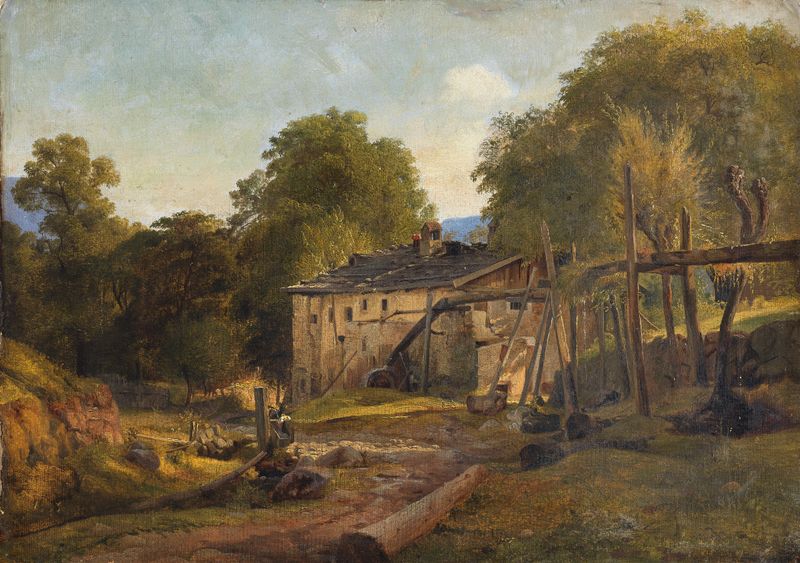
Tyrolean Landscape. Study
Louis Gurlitt

Gebirgslandschaft der Gegend von Dorf Tirol
Louis Gurlitt





