
Die beiden Türme Garisenda und Asinelli in Bologna — History & Facts
When did color learn to lie? In a world where shades can deceive and textures can mislead, the visual symphony of Die beiden Türme Garisenda und Asinelli in Bologna invites you to question the essence of truth in art. Each stroke whispers of a narrative, vibrant yet fraught with the tension of betrayal that lingers in the spaces between the towers. Focus first on the towers themselves, rising like silent sentinels against a dusky sky. The cool blues and earthy ochres breathe life into the robust structures, while delicate lines define their forms.
Notice how the light dances on the surfaces, creating an interplay of shadow that enhances their stoic presence. The play of warm and cold hues ignites a conversation between the historic and the ephemeral, compelling you to linger over every detail and nuance. Hidden within the layers of paint are resonant contrasts: the steadfastness of the towers juxtaposed with the fleeting quality of the twilight that surrounds them. These symbols of Bologna stand tall, yet their shadows stretch long and enigmatic, hinting at the histories and betrayals they have witnessed over centuries.
The emotional depth is palpable, evoking a sense of nostalgia and melancholy—a reminder that even monuments can harbor secrets. Hermann Lismann painted this work in 1924, during a time when Europe was grappling with the aftershocks of World War I and redefining its cultural identity. Living in Italy, Lismann was influenced by the rich history and architecture of Bologna, capturing the towers at a moment when modernism began to embrace the past. This painting stands as both a homage to the city and a reflection of the artist's own quest for meaning amidst a rapidly changing world.
More Artworks by Hermann Lismann
Browse all →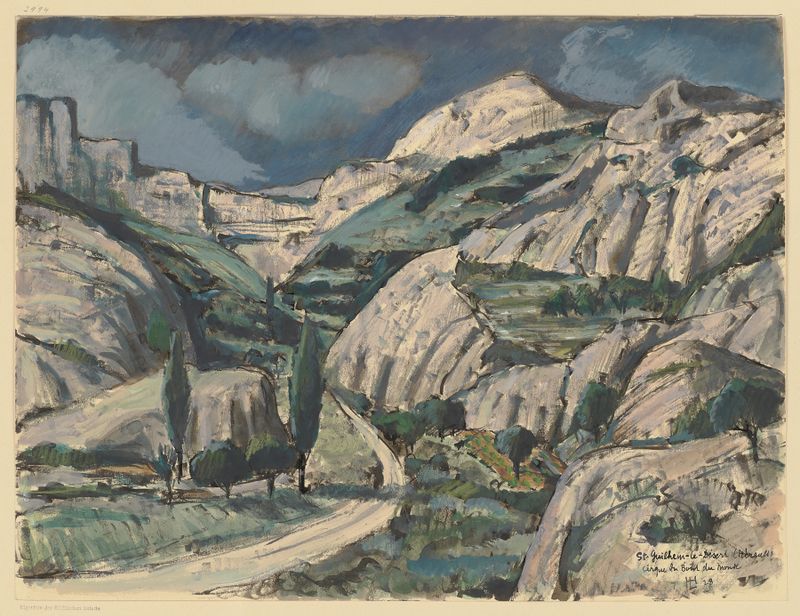
St.-Guilhem-le-Désert (Hérault), cirque du Bout du Monde
Hermann Lismann
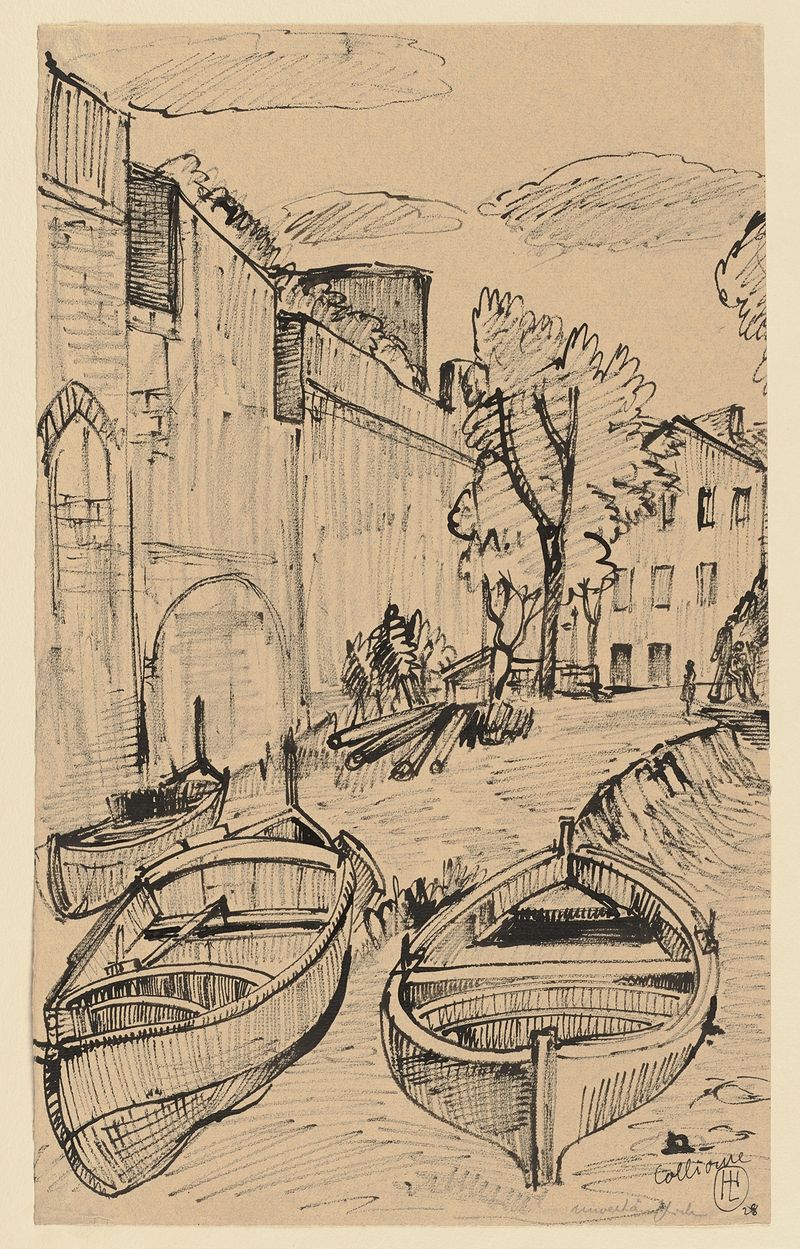
Zwei Boote im Hafen von Collioure
Hermann Lismann
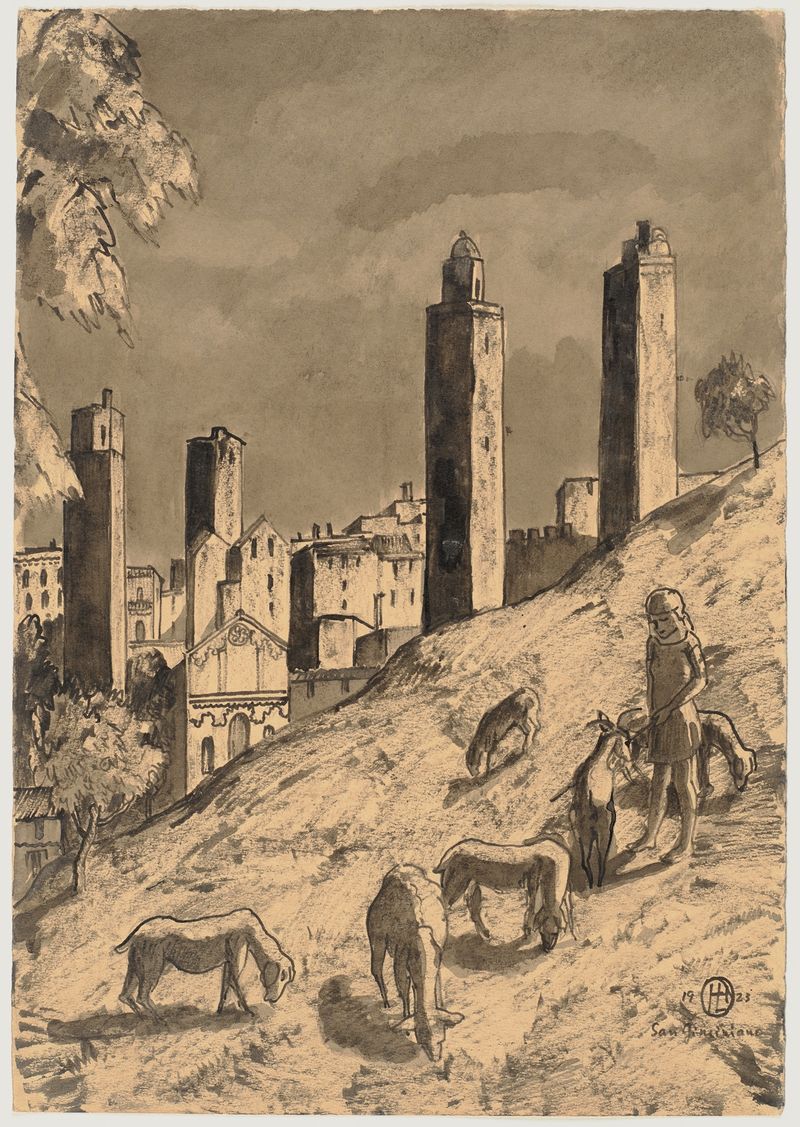
San Gimignano
Hermann Lismann
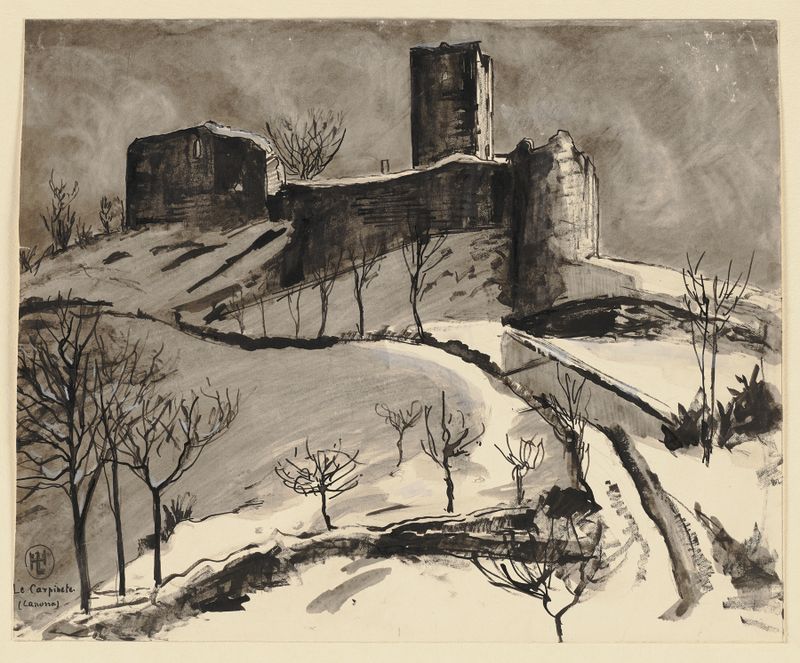
Carpineti castle near Canossa
Hermann Lismann
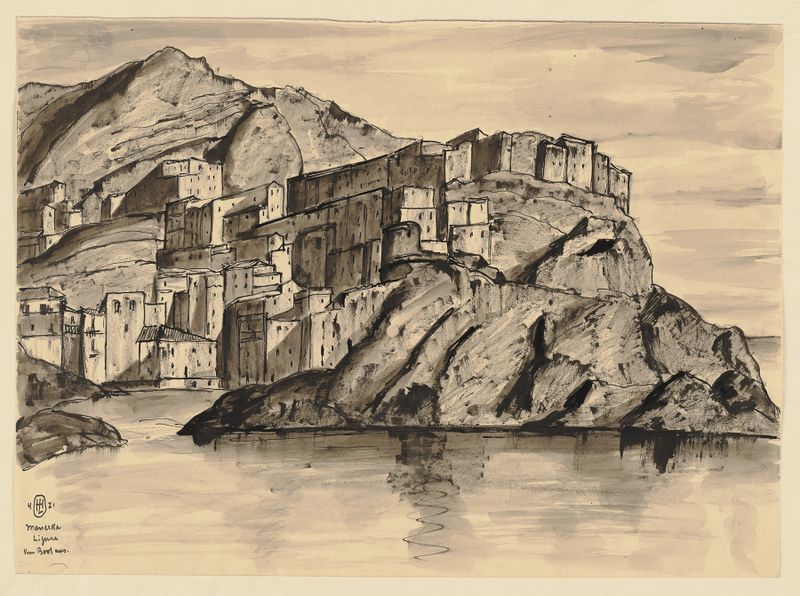
Manarola Liguria vom Boot aus
Hermann Lismann
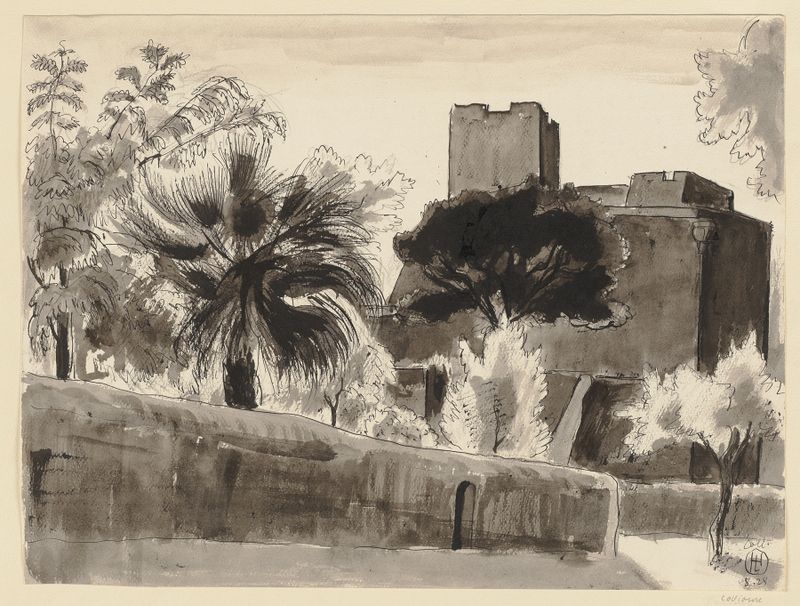
Collioure
Hermann Lismann
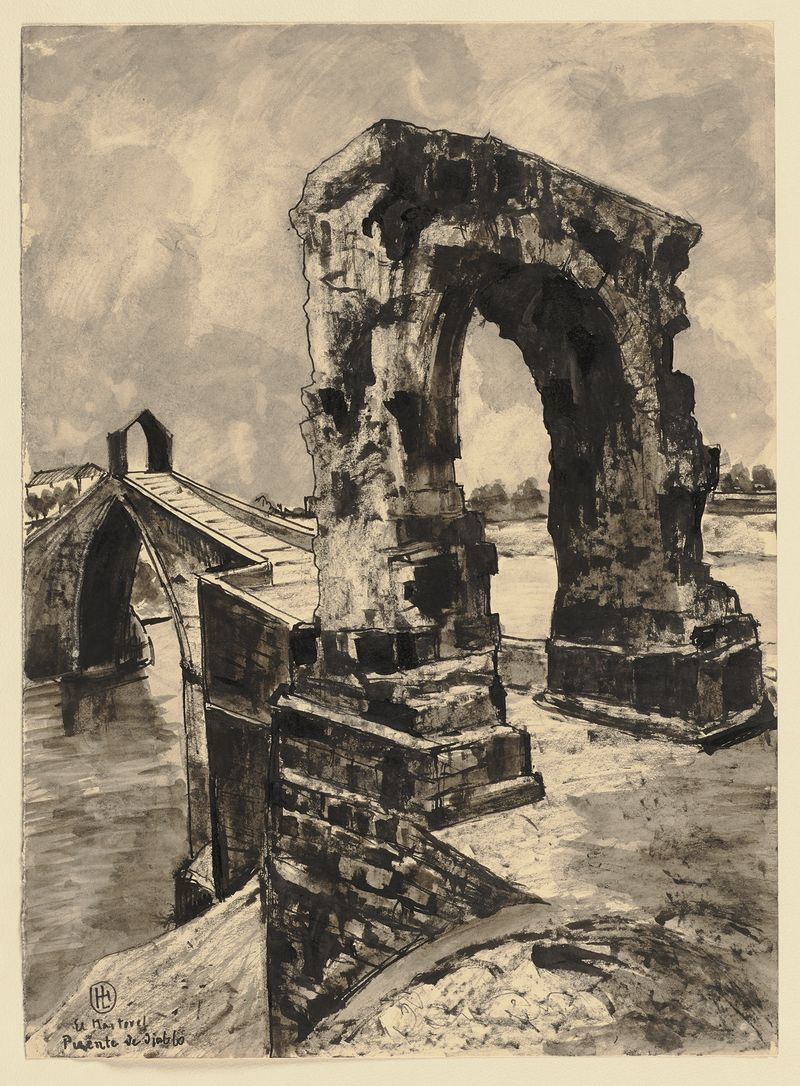
Der Pont del Diable in Martorell
Hermann Lismann
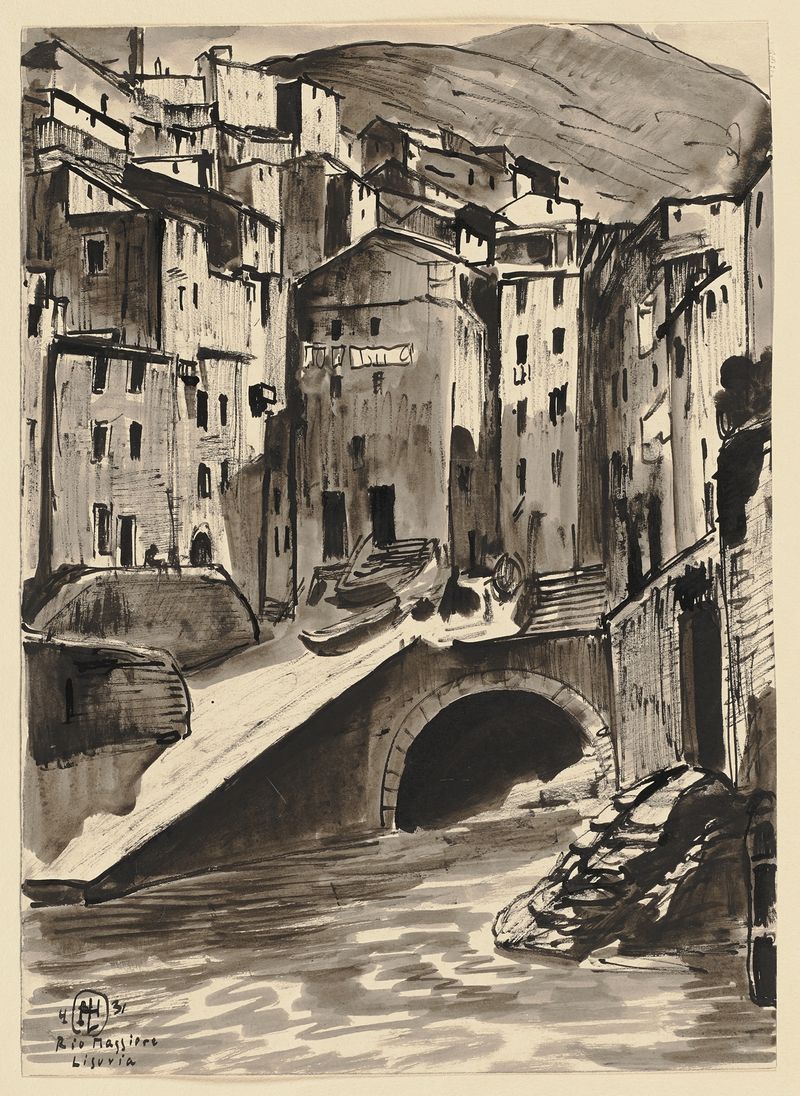
Riomaggiore
Hermann Lismann
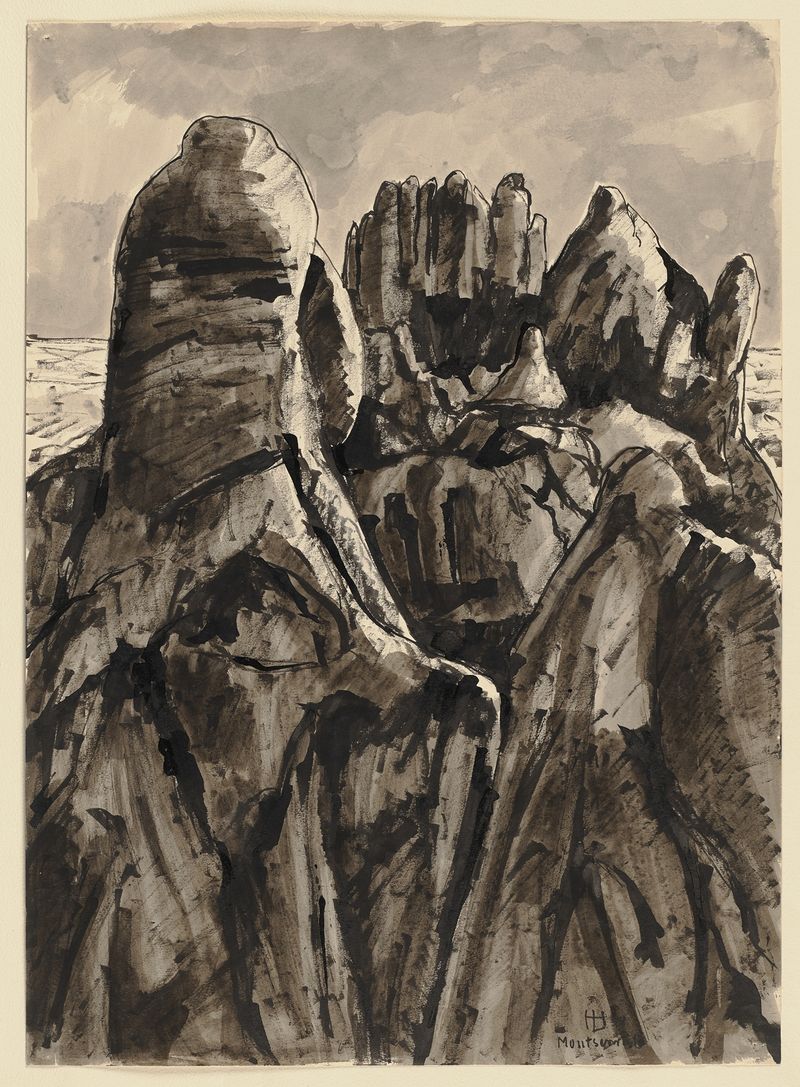
Montserrat
Hermann Lismann
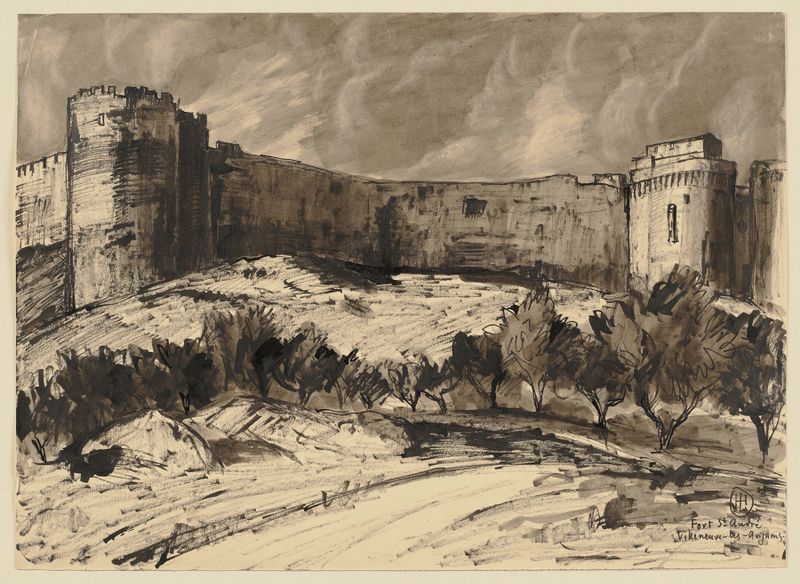
Fort Saint-André in Villeneuve-les-Avignon
Hermann Lismann
More Architecture Art
Browse all →
The statue of Liberty
Frédéric Auguste Bartholdi

View of Houses in Delft, Known as ‘The Little Street’
Johannes Vermeer

View of Houses in Delft, Known as ‘The Little Street’
Johannes Vermeer

The Cathedral in Rouen. The portal, Grey Weather
Claude Monet

The yellow house
Vincent van Gogh

The Church in Auvers-sur-Oise, View from the Chevet
Vincent van Gogh