
St.-Guilhem-le-Désert (Hérault), cirque du Bout du Monde — History & Facts
In the quietude of creation, a world of vibrant hues and delicate forms emerges, inviting the viewer to explore the interplay of light and shadow. Look to the center of the canvas where a cascade of greens and earth tones converge. The swirling, organic shapes draw your eye, evoking the rolling hills and rugged cliffs of St.-Guilhem-le-Désert. Notice how the artist employs soft brushstrokes to create a sense of movement, as if the landscape itself breathes with life.
The juxtaposition of vibrant colors against muted backgrounds enhances this sense of dynamism, while the careful layering reveals a depth that suggests both physical space and emotional complexity. The tension between color and form echoes the delicate balance of nature itself. Hidden within the vibrant palette are whispers of the unseen—the jagged edges of rocks may symbolize resilience, while the lush greenery connotes renewal. This duality prompts reflection on creation’s transformative power, hinting at the struggles and triumphs inherent in both nature and artistic expression. In 1928, Lismann was deeply engaged in the exploration of post-Impressionist landscapes, inspired by the same natural beauty that surrounded his life in France.
During this time, the art world was shifting, with movements like Surrealism beginning to take root, yet Lismann remained committed to capturing the essence of his subjects through vivid color and emotional depth. His works reflect an era of transition, eloquently merging tradition with new ideas.
More Artworks by Hermann Lismann
Browse all →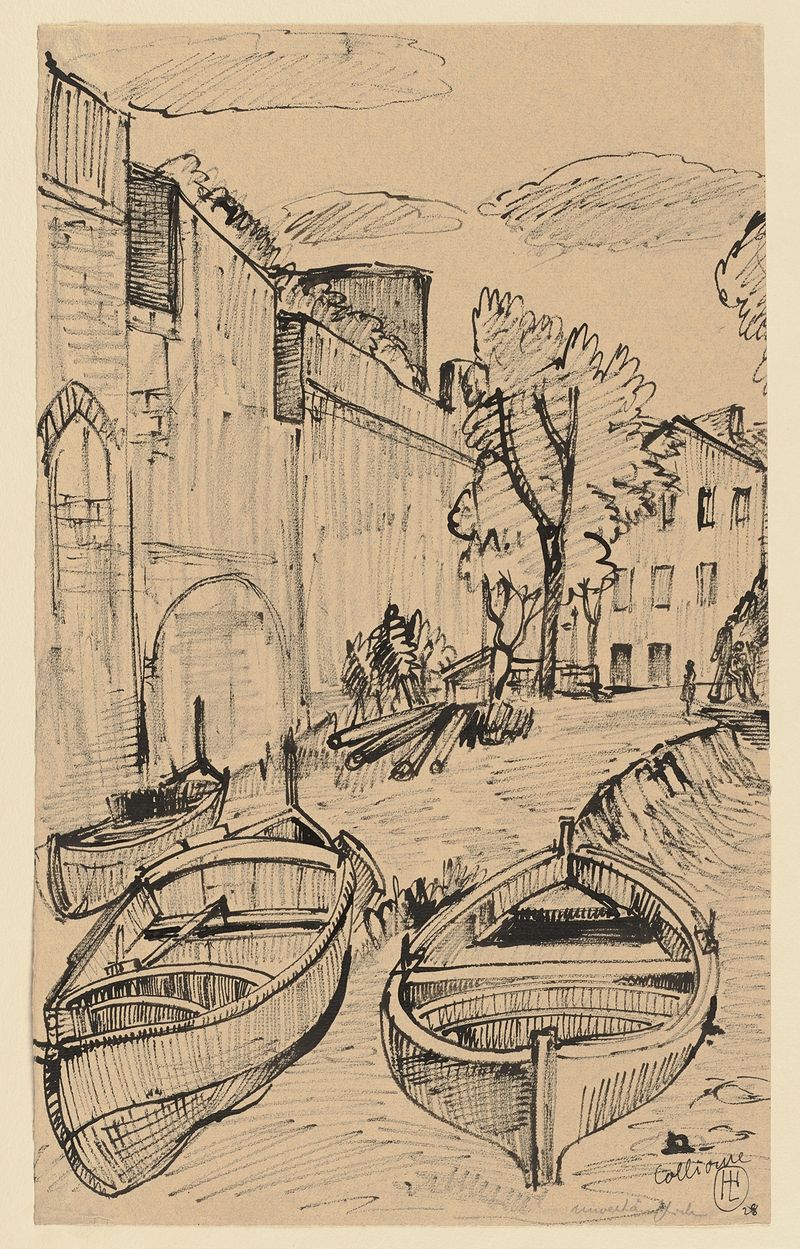
Zwei Boote im Hafen von Collioure
Hermann Lismann
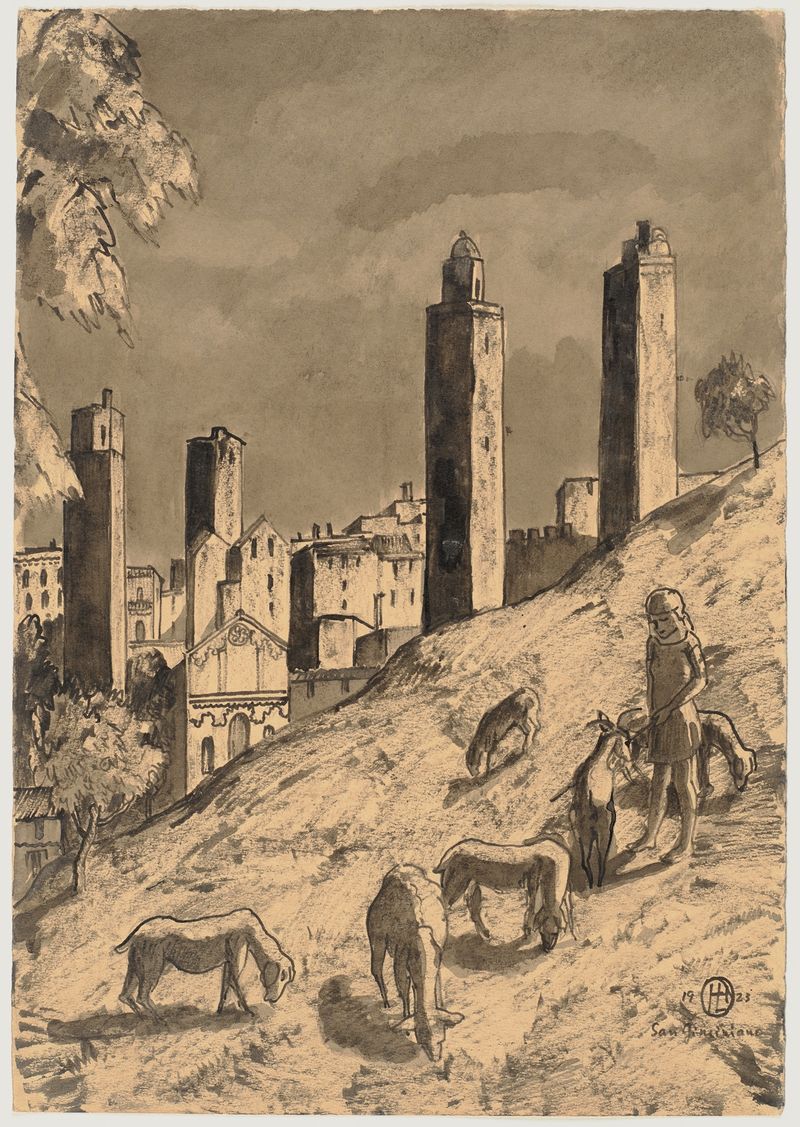
San Gimignano
Hermann Lismann
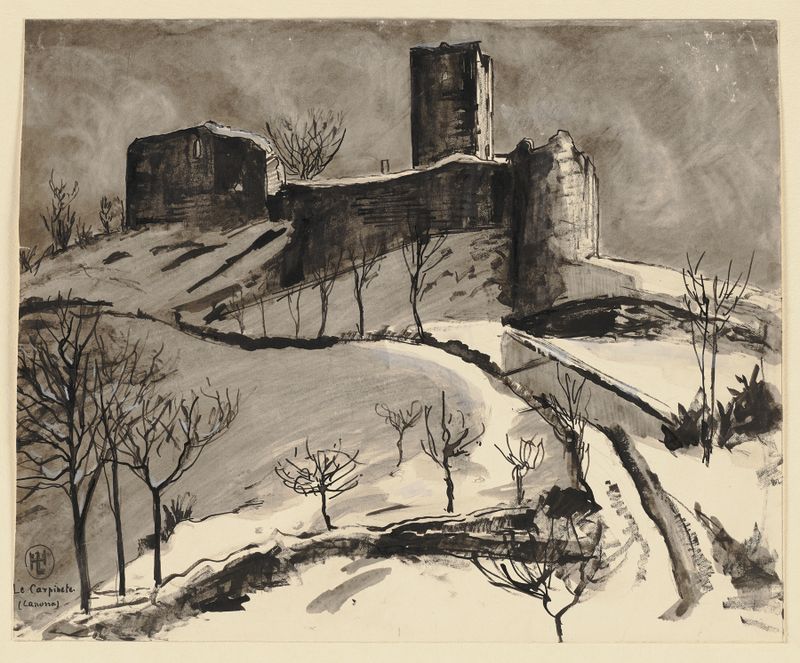
Carpineti castle near Canossa
Hermann Lismann
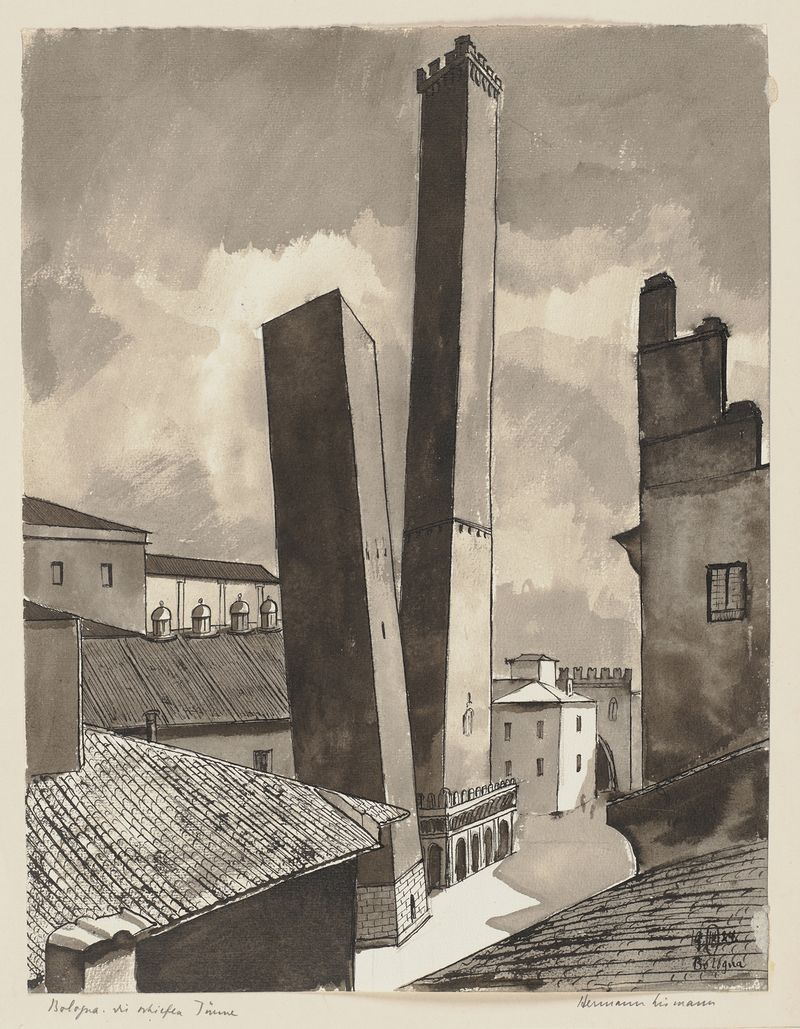
Die beiden Türme Garisenda und Asinelli in Bologna
Hermann Lismann
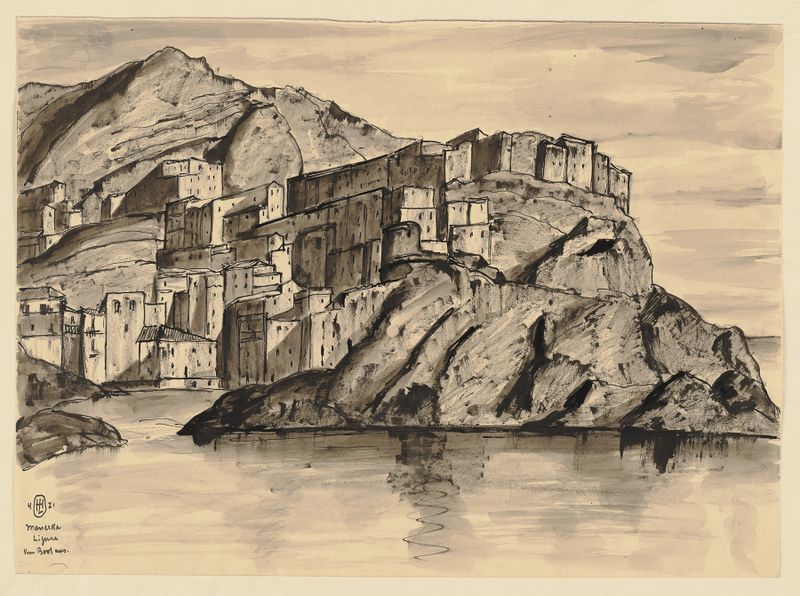
Manarola Liguria vom Boot aus
Hermann Lismann
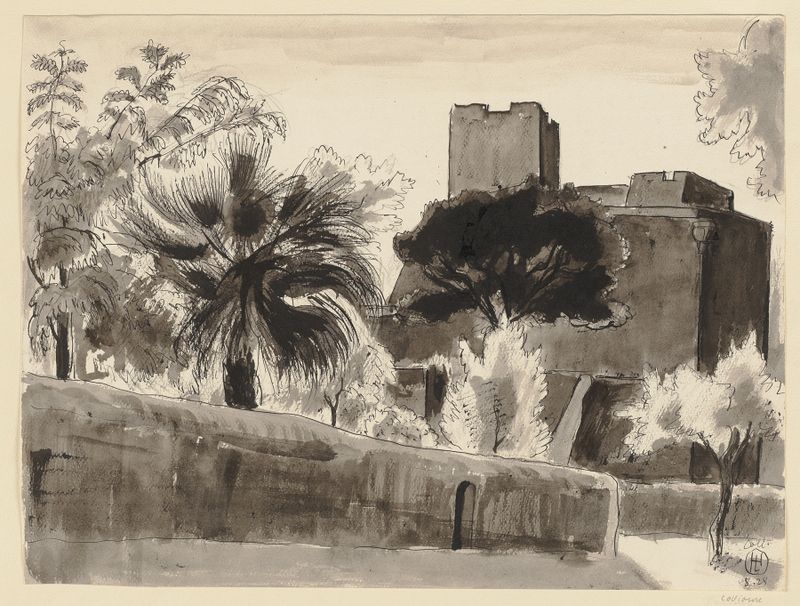
Collioure
Hermann Lismann
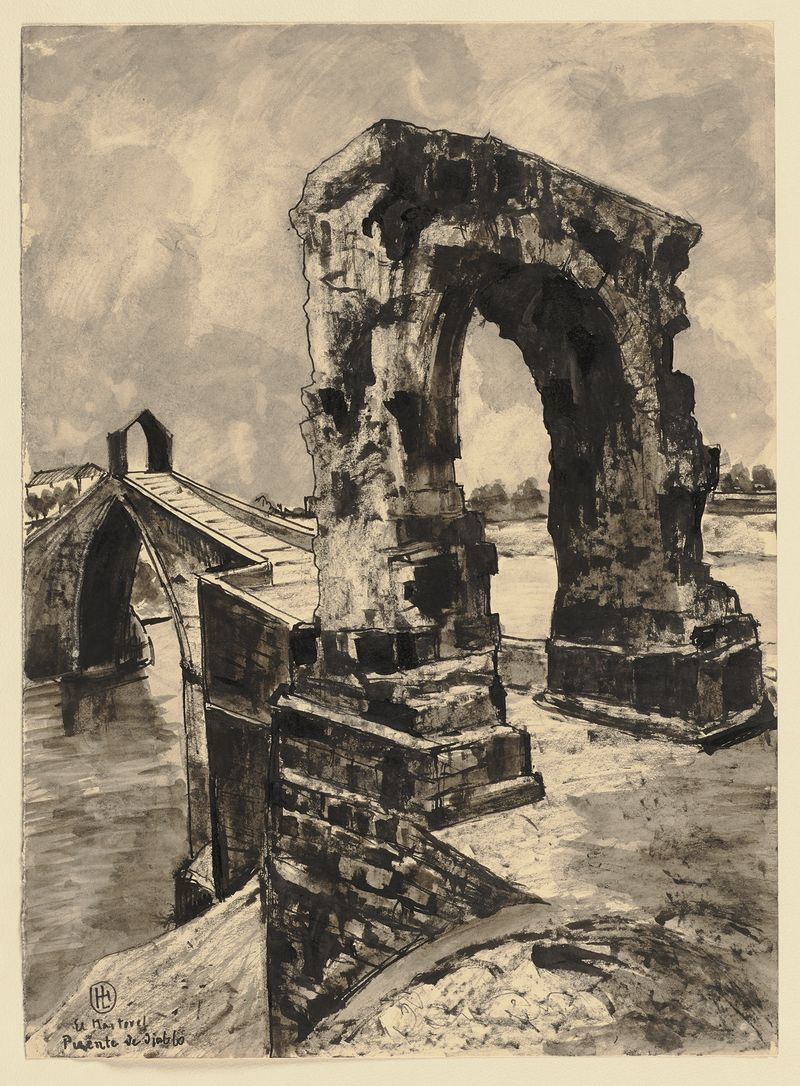
Der Pont del Diable in Martorell
Hermann Lismann
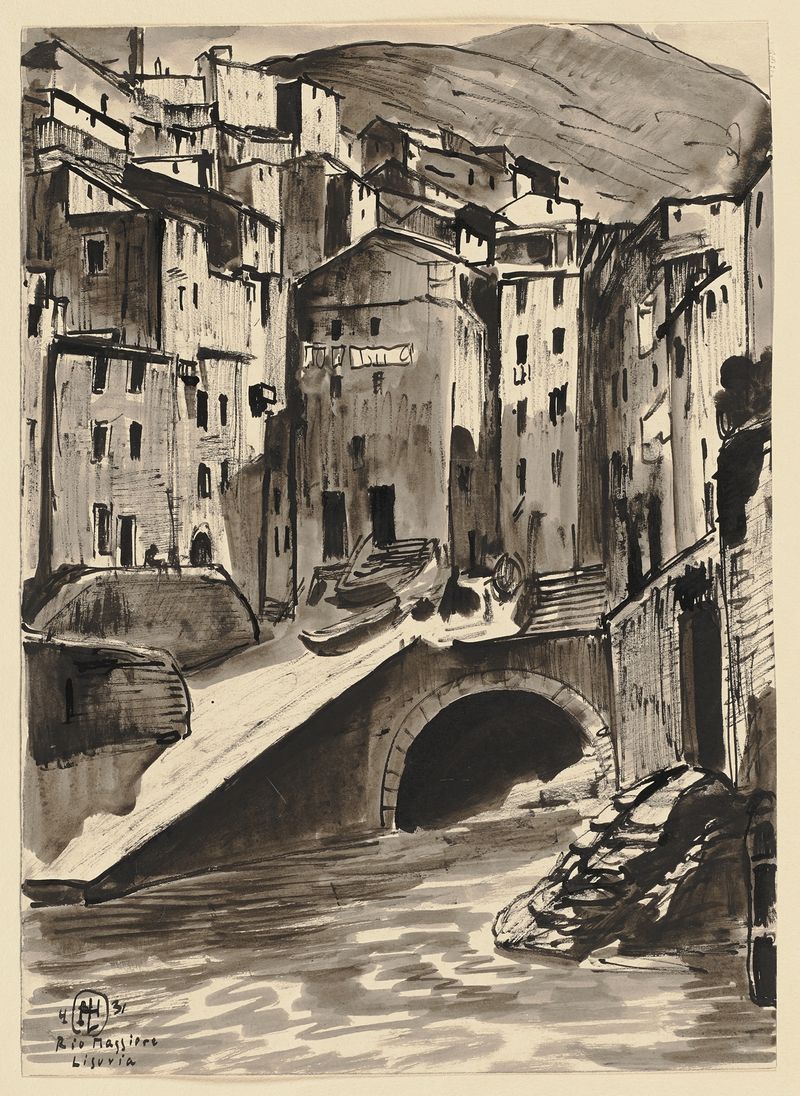
Riomaggiore
Hermann Lismann
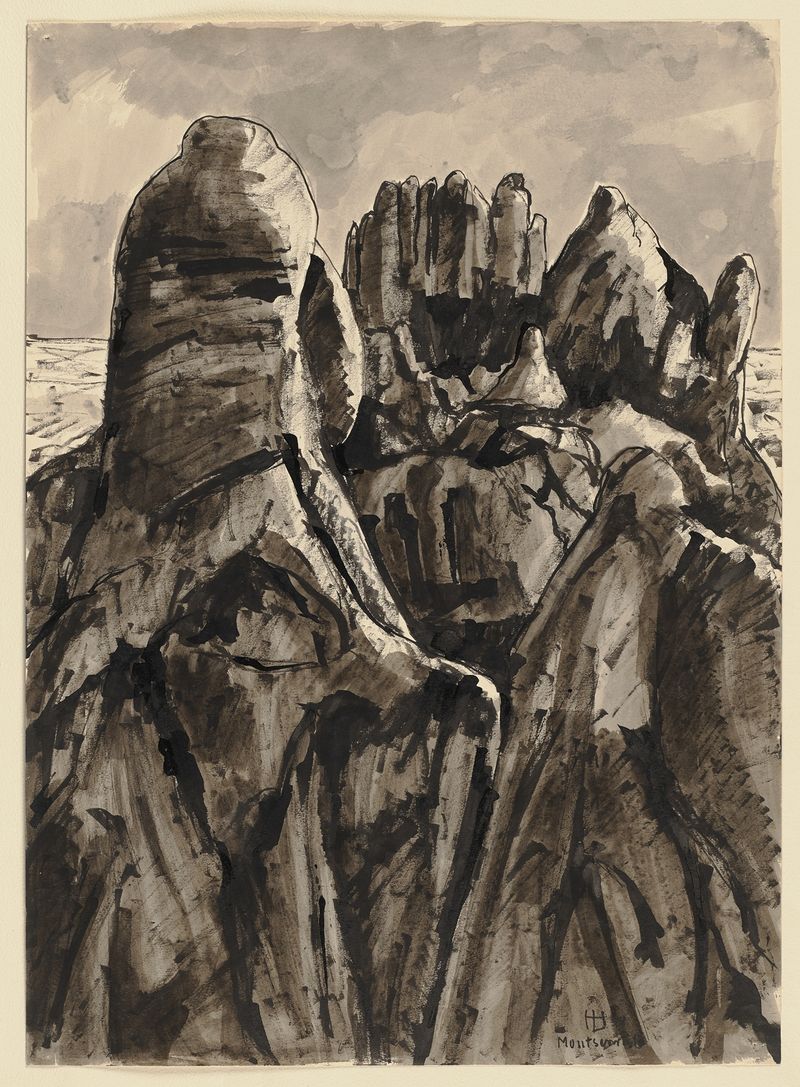
Montserrat
Hermann Lismann
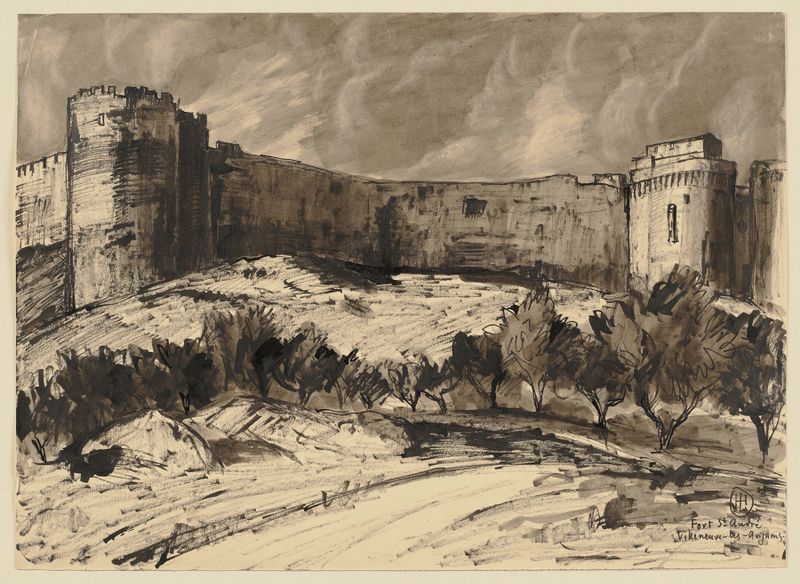
Fort Saint-André in Villeneuve-les-Avignon
Hermann Lismann





