
Montserrat — History & Facts
What if silence could speak through light? In Montserrat, the interplay of shadow and illumination invites us to ponder mortality and the transient nature of existence. Look to the center, where the rocky cliffs rise majestically against a backdrop of soft gradients. The warm hues of ochre and amber contrast with deep indigos and charcoal greys, creating a striking visual dialogue. Notice how the light spills across the rugged terrain, sculpting each crevice and peak with a gentle caress that suggests both beauty and impermanence.
This delicate balance draws the eye to the intersection of nature's grandeur and its inherent fragility. Here lies the essence of the piece: the mountains, eternally steadfast yet constantly eroded, mirror the human condition. The ethereal glow enveloping the peaks evokes a sense of reverence, as if capturing a moment of fleeting grace. The juxtaposition of firm rock and ephemeral light presents a poignant reminder of our own temporal journey, a reminder that beauty exists even in the face of decay. Hermann Lismann created Montserrat in 1928, during a period marked by profound social and artistic change in Europe.
Living in a tumultuous time, he explored themes of nature and humanity, reflecting a deep engagement with the existential questions of his era. His work emerged amid the rise of modernism, as artists sought new ways to express the complexities of life, confronting both beauty and mortality with fresh perspectives.
More Artworks by Hermann Lismann
Browse all →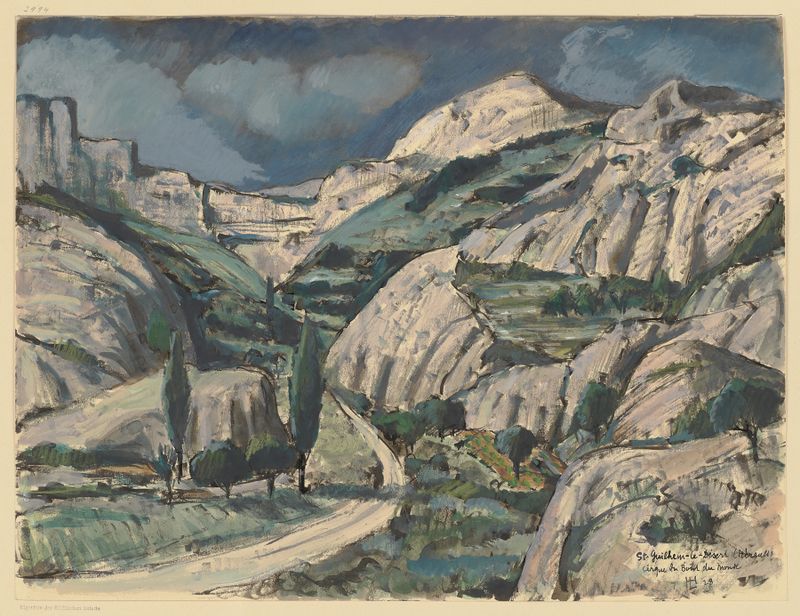
St.-Guilhem-le-Désert (Hérault), cirque du Bout du Monde
Hermann Lismann
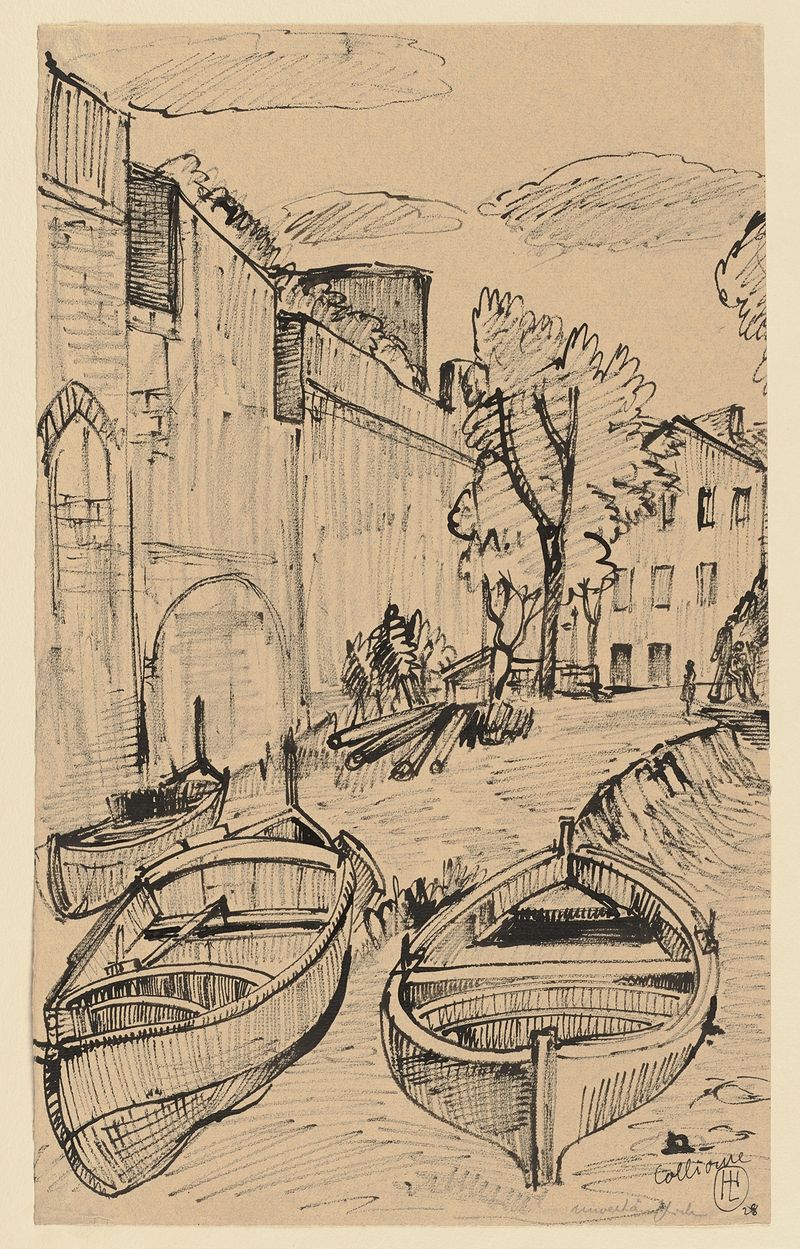
Zwei Boote im Hafen von Collioure
Hermann Lismann
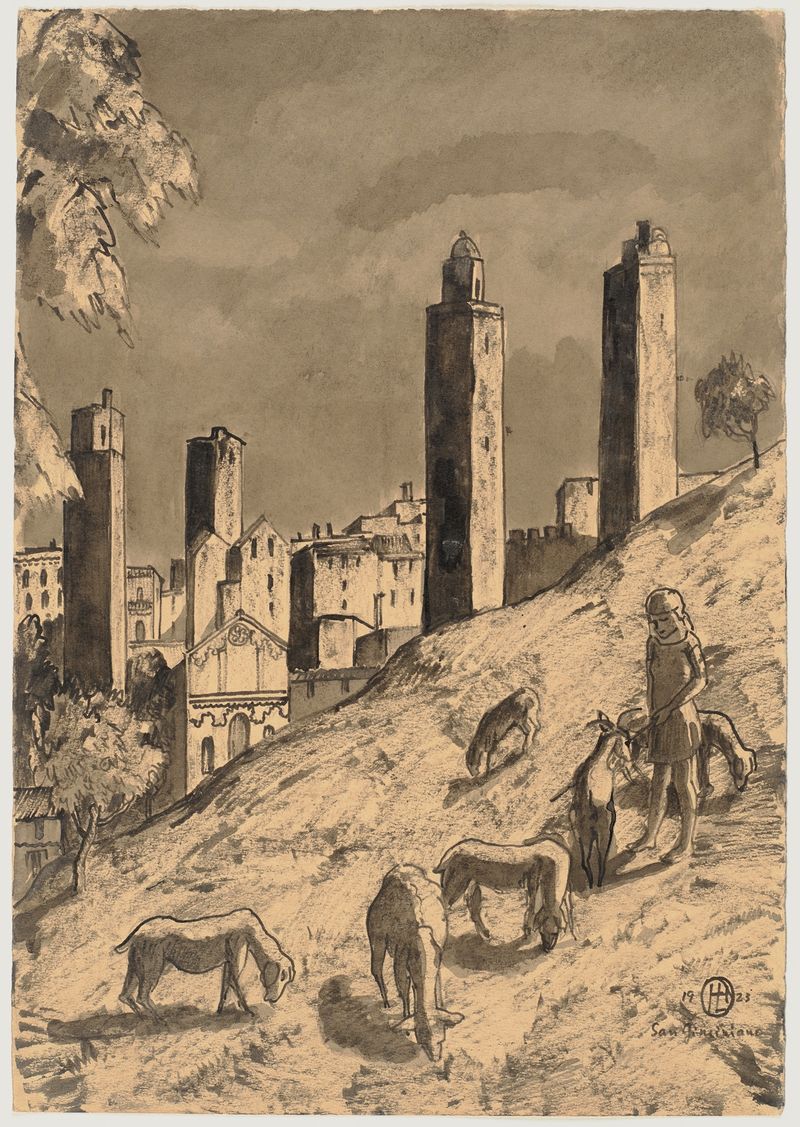
San Gimignano
Hermann Lismann
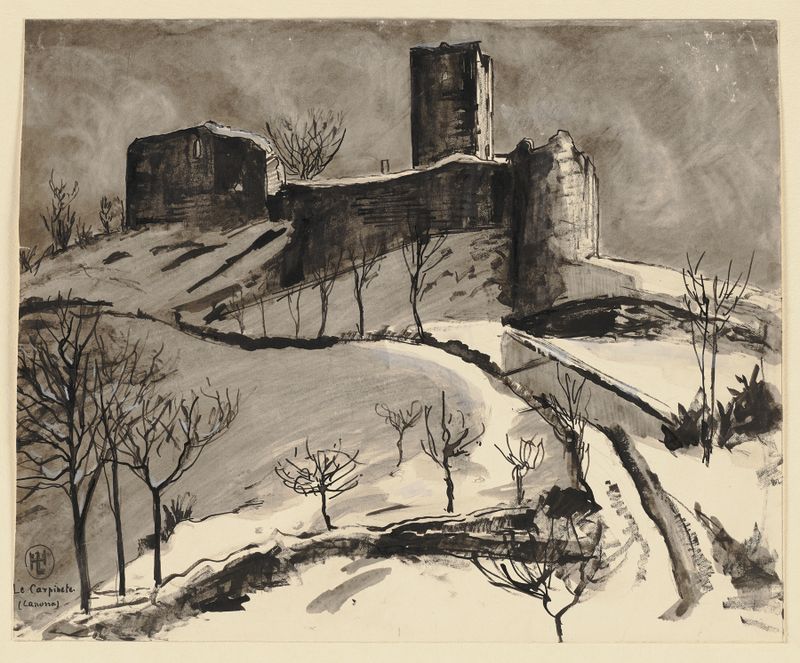
Carpineti castle near Canossa
Hermann Lismann
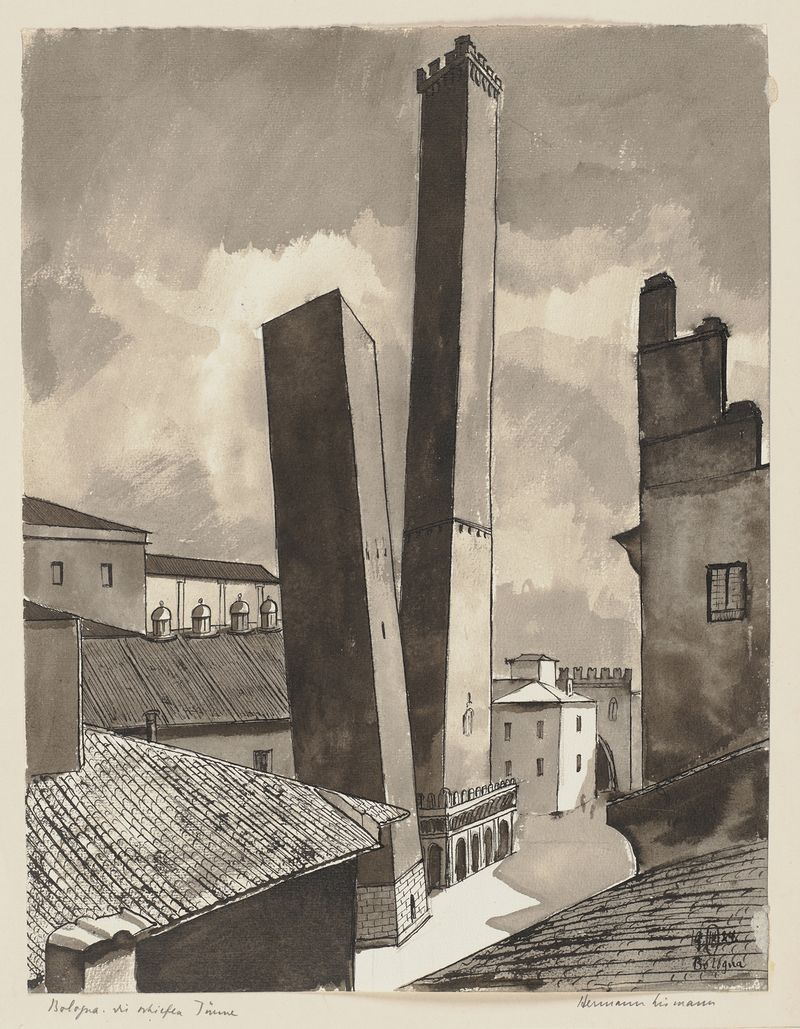
Die beiden Türme Garisenda und Asinelli in Bologna
Hermann Lismann
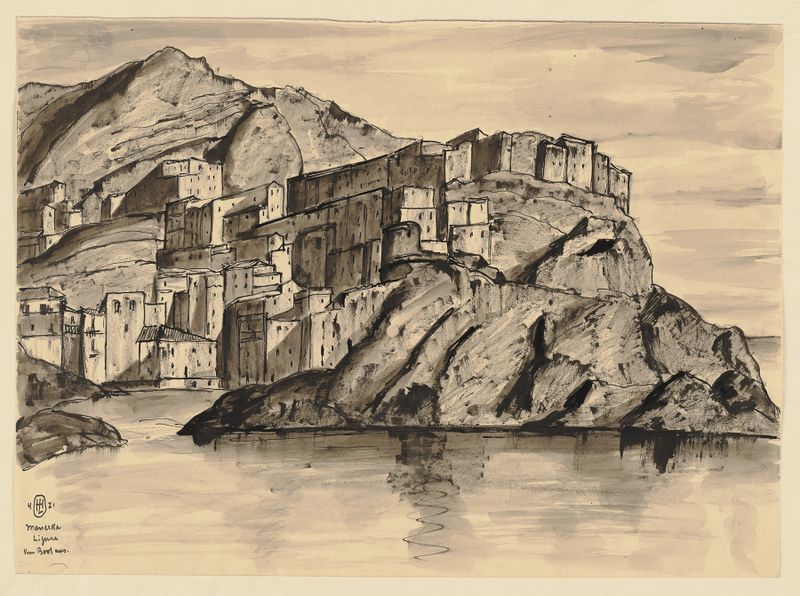
Manarola Liguria vom Boot aus
Hermann Lismann
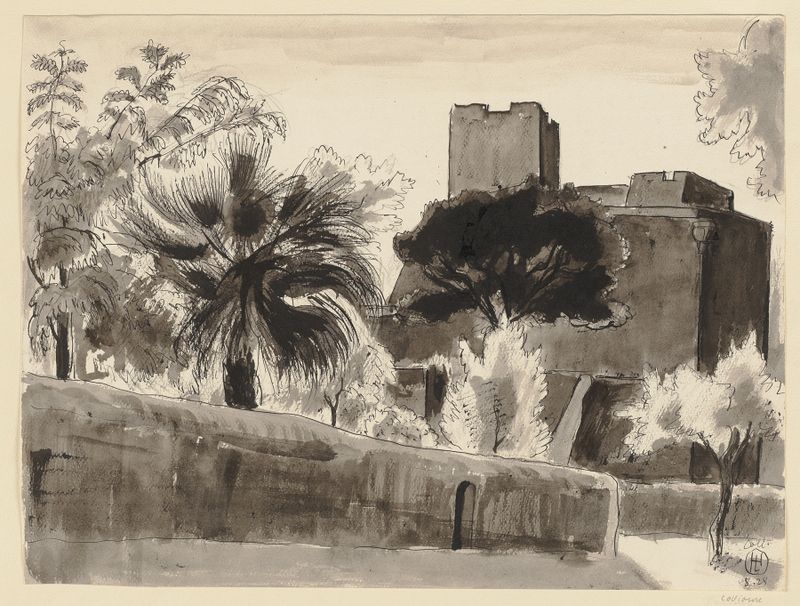
Collioure
Hermann Lismann
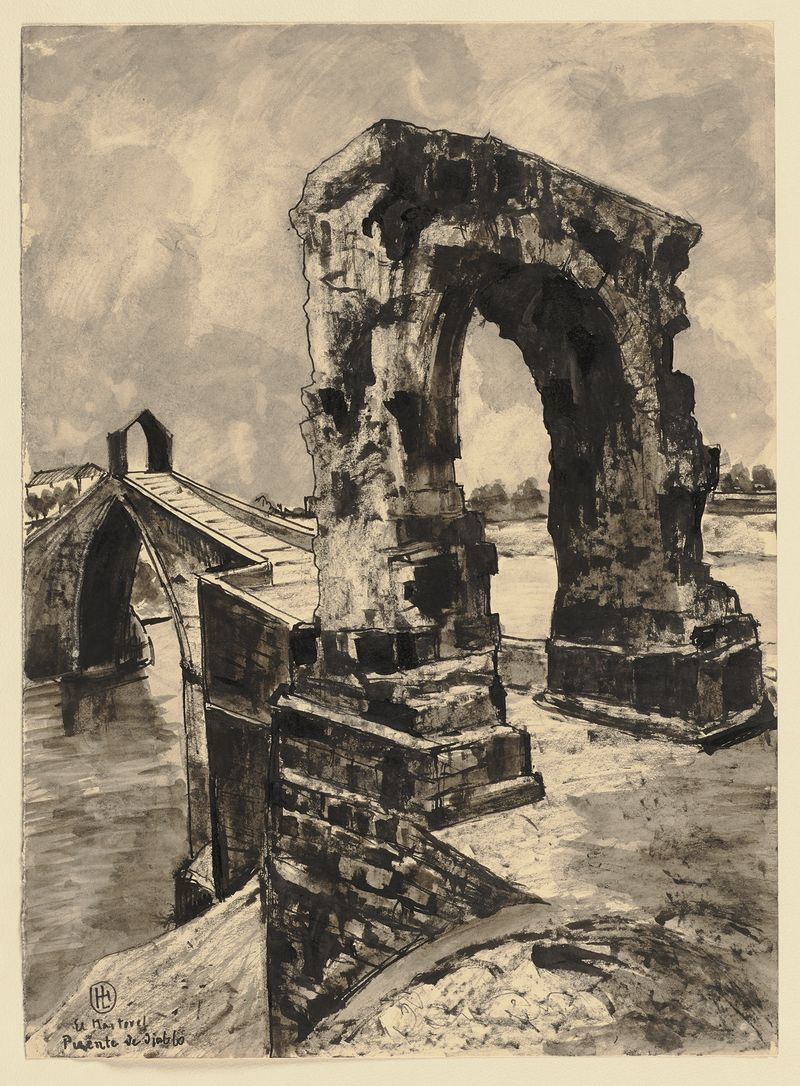
Der Pont del Diable in Martorell
Hermann Lismann
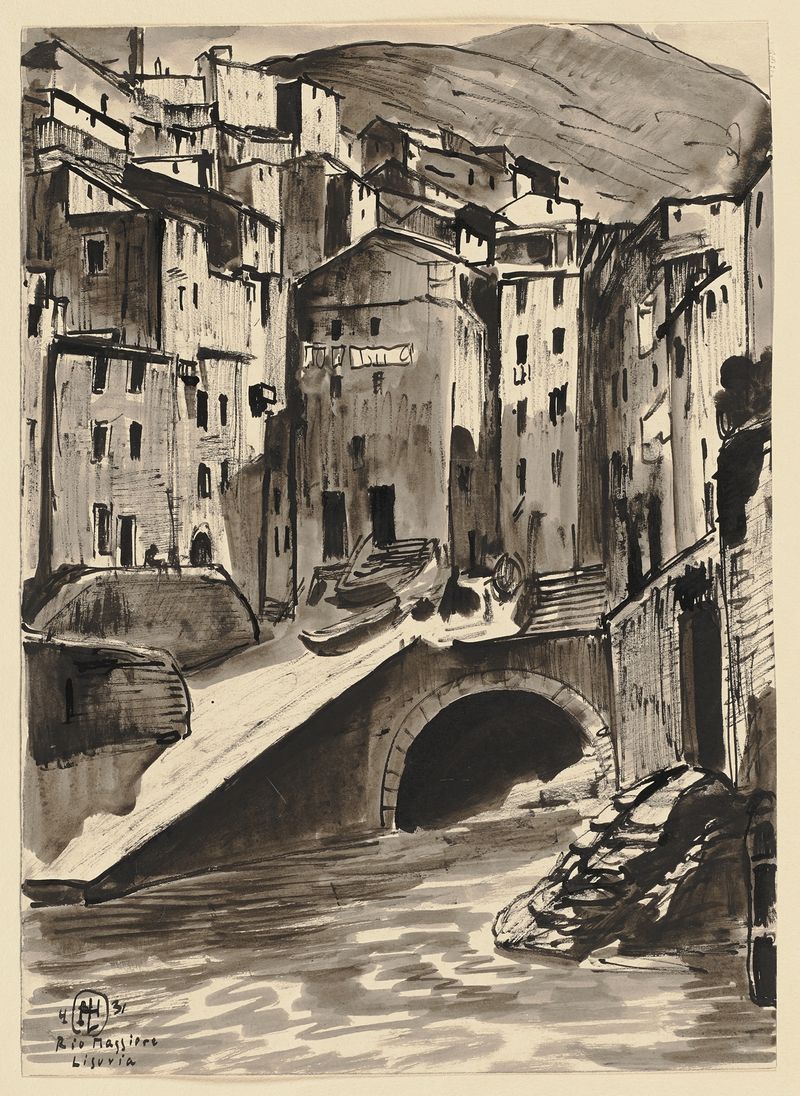
Riomaggiore
Hermann Lismann
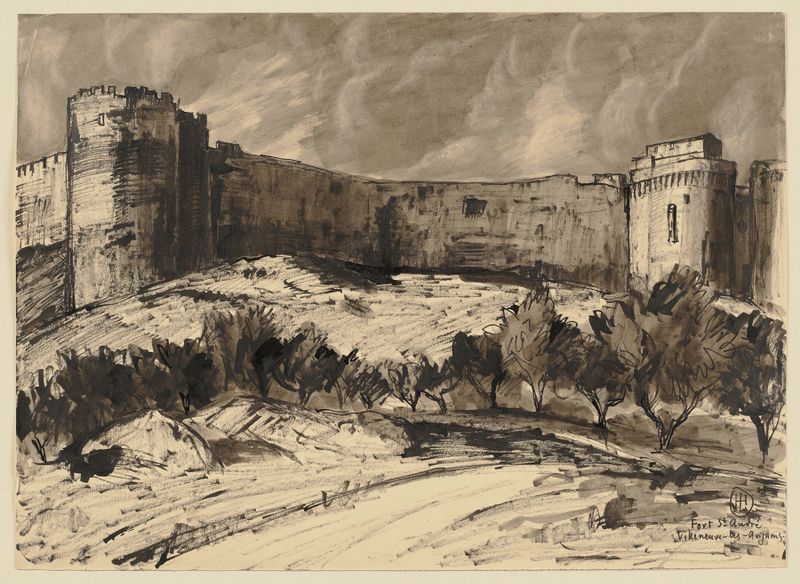
Fort Saint-André in Villeneuve-les-Avignon
Hermann Lismann





