
Discover insights about this artwork
Die Jugend — History & Facts
In Die Jugend, Gustav Klimt presents a vibrant scene filled with rich colors and intricate patterns. The painting features figures that embody youth, surrounded by a lush, decorative background. The use of gold and bright hues creates a lively atmosphere.
The figures are adorned with flowing garments that enhance their graceful movements. The painting is characterized by Klimt's signature style, which includes decorative elements and a focus on the human form. The intricate patterns and textures invite viewers to explore the details. The use of oil on canvas allows for a depth of color and luminosity that is typical of Klimt's work.
The composition balances figures with ornamental motifs, creating a harmonious visual experience. Die Jugend was created during a period when Klimt was heavily influenced by the Symbolist movement. This work reflects his interest in themes of youth and beauty, common in his oeuvre. An interesting fact about this painting is its connection to the Vienna Secession, a movement Klimt co-founded, which sought to challenge traditional artistic conventions.
Klimt's exploration of allegory in this piece showcases his innovative approach to art.
More Artworks by Gustav Klimt
The kiss
Gustav Klimt
Portrait of Adele Bloch-Bauer I
Gustav Klimt
Judith II (Salome)
Gustav Klimt
Woman with fan
Gustav Klimt
The kiss (lovers)
Gustav Klimt
Portrait of Rose von Rosthorn-Friedmann
Gustav Klimt
Judith
Gustav Klimt
Mäda Primavesi
Gustav Klimt
Study for Portrait of Adele Bloch-Bauer I
Gustav Klimt
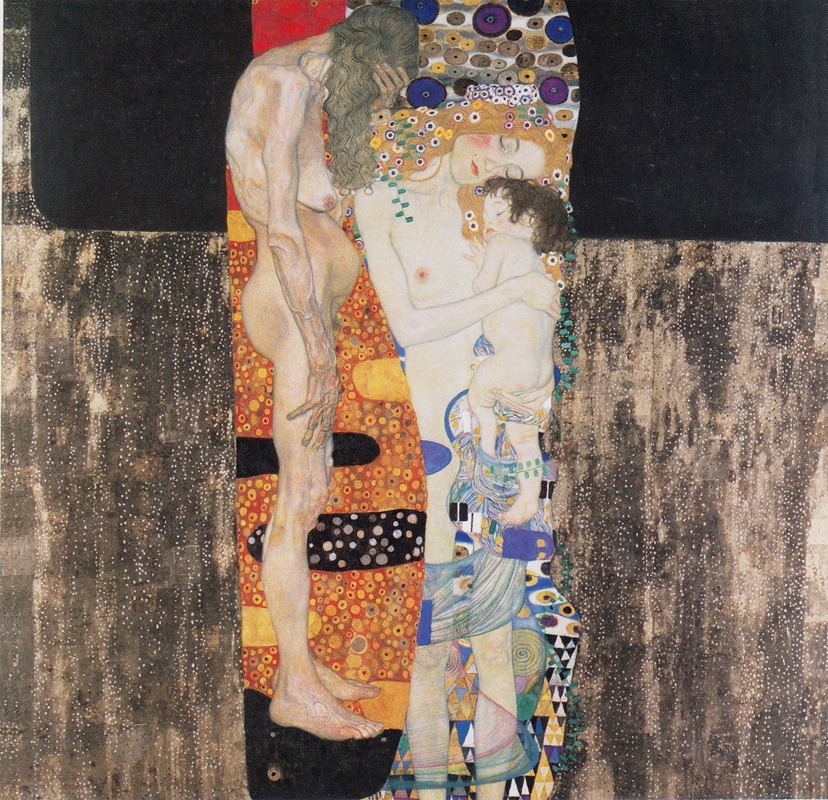
The Three Ages of the Woman
Gustav Klimt
More Allegory Art
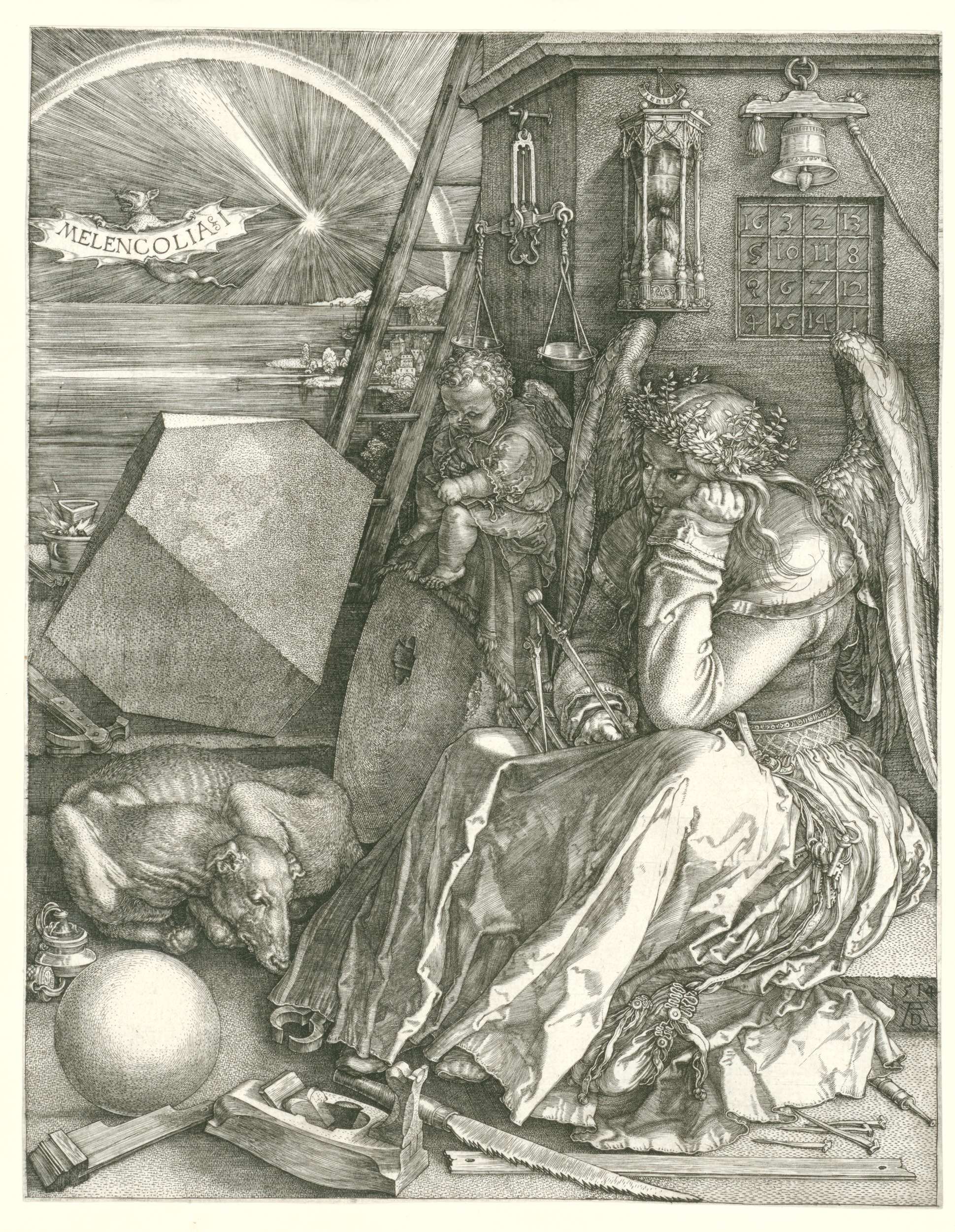
Melancholia
Albrecht Dürer
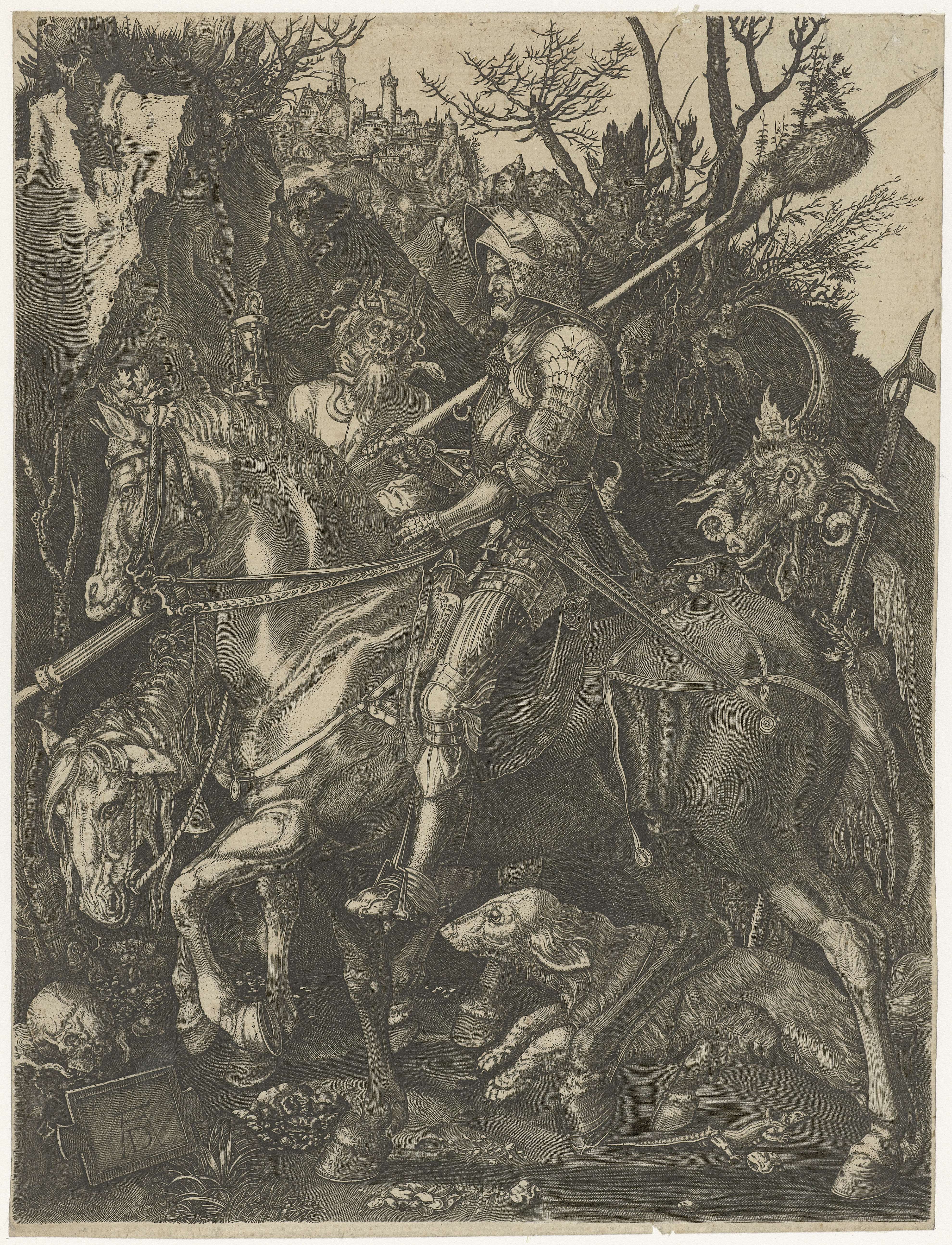
Ridder, Dood en Duivel
Unknown Artist
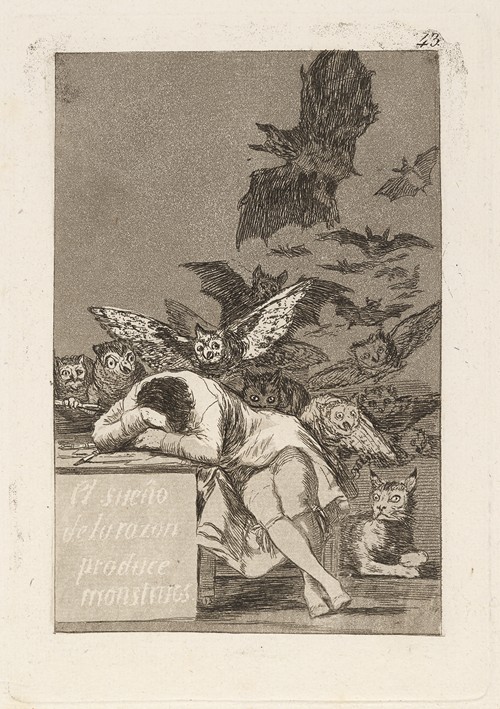
El sueño de la razon produce monstruos. (The sleep of reason produces monsters.)
Francisco de Goya
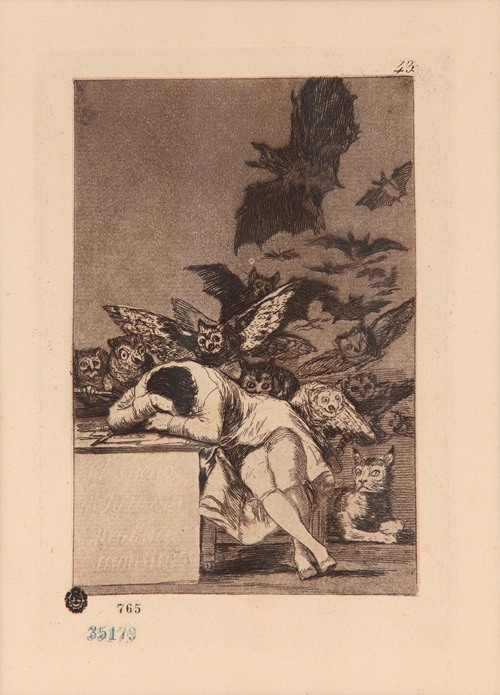
El sueño de la razon produce moustruos (Serie Caprichos)
Francisco de Goya
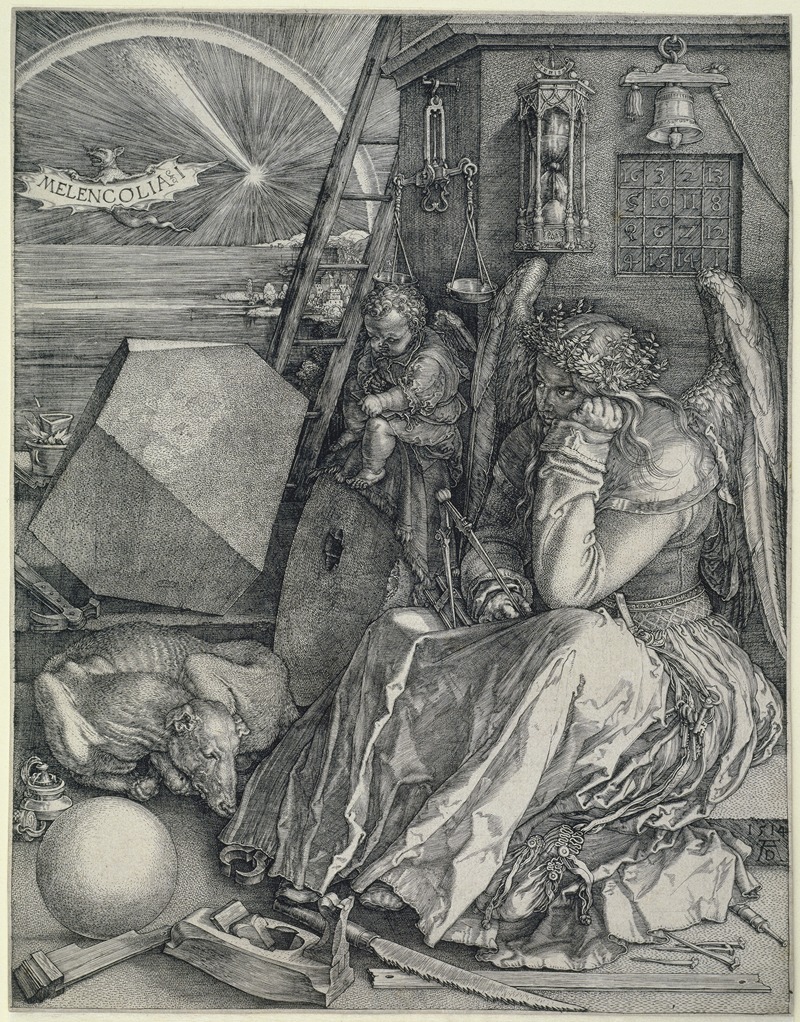
Melencolia I (The Melancholy)
Albrecht Dürer
The Three Ages of the Woman
Gustav Klimt