
Die Oswaldkapelle bei Höllsteig im Höllental — History & Facts
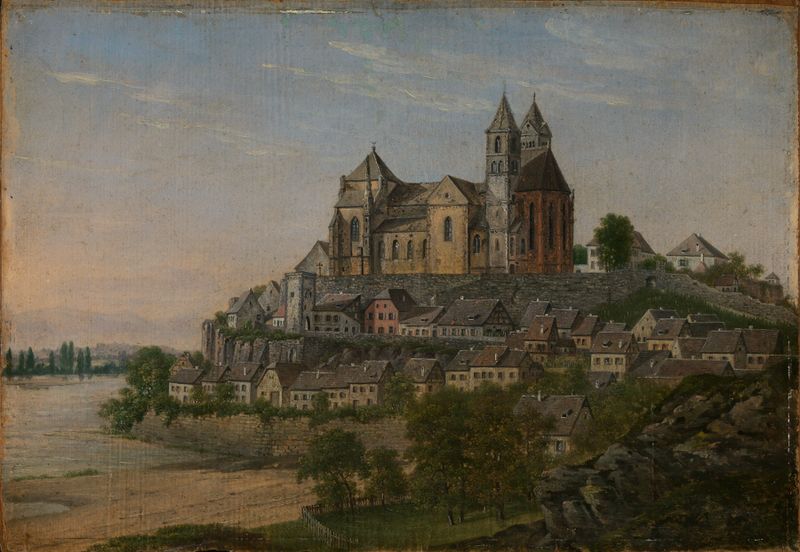
In the delicate strokes of the composition, rebirth emerges as an echo of lost moments yearning to be reclaimed. Focus first on the chapel nestled among the verdant landscape, its form standing resolute against the backdrop of the Höllental's dramatic cliffs. The soft greens and earthy browns envelop the structure, while dappled light filters through the trees, casting a gentle glow on the weathered stone. Notice how the artist’s brushwork breathes life into the foliage, each leaf a testament to the passage of time, capturing both the resilience and fragility of nature. In this scene, contrasts flourish—between architecture and wilderness, permanence and transience.
The chapel, a symbol of spiritual sanctuary, invites contemplation amidst the wild beauty surrounding it, suggesting a harmonious coexistence. The interplay of shadow and light not only evokes a sense of serenity but also reflects the dual journey of life: the inevitable decay paired with the potential for renewal. Georg Wilhelm Issel created this work during a period when landscape painting began to embrace expressive naturalism, reflecting a growing fascination with the sublime aspects of nature. Little is documented about his life during the time of this painting, yet it is clear that his art sought to capture the essence of the German countryside, amidst shifts in art movements that celebrated emotion and beauty in the everyday landscape.
More Artworks by Georg Wilhelm Issel
Browse all →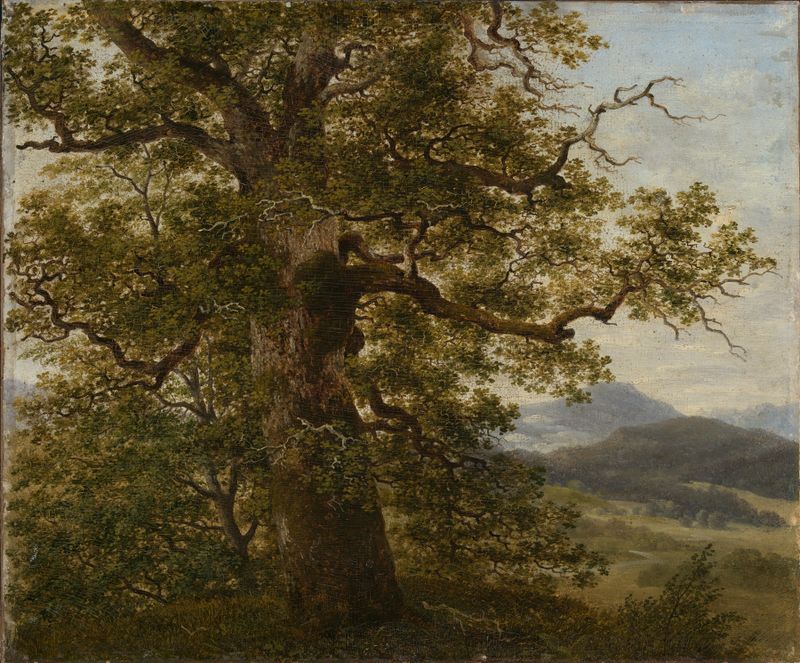
Eichbaum in Landschaft
Georg Wilhelm Issel

Felsenstudie
Georg Wilhelm Issel

Ruine mit Haus
Georg Wilhelm Issel
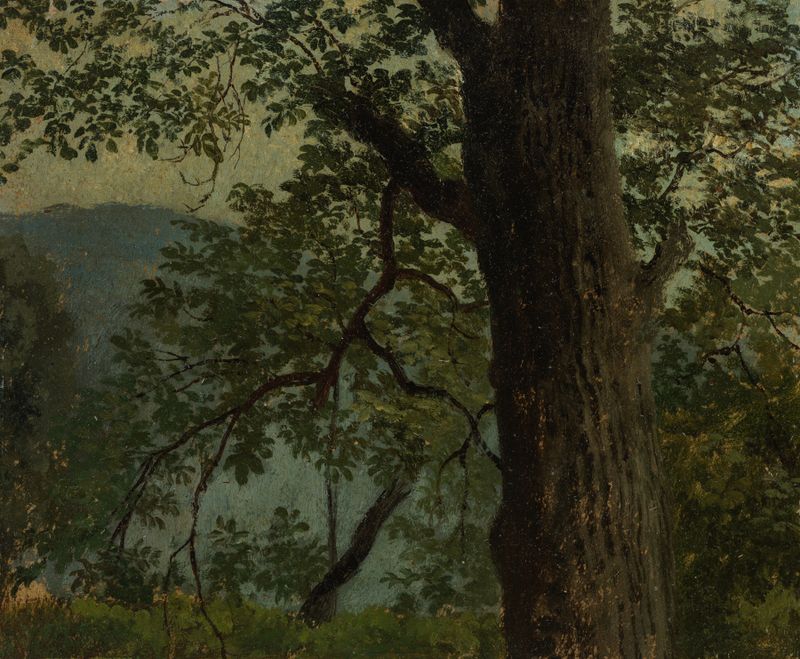
Studie eines Eichbaums
Georg Wilhelm Issel
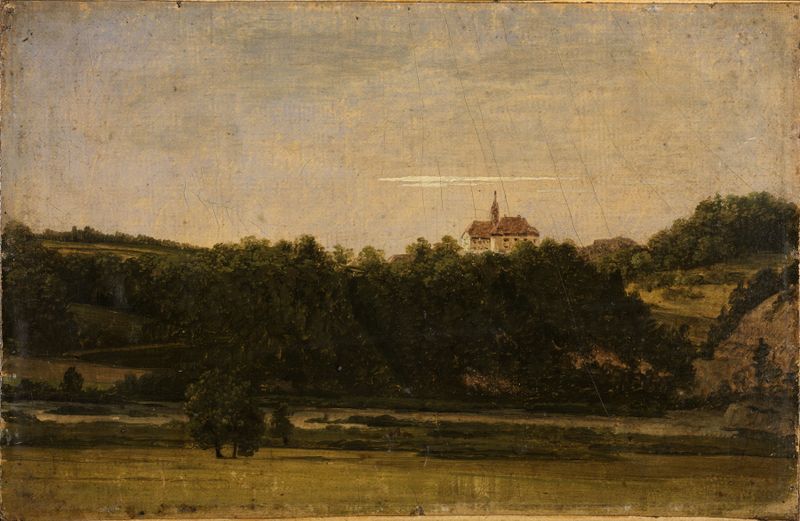
Schloss über Bäumen
Georg Wilhelm Issel

Waldbach
Georg Wilhelm Issel

Turmruine
Georg Wilhelm Issel
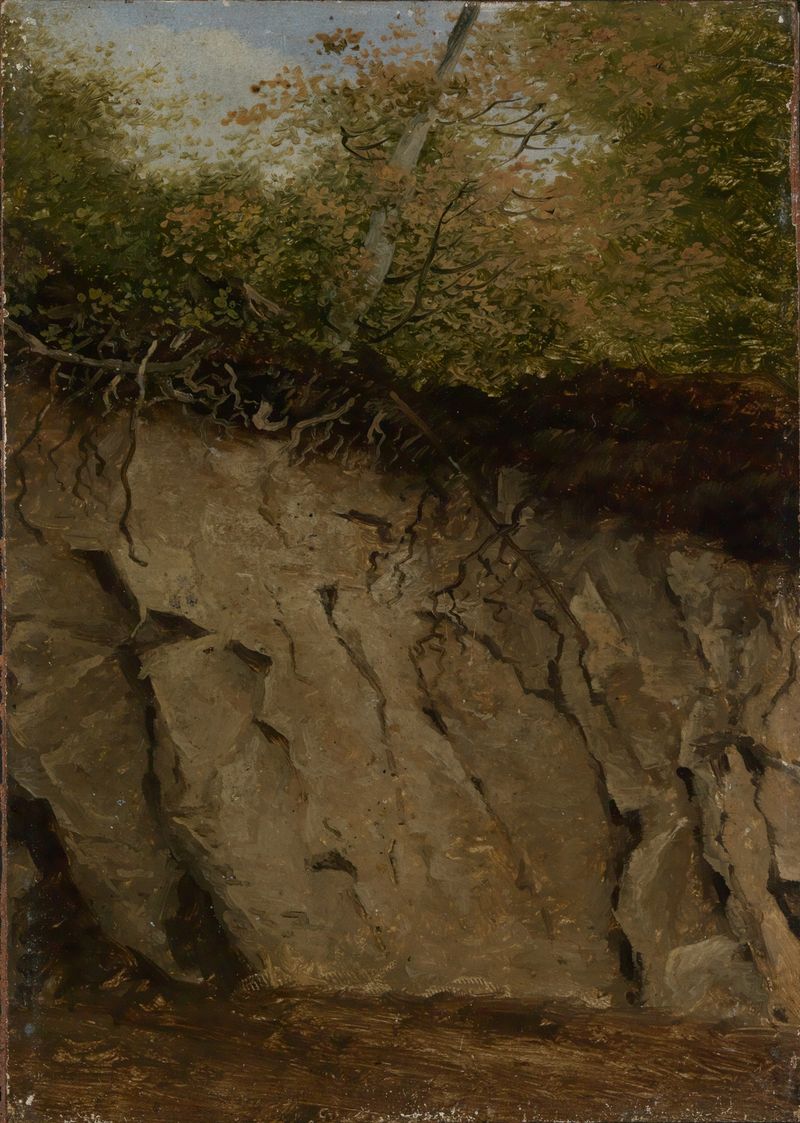
Felshang
Georg Wilhelm Issel
Blick auf Alt-Breisach am Rhein
Georg Wilhelm Issel





