
Waldbach — History & Facts
What if silence could speak through light? In the delicate interplay of shadow and illumination, desire becomes palpable, inviting us to wander through the depths of the canvas. Begin your exploration by focusing on the serene brook that meanders through the painting; its gentle curves draw the eye in a harmonious dance. Notice how the artist employs soft greens and earthy browns to evoke a sense of tranquility. The dappled light cascading through the trees seems to whisper secrets of nature, while the varied brushstrokes create a lush texture that invites touch.
Each stroke embodies a yearning for connection with the land, grounding the viewer in a moment of reflection. As you delve deeper, consider the contrast between the vibrant life of the forest and the stillness of the water. This juxtaposition highlights the tension between movement and tranquility, suggesting an underlying desire for balance. Perhaps the brook symbolizes a journey, one that reflects both the paths we tread and the stillness we seek.
Each element—every leaf, every ripple—holds a fragment of longing, echoing a universal quest for belonging and peace. Georg Wilhelm Issel created this artwork during a period marked by the Romantic movement's embrace of nature and emotion. The exact date remains uncertain, but his works flourished in the 19th century, a time when artists sought to express the sublime beauty of the natural world in response to industrialization's encroachment. This piece encapsulates that desire for solace amidst change, embodying the quiet rebellion of the heart against the clamor of modernity.
More Artworks by Georg Wilhelm Issel
Browse all →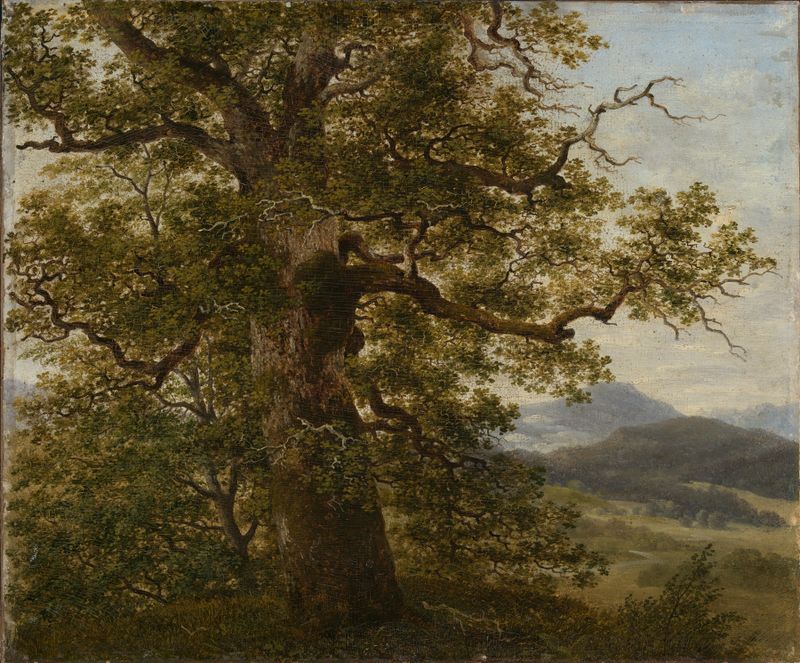
Eichbaum in Landschaft
Georg Wilhelm Issel

Felsenstudie
Georg Wilhelm Issel

Ruine mit Haus
Georg Wilhelm Issel
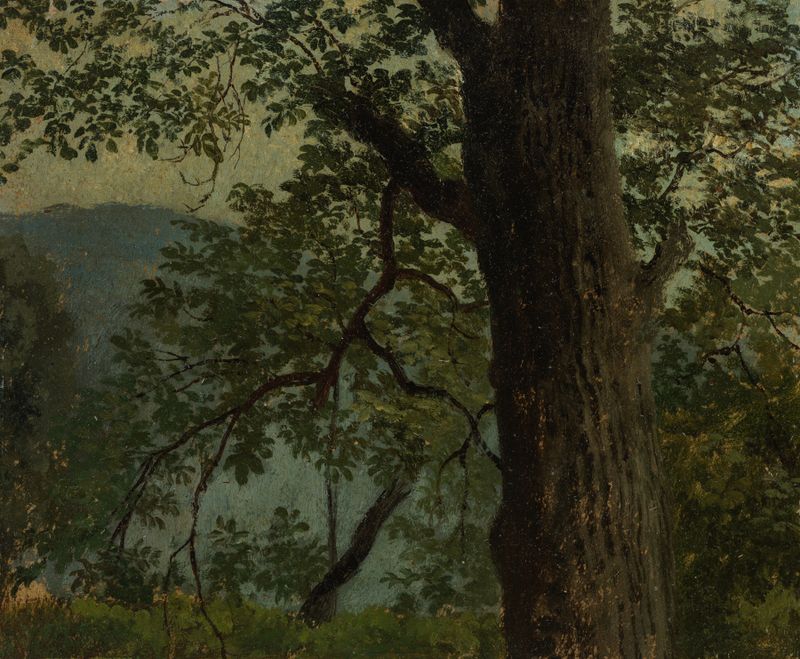
Studie eines Eichbaums
Georg Wilhelm Issel
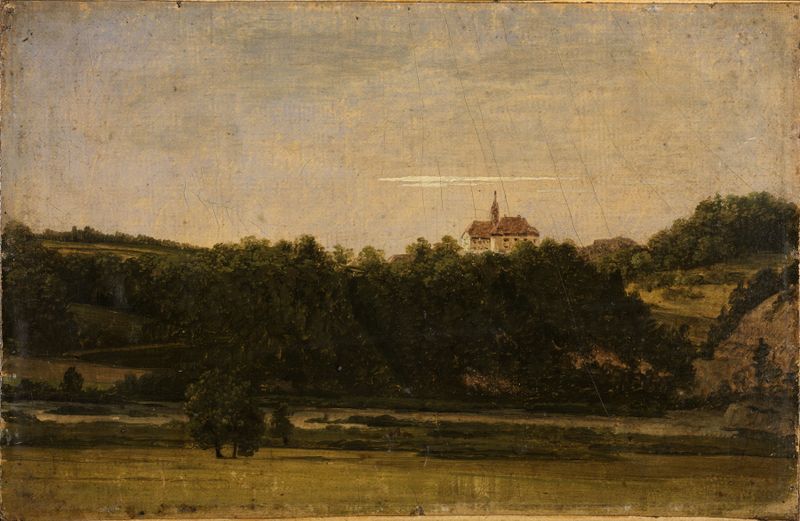
Schloss über Bäumen
Georg Wilhelm Issel

Die Oswaldkapelle bei Höllsteig im Höllental
Georg Wilhelm Issel

Turmruine
Georg Wilhelm Issel
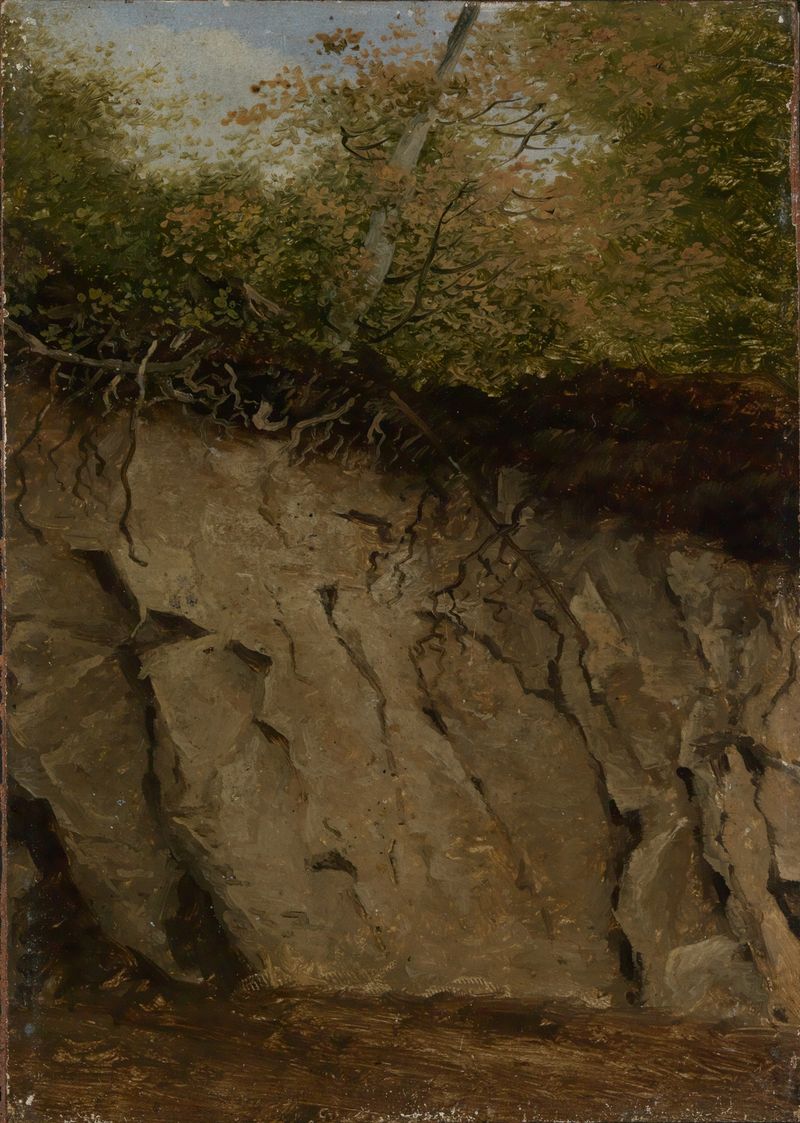
Felshang
Georg Wilhelm Issel
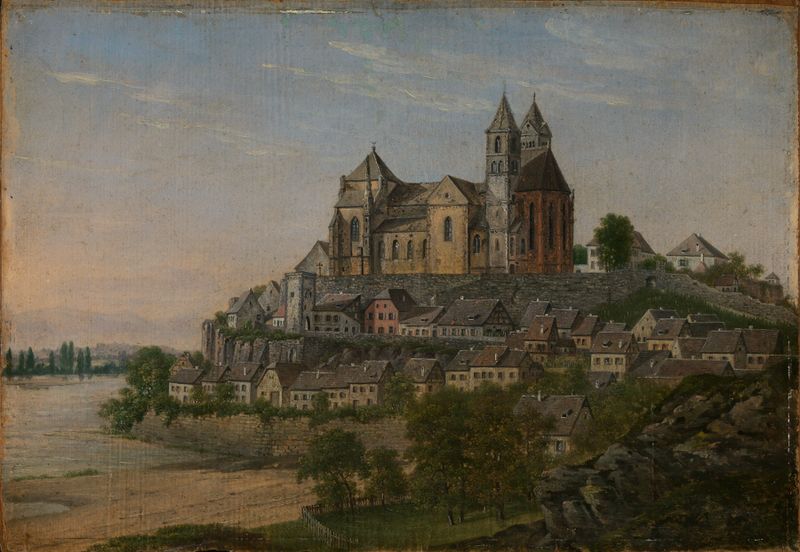
Blick auf Alt-Breisach am Rhein
Georg Wilhelm Issel





