
Turmruine — History & Facts
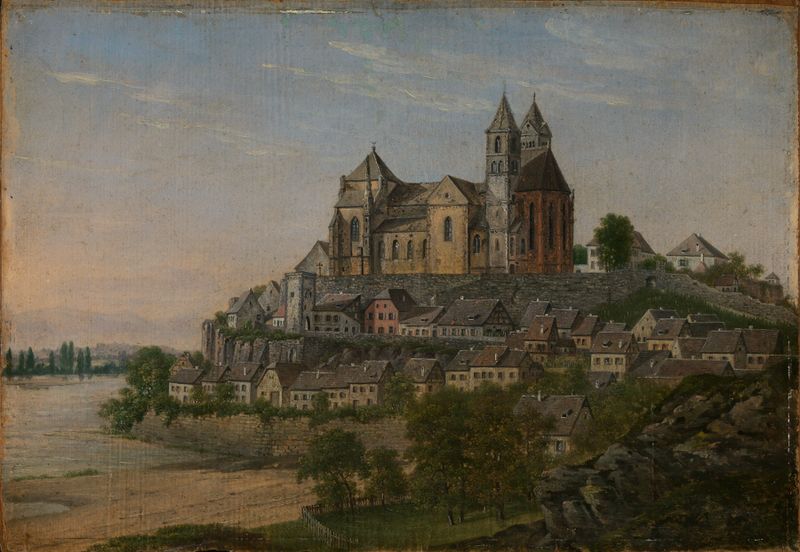
Can beauty exist without sorrow? In Turmruine, the viewer is drawn into a world where the remnants of a structure stand as silent witnesses to time, echoing tales of solitude and decay. Focus on the crumbling tower on the left, its weathered stones illuminated by a soft, golden light that highlights the texture of its surface. The sky above transitions from a delicate blue to a muted gray, suggesting the encroaching embrace of twilight. Look closely at the undergrowth at the base of the tower, where vibrant greens contrast with the somber gray of the stone, embodying the tension between life and desolation, hope and abandonment. Within this composition exists a profound dialogue between the sturdy remnants of the tower and the encroaching nature that gently envelops it.
The juxtaposition of the relentless passage of time against the fleeting beauty found in wildflowers at its base speaks to the artist's exploration of loneliness. Each petal, vibrant yet ephemeral, hints at the fragility of existence amidst a landscape steeped in melancholy and solitude. Georg Wilhelm Issel painted Turmruine between 1836 and 1844, during a period when Romanticism was gaining momentum in Europe. This was a time marked by a fascination with nature and the sublime, reflecting the emotional struggles of the era.
The artist, navigating his own feelings of isolation, captures a moment that resonates with both personal and universal themes, bridging the gap between the artist's experiences and the viewer's emotions.
More Artworks by Georg Wilhelm Issel
Browse all →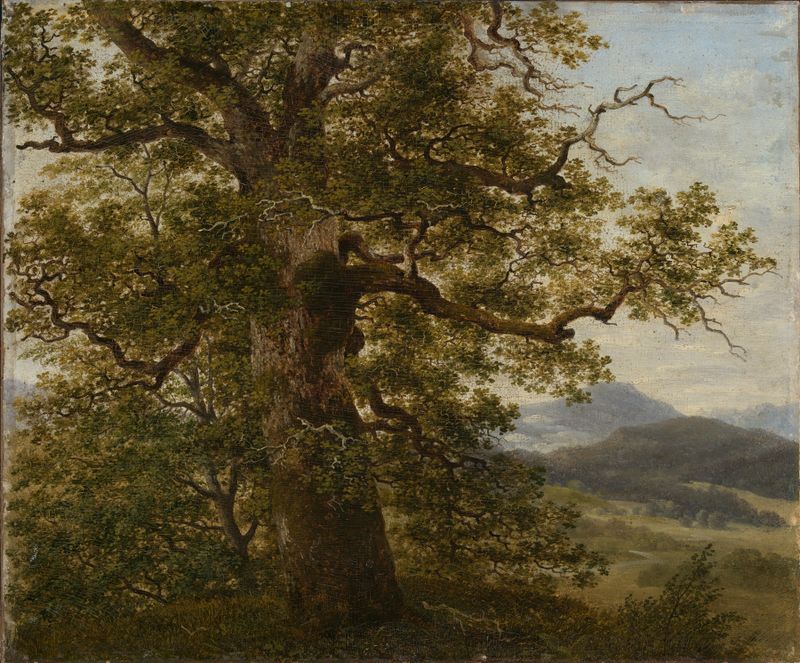
Eichbaum in Landschaft
Georg Wilhelm Issel

Felsenstudie
Georg Wilhelm Issel

Ruine mit Haus
Georg Wilhelm Issel
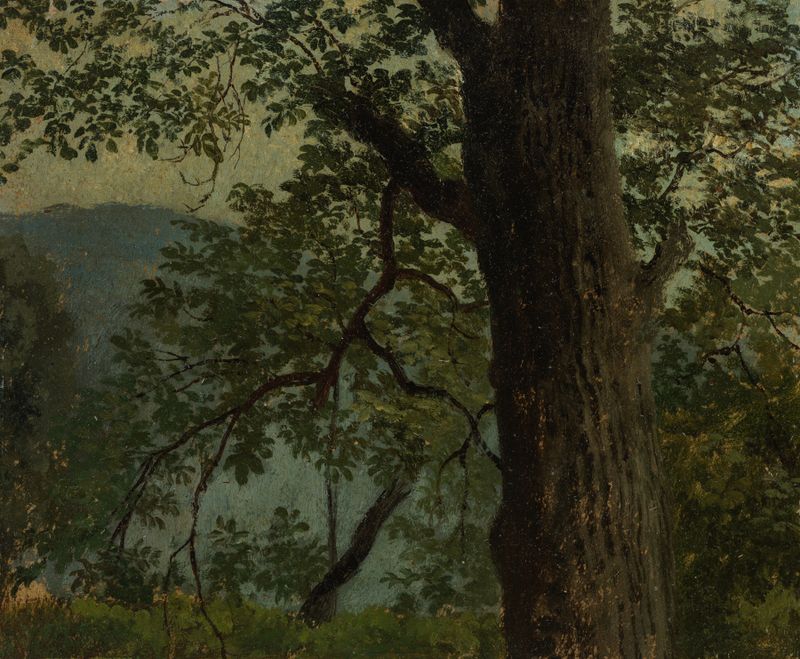
Studie eines Eichbaums
Georg Wilhelm Issel
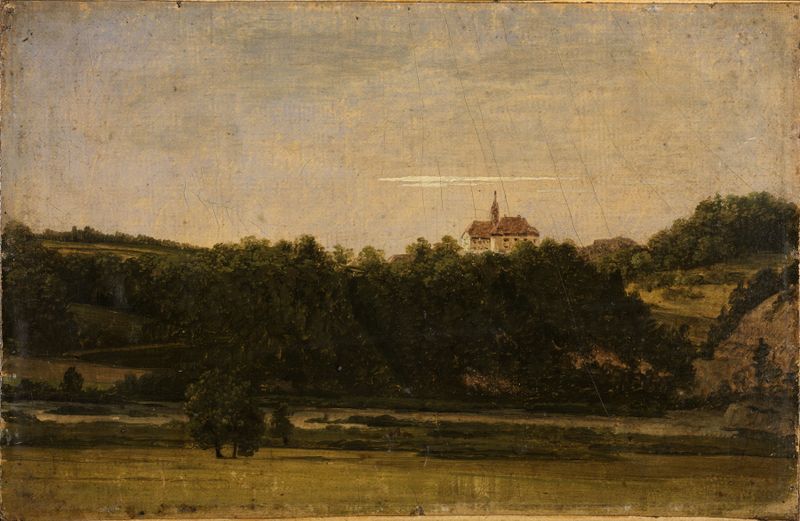
Schloss über Bäumen
Georg Wilhelm Issel

Die Oswaldkapelle bei Höllsteig im Höllental
Georg Wilhelm Issel

Waldbach
Georg Wilhelm Issel
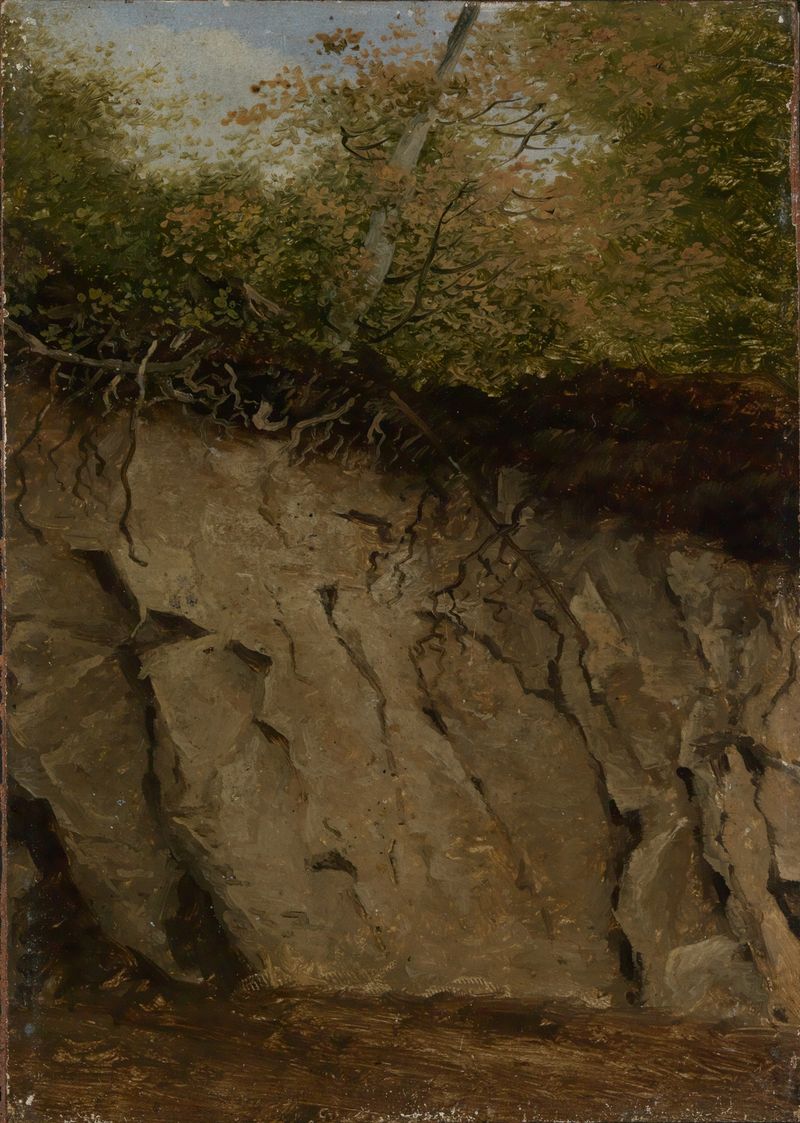
Felshang
Georg Wilhelm Issel
Blick auf Alt-Breisach am Rhein
Georg Wilhelm Issel





