Felshang — History & Facts
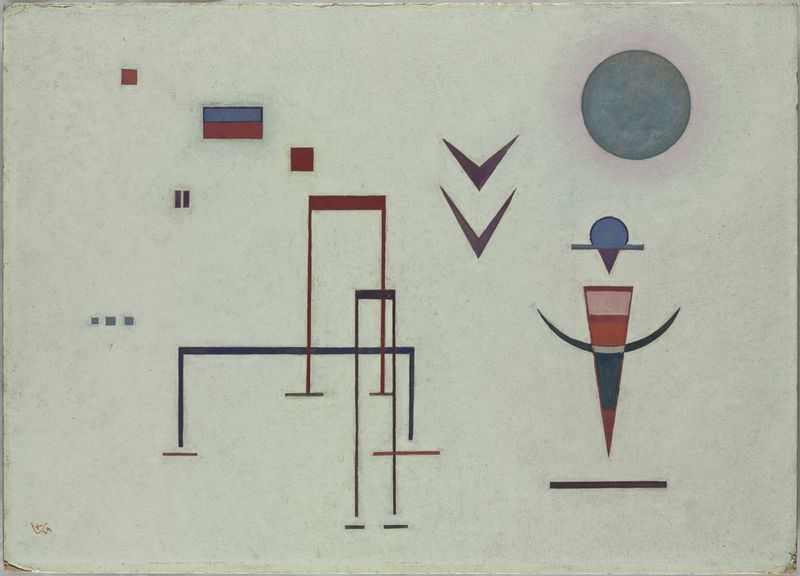
When did color learn to lie? In Felshang, hues twist and turn, evoking a haunting sense of absence that lingers in the air. Each brushstroke whispers of loss, beckoning the viewer to confront the shadows of memory and desire. The canvas pulsates with a complexity that challenges our perception, inviting deeper introspection. Look to the right at the vivid contrast between the deep blues and bright whites, where the artist skillfully balances light and darkness.
The jagged forms emerge from the depths, yet remain ambiguous, their contours both alluring and unsettling. Notice how the color transitions smoothly, creating a sense of movement that pulls your gaze across the canvas, while the textured surface adds an almost tangible quality to the emotional landscape. Hidden within this composition are layers of tension between the known and the elusive. The interplay of vibrant and muted tones suggests a struggle between hope and despair, drawing parallels to the duality of existence.
Each color seems to tell a story—one of longing for what has been lost while simultaneously celebrating the beauty of ephemeral moments. The piece evokes the fragility of life, where loss permeates even the brightest of colors. Georg Wilhelm Issel created this work during a period when the art world was grappling with the boundaries of abstraction and expressionism. The date remains uncertain, but it reflects a time when the artist sought to convey profound emotional experiences, intertwining personal loss with broader existential themes.
As the art movement evolved, Issel’s exploration of color and form resonated with the tumult of his era, making Felshang a poignant reflection of both individual and collective human experience.
More Artworks by Georg Wilhelm Issel
Browse all →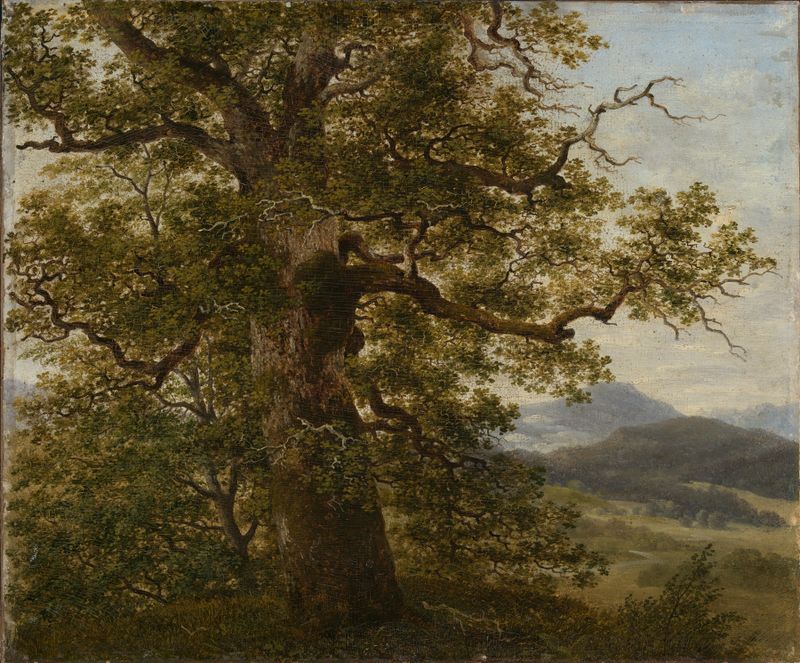
Eichbaum in Landschaft
Georg Wilhelm Issel

Felsenstudie
Georg Wilhelm Issel

Ruine mit Haus
Georg Wilhelm Issel
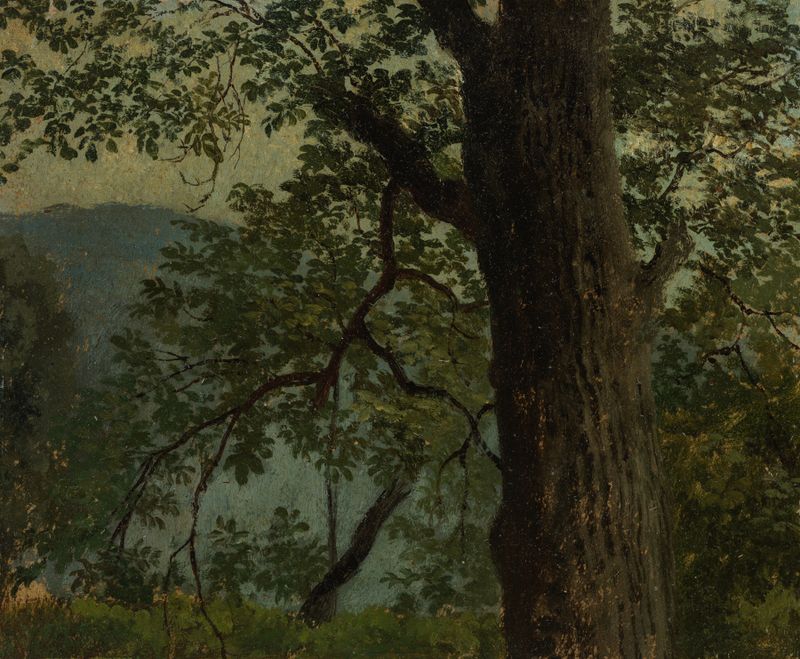
Studie eines Eichbaums
Georg Wilhelm Issel
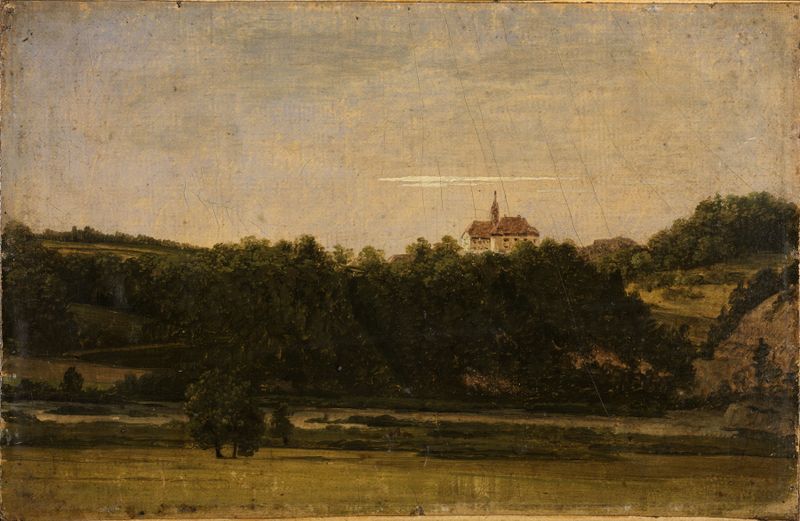
Schloss über Bäumen
Georg Wilhelm Issel

Die Oswaldkapelle bei Höllsteig im Höllental
Georg Wilhelm Issel

Waldbach
Georg Wilhelm Issel

Turmruine
Georg Wilhelm Issel
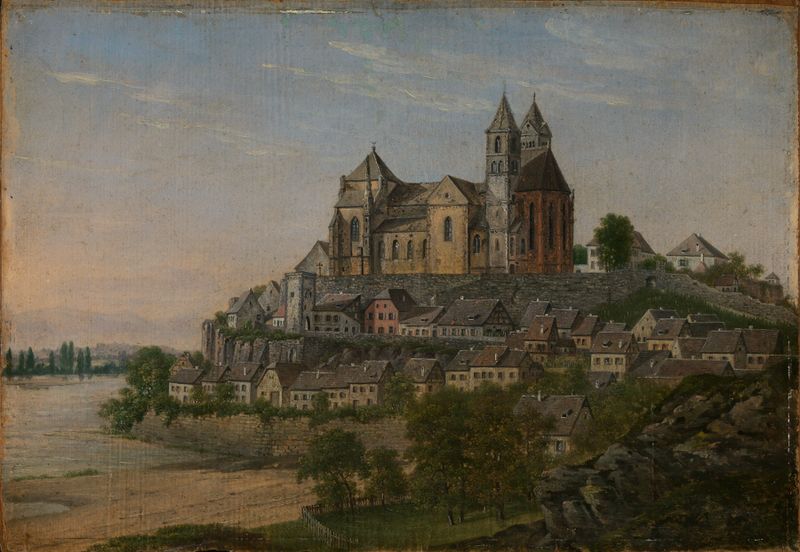
Blick auf Alt-Breisach am Rhein
Georg Wilhelm Issel