Die Post — History & Facts
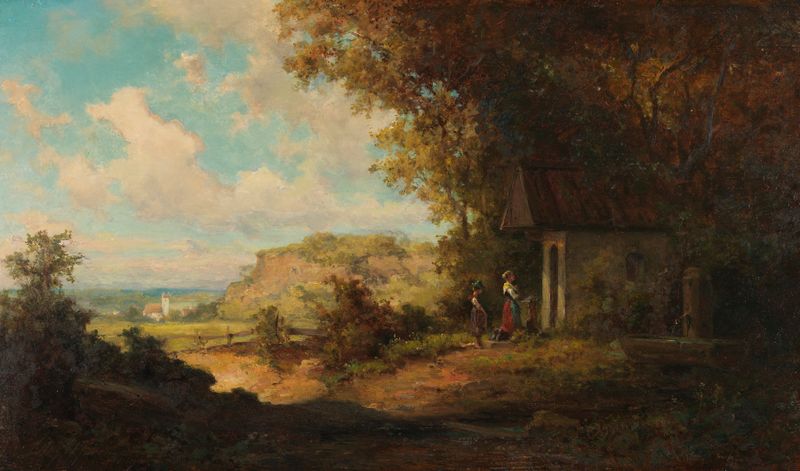
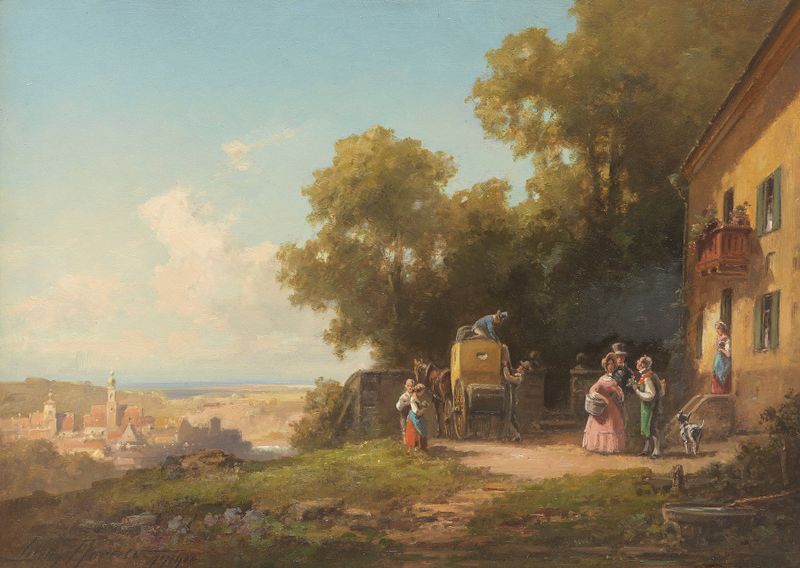
Where does light end, and longing begin? In the quiet embrace of Die Post, a luminous interaction unfolds, revealing the subtle intricacies of faith and connection. Focus first on the glowing envelope in the central figure’s hands, the light reflecting off its surface as if it holds the promise of salvation. The gentle yet deliberate brush strokes create a soft, reassuring atmosphere, while the warm palette imbues the scene with a sense of hope. Notice how the light streaming through the window casts elongated shadows, anchoring the figure in the moment yet suggesting a world beyond—a juxtaposition of presence and absence. The correspondence symbolizes a bridge between the tangible and the intangible.
Each character in the painting experiences their own private longing—perhaps for news, for reconciliation, or for a glimpse of the divine. The stillness of the room contrasts with the emotional currents at play; there is a palpable tension between anticipation and resignation. The subtle details, like the slight furrow of the brow and the tense grip on the envelope, speak volumes about the weight of unfulfilled desires. Willy Moralt painted this work in 1920, a period marked by social upheaval and the aftermath of World War I.
Working in Germany, Moralt was deeply influenced by the challenges faced by society and artists alike, navigating a landscape sparse with hope and laden with uncertainty. These themes resonate throughout his oeuvre, and Die Post captures a moment of quiet resilience amidst chaos, a portrayal of the human spirit’s unwavering faith in connection.