
Die Wasserfälle von Tivoli bei Rom — History & Facts
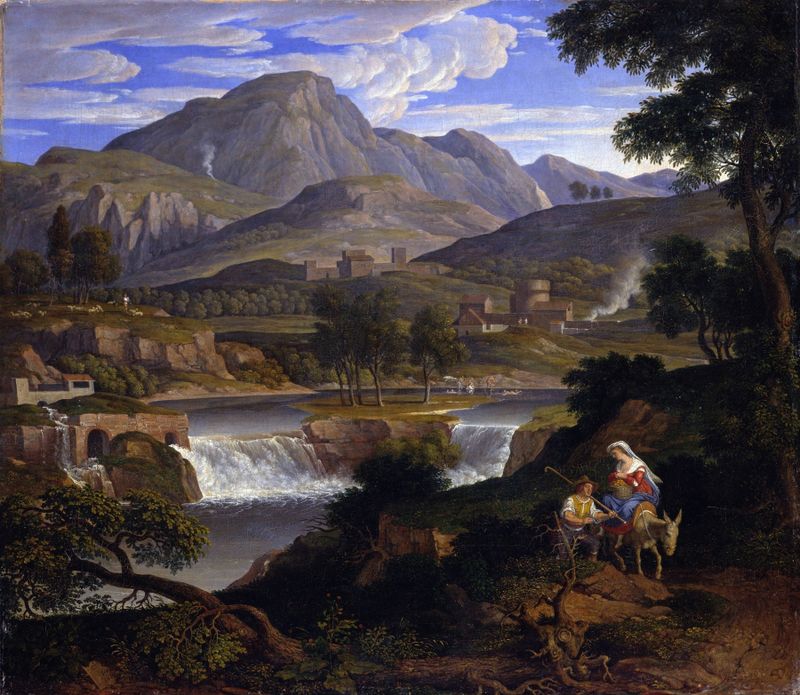
The canvas doesn’t lie — it simply waits. In the stillness of its painted surface, echoes of grief resonate through the rushing waters and ancient stones. Look to the foreground, where the cascading waterfalls tumble with relentless vigor, carving their path through the rocky landscape. Notice how the light dances on the water, creating a shimmering veil, while the somber, muted tones of the surrounding foliage frame the scene with an air of melancholy.
The delicate brushwork captures the mist rising from the falls, blurring the line between reality and the ethereal, inviting you to linger in this moment of natural splendor. As you gaze deeper, hints of sorrow emerge—worn stones beneath the water suggest the passage of time, while the lone figure in the distance appears dwarfed by the grandeur of nature. The juxtaposition of the vibrant water against the darkened rocks symbolizes the tension between life’s beauty and its inevitable decay. Each element of the painting speaks to the duality of existence, a reminder that beneath the surface of joy often lies the weight of loss. Joseph Anton Koch painted this work in 1818 while residing in Rome.
During this period, he was exploring the contrasts of Italy’s landscapes, finding inspiration in the sublime beauty of its natural features. The art world was undergoing significant transformation, bridging neoclassical ideals with emerging romantic sensibilities. Koch's reflective engagement with nature reveals not only his mastery of landscape painting but also his personal grappling with deeper emotional truths amidst the splendor of the world around him.
More Artworks by Joseph Anton Koch
Browse all →
Landscape near Olevano with a Parade of Dancing Peasants
Joseph Anton Koch
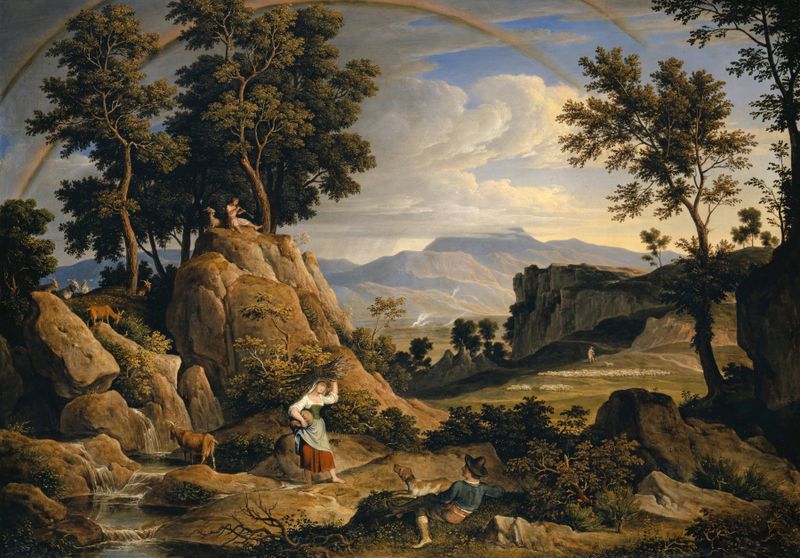
Landscape near Olevano with Rainbow
Joseph Anton Koch
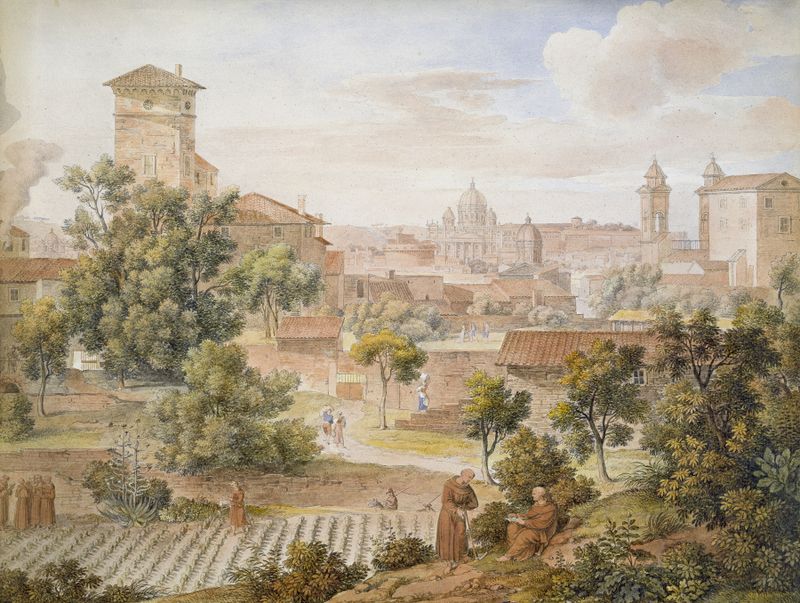
Blick vom Kloster S. Isidoro auf St. Peter in Rom
Joseph Anton Koch
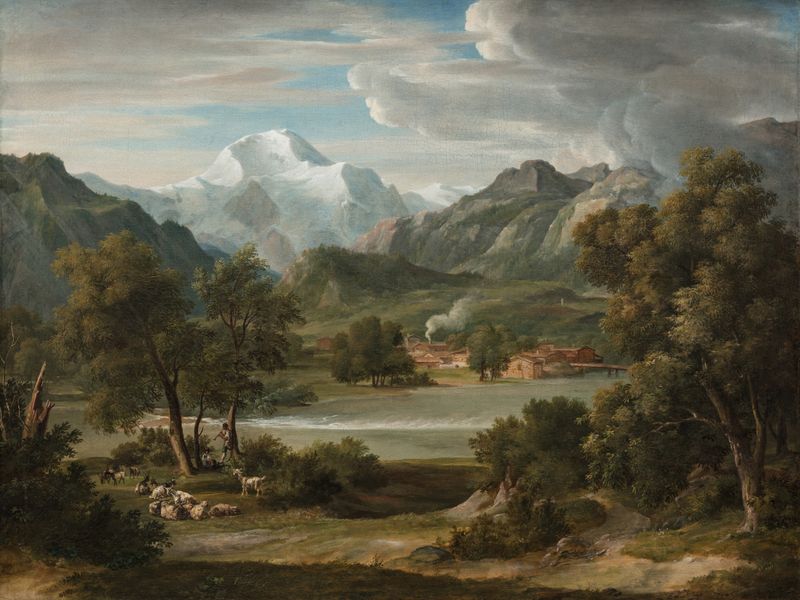
Lauterbrunnertal Near Unterseen With A View Of The Jungfrau
Joseph Anton Koch
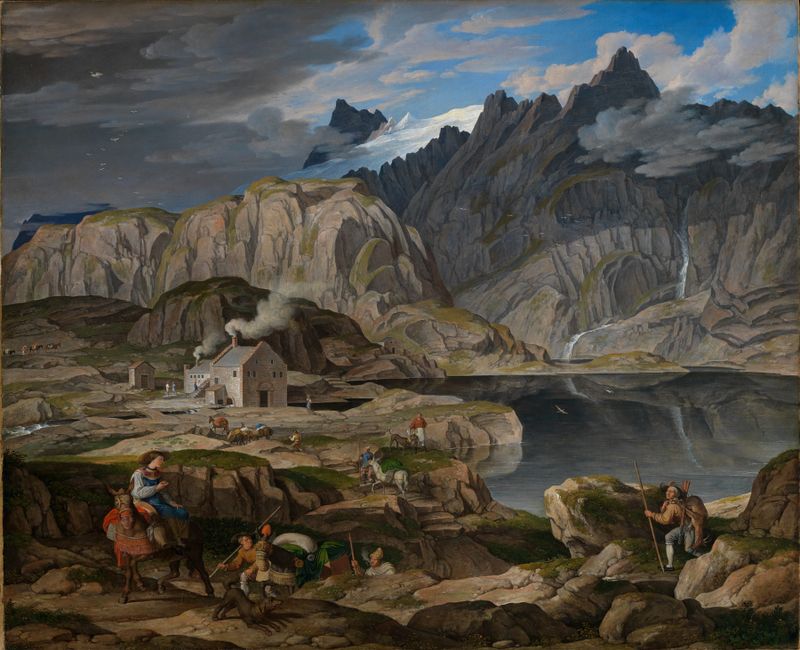
Das Hospiz auf dem Grimselpass
Joseph Anton Koch

Heroische Landschaft mit Regenbogen
Joseph Anton Koch

The Mönch And Jungfrau Seen From Unterseen
Joseph Anton Koch

Das Berner Oberland
Joseph Anton Koch

Das Wetterhorn mit dem Reichenbachtal
Joseph Anton Koch
Waterfalls at Subiaco
Joseph Anton Koch





