
Die Wiener-Neustädter Heide von Wetzelsdorf aus gesehen — History & Facts
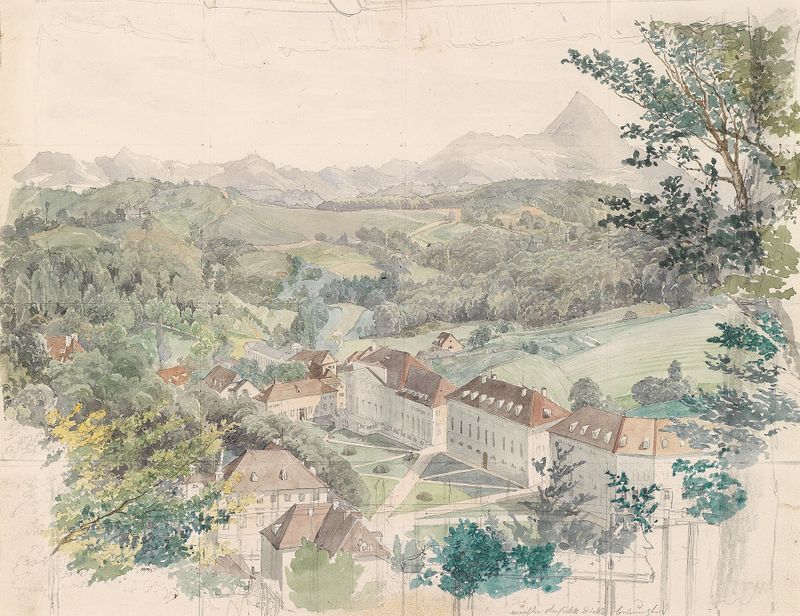
Did the painter know this moment would outlive them? In the stillness of a landscape, the essence of movement whispers through the gentle undulations of the hills, a testament to time’s quiet passage. Look to the foreground where a vibrant palette of greens draws you into the scene. The brushstrokes are alive, capturing the sway of the grass as if a soft breeze breathes through the canvas. Notice how the sunlight cascades over the undulating terrain, casting a warm glow that highlights the earth's natural contours.
The distant mountains loom majestically in the background, rendered with a delicate touch that contrasts with the vibrancy of the foreground, creating a dynamic interplay of depth. Hidden within the verdant expanse are subtle hints of life; a figure on horseback appears small against the vastness of the landscape, symbolizing humanity’s transient role in the grand narrative of nature. The light and shadow dance across the hills, suggesting the passage of time, evoking a sense of nostalgia and longing for connection with the natural world. It is an invitation to ponder the cyclical nature of life, where beauty and movement are eternally entwined. In 1843, Johann Nepomuk Passini painted this work while living in Vienna, amidst a flourishing of Romanticism in art that celebrated the sublime beauty of nature.
The period was marked by a growing appreciation for the natural landscape, as artists sought to evoke emotion through their depictions of the world around them. Passini, influenced by the shifting ideals of his time, captured not just a moment, but a lasting dialogue between the viewer and the landscape, inviting reflections on both transience and eternity.
More Artworks by Johann Nepomuk Passini
Browse all →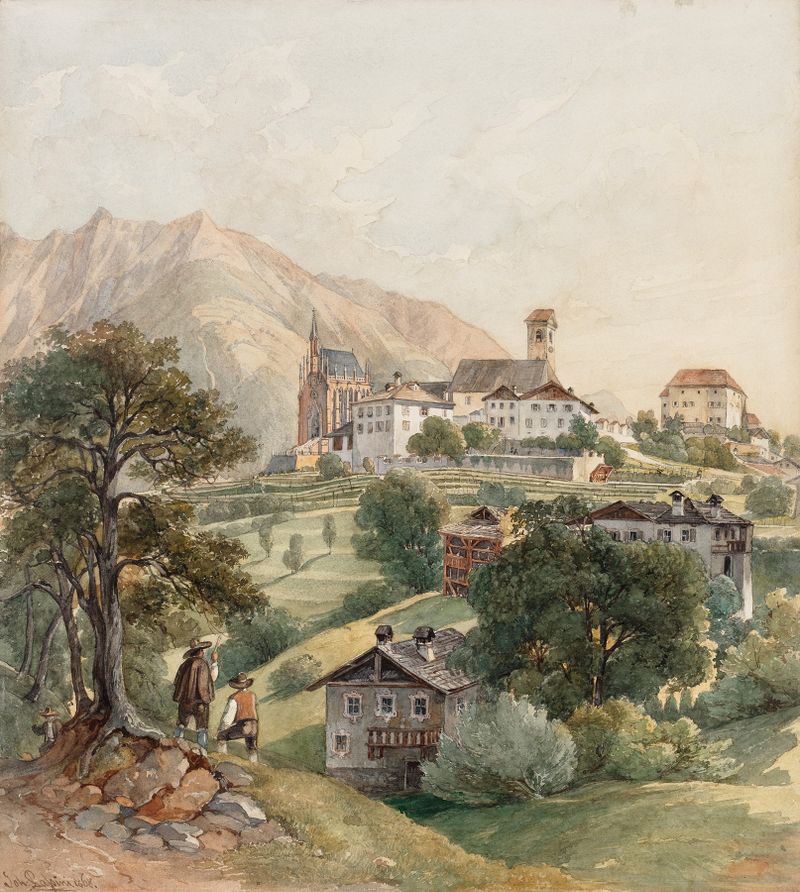
Schenna bei Meran
Johann Nepomuk Passini

An evening in the harbour of Triest
Johann Nepomuk Passini
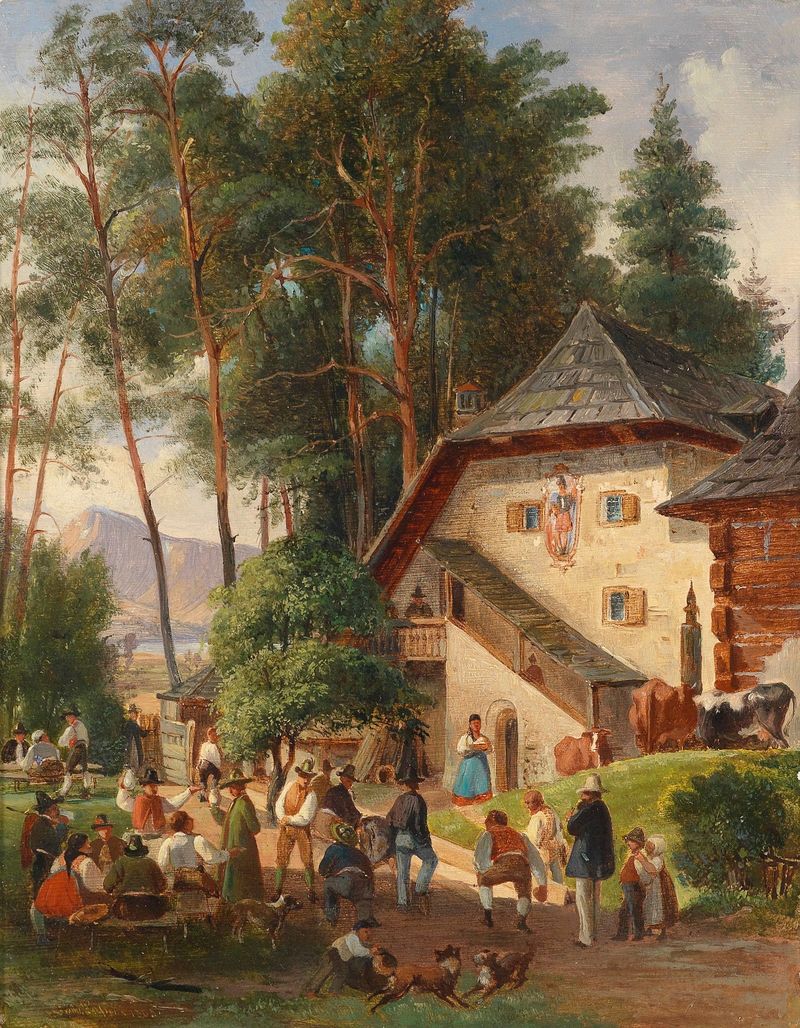
Dorffest
Johann Nepomuk Passini
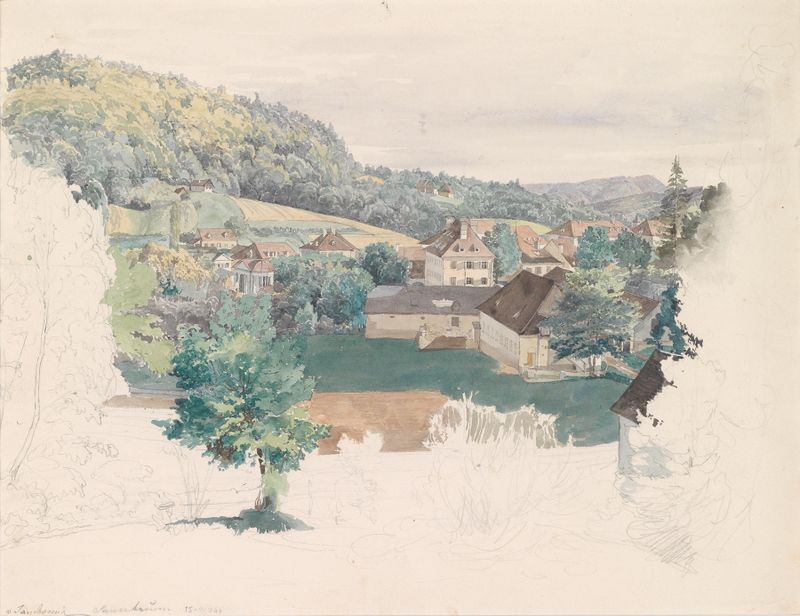
Blick über Bad Rohitsch-Sauerbrunn Skizze
Johann Nepomuk Passini
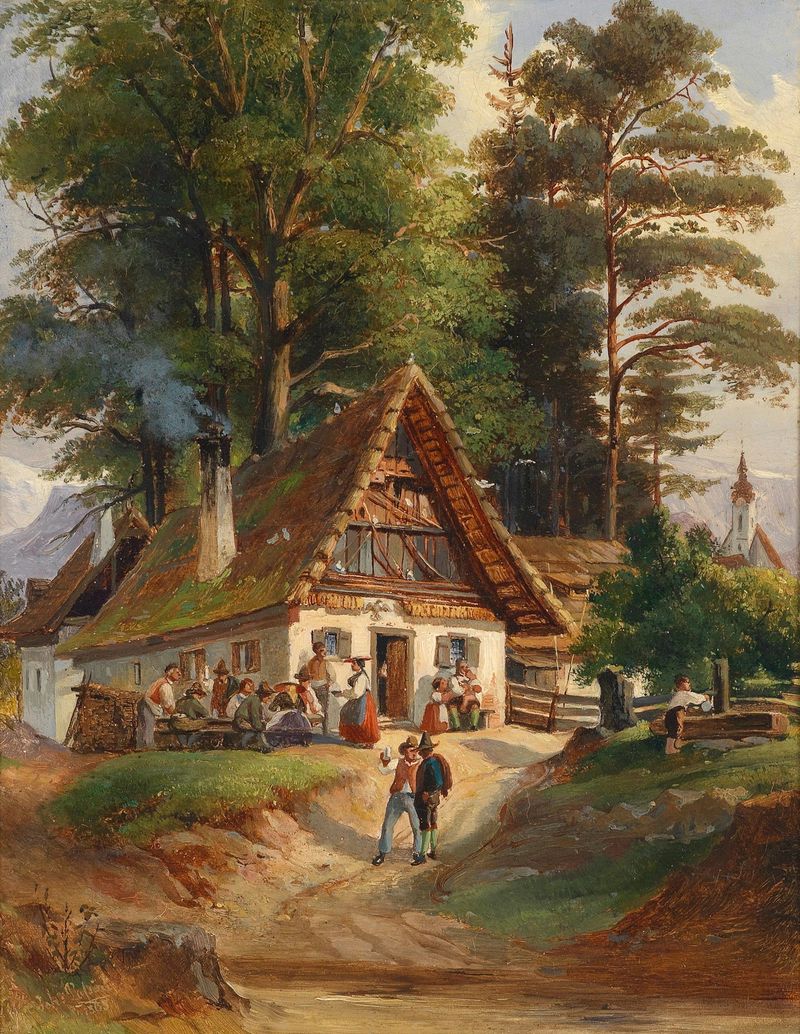
Dorfschenke
Johann Nepomuk Passini

Im Tal von Bad Rohitsch-Sauerbrunn
Johann Nepomuk Passini
Blick über Bad Rohitsch-Sauerbrunn
Johann Nepomuk Passini

Kurplatz in Bad Rohitsch-Sauerbrunn
Johann Nepomuk Passini





