
Dorffest — History & Facts
In the quietude of a rural celebration, serenity unfolds, capturing the harmony woven into the fabric of everyday life. Look to the center of the canvas, where a group of villagers gathers under the sheltering branches of a tree. The earth-toned palette envelops the scene, with golden sunlight dappling the ground, illuminating joyful faces and woven baskets filled with food. The gentle brushstrokes evoke a sense of warmth and unity, inviting the viewer to share in this moment of communal bliss. Beneath the surface of this idyllic gathering lies a contrast between the vibrancy of life and the ephemeral nature of joy.
The stillness of the surrounding landscape juxtaposes the lively figures, reminding us that such moments, though radiant, are fleeting. The meticulous details of the villagers' attire and their engaged expressions reveal a story rich with tradition, yet tinged with an awareness of time's relentless passage. In 1865, Johann Nepomuk Passini, a noted Austrian painter, created Dorffest during a period when the Romantic movement was gaining momentum across Europe. Living in Vienna, he sought to capture the essence of rural life and its intrinsic beauty.
This painting reflects his desire to preserve the tranquility of communal gatherings against the backdrop of industrialization and the rapid changes sweeping through society.
More Artworks by Johann Nepomuk Passini
Browse all →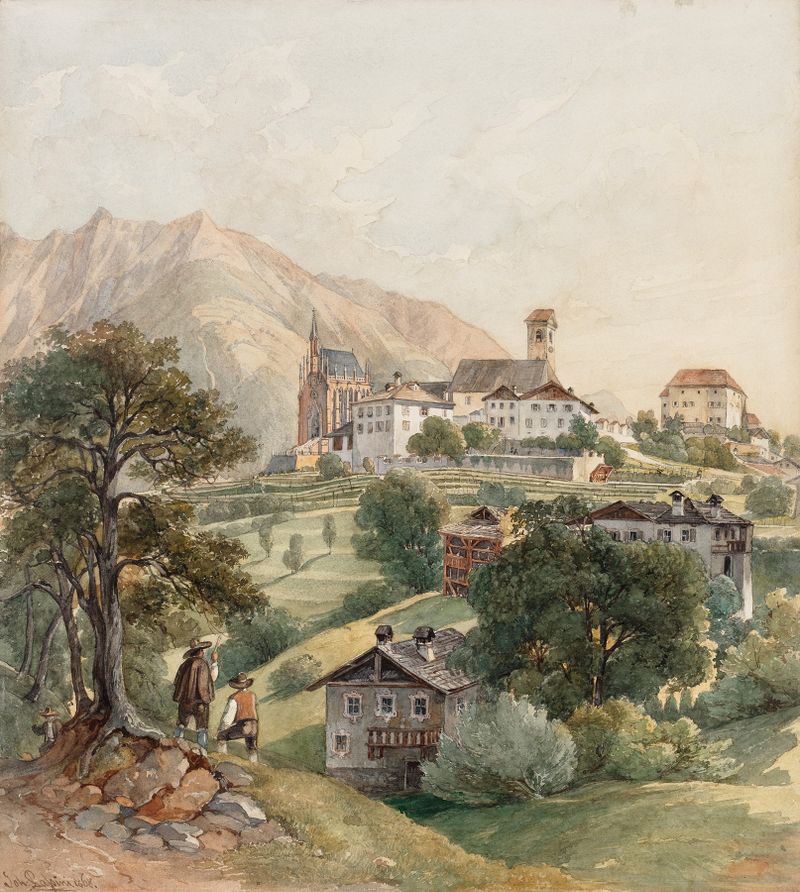
Schenna bei Meran
Johann Nepomuk Passini

An evening in the harbour of Triest
Johann Nepomuk Passini
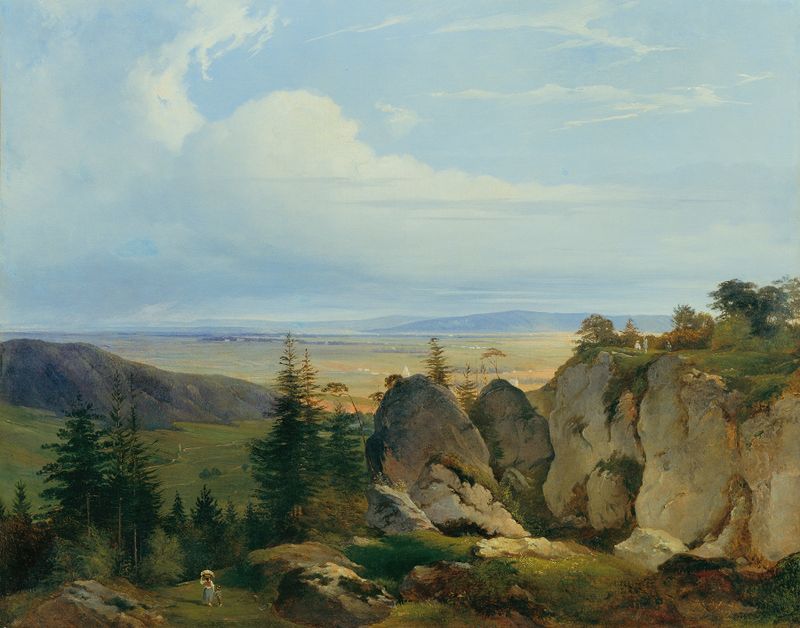
Die Wiener-Neustädter Heide von Wetzelsdorf aus gesehen
Johann Nepomuk Passini
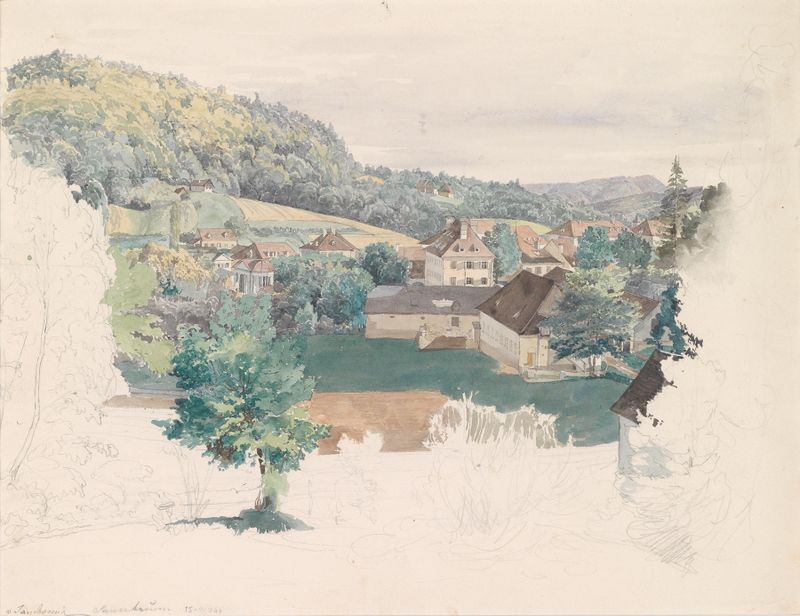
Blick über Bad Rohitsch-Sauerbrunn Skizze
Johann Nepomuk Passini
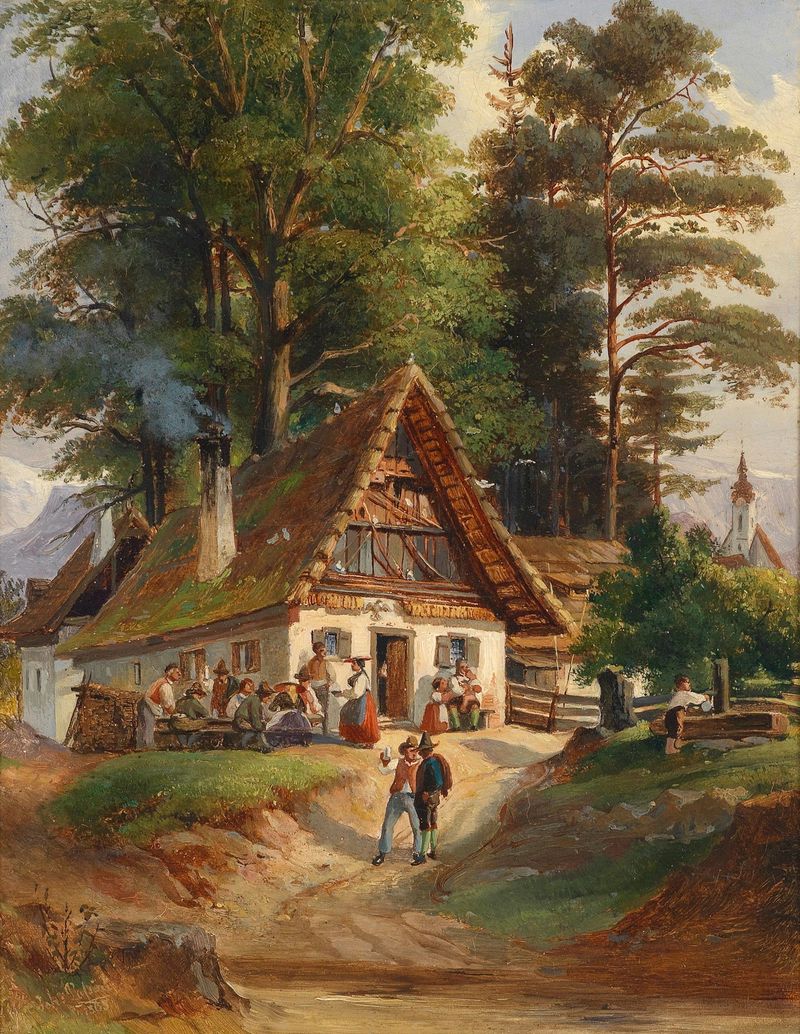
Dorfschenke
Johann Nepomuk Passini

Im Tal von Bad Rohitsch-Sauerbrunn
Johann Nepomuk Passini
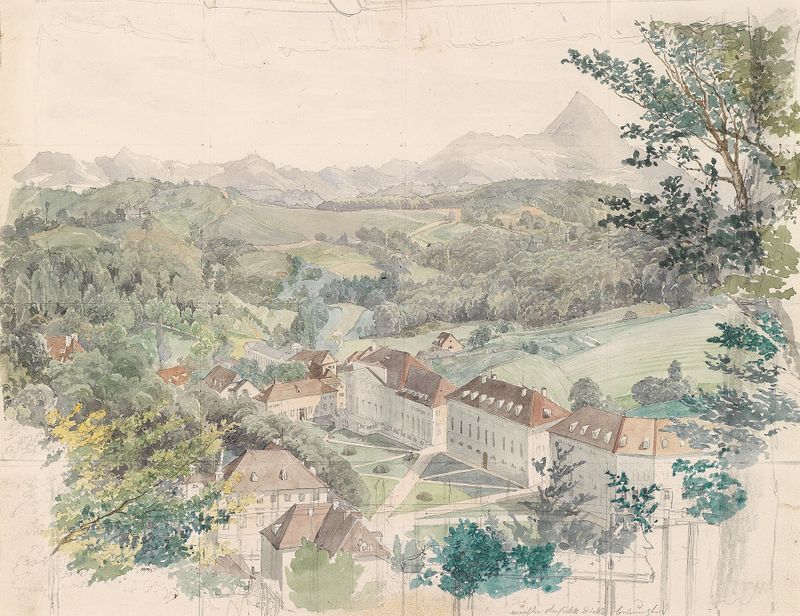
Blick über Bad Rohitsch-Sauerbrunn
Johann Nepomuk Passini

Kurplatz in Bad Rohitsch-Sauerbrunn
Johann Nepomuk Passini





