
Kurplatz in Bad Rohitsch-Sauerbrunn — History & Facts
What if silence could speak through light? In the gentle embrace of dawn, the world awakens, revealing layers of innocence that beckon the observer to listen intently. Look to the left, where hints of soft pastel greens blend seamlessly into the tranquil sky, inviting your gaze across a serene landscape. Notice how the delicate brushstrokes create a sense of movement in the trees, while the subtle play of light casts long, tender shadows on the ground. The central figure, poised demurely, stands as a silent guardian of this idyllic scene, captured in a moment of quiet reflection. A deeper narrative unfolds in the contrast between light and shadow, suggesting a fleeting tension between the vibrancy of life and the stillness of contemplation.
The soft hues evoke innocence, while the figure’s serene posture hints at a deeper connection to the surrounding nature, almost as if they embody its essence. Each element harmonizes to create a tranquil atmosphere that transcends time and invites the viewer into a meditative space. During the time Kurplatz in Bad Rohitsch-Sauerbrunn was created, Johann Nepomuk Passini was engrossed in the vibrant art scene of 19th-century Austria. The artist focused on landscapes that reflected personal and emotional connections to nature, often influenced by the Romantic movement.
Although the exact date of this work remains unknown, it aligns with his exploration of serene outdoor settings, capturing both the beauty of the natural world and the introspective moments of human experience.
More Artworks by Johann Nepomuk Passini
Browse all →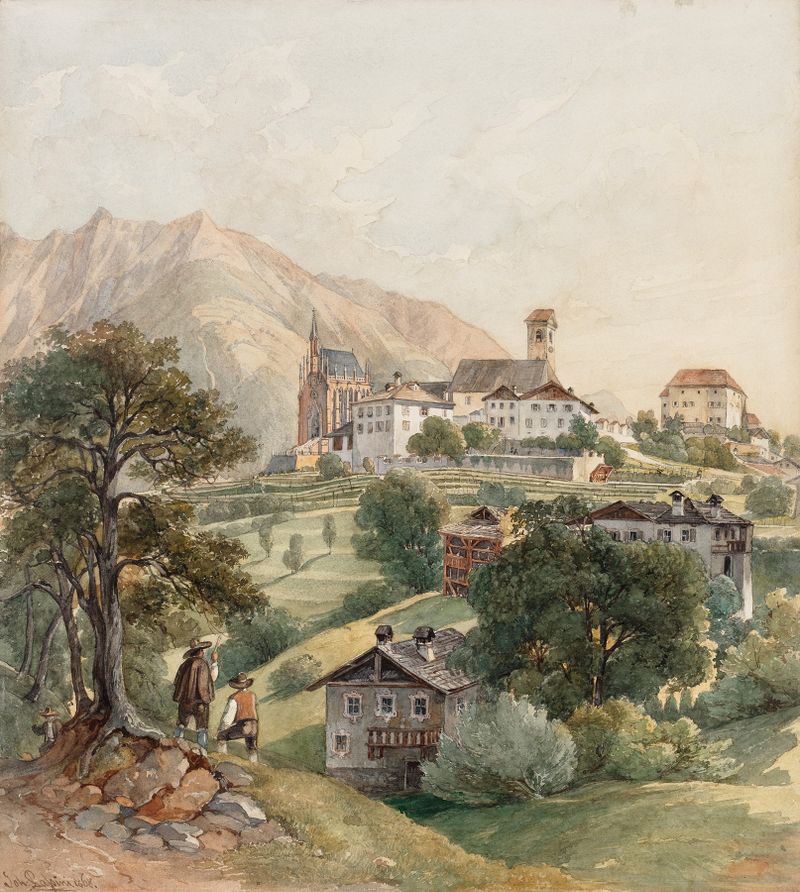
Schenna bei Meran
Johann Nepomuk Passini

An evening in the harbour of Triest
Johann Nepomuk Passini
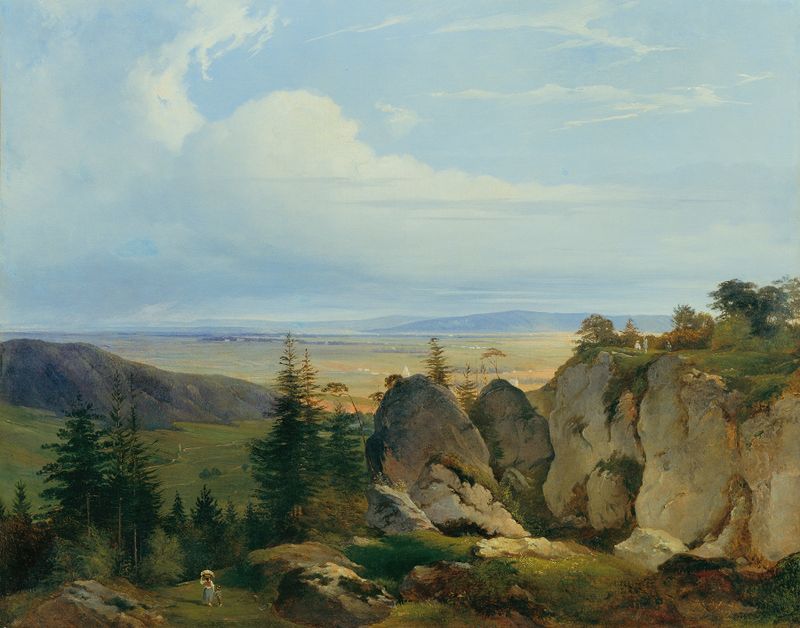
Die Wiener-Neustädter Heide von Wetzelsdorf aus gesehen
Johann Nepomuk Passini
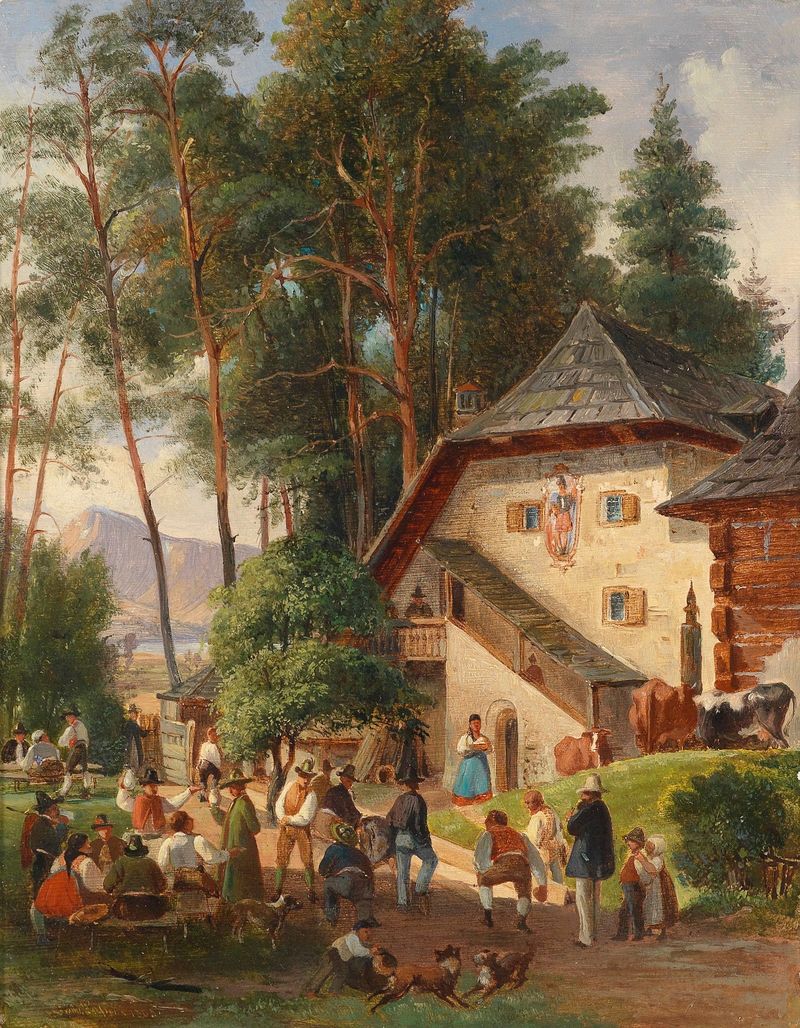
Dorffest
Johann Nepomuk Passini
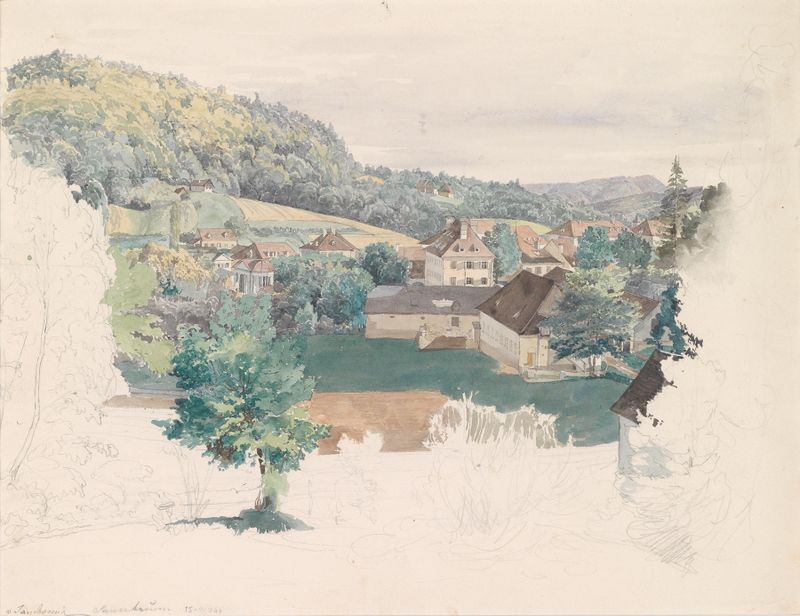
Blick über Bad Rohitsch-Sauerbrunn Skizze
Johann Nepomuk Passini
Dorfschenke
Johann Nepomuk Passini

Im Tal von Bad Rohitsch-Sauerbrunn
Johann Nepomuk Passini
Blick über Bad Rohitsch-Sauerbrunn
Johann Nepomuk Passini





