
Dieppe — History & Facts
Who listens when art speaks of silence? In Gustave Loiseau's Dieppe, a haunting stillness envelops the canvas, inviting the viewer to confront an unspoken dread. Look to the foreground, where soft strokes of blue and green merge to form a tranquil seascape. The gentle waves lap against the shore, creating a deceptive calm that contrasts sharply with the stormy clouds gathering above. Notice how the light struggles to penetrate the darkening sky, casting elongated shadows that hint at impending turmoil.
The harmonious blending of hues gives way to a tension that hangs palpably in the air—an emotional undercurrent that captures both beauty and fear. As the eye travels across the canvas, hidden meanings emerge. The juxtaposition of serene waters with ominous clouds embodies the duality of peace and chaos, reflecting the fragility of human existence. The muted palette evokes a sense of isolation, while the looming storm suggests an impending disruption, urging the viewer to confront their own anxieties.
This delicate balance between tranquility and dread resonates deeply, inviting introspection on the nature of vulnerability in the face of an uncertain future. In 1929, Loiseau painted Dieppe amid a world grappling with economic instability and the aftershocks of World War I. Living in France, his work continued to evolve within the Impressionist tradition, seeking to capture fleeting moments in nature. This period marked a transformation in his artistic voice, as he increasingly explored themes of atmosphere and emotion, challenging the viewer to reflect on the silence that often precedes change.
More Artworks by Gustave Loiseau
Browse all →
Rue de village en Normandie
Gustave Loiseau
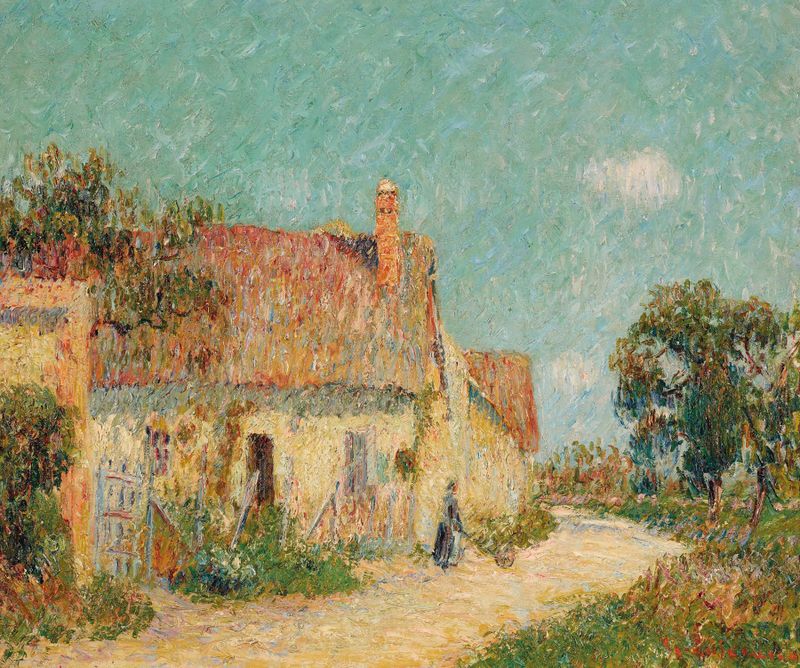
Chaumière en Normandie
Gustave Loiseau

Paysage d’Hiver à Chaponval
Gustave Loiseau
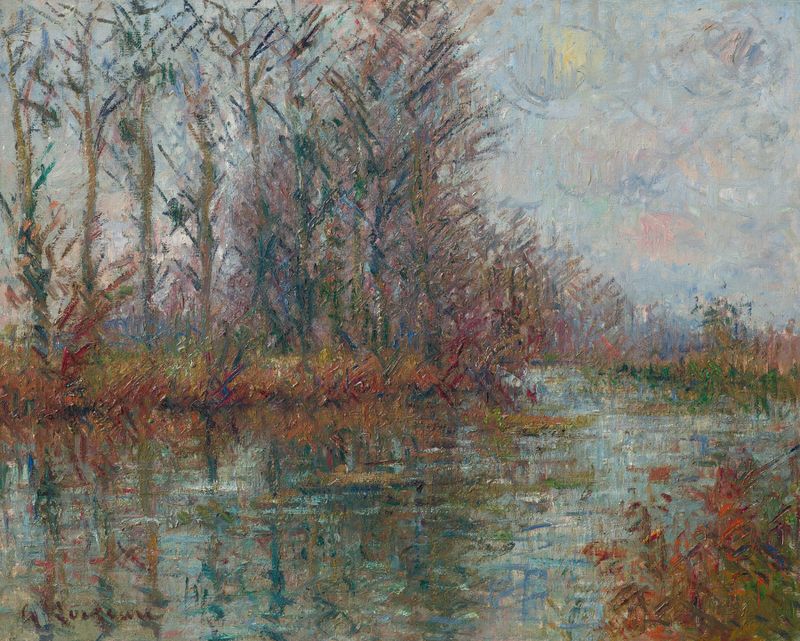
Tournant de rivière, L’Eure
Gustave Loiseau

Pont Marie, Paris
Gustave Loiseau

Le Bras De Mer
Gustave Loiseau

Le Pont Suspendu À Triel
Gustave Loiseau

Bord de la rivière
Gustave Loiseau
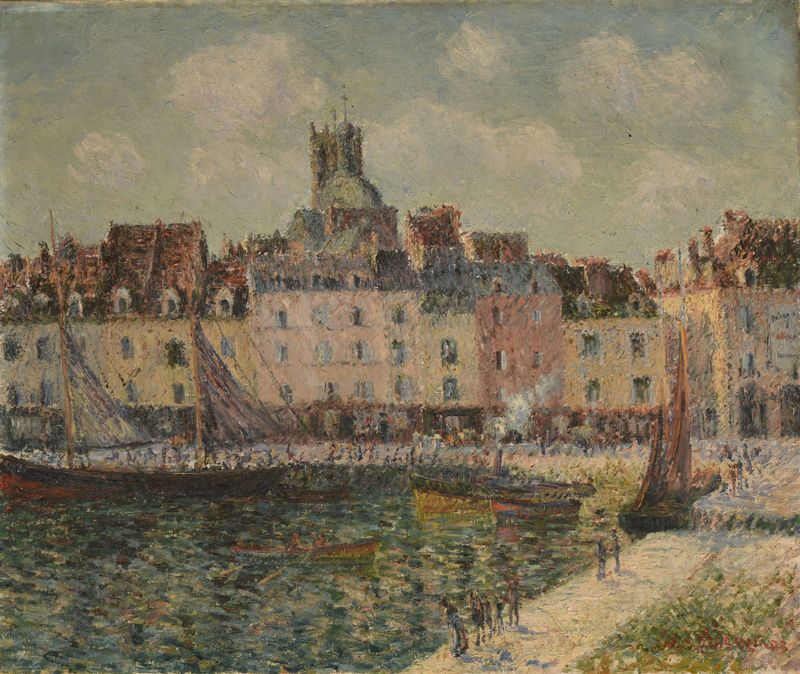
Le Quai Duquesne à Dieppe
Gustave Loiseau

Rocher la Teignouse, Cap Fréhel
Gustave Loiseau





