
Diesbach [bey Thun] — History & Facts
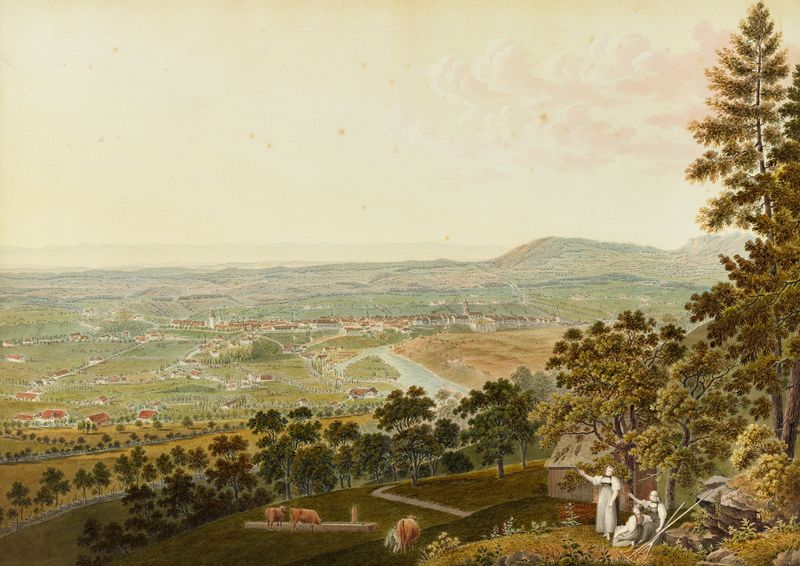
In times of upheaval, the quiet revolution of creativity often speaks louder than tumultuous shouts in the streets. It is within this sanctuary of expression that one finds not only beauty but the silent thrum of existence itself. Focus your gaze on the delicate interplay of color and form, particularly in the lush greens that frame the scene. Notice how the soft brushstrokes create a sense of movement in the trees, as if they are whispering secrets to the wind.
The subtle gradations of light invite you to explore, drawing your eye to the horizon where earth meets sky. This gentle transition between shades reveals the artist's sensitivity to nature, allowing a glimpse into his contemplative spirit. As you delve deeper, consider the contrasts woven throughout the piece—the serene landscape juxtaposed with an underlying tension. The stillness of the moment belies the revolutionary spirit that looms in the background; each brushstroke seems infused with the energy of change.
The vibrant hues suggest a thriving life, yet there is an underlying melancholy, a reflection on lost innocence and the inevitability of transformation. During the period in which this artwork was created, Jakob Samuel Weibel navigated the complexities of his surroundings, marked by the social upheavals of the late 18th century. While details about his life remain sparse, it is evident that the transformative spirit of his time resonated through his work. This piece stands as a testament to the artist’s reflections on a world on the brink of change, embodying the quiet revolutionary spirit that art can manifest.
More Artworks by Jakob Samuel Weibel
Browse all →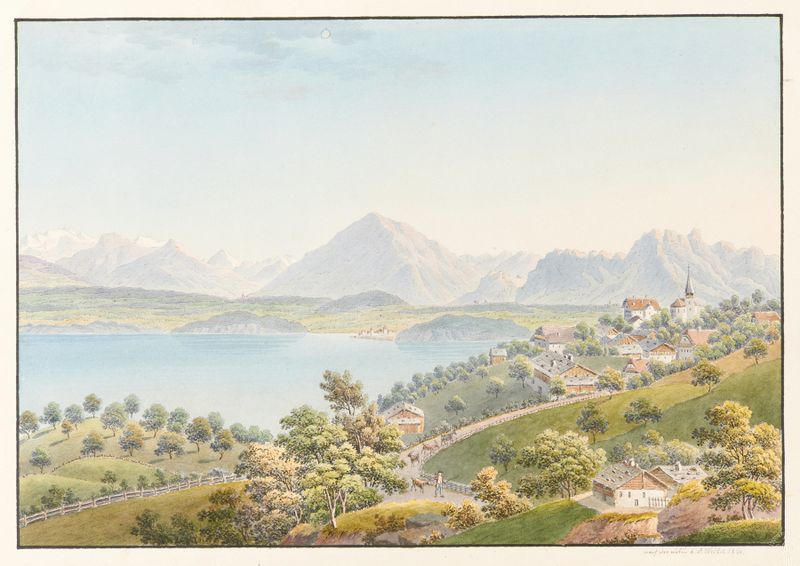
Vue dessiné depuis le Village de Sigriswil, audessus du Lac de Thoune
Jakob Samuel Weibel
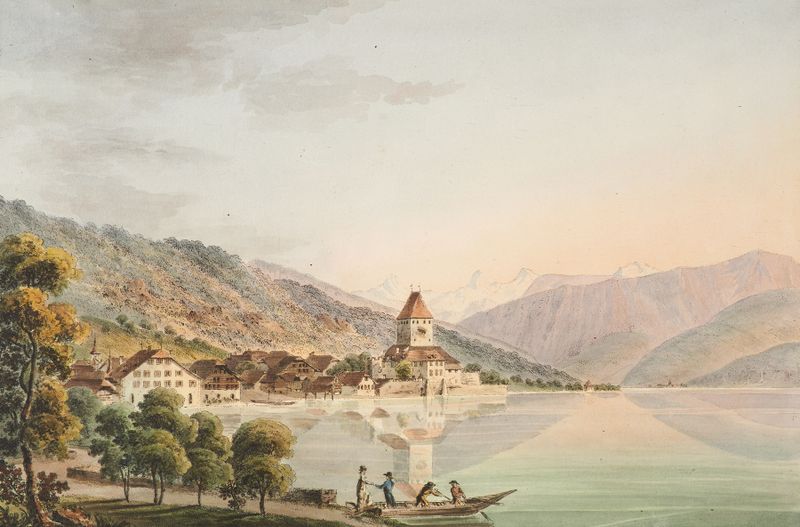
Vûe du Chateau d’Oberhofen au Lac de Thoune
Jakob Samuel Weibel
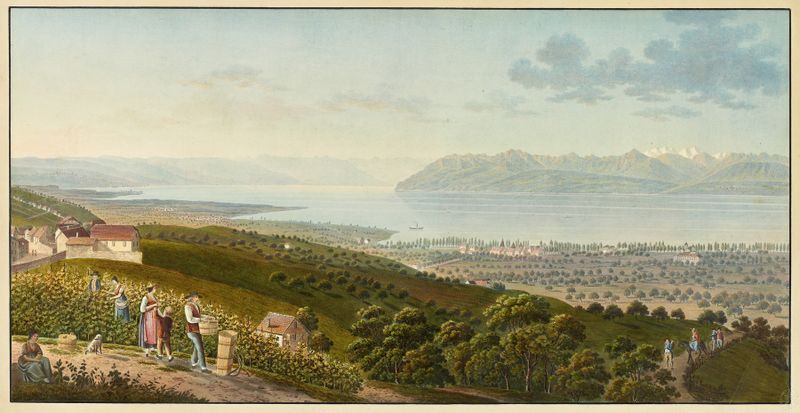
Vue genérale du Lac de Geneve
Jakob Samuel Weibel
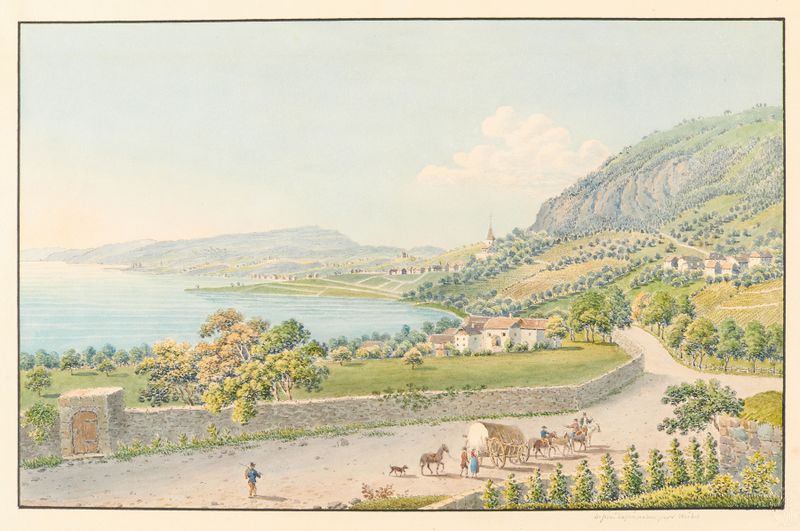
Vue des environs de Montreux et de Clarens
Jakob Samuel Weibel
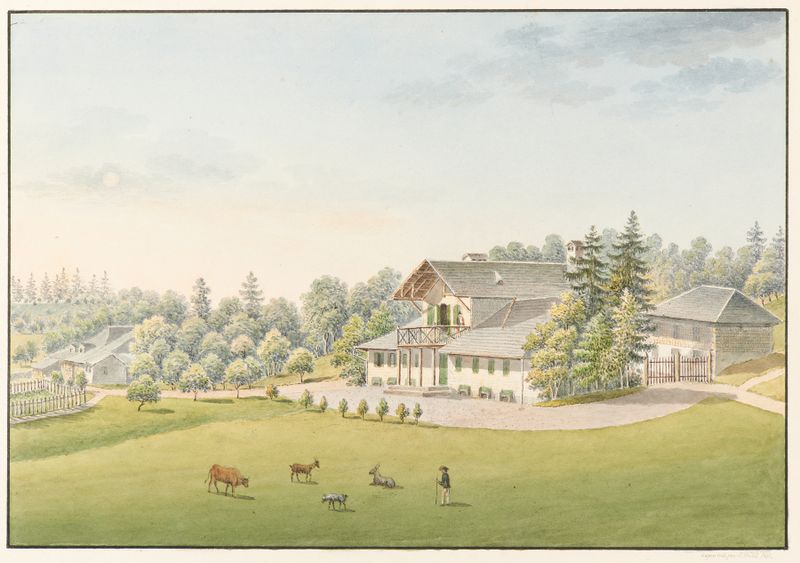
Vue du nouveau Châlet de Vernand
Jakob Samuel Weibel
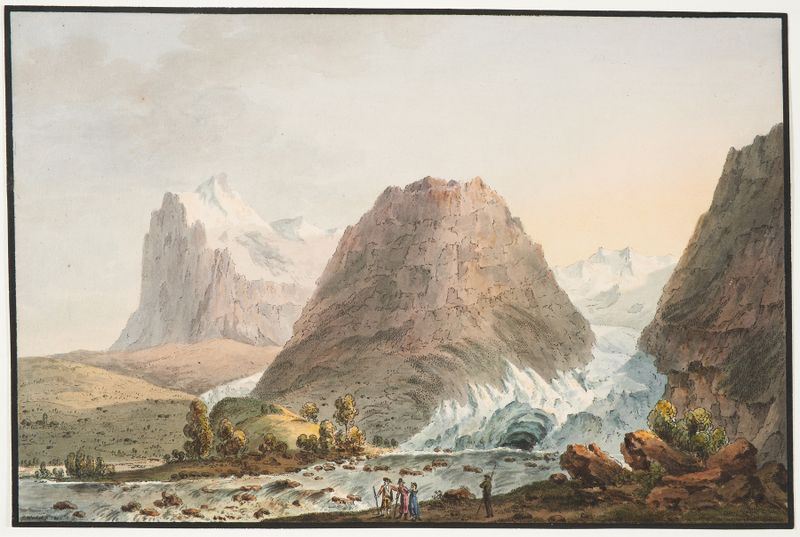
Vûe des Glacieres de Grindelwald
Jakob Samuel Weibel
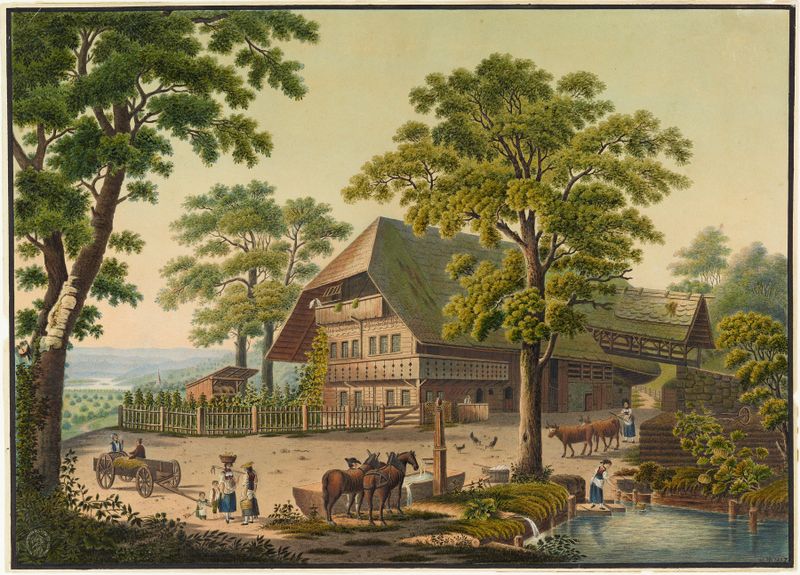
Maison de paysan près Wichtrach
Jakob Samuel Weibel
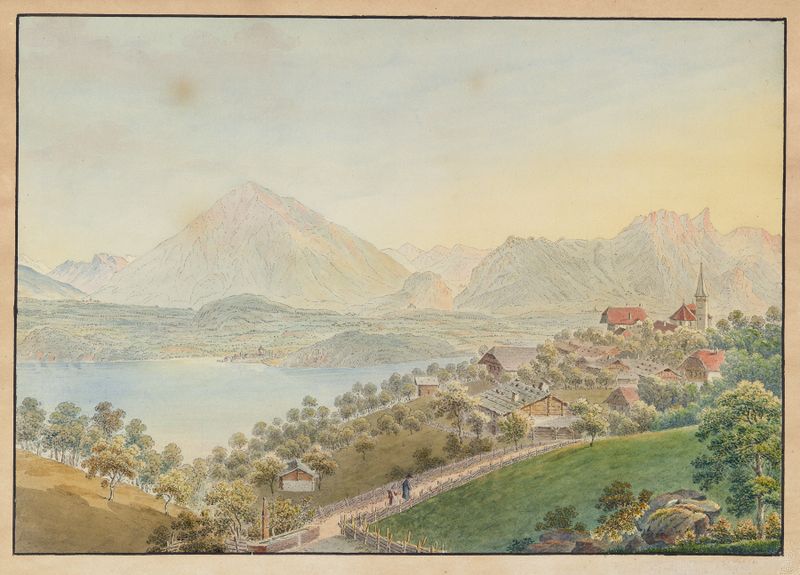
Ansicht von Sigriswil mit Niesen und Thunersee
Jakob Samuel Weibel
Ansicht Berns und der Aare vom Gurten aus
Jakob Samuel Weibel

Lausanne Ville capitale du Canton de Vaud
Jakob Samuel Weibel





