
Dinant — History & Facts
In Dinant, the essence of transformation resonates through each meticulous stroke, capturing an intimate moment where nature and humanity entwine in a delicate dance. Look to the foreground, where the River Meuse weaves gracefully through the composition, its shimmering surface reflecting the soft hues of the twilight sky. Notice how the artist employs a palette of blues and golds, contrasting the cool tranquility of water with warm, inviting light. Focus on the sweeping lines that draw the eye upward, guiding you to the serene village perched upon the rocky hills, where tiny windows flicker to life, hinting at the stories within. Dig deeper into the interplay of shadow and light, which reveals not only the physical landscape but also the emotional landscape of transformation.
The soft clouds hovering above seem to whisper promises of change, while the stillness of the water hints at a quiet resilience, a readiness for the world to awaken. Each element harmonizes as a testament to fleeting moments caught between day and night, life and stillness. David Young Cameron painted Dinant in 1907 while living in Scotland, a period marked by a burgeoning interest in capturing landscapes with a sense of immediacy and emotion. During this time, the Impressionist movement was flourishing, and artists were increasingly drawn to the effects of light and atmosphere.
Cameron embraced this approach, transforming traditional views into vibrant expressions of his surroundings, reflecting both personal and artistic evolution.
More Artworks by David Young Cameron
Browse all →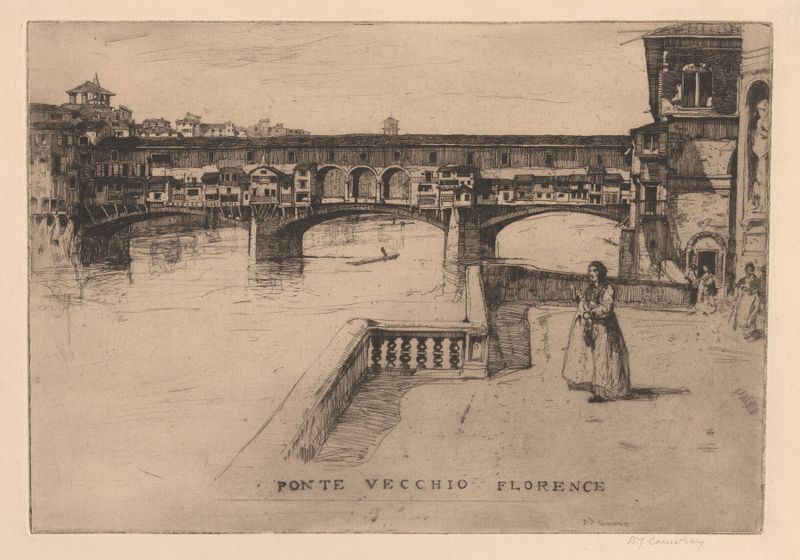
Ponte Vecchio
David Young Cameron

The Deanery, Winchester
David Young Cameron
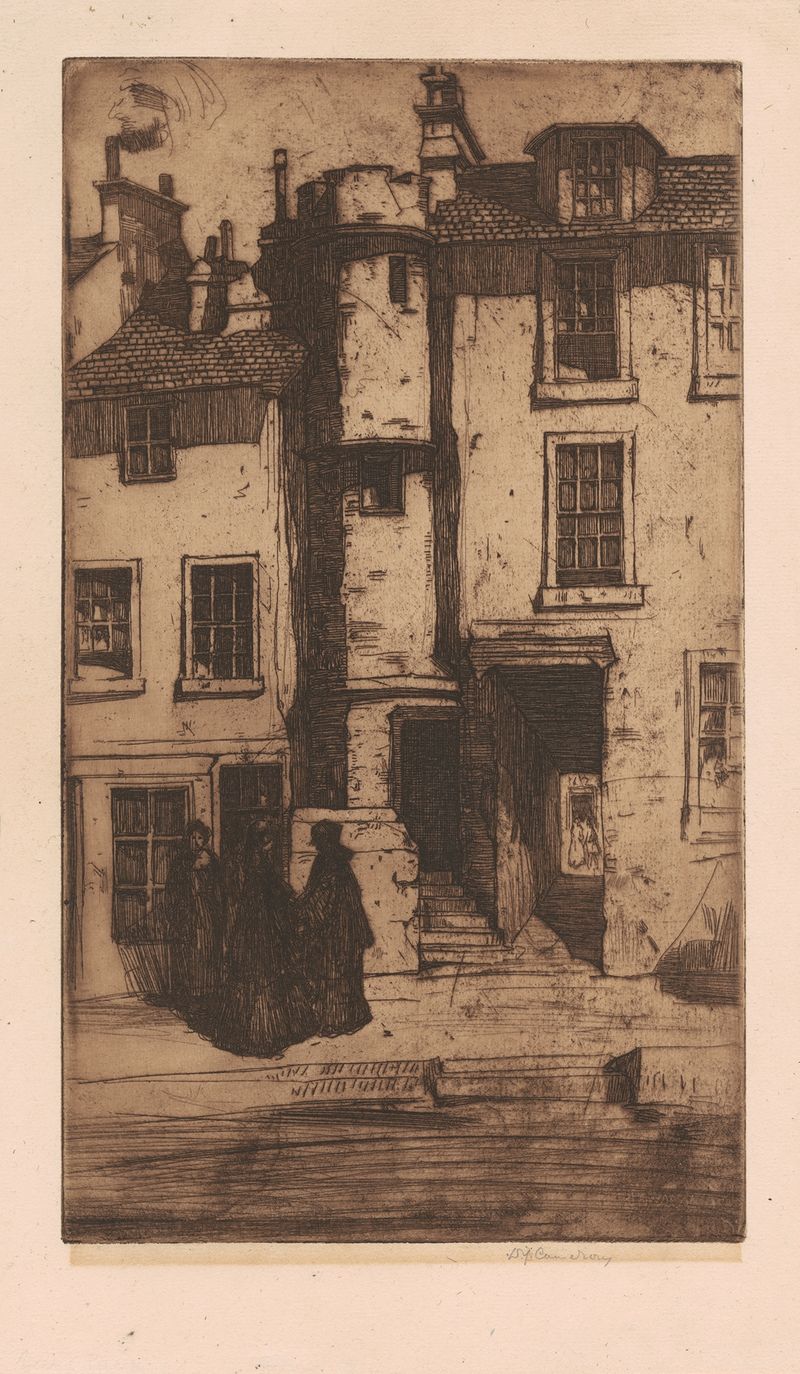
Old Houses, Stirling
David Young Cameron
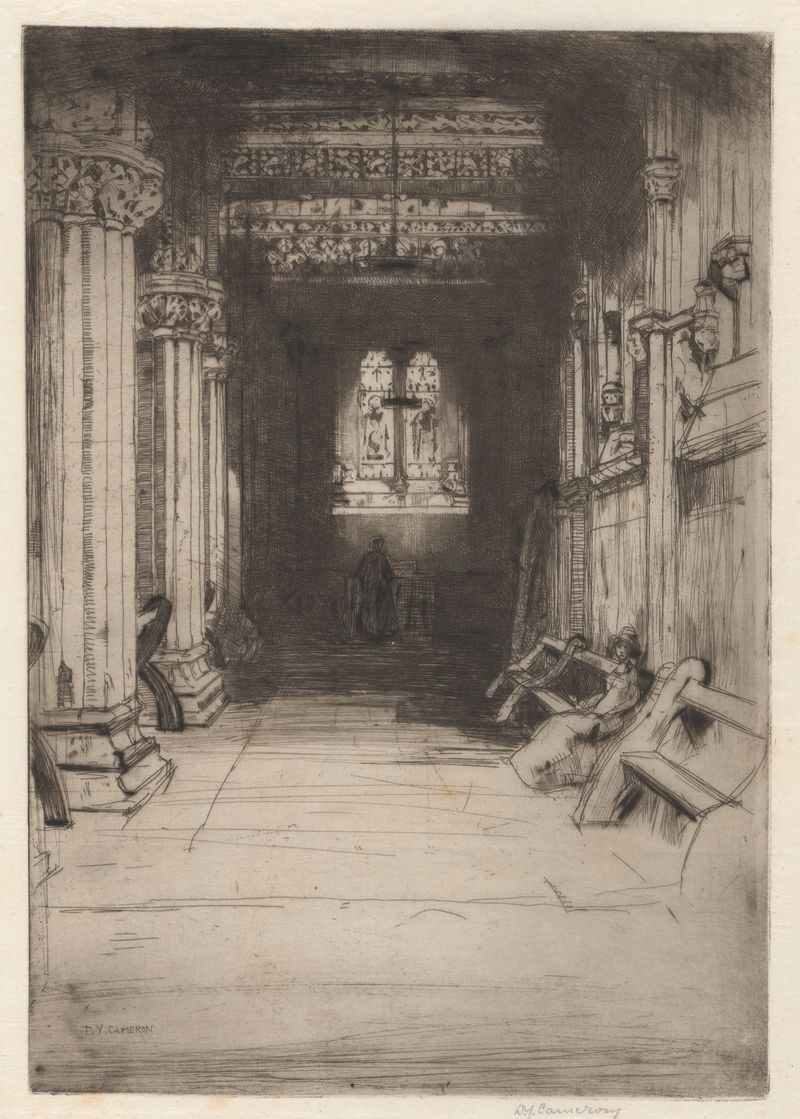
Rosslyn Chapel
David Young Cameron

The Old Museum, Beauvais
David Young Cameron
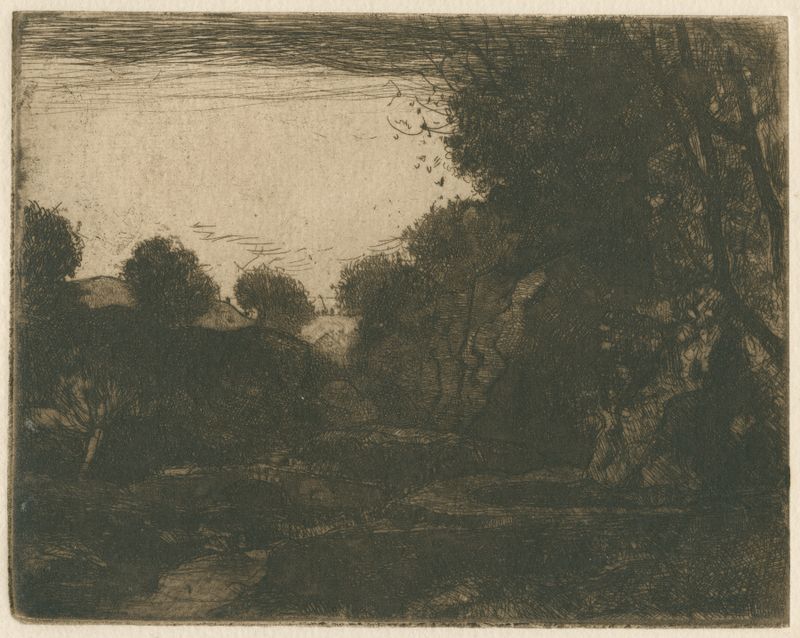
On the Bradford
David Young Cameron

The Smithy
David Young Cameron
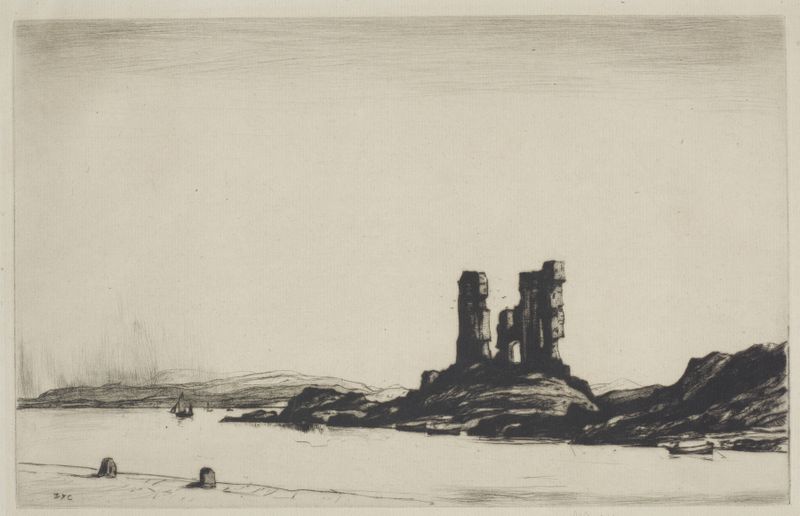
Castle Moyle
David Young Cameron
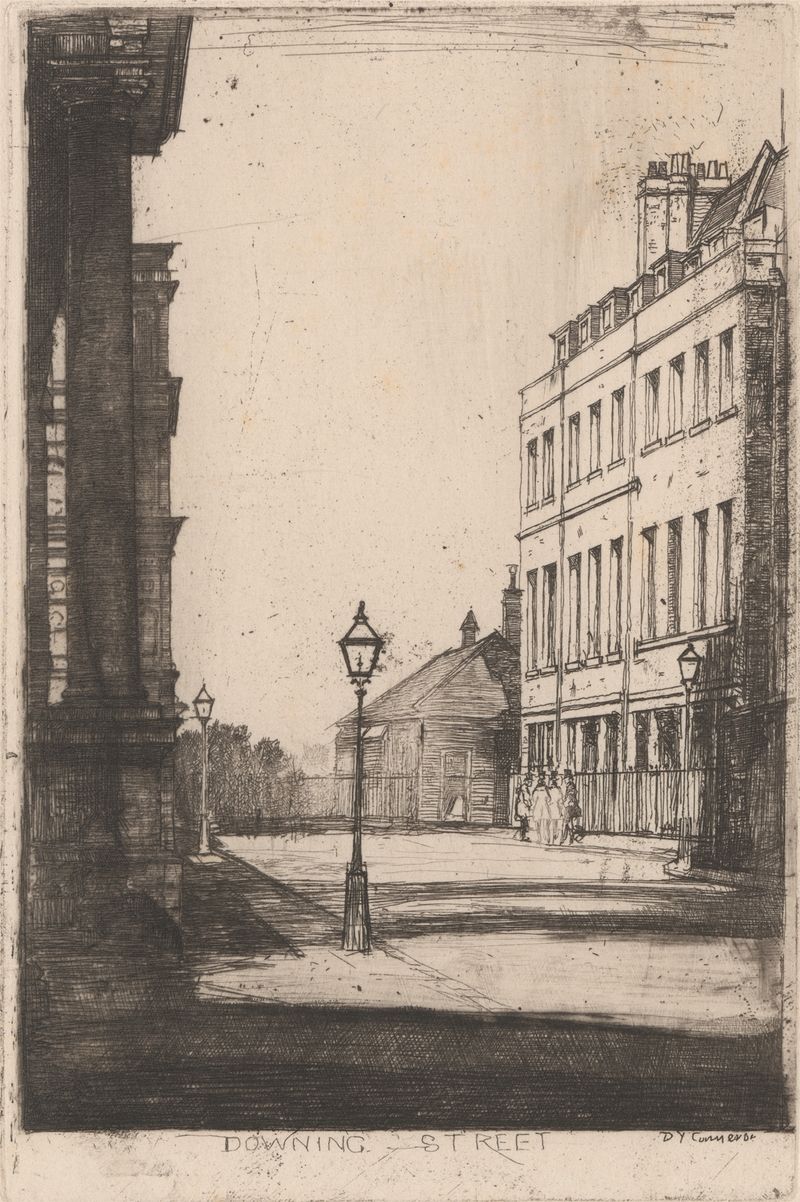
Downing Street
David Young Cameron

Glasgow Cathedral
David Young Cameron





