Discover insights about this artwork
Dish of Apples — History & Facts
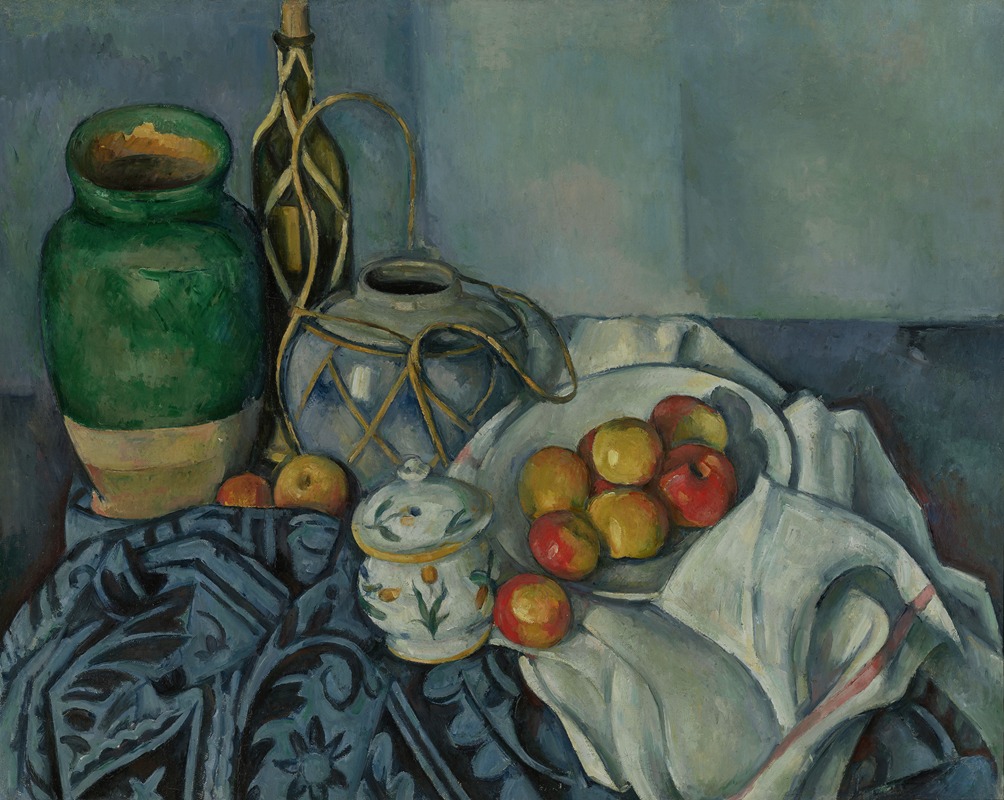
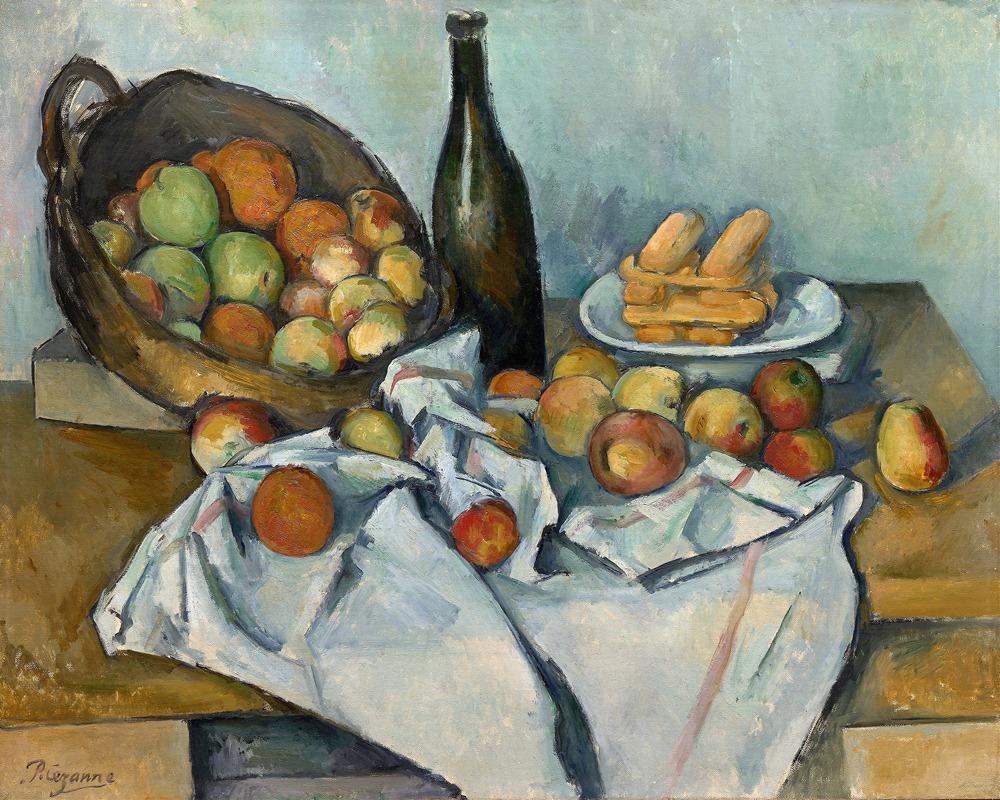
In Dish of Apples, Paul Cézanne presents a simple yet striking composition of apples arranged on a plate. The colors are rich and varied, with deep reds, greens, and yellows that bring the fruit to life. The background is a muted, warm tone that allows the apples to stand out prominently.
The overall effect is one of balance and harmony, typical of Cézanne's style. Cézanne's technique in this painting involves thick brushstrokes and a focus on geometric shapes. The apples are not just depicted as individual fruits; they are part of a larger composition that emphasizes their form and color. The play of light and shadow adds depth, creating a three-dimensional quality.
This work exemplifies Cézanne's departure from traditional still life towards a more modern interpretation. Paul Cézanne was a pivotal figure in the transition from 19th-century Impressionism to 20th-century Modernism. Dish of Apples is significant as it showcases his exploration of color and form, influencing many artists who followed. Interestingly, Cézanne often painted the same subject multiple times, seeking to capture its essence from different perspectives.
This painting is a testament to his dedication to understanding the nature of objects.
More Artworks by Paul Cézanne
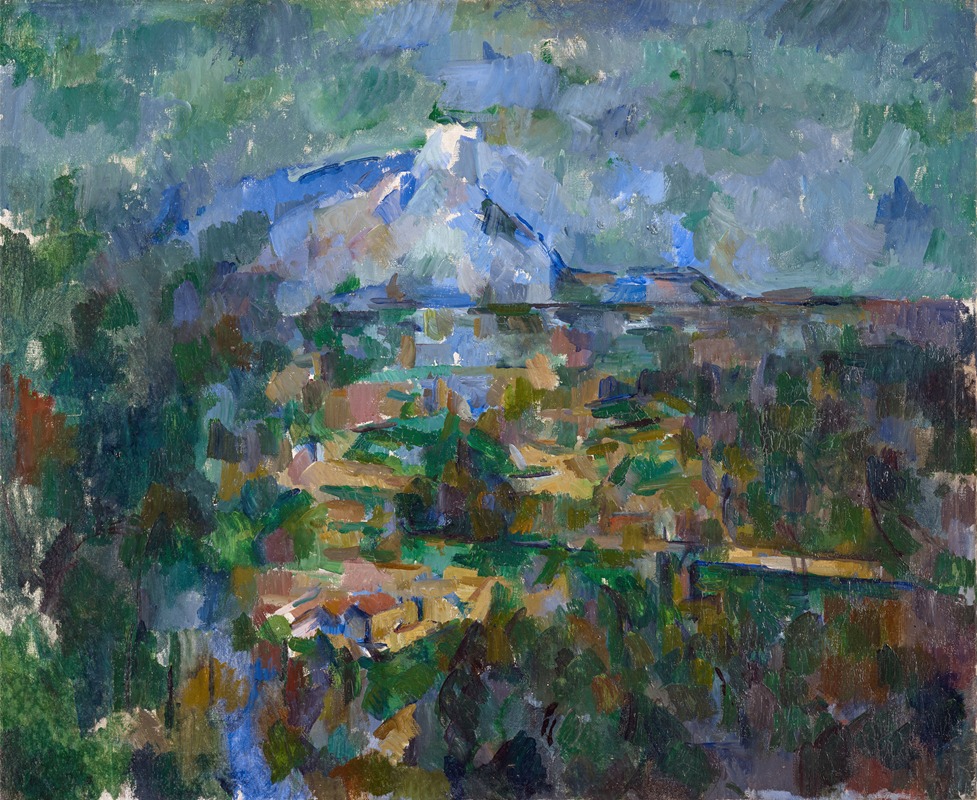
The Mont Sainte-Victoire Seen From Les Lauves
Paul Cézanne
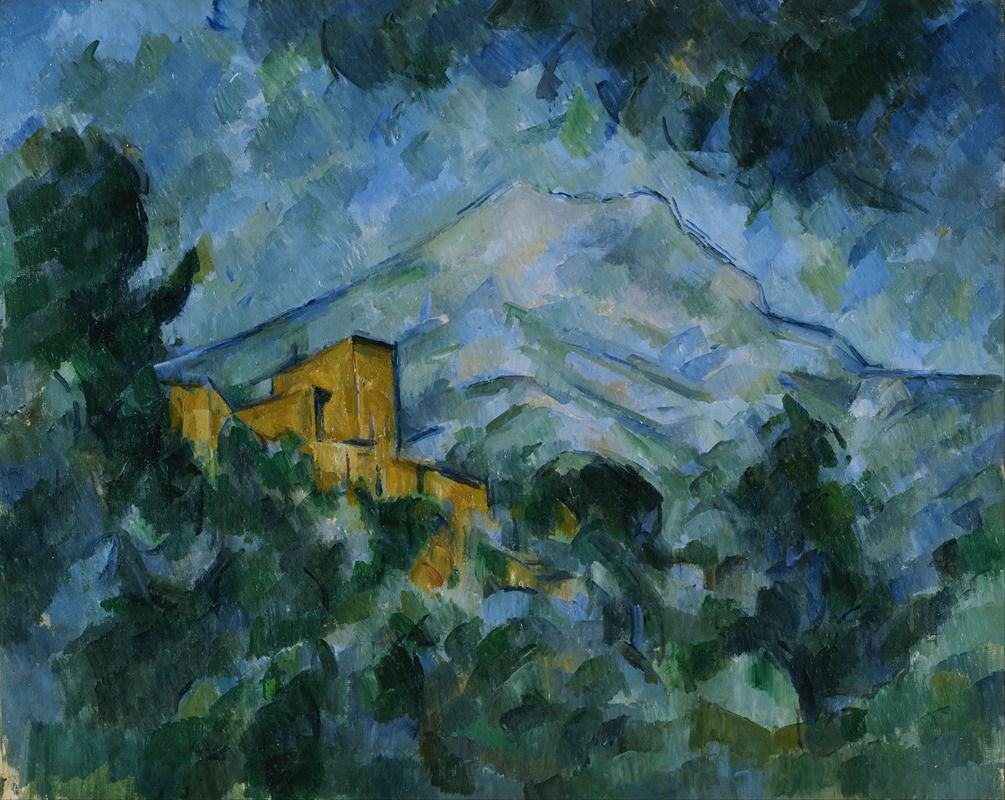
Mont Sainte-Victoire and Château Noir
Paul Cézanne
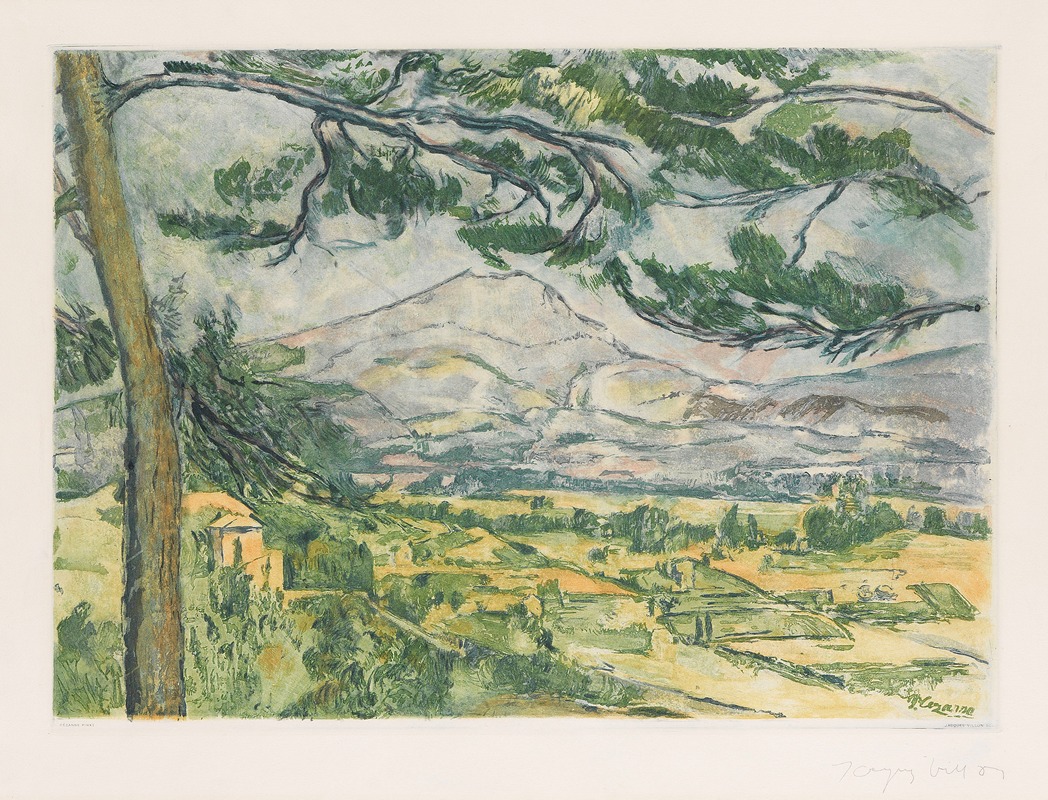
La Montagne Sainte-Victoire
Paul Cézanne
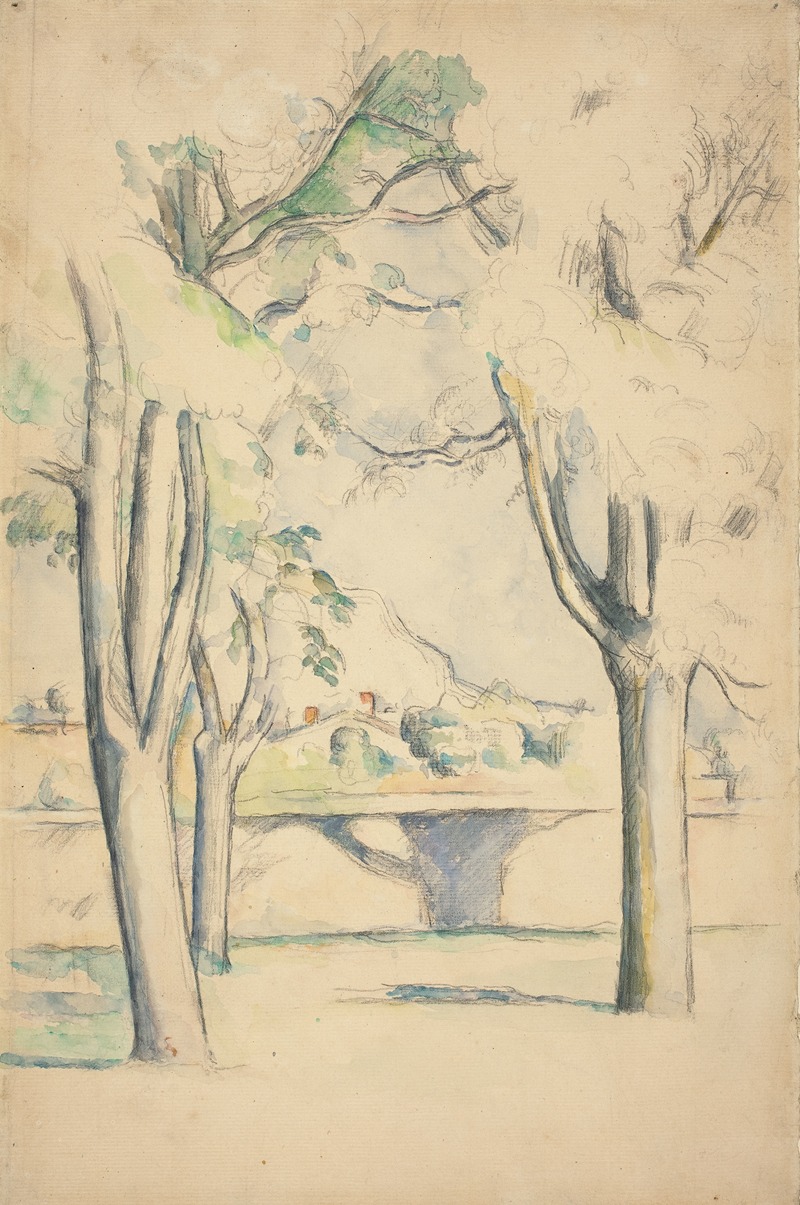
Mont Sainte-Victoire Seen beyond the Wall of the Jas de Bouffan
Paul Cézanne
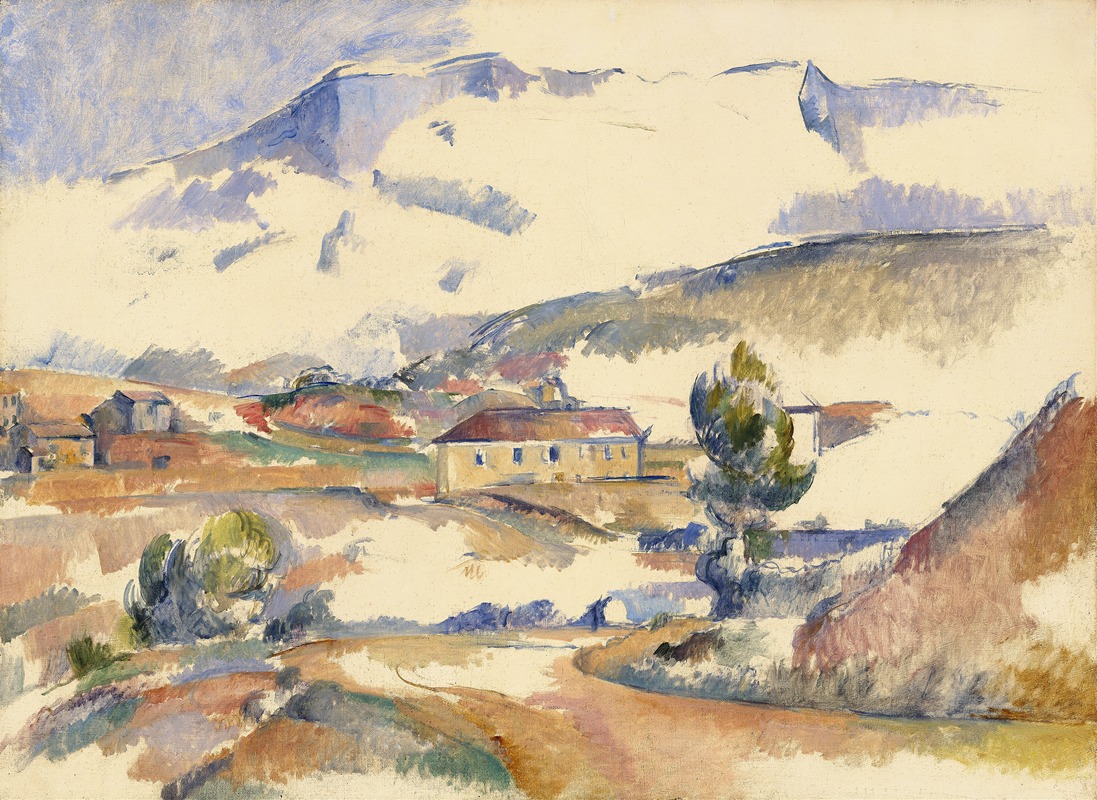
Montagne Sainte-Victoire,from near Gardanne
Paul Cézanne
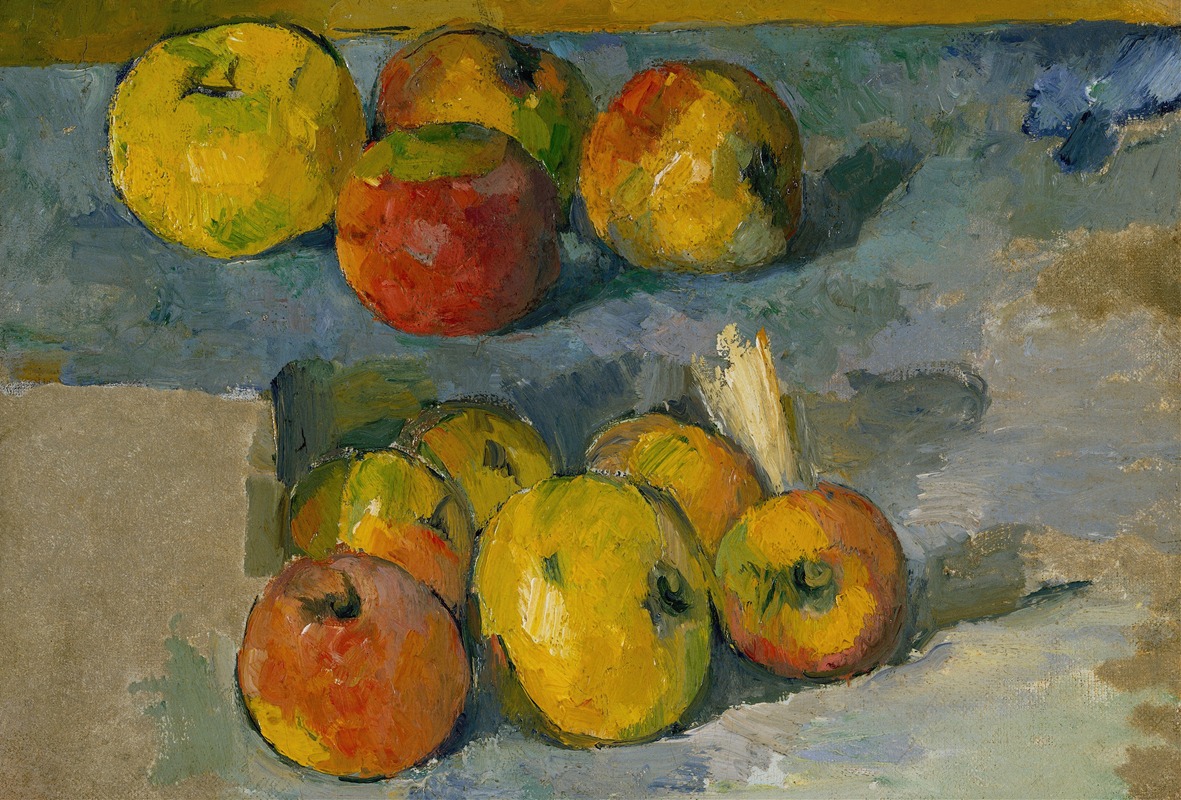
Apples
Paul Cézanne
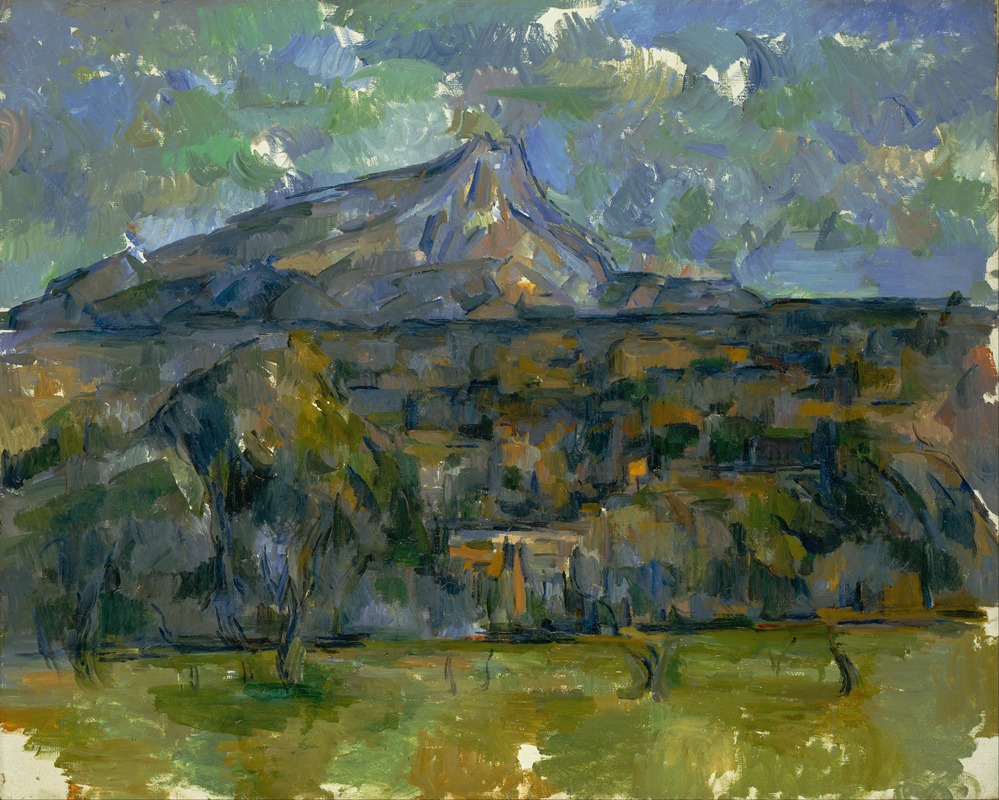
Mont Sainte-Victoire
Paul Cézanne
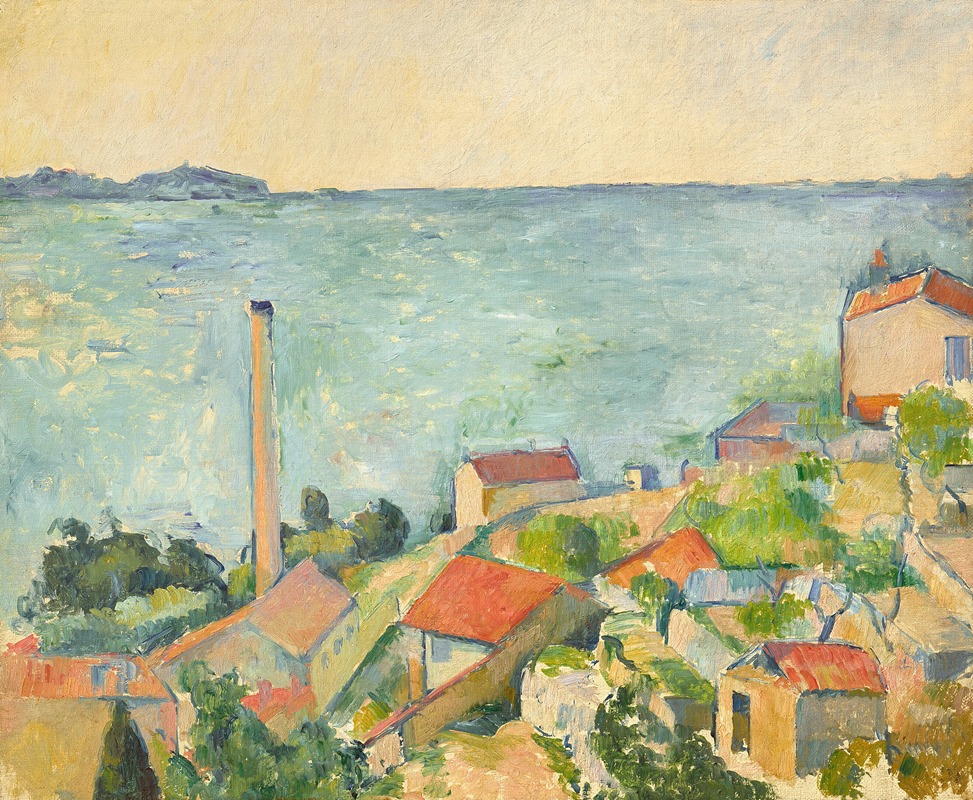
La mer à l’Estaque
Paul Cézanne
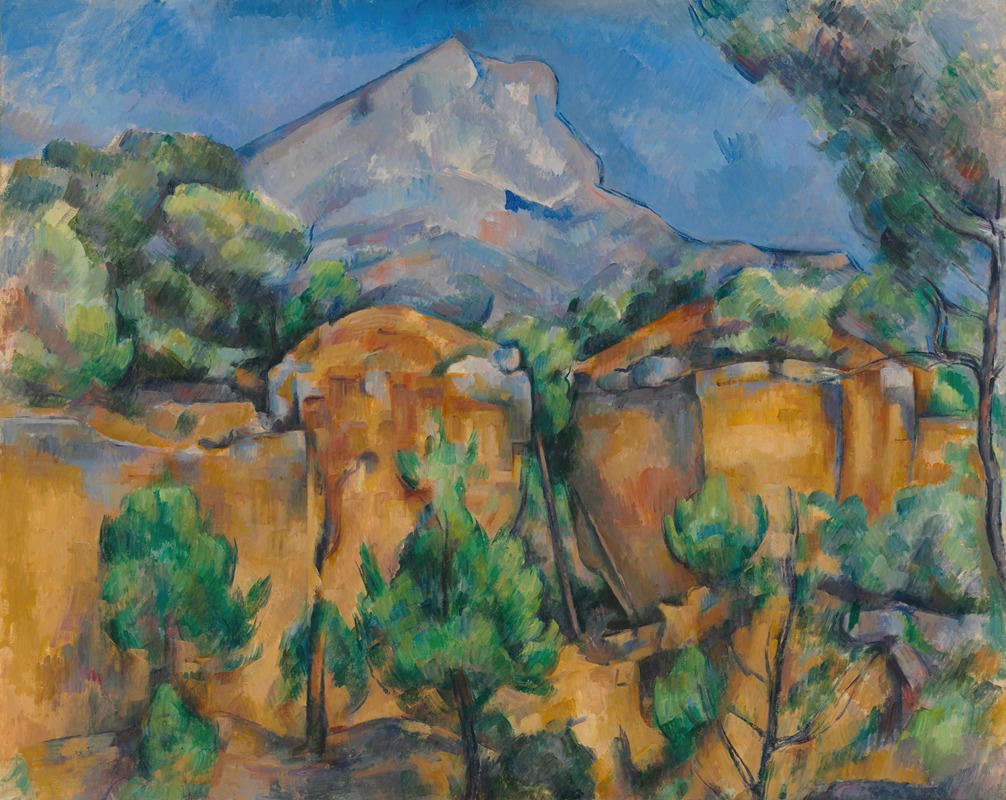
La Montagne Sainte-Victoire vue de la carrière Bibémus
Paul Cézanne
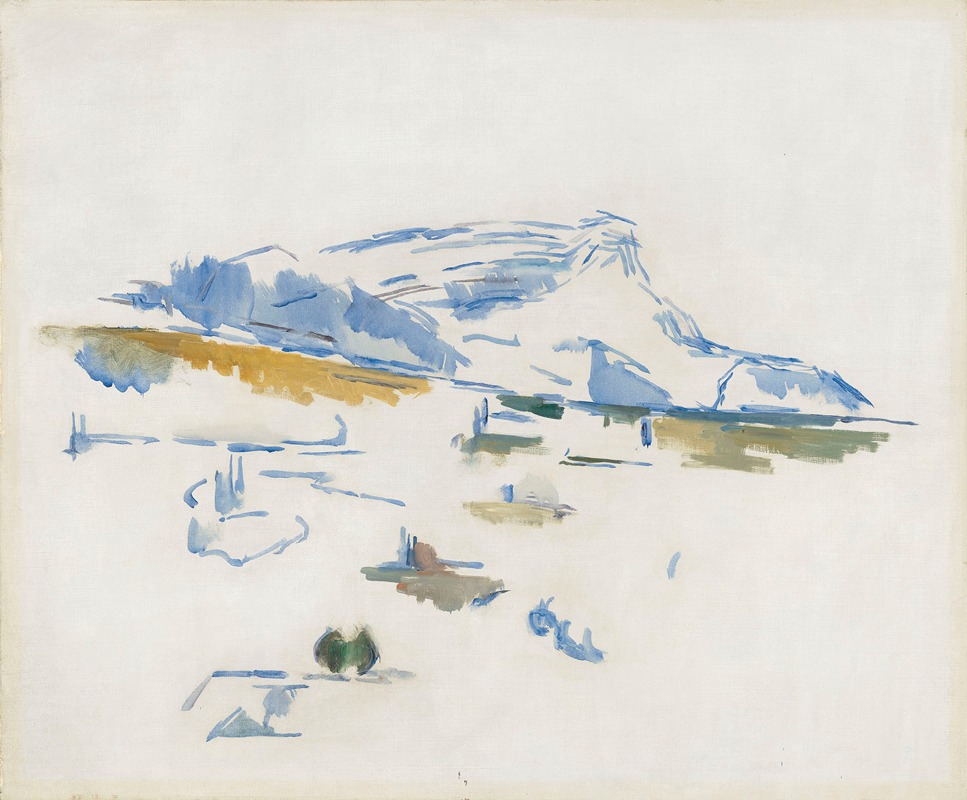
La Montagne Sainte-Victoire vue des Lauves
Paul Cézanne