
Dives (Calvados) — History & Facts
It beckons for the observer to discover the dance of life within its confines, revealing the essence of movement intimately captured on a flat surface. Look to the left at the gentle curve of the water, where ripples playfully distort the reflections of the surrounding trees. The dynamic brush strokes evoke a lively rhythm, accentuating the rush of the river as it flows through the tranquil landscape. Notice how the vibrant greens of the foliage contrast with the soft blues and grays of the water, creating a harmonious dialogue that draws the eye along the current’s path. Beneath the surface, a deeper narrative unfolds: the interplay of stillness and motion encapsulates human experience.
The disciplined yet fluid outlines of the trees speak to the perseverance of nature against the relentless passage of time. In this moment, tranquility and energy coexist, offering a poignant reminder of life’s ebb and flow, where every brushstroke echoes a heartbeat. In 1869, during a period of burgeoning artistic experimentation in France, the artist crafted this piece while navigating the tension between realism and impressionism. Lalanne found inspiration in the idyllic landscapes of Normandy, reflecting a world on the brink of transformation.
As he painted Dives (Calvados), he embraced the changes unfolding in art and society, capturing a fleeting moment while exploring the depths of movement that resonate with our own journeys.
More Artworks by Maxime Lalanne
Browse all →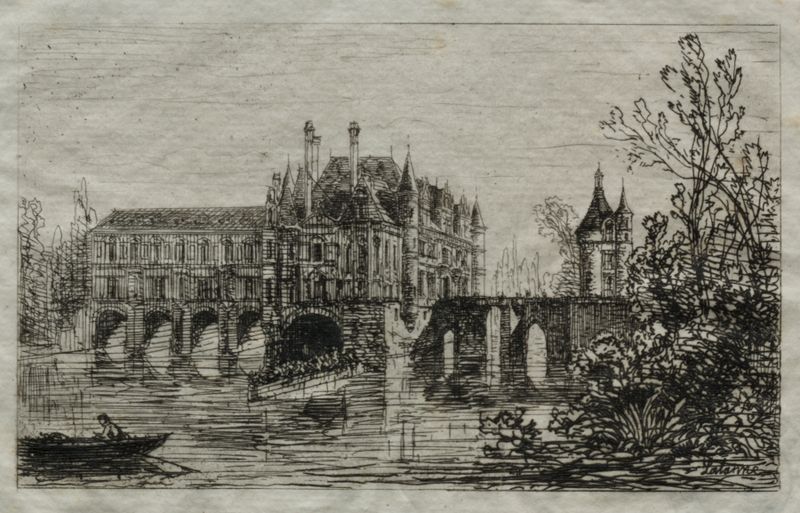
Château de Chenonceau
Maxime Lalanne
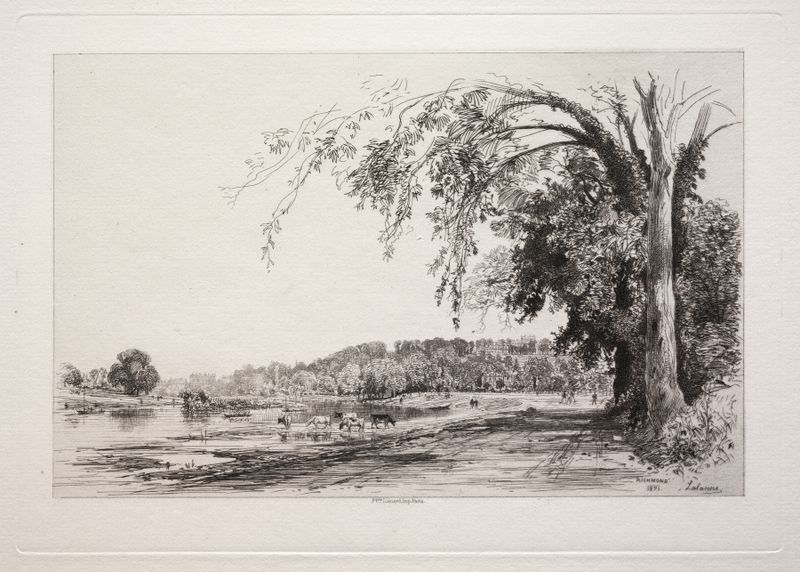
Richmond
Maxime Lalanne
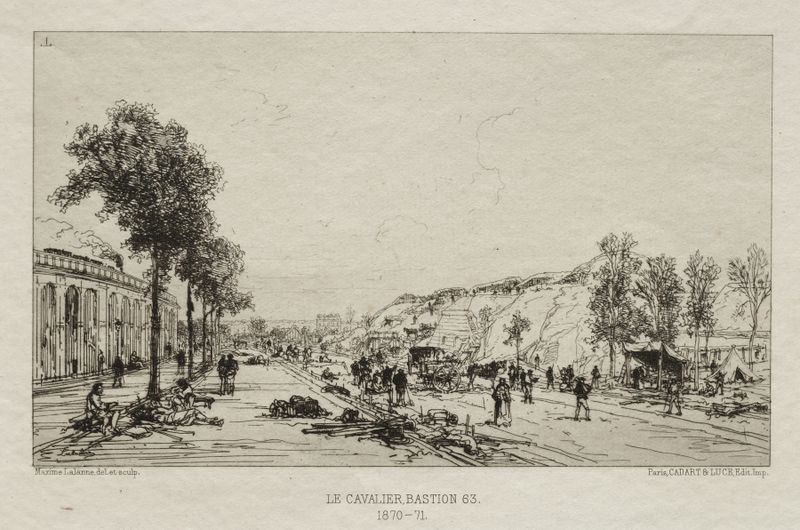
Souvenirs artistiques du Siège de Paris; Le Cavalie (Bastion 63)
Maxime Lalanne
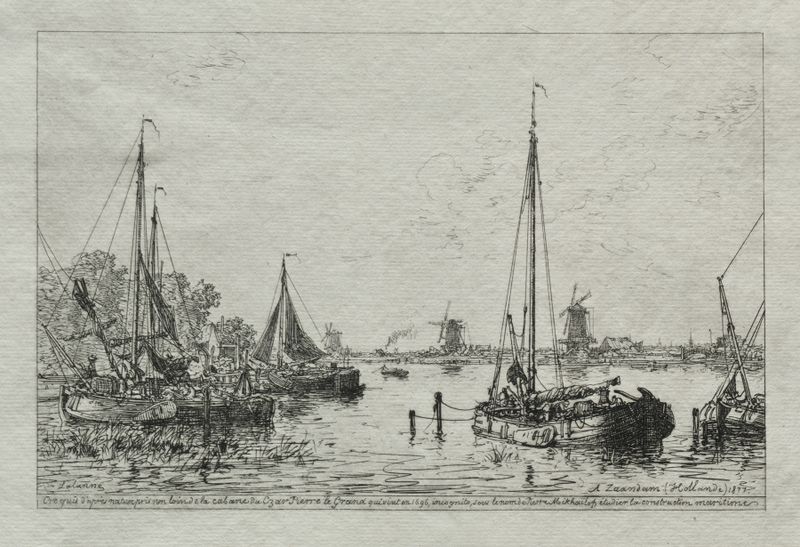
Sketch from Nature
Maxime Lalanne
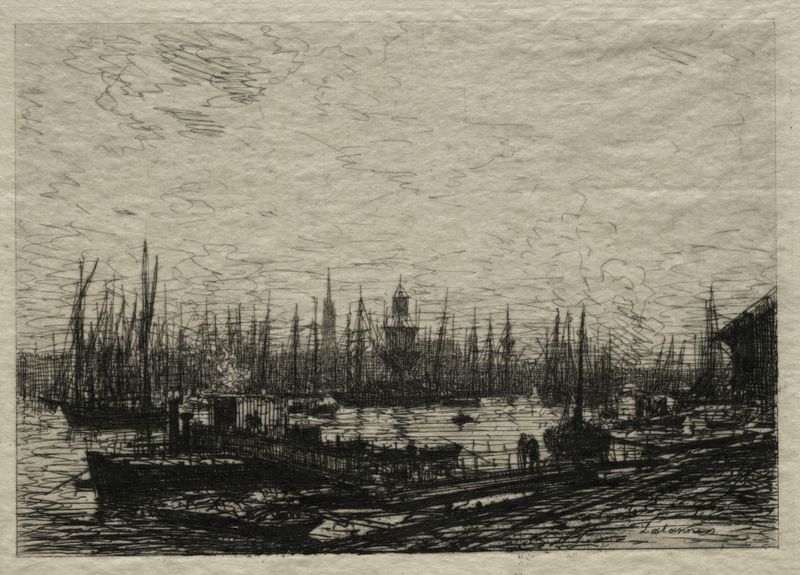
In the Bordeaux Harbor
Maxime Lalanne
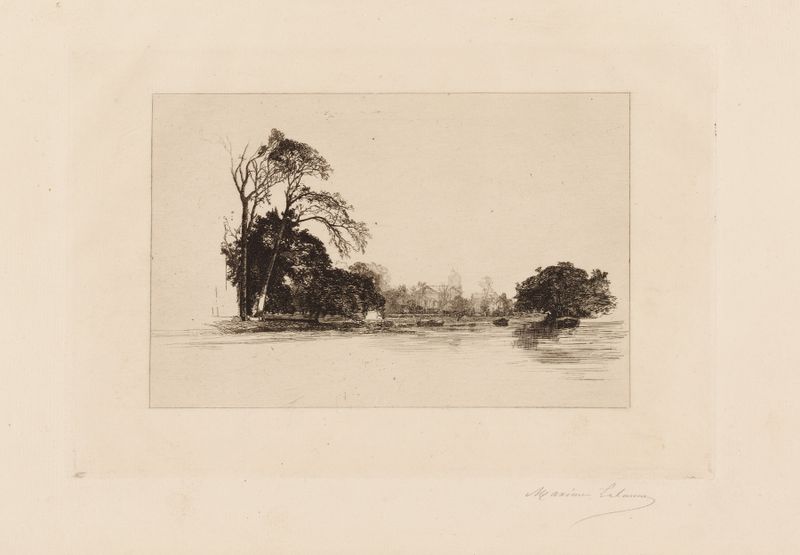
Bank of the Thames
Maxime Lalanne
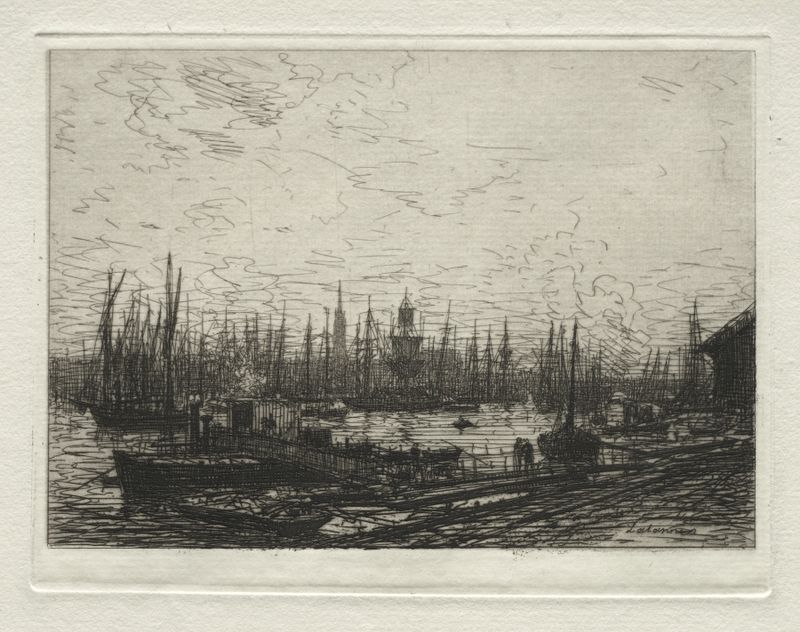
Port of Bordeaux
Maxime Lalanne
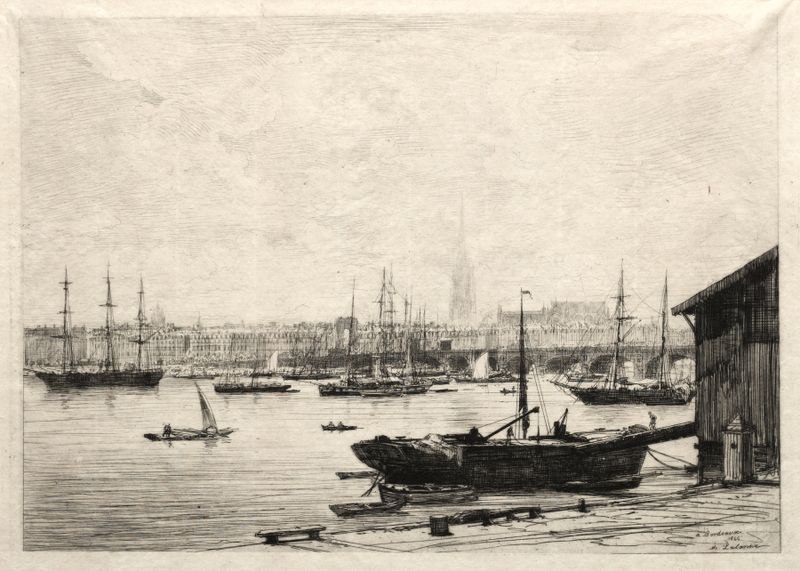
Bordeaux
Maxime Lalanne
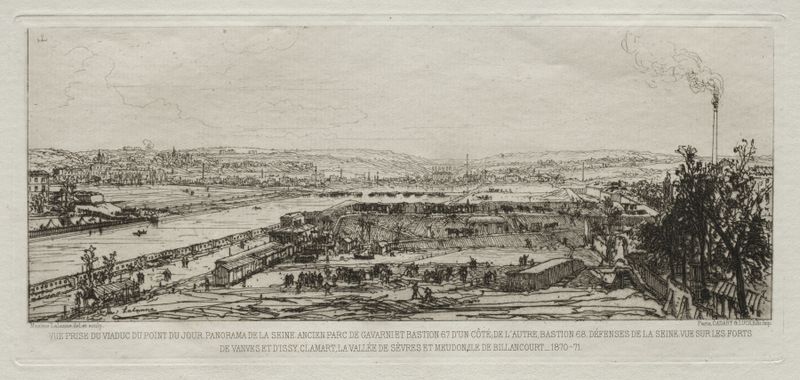
View from the Viaduct at the Pont-du-Jour, Panorama de la Seine
Maxime Lalanne
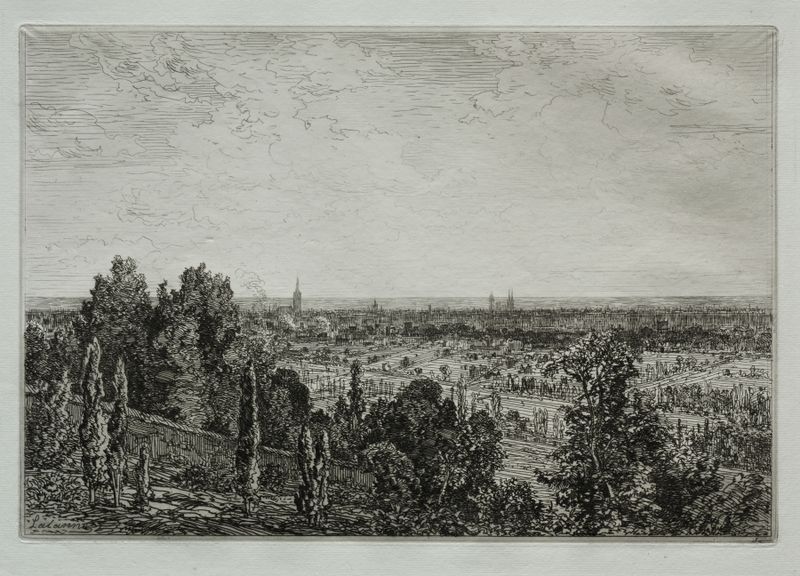
Bordeaux, View from the Coast of Cénon
Maxime Lalanne





