
Dünenstrand an der Ostsee — History & Facts
In moments of transformation, landscapes can become mirrors of our inner selves, reflecting the subtle changes in our world and hearts. Look closely at the expansive sandy beach that stretches across the canvas. Notice how the soft brush strokes create a gentle undulation of the dunes, inviting your gaze to travel across the serene shoreline. The muted palette of blues and browns evokes a sense of calm, while the light plays delicately against the forms, suggesting the fleeting nature of time and the transience of beauty. Hidden within this tranquil scene lies a deeper narrative—tensions between permanence and impermanence.
The delicate ripples of the sand illustrate the constant ebb and flow of nature, symbolizing the inevitable transformations we all face. Watch as the distant horizon fades into a gentle haze, hinting at the mysteries that lie beyond the visible world, a reminder that change is both inevitable and beautiful. Friedrich Loos painted this work in 1887 during a period when he was exploring the themes of nature and human existence. Living in Germany, he was influenced by the Romantic movement, which emphasized the emotional resonance of landscapes.
This piece reflects his desire to capture the essence of a moment, merging the external beauty of the Ostsee with the internal landscapes of human experience.
More Artworks by Friedrich Loos
Browse all →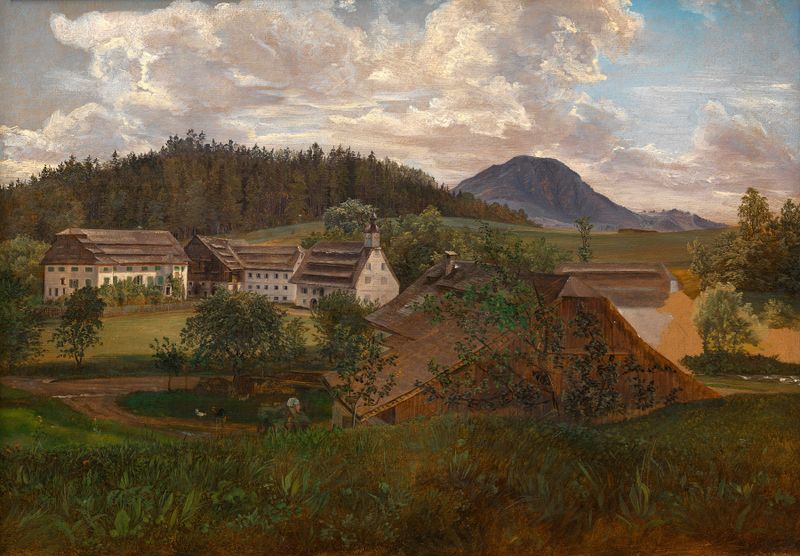
Salzburgische Landschaft mit Gutshof
Friedrich Loos
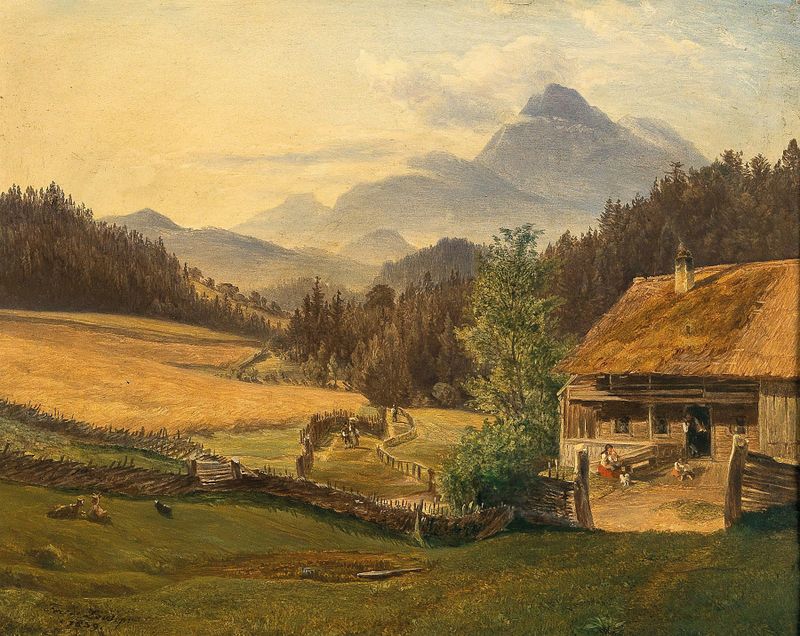
Summer landscape in the mountains
Friedrich Loos
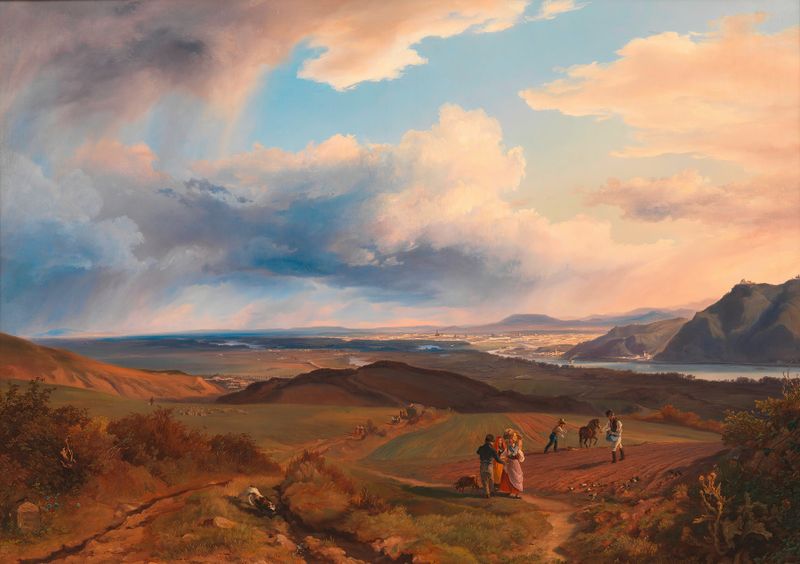
Blick auf Wien vom Bisamberg
Friedrich Loos
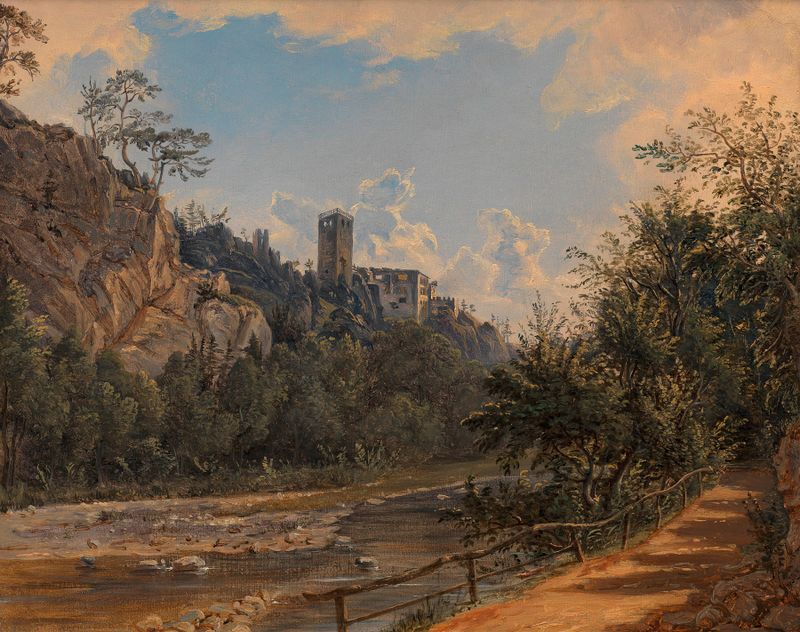
Ruine Rauhenstein bei Baden
Friedrich Loos

Die Ramsau bei Berchtesgaden
Friedrich Loos
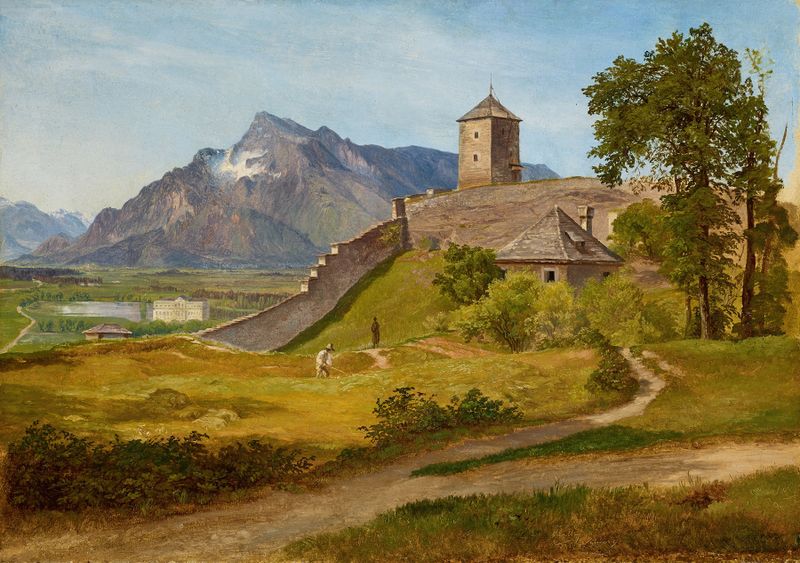
Das Militärwachthaus und der Josefsturm auf dem Salzburger Mönchsberg
Friedrich Loos
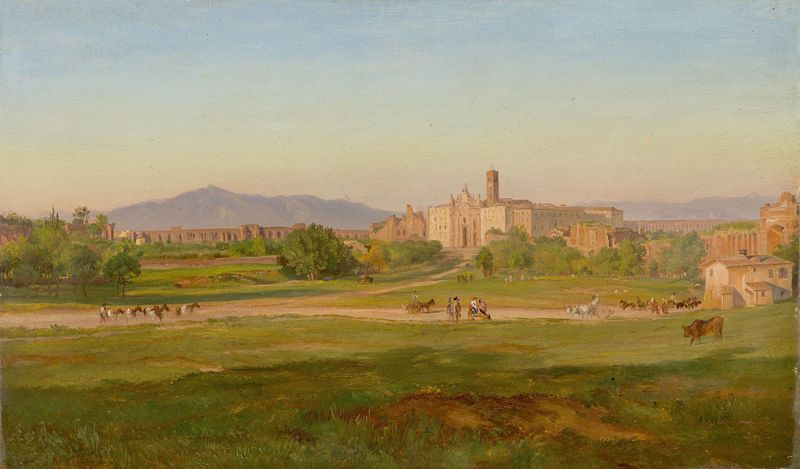
Blick auf die Basilica di Santa Croce in Gerusalemme (Rom)
Friedrich Loos

Monte Cavo bei Albano
Friedrich Loos

Der Mönchsberg in Salzburg mit dem Josefsturm
Friedrich Loos

Harvest near Rust on Lake Neusiedl
Friedrich Loos





