
Dog of the North American Indians — History & Facts
In Dog of the North American Indians, Charles Hamilton Smith presents a realistic depiction of a dog. The painting features earthy tones, with a focus on the dog's fur, which is rendered in a variety of browns and creams. The background suggests a natural setting, possibly a forest or open land, typical of the dog's habitat.
The animal's posture conveys alertness and loyalty, traits valued by the Native American cultures it represents. The painting is executed in oil on canvas, a medium that allows for rich color and texture. Smith's attention to detail is evident in the lifelike representation of the dog's features, from its expressive eyes to the texture of its coat. The composition is balanced, with the dog positioned prominently in the foreground, drawing the viewer's eye.
This work exemplifies the realism style, capturing the essence of the subject with precision. Charles Hamilton Smith was known for his detailed studies of animals, particularly those related to Native American life. This painting reflects his interest in the cultural significance of animals in indigenous societies. An interesting fact about this work is that it was created during a time when there was growing interest in the natural world and the relationship between humans and animals.
Smith's work contributes to our understanding of this dynamic.
More Artworks by Charles Hamilton Smith

Marengo, Bonaparte’s Arab
Charles Hamilton Smith
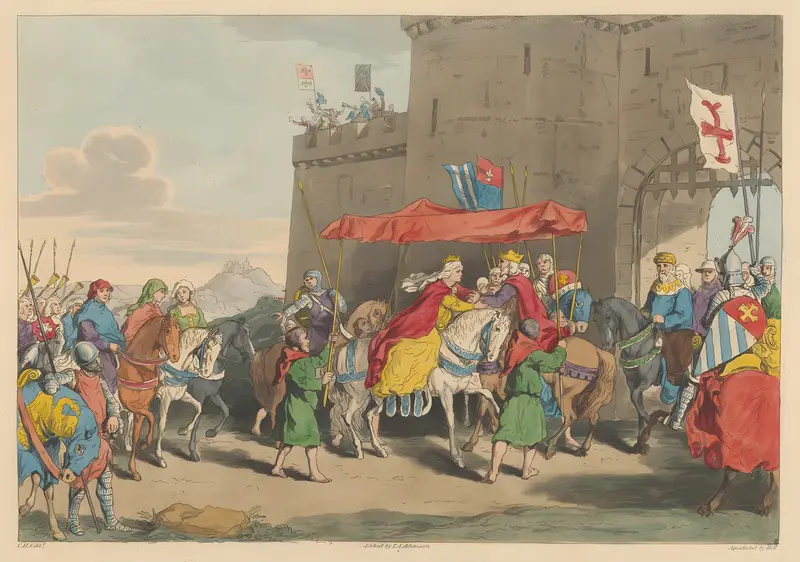
Costume of the Reign of King Henry III
Charles Hamilton Smith
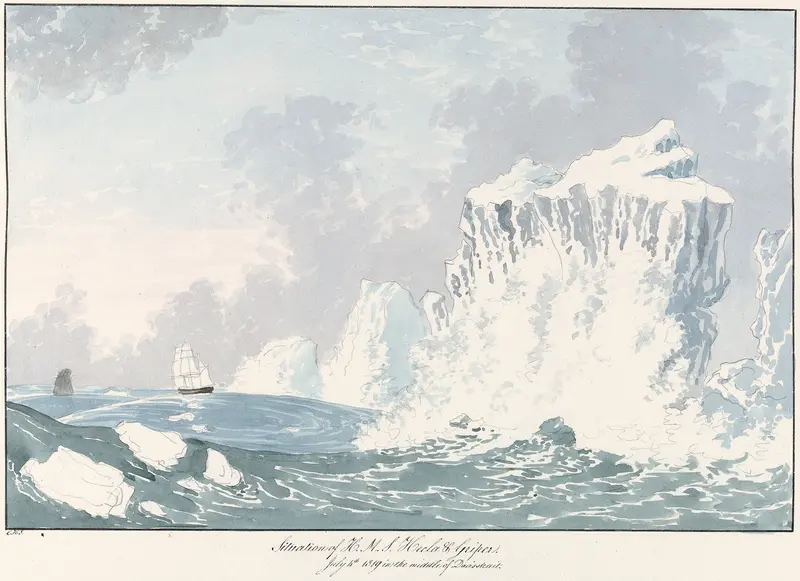
Situation of H.M.S. Hecla & Griper
Charles Hamilton Smith
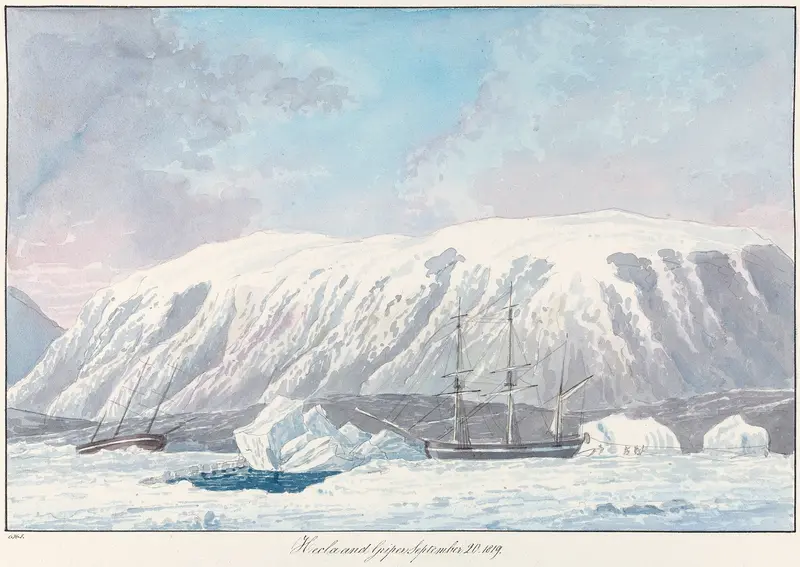
Hecla and Griper
Charles Hamilton Smith
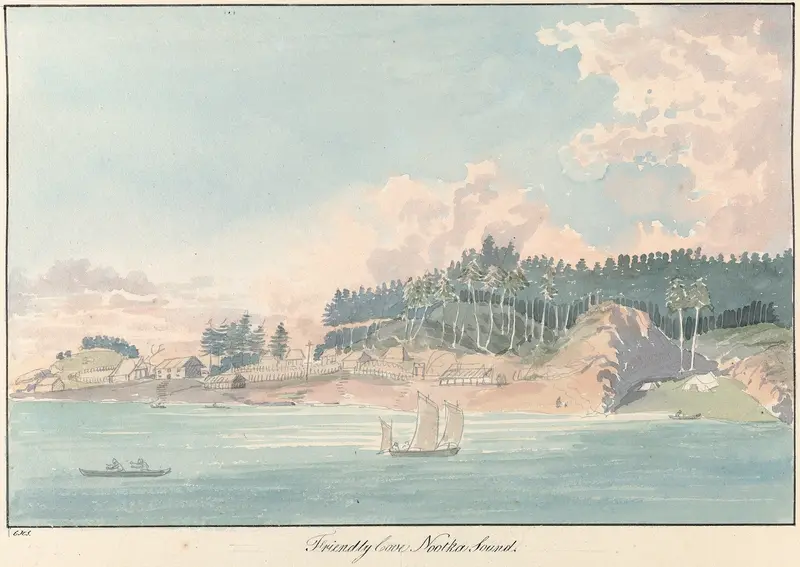
Friendly Cove, Nootka Sound
Charles Hamilton Smith
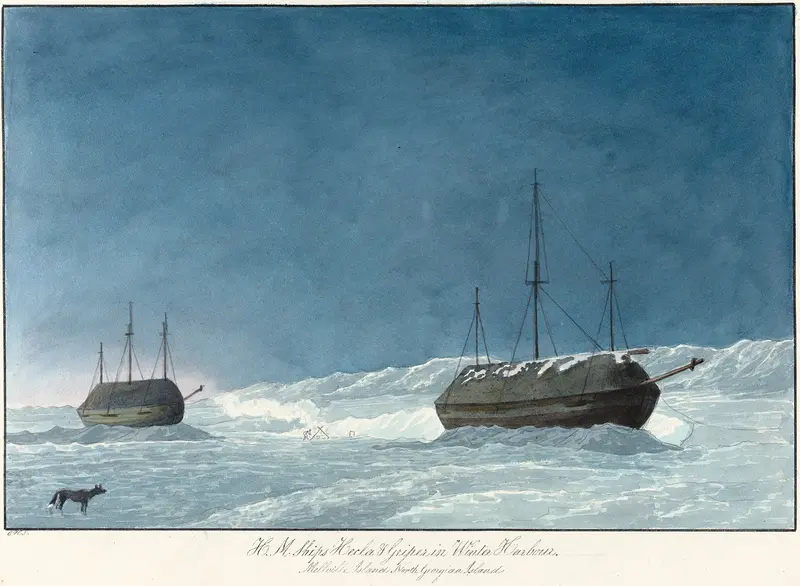
H. M. Ships Hecla and Griper in Winter Harbour
Charles Hamilton Smith
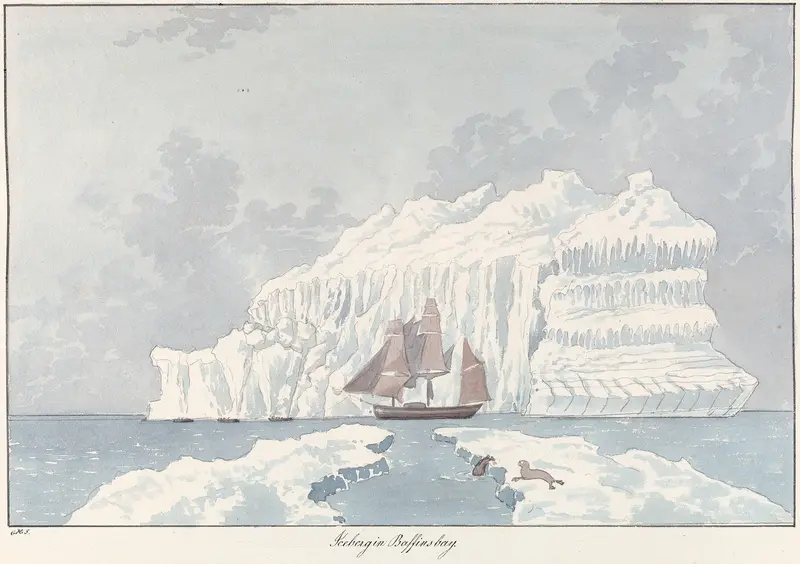
Iceberg in Baffin’s Bay
Charles Hamilton Smith
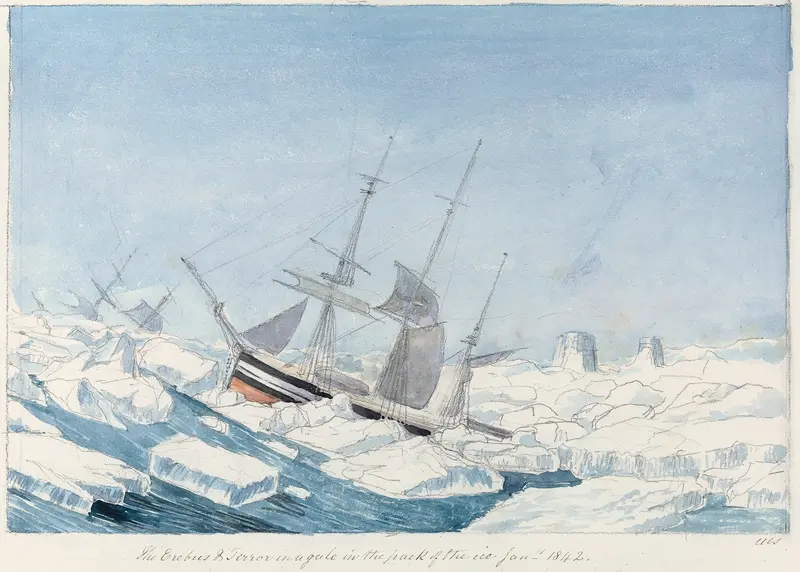
The Erebus & Terror in a Gale in the Pack of the Ice
Charles Hamilton Smith
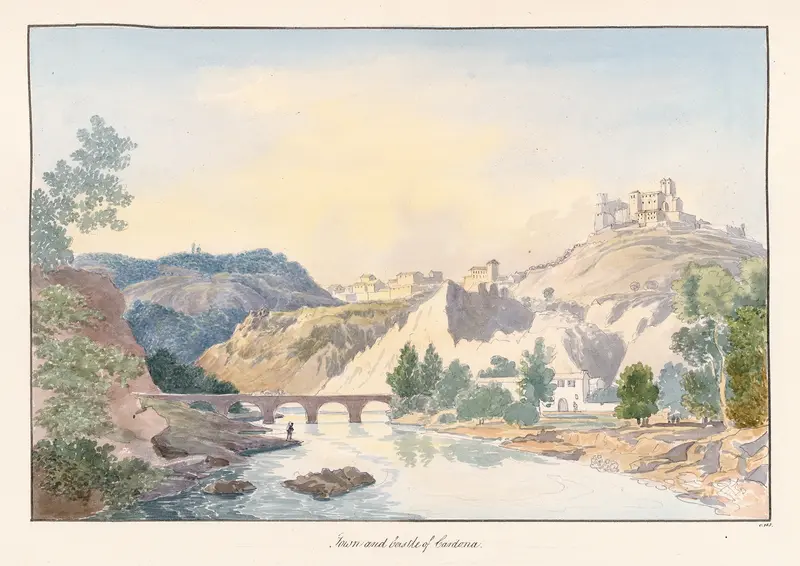
Town and Castle of Cardona
Charles Hamilton Smith
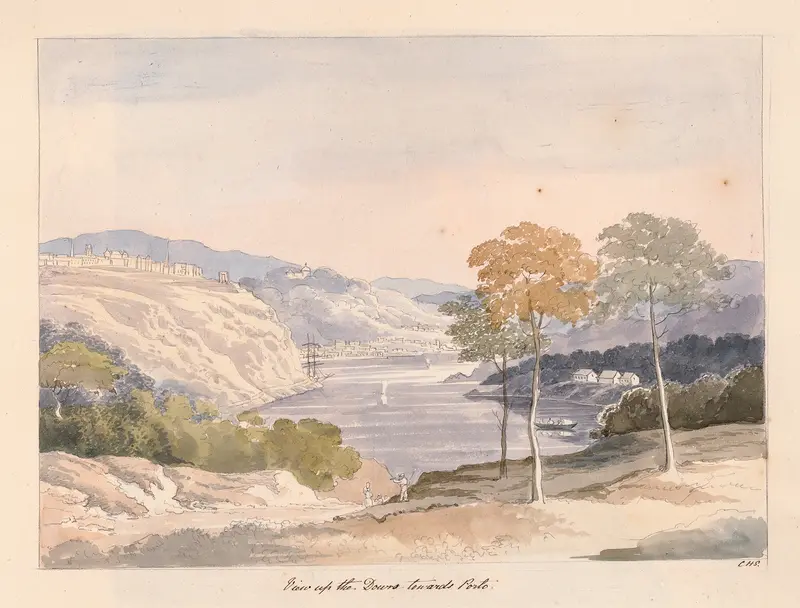
View of the Douro towards Porto
Charles Hamilton Smith





