
Dolmen At Raklev, Røsnæs — History & Facts
Can beauty exist without sorrow? In Dolmen At Raklev, Røsnæs, the answer dances at the edge of light and shadow, revealing the intricate relationship between nature and history. Look to the center of the canvas, where the ancient dolmen stands resolute. The weathered stones, heavy and imposing, draw the eye with their stark contrast against the lush, verdant landscape that envelops them. Notice how the soft greens and browns of the earth seem to cradle this monumental relic, while the sky above transitions from a soft blue to hints of dusk.
The light filters through the clouds, casting a serene glow that speaks to the passage of time, inviting contemplation. Beneath the surface, a tension emerges; the dolmen, a marker of humanity's history, lies utterly still, contrasting with the vibrant life surrounding it. This juxtaposition hints at an obsession with memory and permanence, the stones silently bearing witness to the fleeting beauty of nature. The brushstrokes convey a sense of intimacy — each detail lovingly rendered, yet underscored by the inevitable decay that looms just beyond the idyllic scene.
Here, beauty and sorrow coexist, creating a haunting resonance that lingers in the viewer's mind. In 1839, while working on this piece, Lundbye found himself deeply engaged in the Danish Romantic movement, exploring the intersection of nature, history, and emotion. This era was marked by a fascination with the past, particularly with monumental structures like dolmens, which tied the present to ancient rituals and beliefs. Lundbye’s own experiences in the Danish landscape fueled his dedication to capturing these elements, cementing his place in the narrative of Romanticism while grappling with the essence of existence itself.
More Artworks by Johan Thomas Lundbye
Browse all →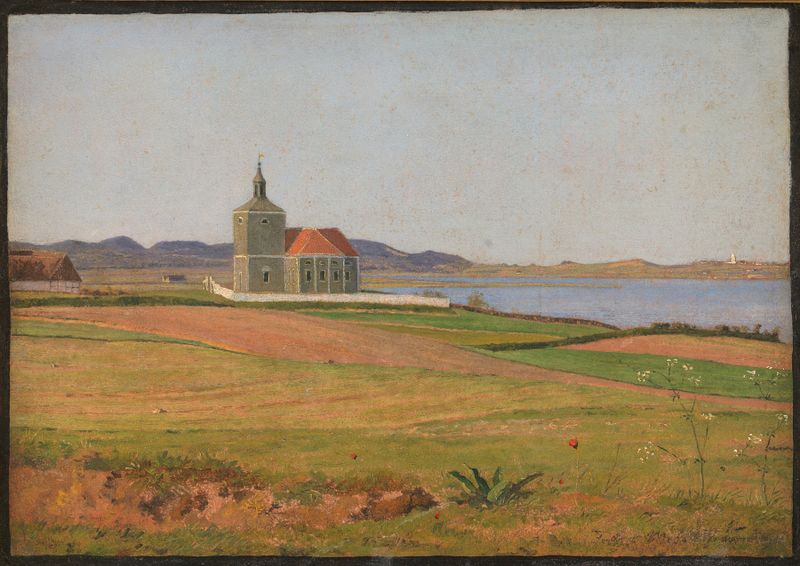
Vinderød Church near Frederiksværk
Johan Thomas Lundbye

Zealand Landscape. View from Bjerresø Mark towards Vejrhøj and Dragsholm Manor
Johan Thomas Lundbye
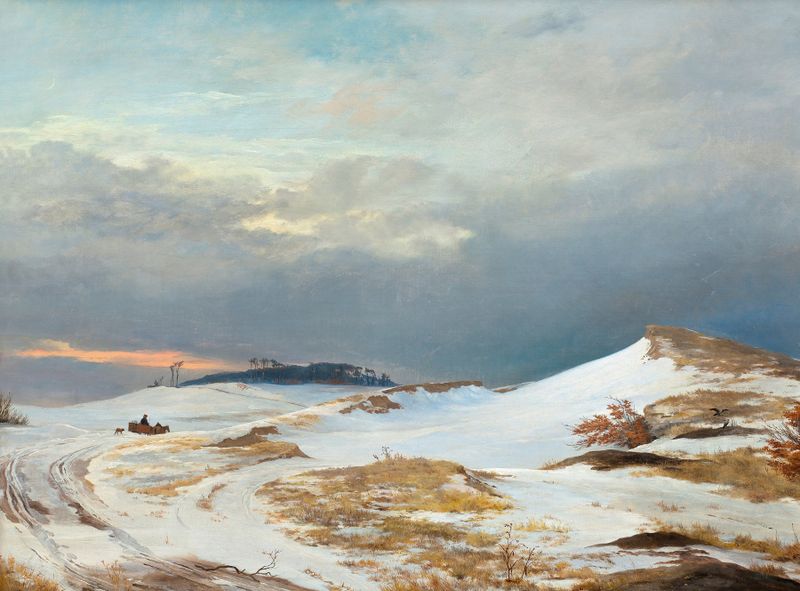
Winter landscape with Northern Zealand character
Johan Thomas Lundbye
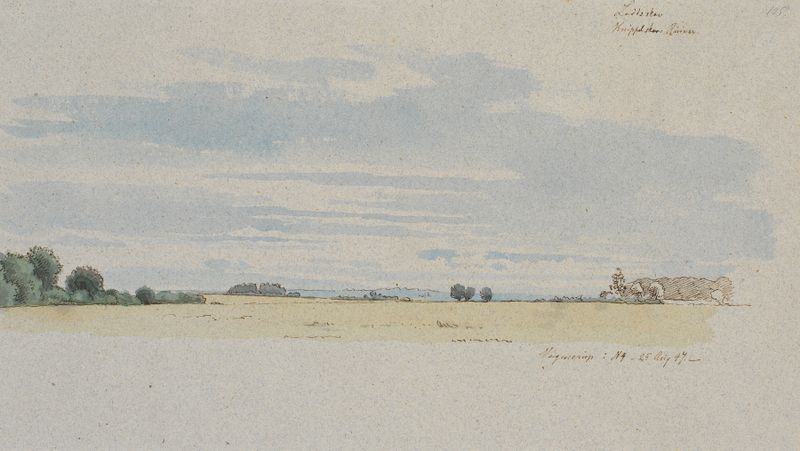
Udsigt over marker mod skove
Johan Thomas Lundbye
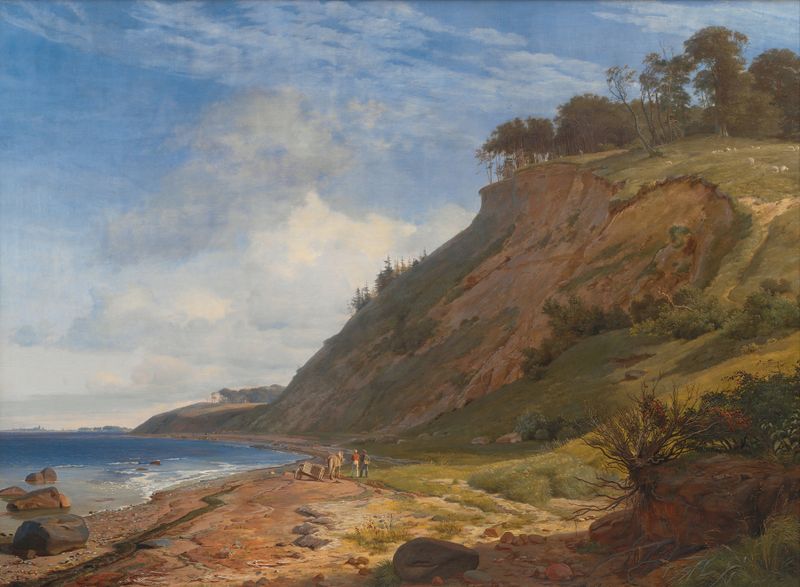
A Danish Coast. View from Kitnæs on Roskilde Fjord. Zealand
Johan Thomas Lundbye

An Evening beside Lake Arresø
Johan Thomas Lundbye
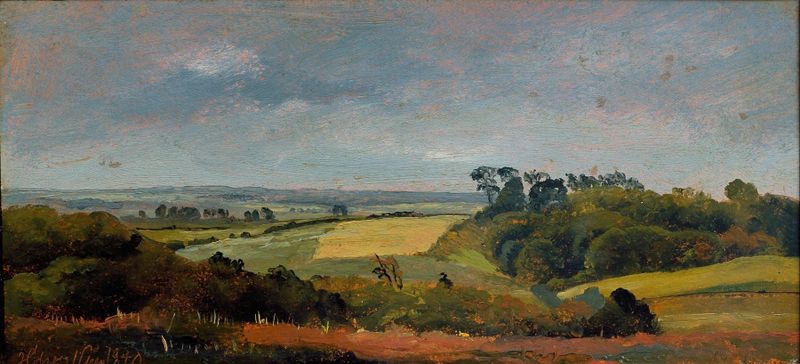
Near Høbjerg. Frederiksværk. Study
Johan Thomas Lundbye

Zealand Landscape. Open Country in North Zealand
Johan Thomas Lundbye
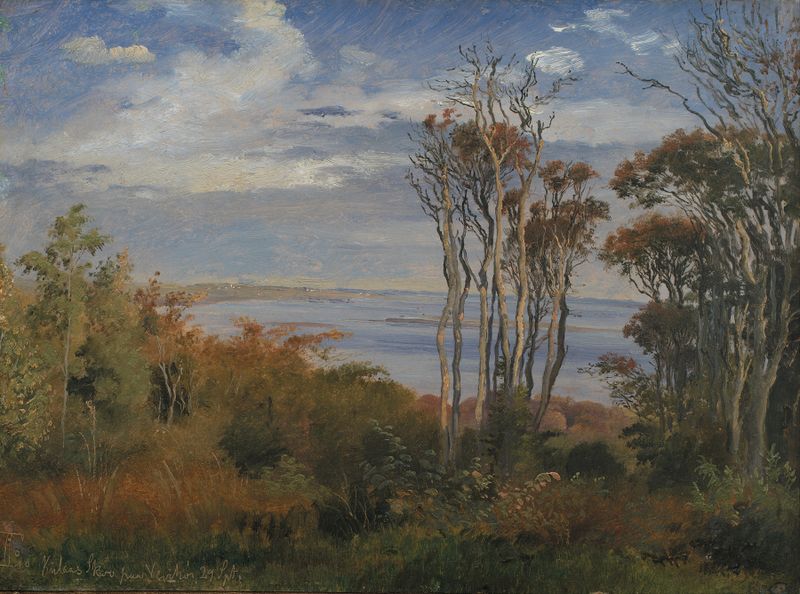
Kolås Wood, Vejrhøj
Johan Thomas Lundbye
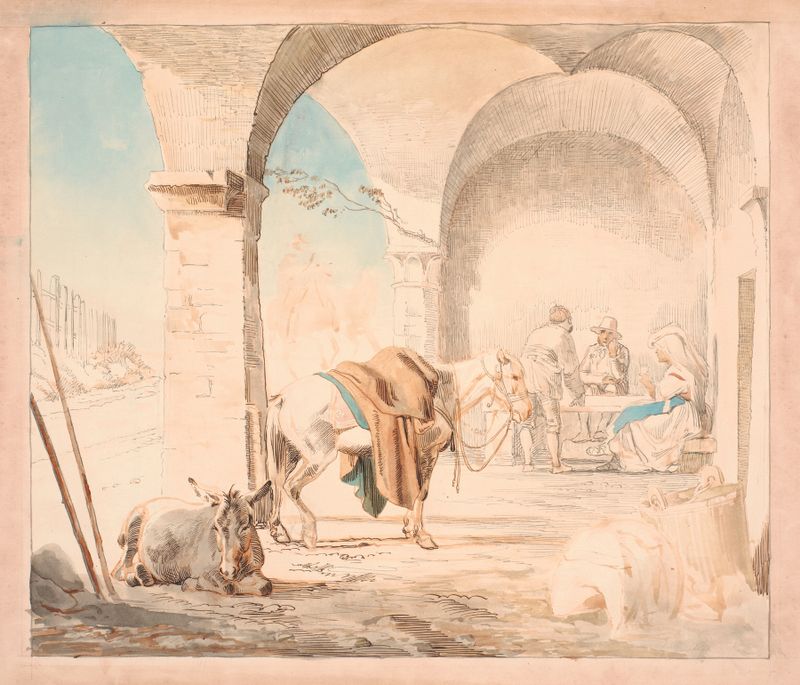
Scene fra et osteri
Johan Thomas Lundbye





