
Winter landscape with Northern Zealand character — History & Facts
Can beauty exist without sorrow? In the winter landscape, a serene panorama unfolds, inviting the viewer to contemplate the delicate balance between tranquility and the chill of solitude. Look to the left, where a gentle slope rolls into the horizon, dusted in a soft blanket of snow that sparkles under the muted winter light. The muted palette of whites and grays is interrupted by the subtle warmth of earthy browns, drawing your gaze to the solitary figure of a farmer, clad in dark clothing, who trudges through the drifts. Notice how the light caresses the treetops, casting elongated shadows that stretch across the untouched snow, imbuing the composition with a sense of calm yet hinting at the harshness of the season. Within this breathtaking vista lies a poignant tension: the harmony of nature juxtaposed with human struggle.
The farmer appears small against the vastness of the landscape, embodying resilience amidst the solitude. The stillness of winter encapsulates a moment of introspection, where the silence speaks louder than the colors—every brushstroke captures the weight of both peace and isolation. The expanse of white evokes a sense of purity, while the lone figure suggests the bittersweet nature of existence. In 1841, Johan Thomas Lundbye painted this work during a period of personal and artistic exploration.
He was deeply influenced by the Romantic movement, which emphasized the beauty of nature and individual experience. Living in Denmark, Lundbye was surrounded by the stark beauty of his homeland, reflected in his landscapes. This time marked a shift towards capturing emotional resonance in ordinary scenes, merging the tranquility of nature with the complexities of human life.
More Artworks by Johan Thomas Lundbye
Browse all →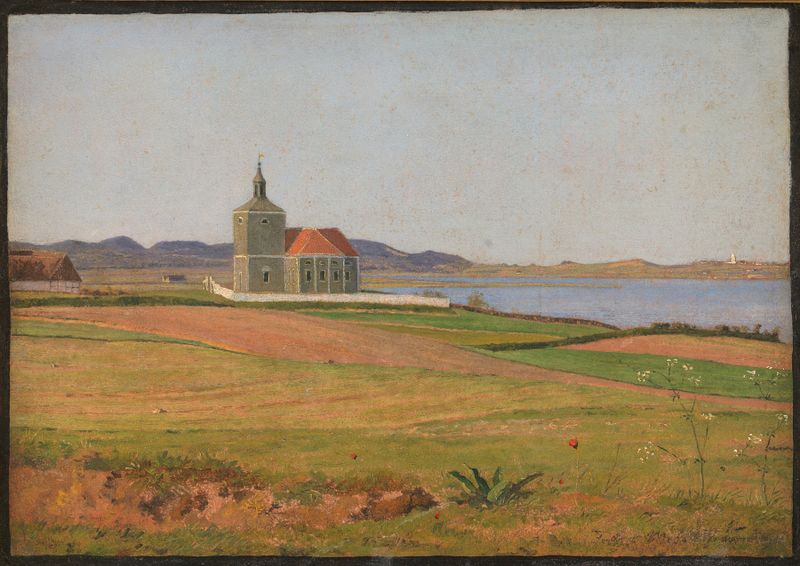
Vinderød Church near Frederiksværk
Johan Thomas Lundbye

Zealand Landscape. View from Bjerresø Mark towards Vejrhøj and Dragsholm Manor
Johan Thomas Lundbye
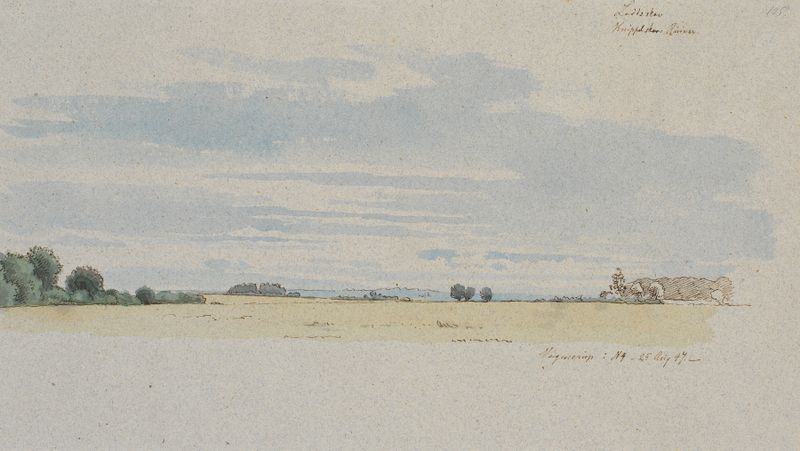
Udsigt over marker mod skove
Johan Thomas Lundbye
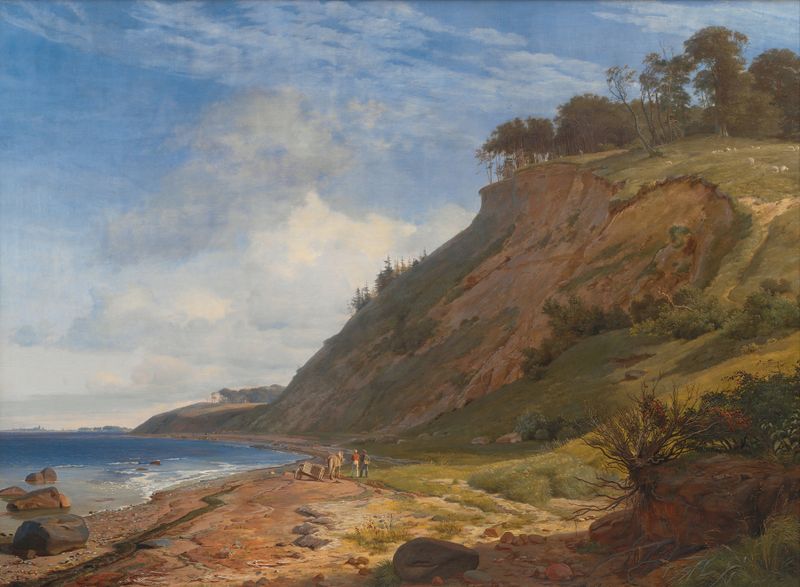
A Danish Coast. View from Kitnæs on Roskilde Fjord. Zealand
Johan Thomas Lundbye

Dolmen At Raklev, Røsnæs
Johan Thomas Lundbye

An Evening beside Lake Arresø
Johan Thomas Lundbye
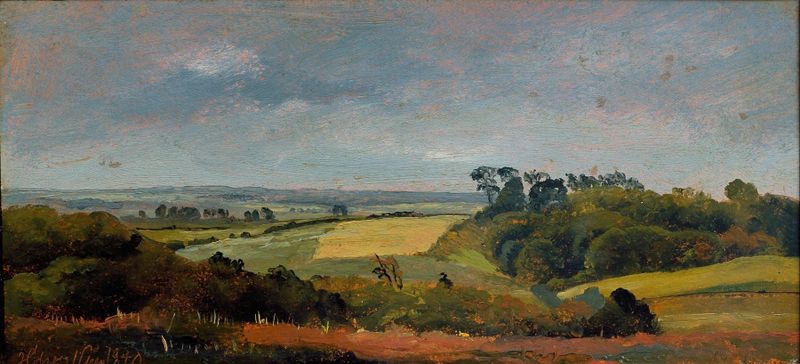
Near Høbjerg. Frederiksværk. Study
Johan Thomas Lundbye

Zealand Landscape. Open Country in North Zealand
Johan Thomas Lundbye
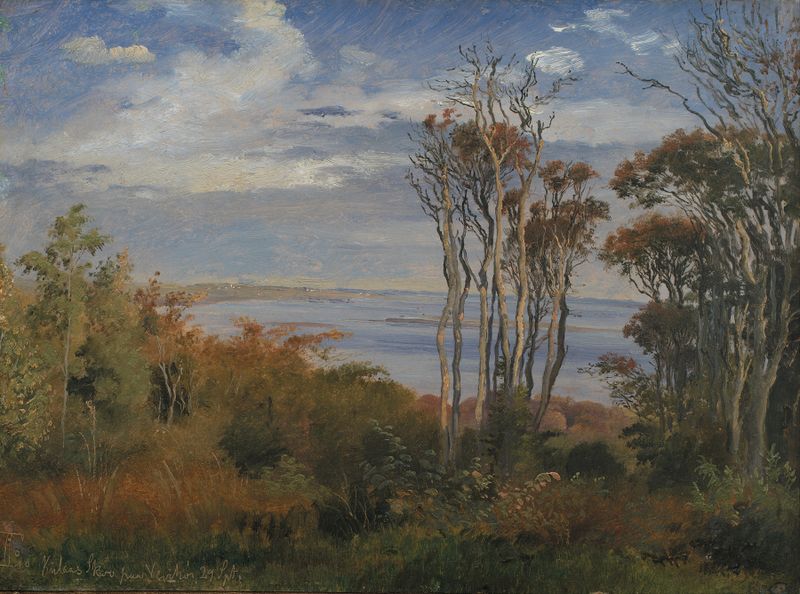
Kolås Wood, Vejrhøj
Johan Thomas Lundbye
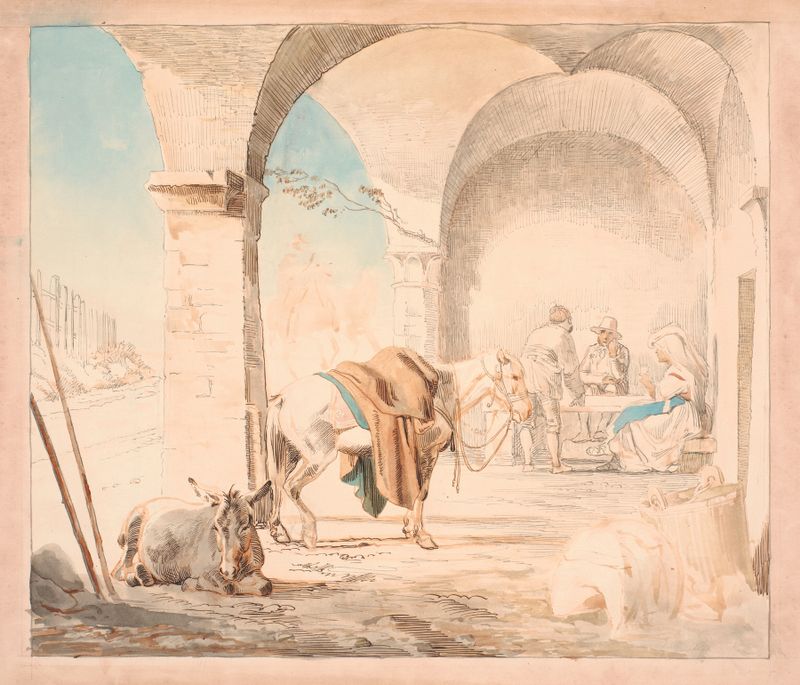
Scene fra et osteri
Johan Thomas Lundbye





