
Don Quichote — History & Facts
The first thing that catches the eye is not the figure’s gauntness or the clutter of books, but the way light pools around his head and the open page, as if the act of reading itself is a form of illumination. The man—slouched deep into a battered green armchair, legs sprawled, one hand propping up his weary brow—seems utterly consumed by the world within his book. The room is a chaos of learning: tomes stacked haphazardly, a lance and helmet suggesting dreams of chivalry, and anatomical sketches unfurled on the floor.
Every object is a clue, a breadcrumb trail pointing to a mind lost between reality and fantasy, straining to make sense of the world through the written word. Painted in 1834, Don Quichote by Adolf Schrödter belongs to a moment when artists across Europe were fascinated by the figure of the misunderstood dreamer, and the comic-heroic legacy of Cervantes’ knight-errant. In the early nineteenth century, the Romantic movement encouraged painters and writers to explore the inner lives of their subjects, often celebrating eccentricity and obsession. Works like this were rarely commissioned by aristocrats; they were more likely to be bought by the rising bourgeoisie, who saw in Don Quixote’s folly both a warning and a mirror.
History has kept few traces of this particular painting’s journey, but its cluttered intimacy invites us to linger, searching for the boundary between wisdom and madness in the flickering lamplight.
More Artworks by Adolf Schrödter

Göthe
Adolf Schrödter

Don Quixote
Adolf Schrödter
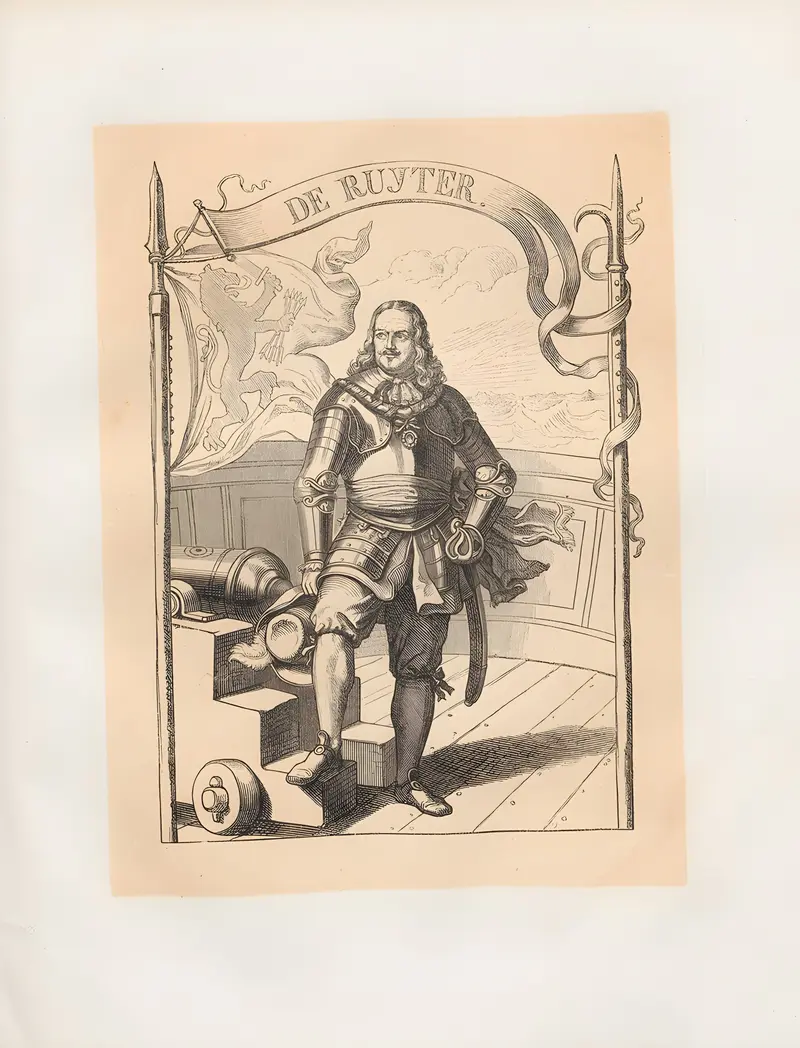
De Ruyter
Adolf Schrödter
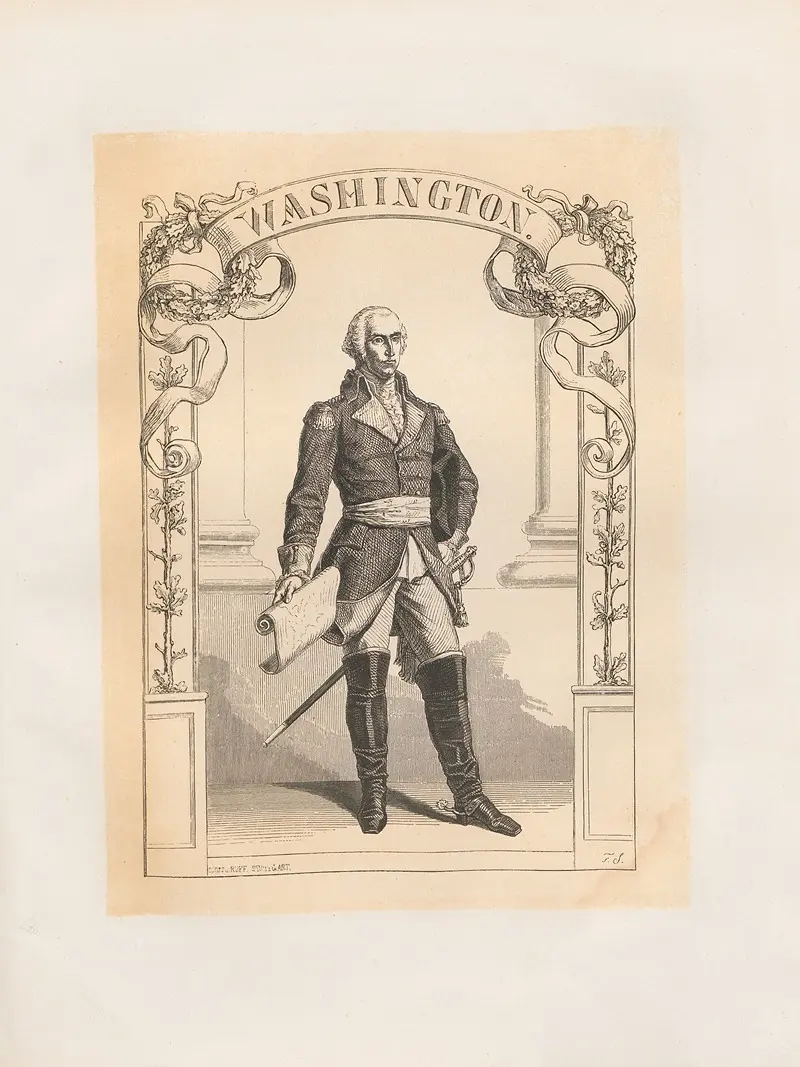
Washington
Adolf Schrödter
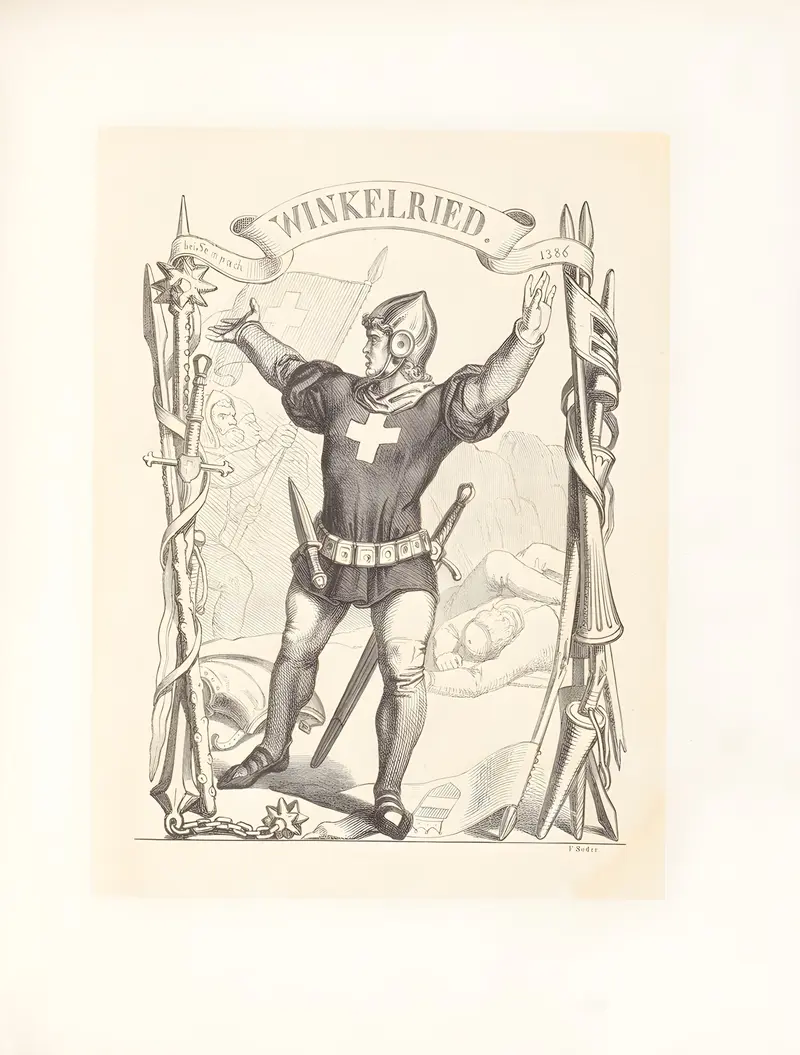
Arnold Winkelried
Adolf Schrödter
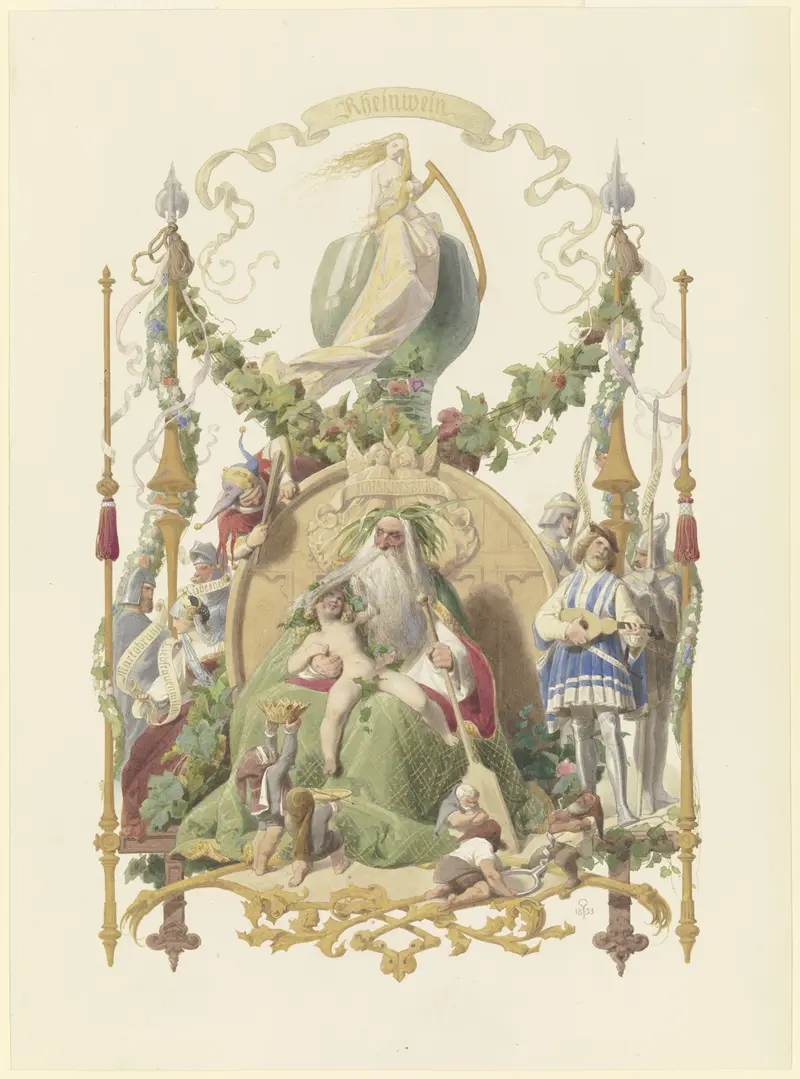
Die vier Hauptgetränke: Rheinwein
Adolf Schrödter

Ein Bouquet von blauen Winden, darunter ein sich voreinander verbeugendes Paar
Adolf Schrödter
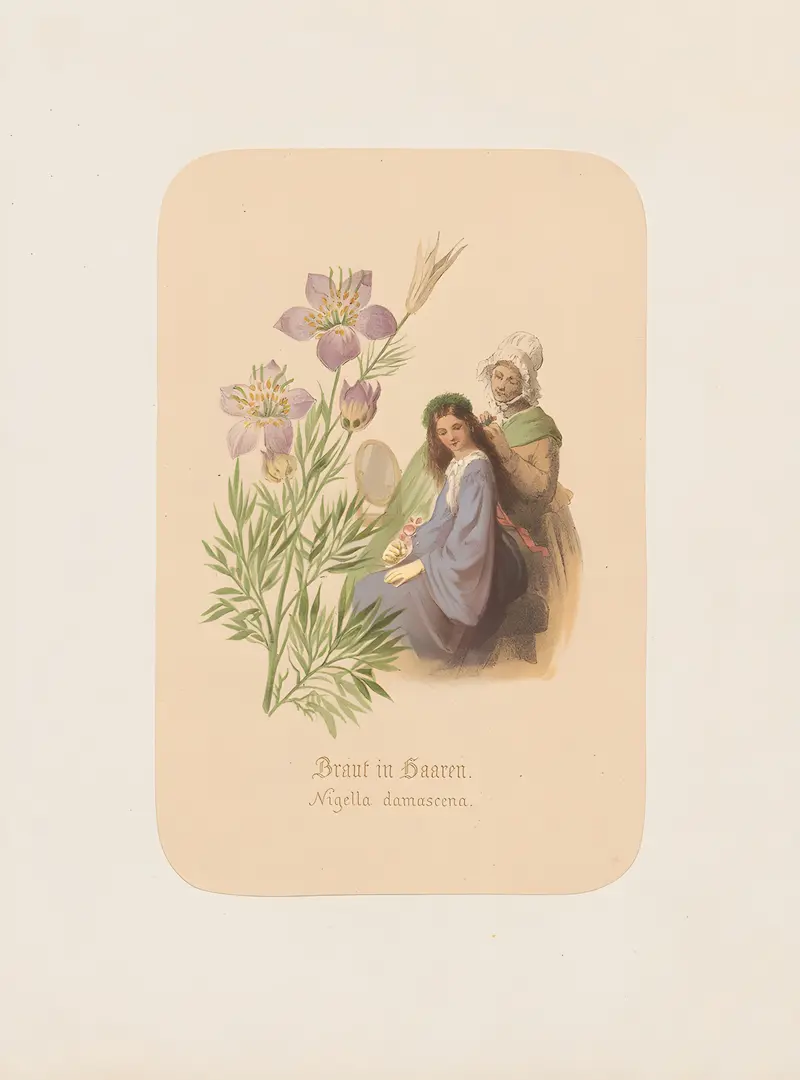
Braut in Haaren. Nigella damascena
Adolf Schrödter
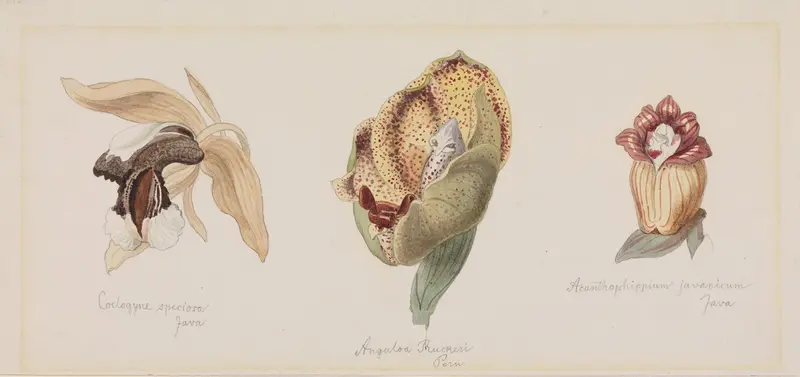
Drei verschiedene Orchideenblüten
Adolf Schrödter
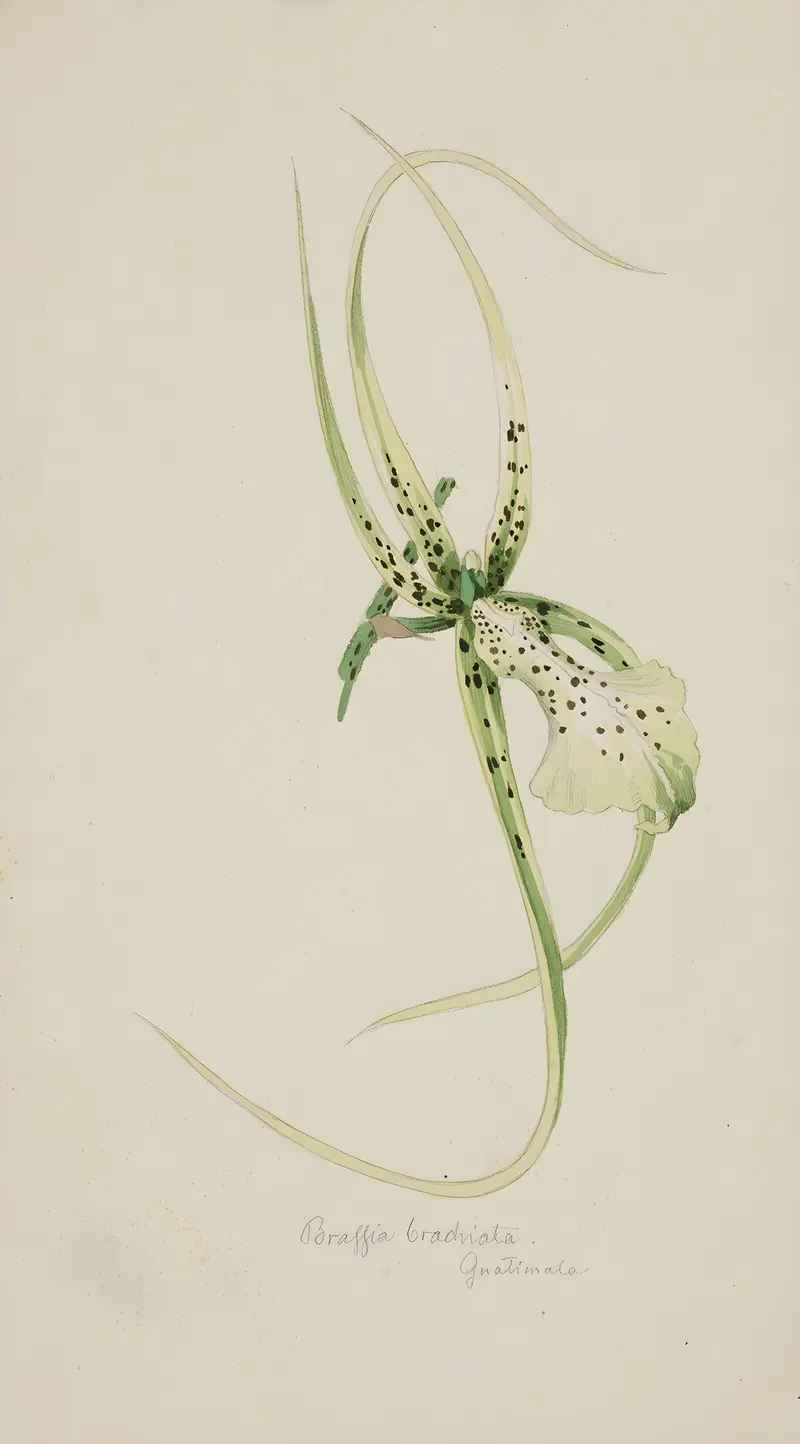
Orchidee ‘Brassia Brachiata’ (Guatemala)
Adolf Schrödter





