Donau-Au — History & Facts
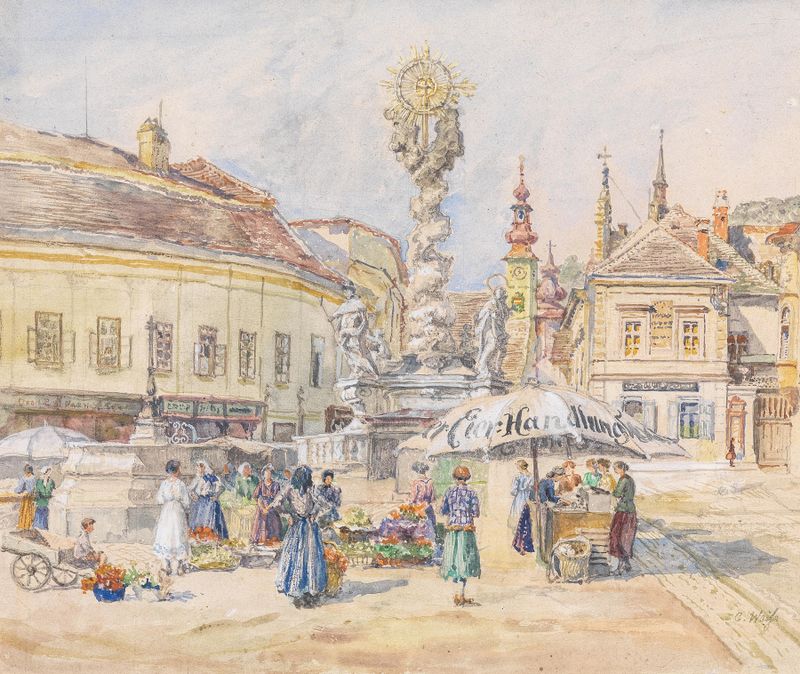
Is this a mirror — or a memory? Donau-Au invites us to lose ourselves in its tranquil embrace, where serenity whispers between the reeds and the river's gentle flow. Look to the left at the subtle ripples on the water’s surface, reflecting delicate hues of blue and green. The soft brushstrokes create a dreamlike quality that blurs the boundary between reality and imagination. Notice how the golden light filters through the foliage, dancing upon the water, infusing the scene with warmth and hope.
Each stroke evokes a sense of calm, urging viewers to pause and breathe in the beauty of nature. Yet, it is not merely a peaceful landscape; the contrasts reveal deeper emotional layers. The dark silhouettes of the trees stand guard on the riverbank, hinting at the unknown depths that lie beneath the serene surface. The tension between the calm water and the looming shadows suggests a dialogue between tranquility and unease, as if the quiet stillness holds secrets waiting to be discovered.
This duality invites contemplation, prompting reflections on the fleeting moments that define our existence. Carl Weiss painted Donau-Au during a period of personal exploration, likely in the early 20th century as he navigated the shifting tides of artistic expression in Europe. Amidst a world evolving through the chaos of modernity, he sought solace in natural landscapes, embracing the Impressionist movement’s focus on light and atmosphere. This painting is a testament to his search for peace amid turbulence, embodying both the beauty and complexity of the human experience.