Dood van Dido — History & Facts
What if beauty was never meant to be finished? In Dood van Dido, the transitory nature of life and love is captured in a haunting tableau that invites introspection. Look closely at the center of the composition where a grieving Dido, the queen of Carthage, falls to her knees, enveloped by shadows. Her luminous attire, a striking contrast against the muted palette, draws attention, while her delicate features exude both despair and grace. The figures surrounding her, rendered with meticulous detail, seem to echo her anguish, their gestures a silent chorus of mourning.
Each stroke reveals Beham's mastery in delineating human emotion, making her sorrow palpable. The subtle symbolism embedded in this work enhances its emotional weight. Dido's posture symbolizes resignation; her once vibrant life reduced to a moment of tragic realization. Notice the ethereal presence of the flame in the background—a metaphor for love that, once ignited, can consume everything in its path.
Meanwhile, the stark contrast between the darkened figures and Dido’s bright robe suggests the deeper struggle between passion and despair, illuminating the fleeting nature of beauty. In 1520, Hans Sebald Beham was part of the vibrant artistic milieu of Nuremberg, where the Renaissance was flourishing. During this period, he explored themes of mythology and human experience, reflecting the emotional complexity of his times. The painting stands as a testament to both the personal and societal upheavals of the era, marking a significant moment in his development as an artist, where beauty and tragedy meld into a singular vision.
More Artworks by Hans Sebald Beham
Browse all →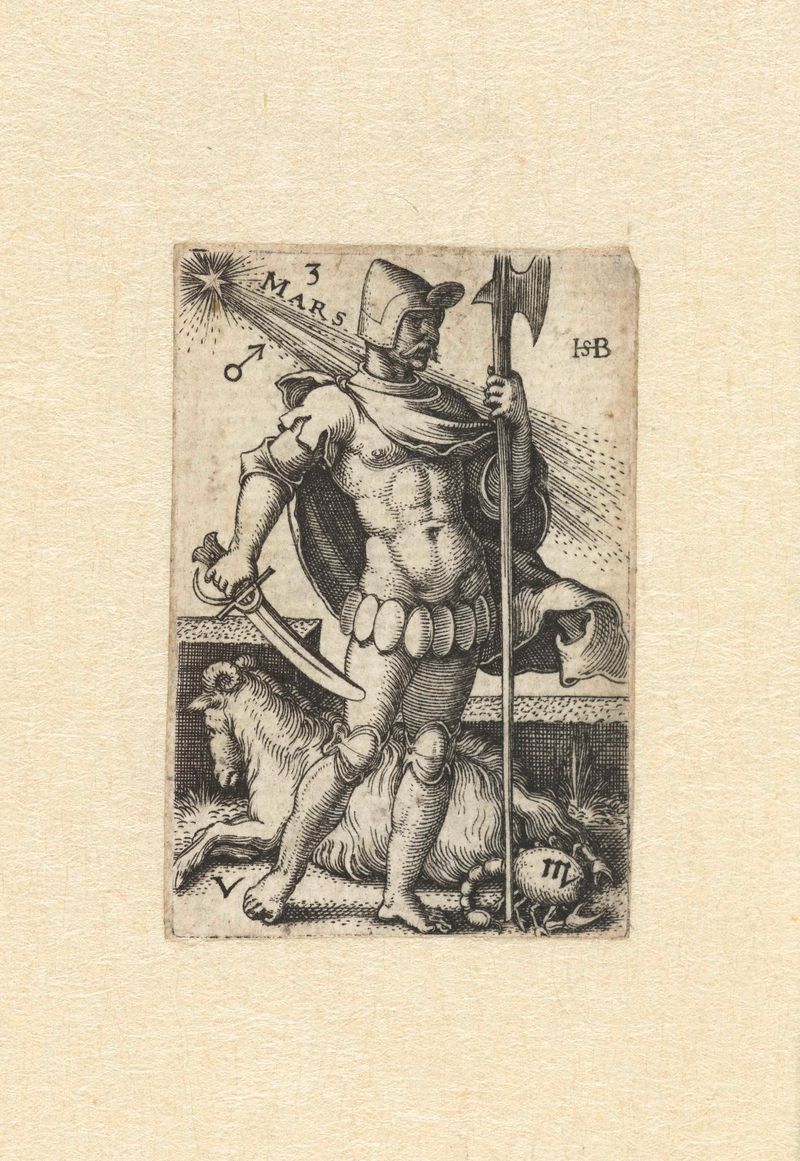
Mars met sterrenbeelden Ram en Schorpioen
Hans Sebald Beham

Achilles in gevecht met Hector
Hans Sebald Beham
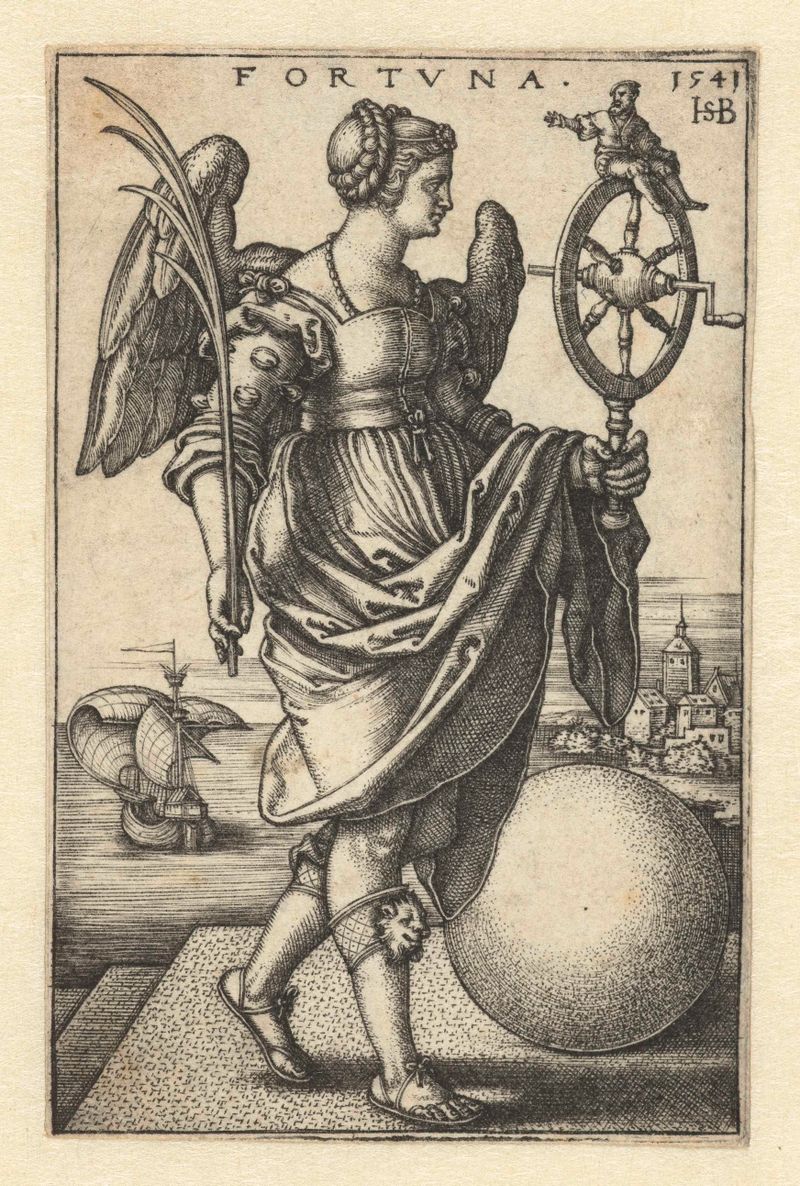
Fortuna
Hans Sebald Beham

Hercules worstelt met Antaeus
Hans Sebald Beham

Twee muzikanten met schalmey en doedelzak
Hans Sebald Beham

Voorzichtigheid (Prudentia)
Hans Sebald Beham

Hercules in gevecht met de Trojanen
Hans Sebald Beham
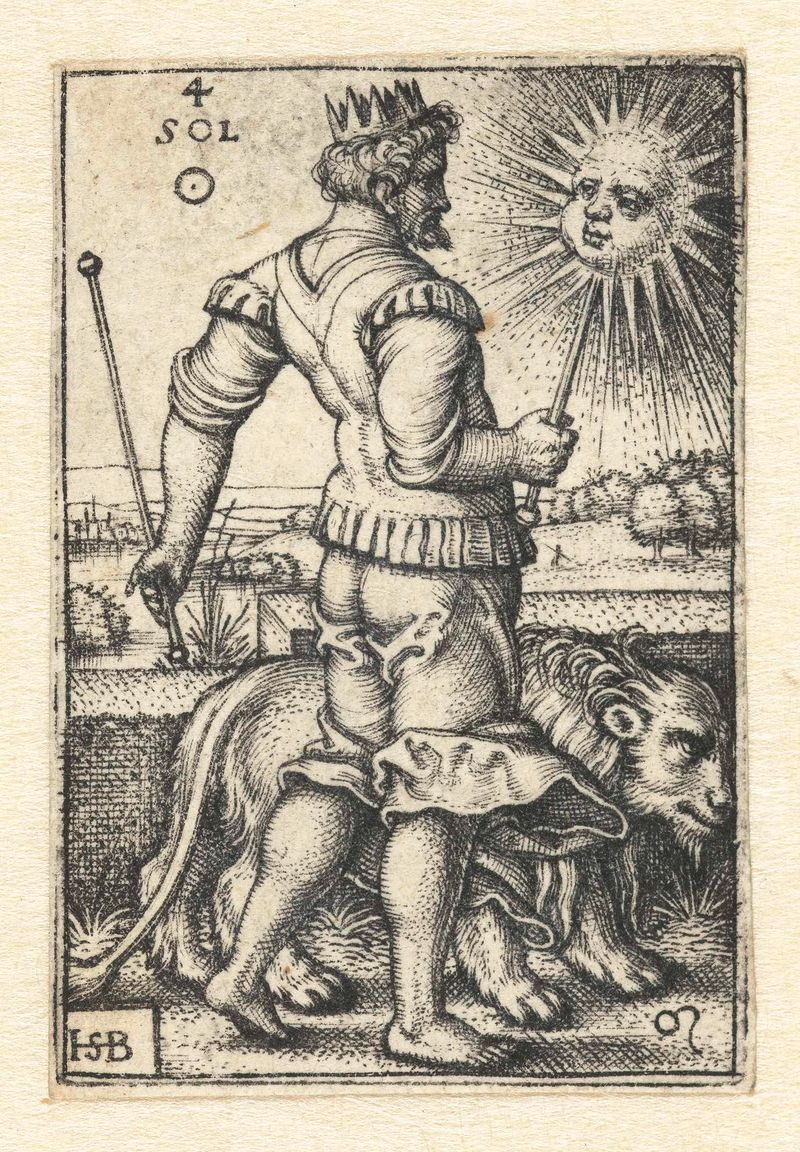
Apollo (Sol) met sterrenbeeld Leeuw
Hans Sebald Beham
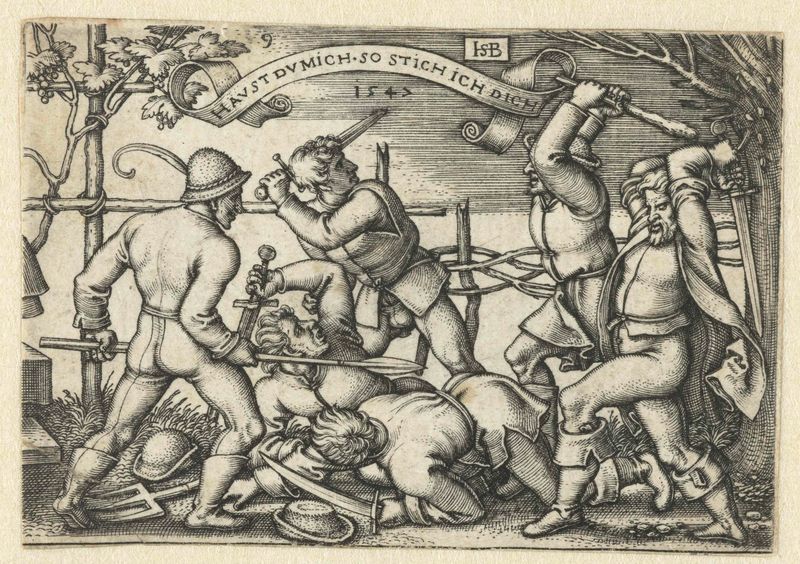
Vechtende boeren met zwaarden
Hans Sebald Beham
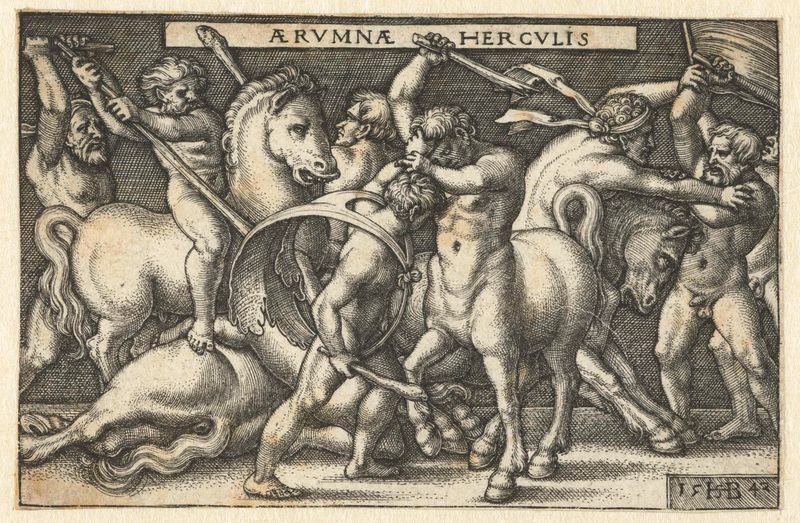
Hercules in gevecht met centaurs
Hans Sebald Beham