Dood van Hercules op brandstapel en Philoctetes — History & Facts
Fear hangs palpably in the air, a silent witness to the fate that unfolds before our eyes. A tension grips the scene, where nobility meets anguish, and the threat of destruction looms like a shadow. Each brushstroke seems to whisper the unspeakable — a moment caught between valor and despair. Look to the center, where the lifeless form of Hercules dominates the composition, draped over the pyre that is both a throne and a tomb.
The flames flicker with a ghostly light, illuminating the faces of the onlookers. Notice how the palette shifts from vibrant reds and yellows near the fire to the cooler, muted tones surrounding the characters, emphasizing the gravity of the moment. The figures' expressions reveal a blend of sorrow and awe, their gestures a symphony of grief, as they grapple with the spectacle of a hero's demise. Within this tableau lies a profound commentary on heroism and mortality.
The juxtaposition of Hercules' past glory against the cruel reality of his end evokes a deep sense of loss, while the presence of Philoctetes, a symbol of friendship and betrayal, reveals the complexities of loyalty in dire times. Details such as the flickering flames not only serve as a visual focal point but also represent the duality of life and death, igniting existential questions about sacrifice and the human condition. Hans Sebald Beham painted this work in 1548, a time when the Northern Renaissance was flourishing, and the interplay of light and shadow was being expertly navigated by many artists. Living in Nuremberg, Beham was influenced by the humanist themes of his era, which sought to explore the human experience in profound and intimate ways.
This piece reflects the artistic exploration of mythological narratives, revealing a society grappling with its own fears and aspirations through the lens of ancient tales.
More Artworks by Hans Sebald Beham
Browse all →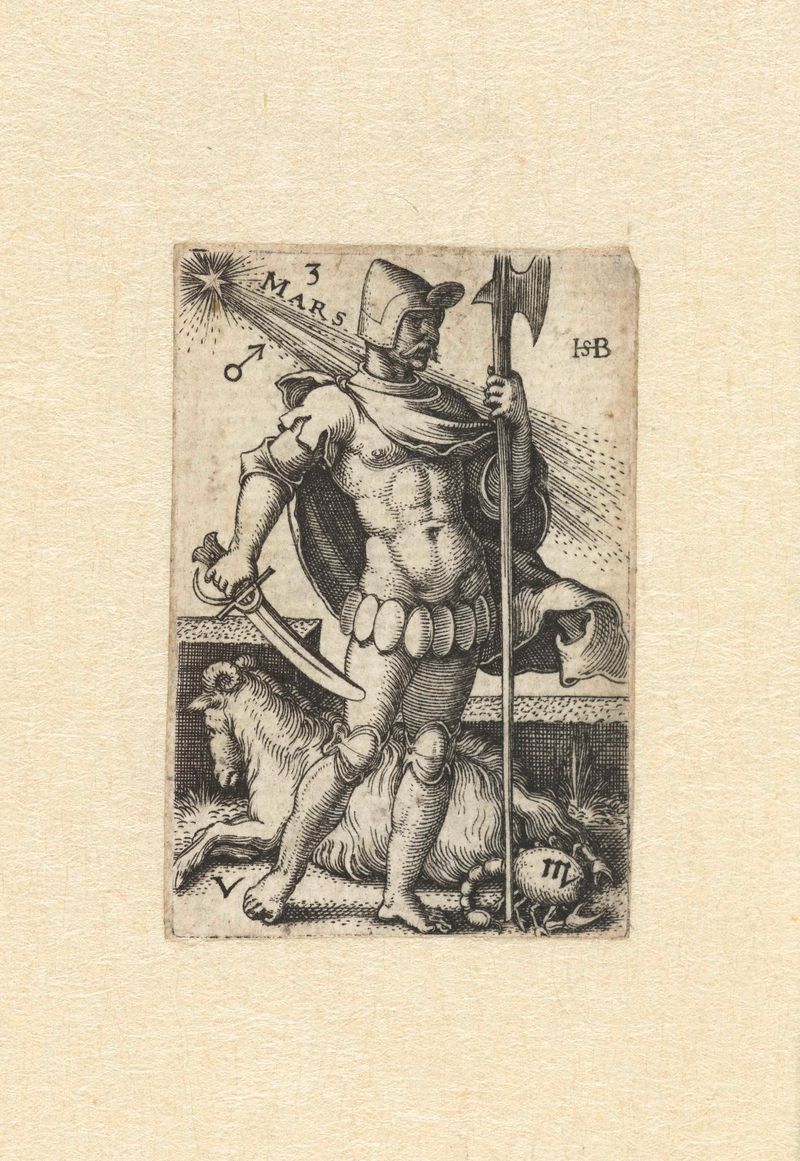
Mars met sterrenbeelden Ram en Schorpioen
Hans Sebald Beham

Achilles in gevecht met Hector
Hans Sebald Beham
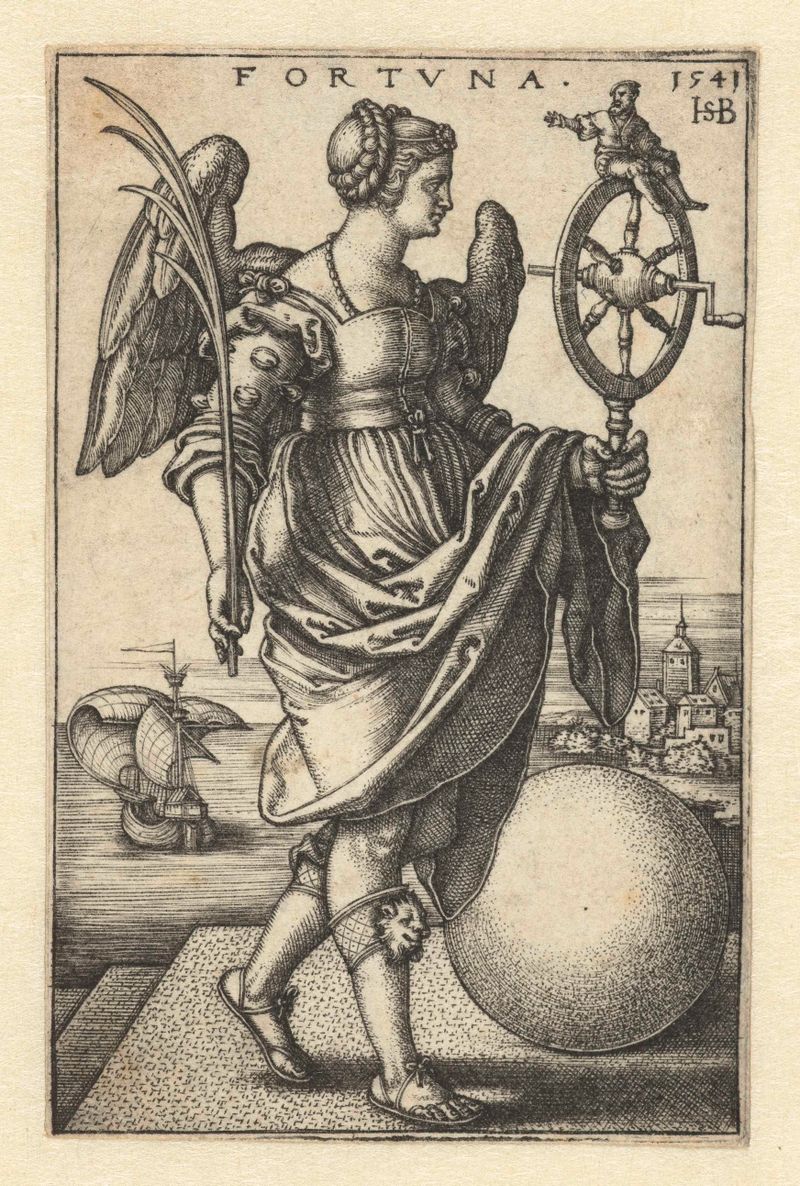
Fortuna
Hans Sebald Beham

Hercules worstelt met Antaeus
Hans Sebald Beham

Twee muzikanten met schalmey en doedelzak
Hans Sebald Beham

Voorzichtigheid (Prudentia)
Hans Sebald Beham

Hercules in gevecht met de Trojanen
Hans Sebald Beham
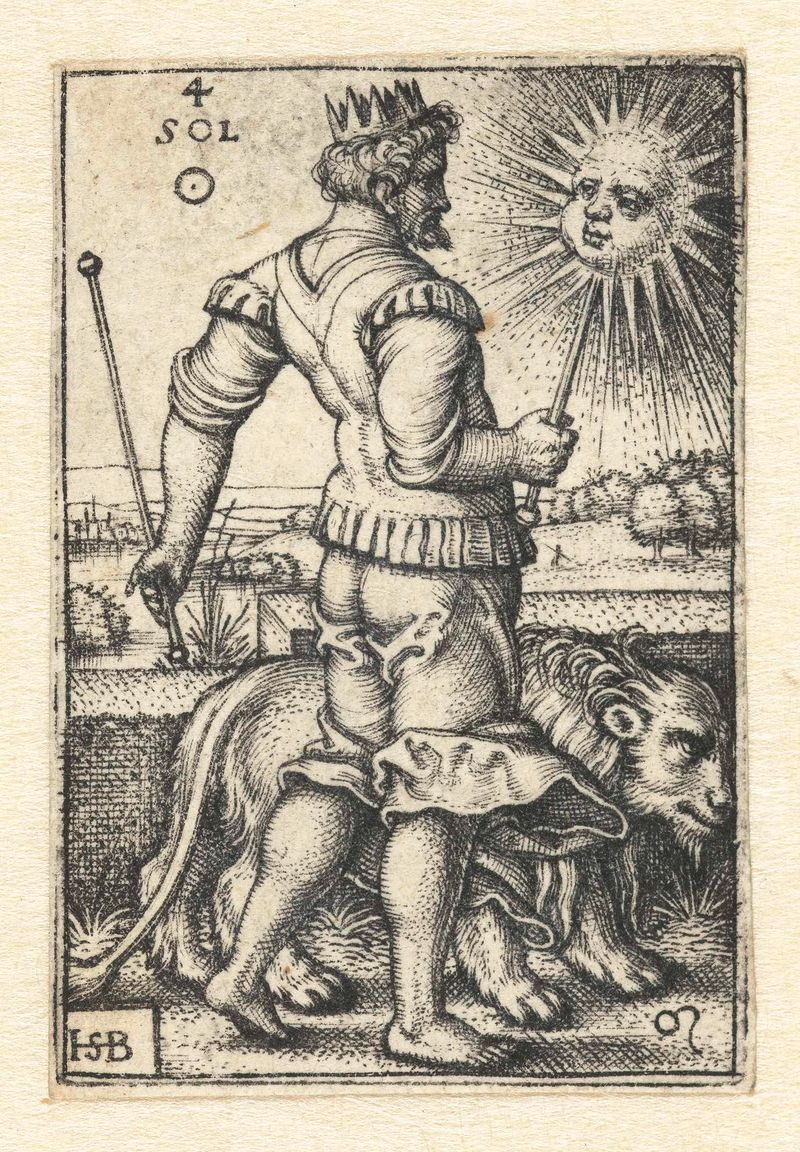
Apollo (Sol) met sterrenbeeld Leeuw
Hans Sebald Beham
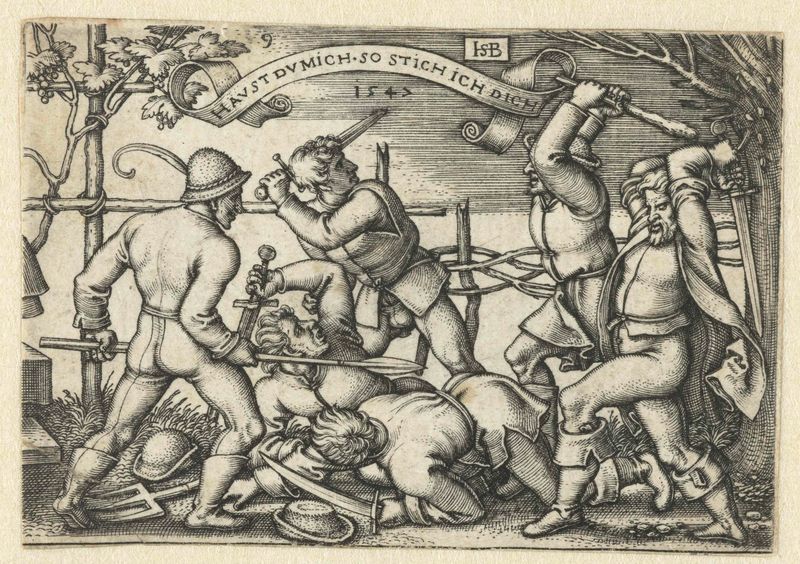
Vechtende boeren met zwaarden
Hans Sebald Beham
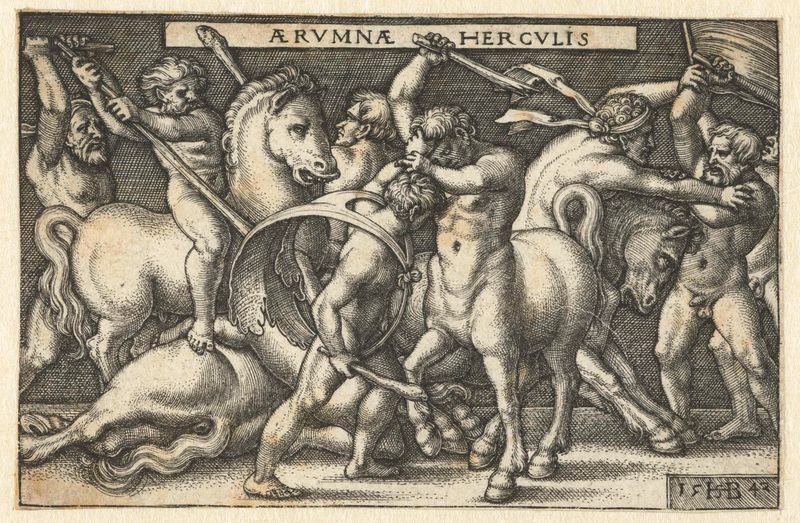
Hercules in gevecht met centaurs
Hans Sebald Beham