Dorpskermis — History & Facts
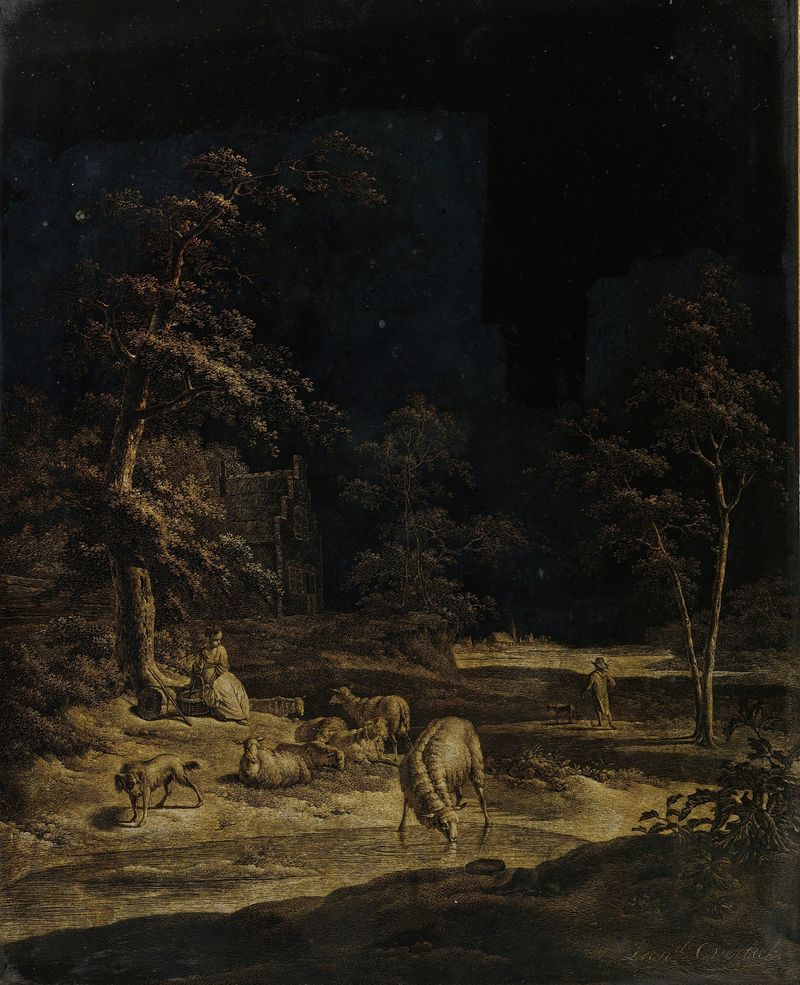
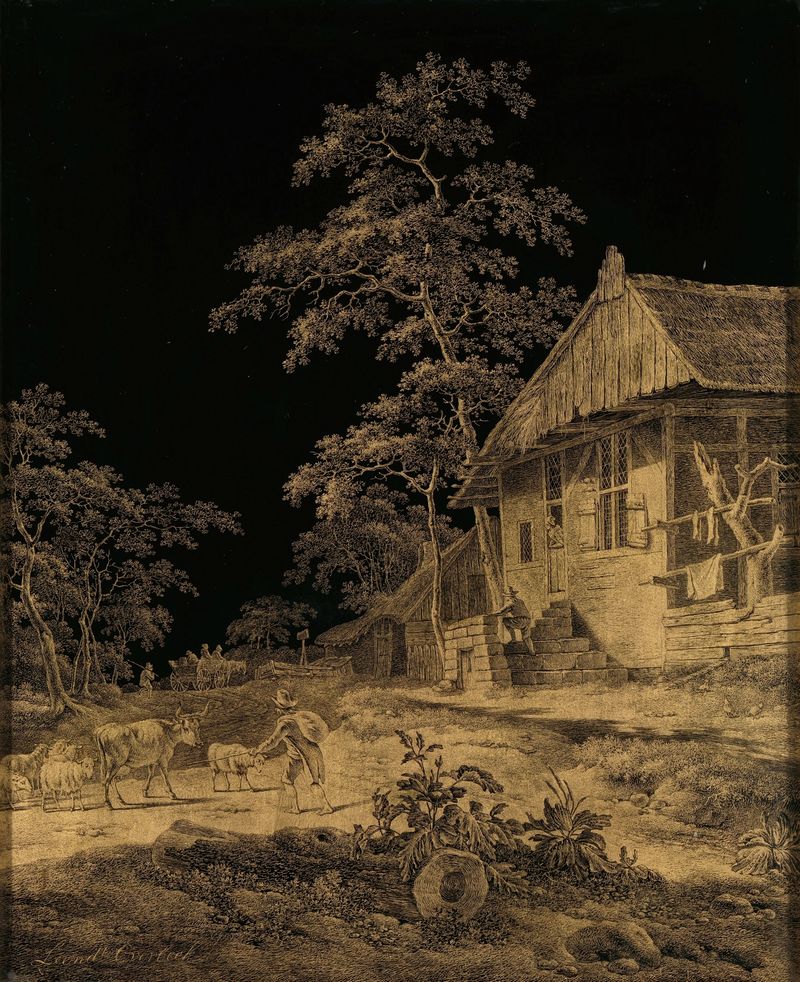
Did the painter know this moment would outlive them? In Dorpskermis, a lively scene unfolds beneath a sun-drenched sky, where the soft interplay of light breathes life into every figure and interaction. Look to the left at the bustling crowd, where cheerful faces gather around vendors selling festive wares. Notice how the artist's deft brushwork captures the delicate shimmer of sunlight reflecting off metallic objects, while shadows anchor the figures in the landscape. The vibrant palette of greens and yellows creates a joyously warm atmosphere, inviting viewers to immerse themselves in the village's gathering, alive with energy and laughter. Delve deeper into the painting's contrasts; the serenity of the landscape is juxtaposed with the frenetic joy of the characters.
Subtle expressions of anticipation and delight ripple through the crowd, hinting at the shared stories and aspirations of village life. The light serves not just as a physical presence but as a metaphor for fleeting happiness, capturing a moment that, while joyous, is destined to fade. Such emotional layers invite viewers to ponder the transience of joy in their own lives. Leendert Overbeek painted Dorpskermis during a time when the Dutch were navigating the tumult of the late 18th century, politically and artistically.
Created between 1762 and 1815, his work reflects both a personal connection to rural life and the broader artistic currents of a nation in flux, seeking solace in the portrayal of community and celebration against a backdrop of change.