Dorpsweg — History & Facts
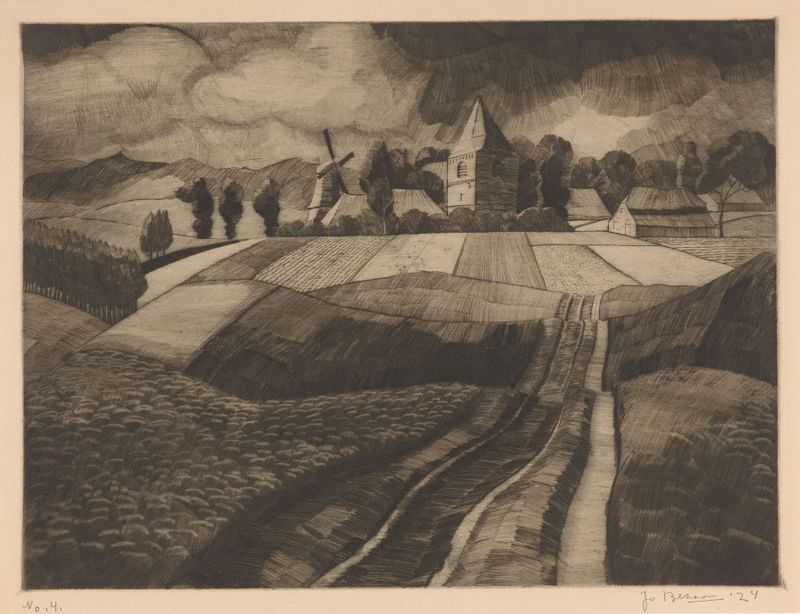
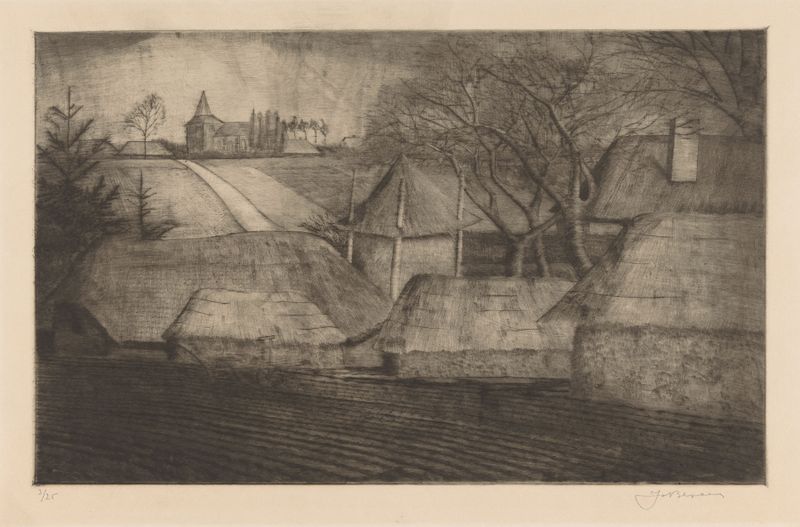
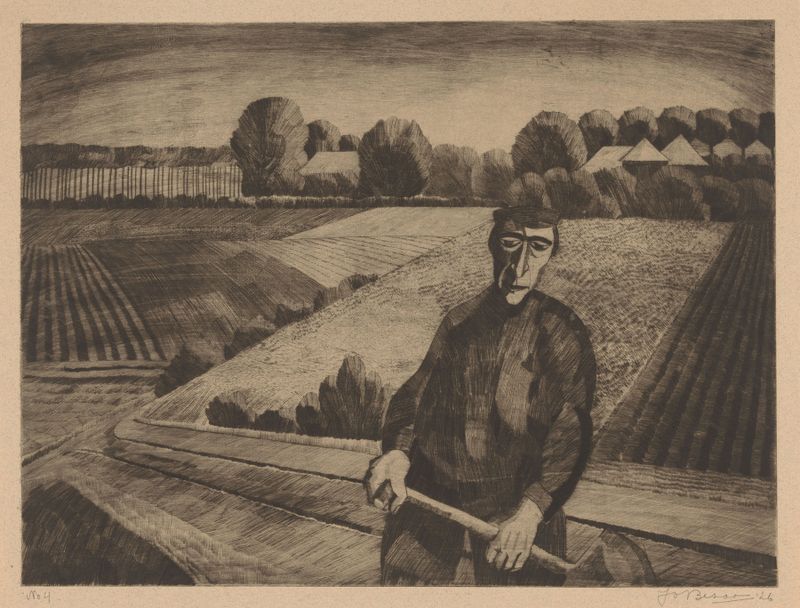
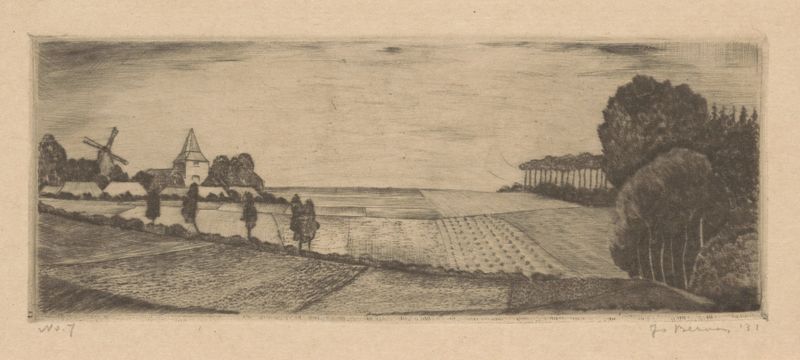
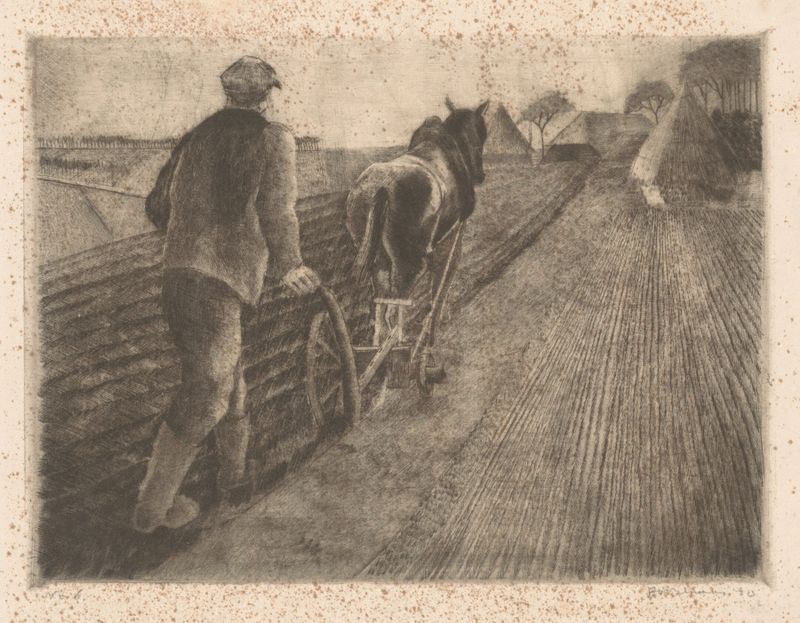
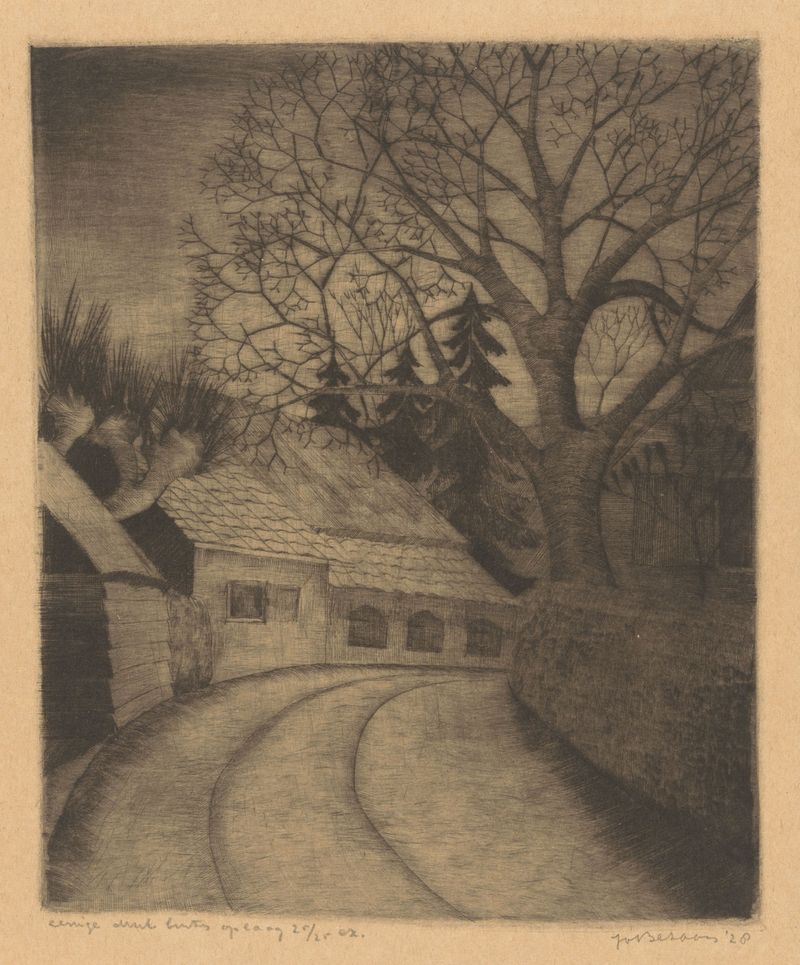
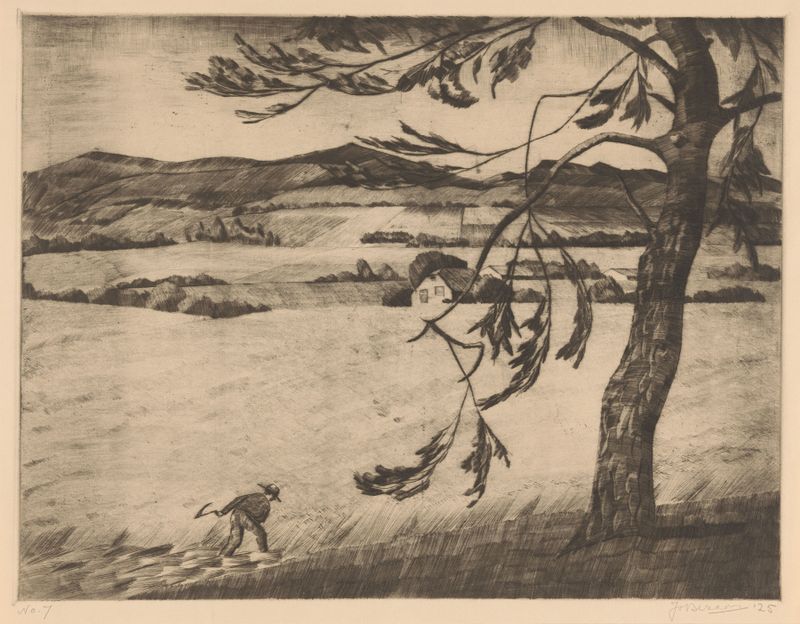
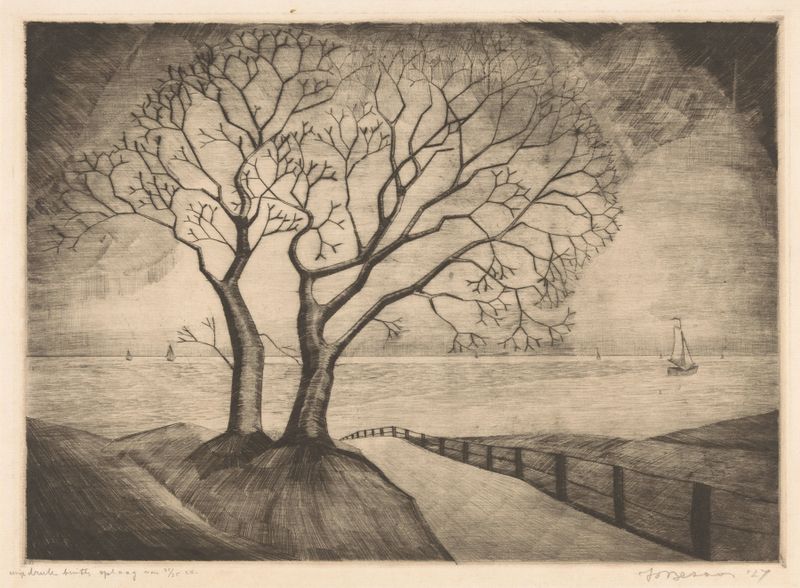
What if silence could speak through light? It can whisper the unfulfilled desires that linger just beneath the surface, illuminating the spaces between thoughts and feelings. Look closely at the delicate interplay of light and shadow across the canvas; the horizon beckons with a soft glow that seems to cradle the entire scene. Notice how the muted palette of earthy tones conveys a sense of tranquility while simultaneously evoking an underlying tension. The winding path draws the eye effortlessly along its course, yet the absence of figures suggests a lingering solitude, inviting contemplation on the nature of yearning. As your gaze wanders, subtle details emerge—the gentle curves of the landscape, the way the trees stand sentinel, and the horizon that feels both near and impossibly distant.
Each brushstroke captures a moment suspended in time, hinting at stories untold and desires unmet. The empty road becomes a metaphor for pathways in life, where hope and longing coexist, evoking emotions that resonate beyond the canvas. In 1923, Jo Bezaan painted this artwork during a period of introspection and change. Living in a time when European art movements were exploring abstraction and emotional depth, Bezaan's work was a response to the complexities of modern life, a personal reflection on the quiet moments that form the fabric of existence.
This painting encapsulates that exploration, merging the external world with the internal landscape of human experience.