Fez — History & Facts
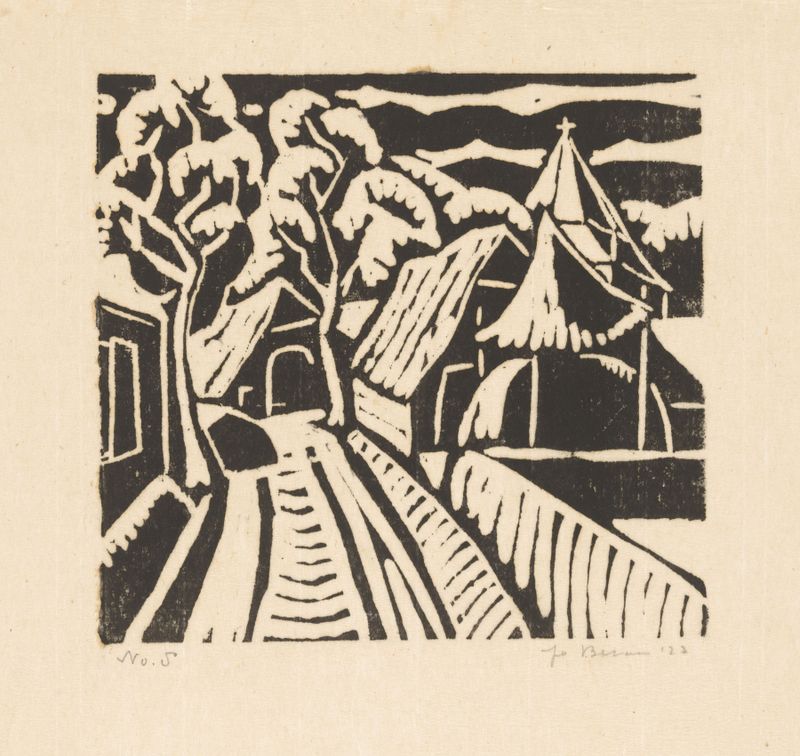
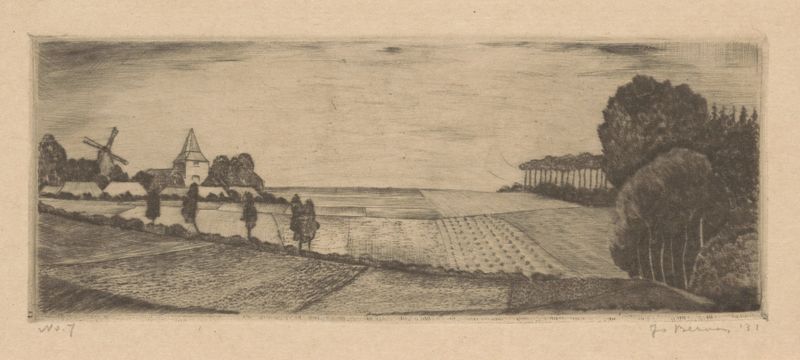
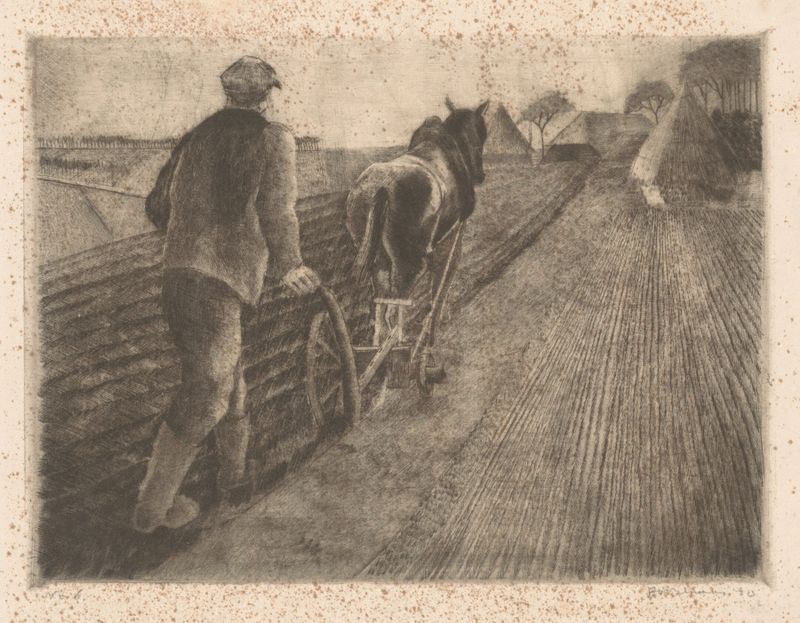
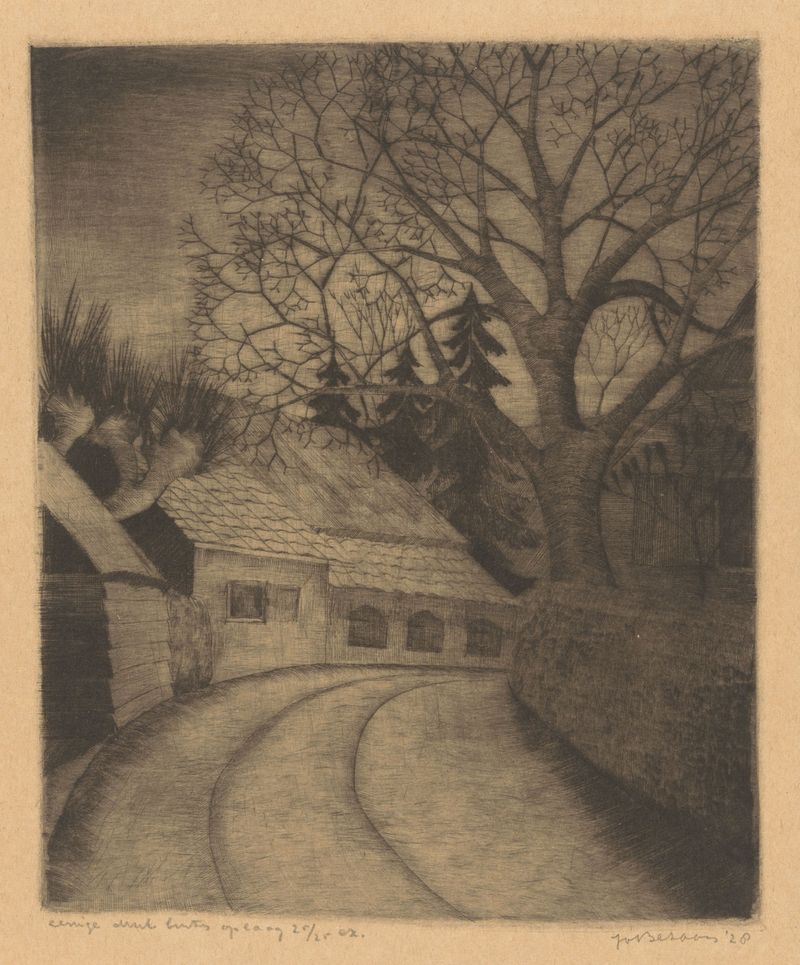
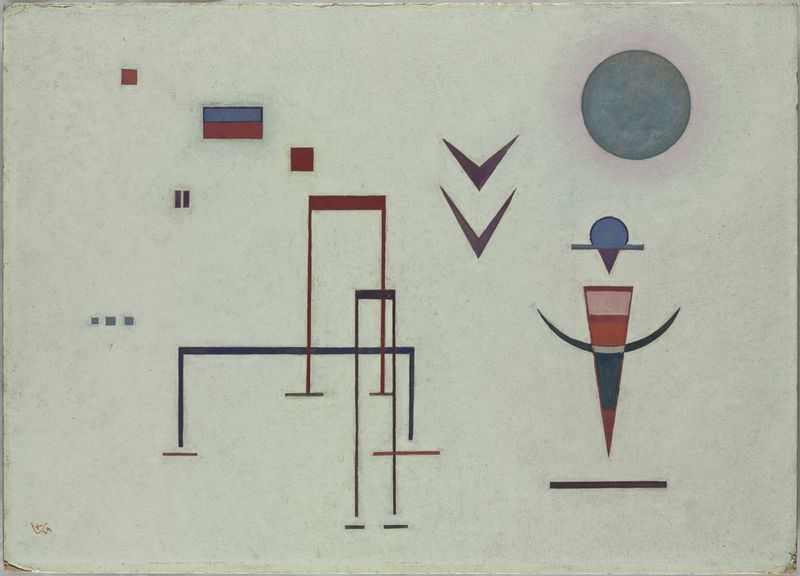
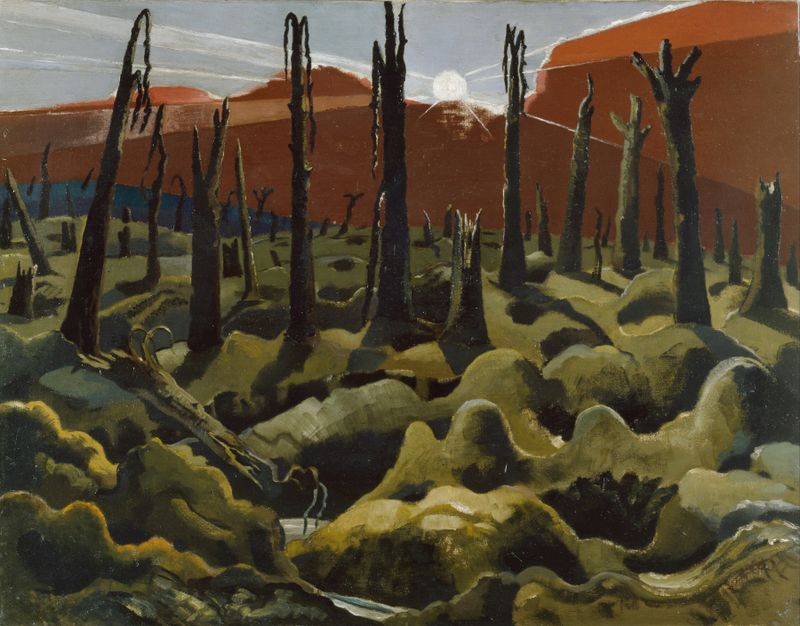
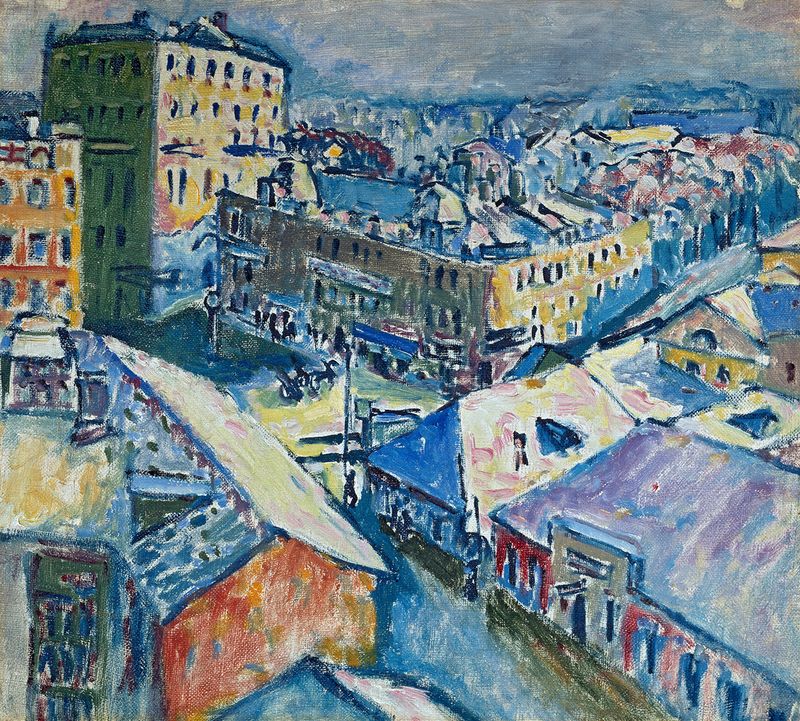
What if beauty was never meant to be finished? In a world swirling with revolution and change, some creations stand as unfinished symphonies, inviting us to contemplate their potential rather than their completion. Focus first on the vibrant hues that dominate the canvas, where splashes of deep cerulean and warm ochre collide, creating a dynamic background that draws the eye. Notice how the bold brushstrokes intermingle, a dance of color and form that suggests both chaos and harmony. The irregular shapes emerge like fragments of a larger narrative, hinting at a story just beyond grasp—each stroke inviting the viewer to explore the layers beneath the surface. Dive deeper into the emotional contrasts portrayed here; the disarray of colors may evoke feelings of unrest while simultaneously instilling a sense of hope.
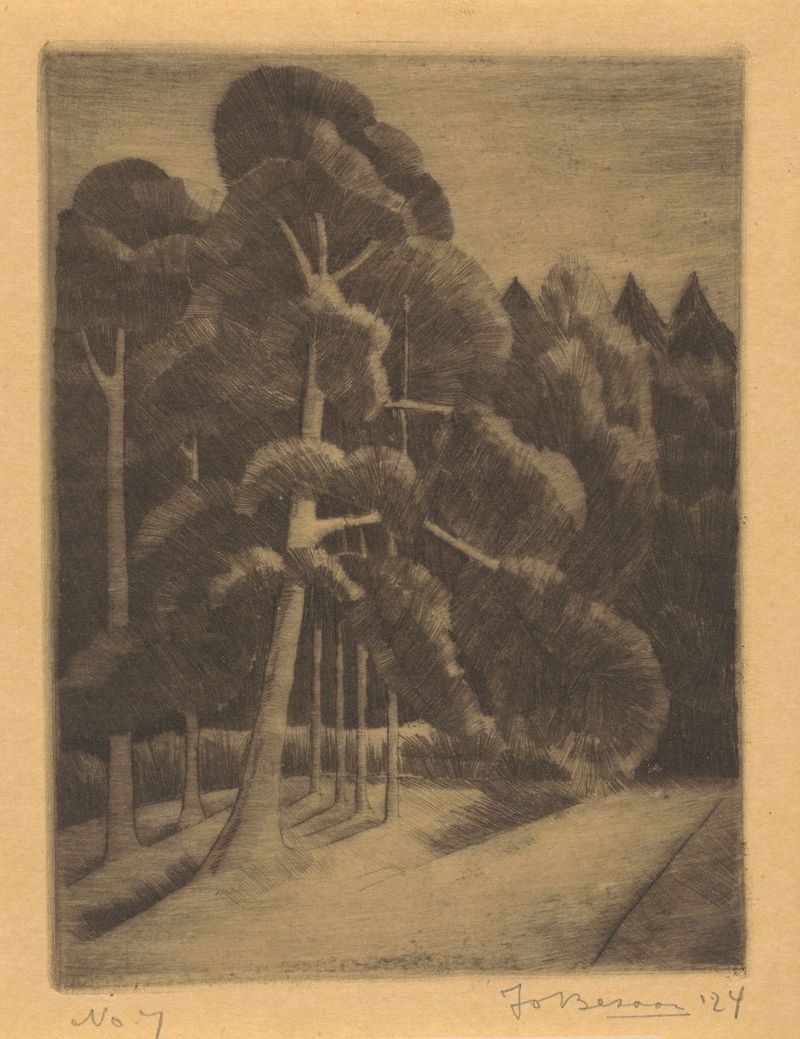
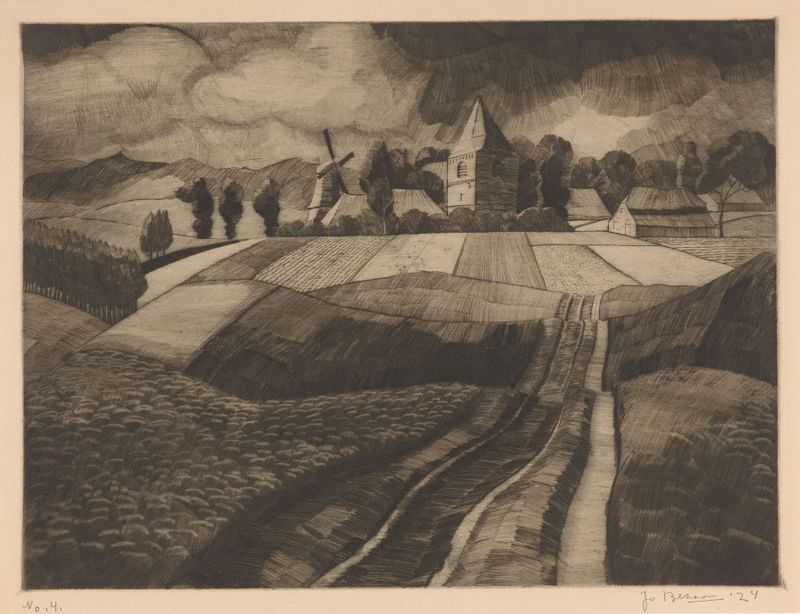
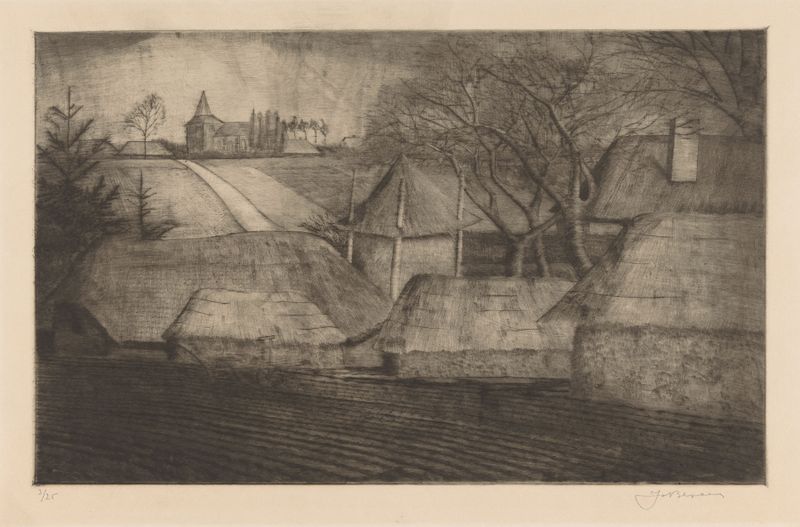
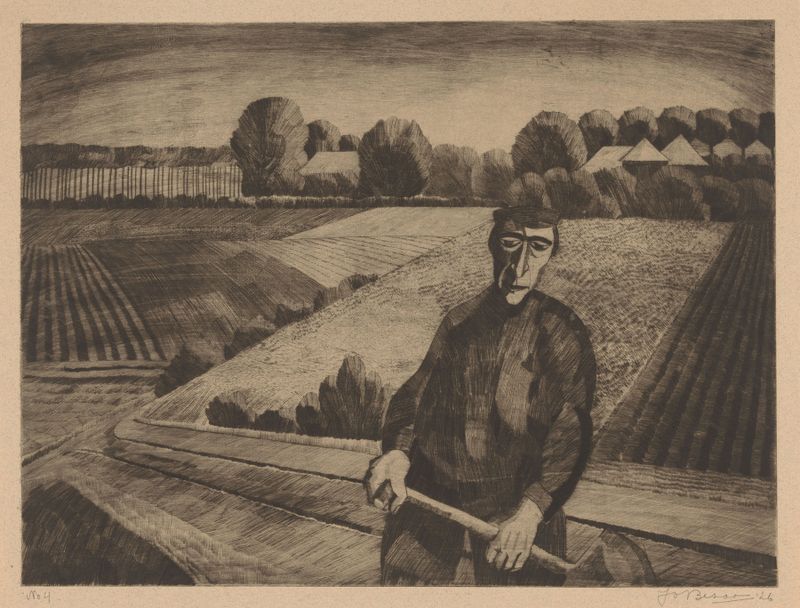
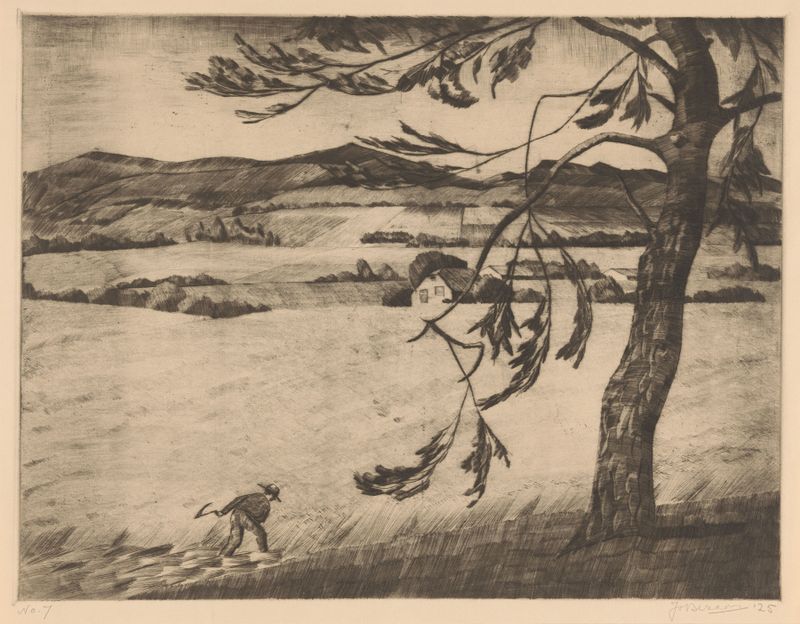
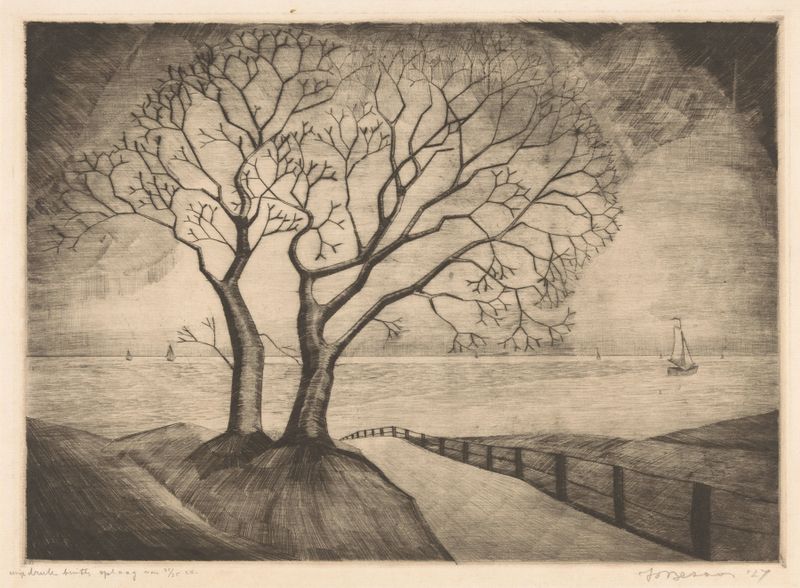
This interplay between discord and beauty reflects the complexities of life during a time of upheaval. The unfinished quality is crucial—it leaves space for the imagination, allowing us to project our own feelings of uncertainty and aspiration onto the canvas. Jo Bezaan painted this work between 1904 and 1939, a period marked by significant political and artistic upheaval in Europe. Amidst the backdrop of world wars and social revolutions, Bezaan explored themes of transformation and identity in her art.
Her work emerged during a time when artists were challenging traditional forms and embracing the avant-garde, mirroring the chaotic spirit of her time.